The Art of the One-Timer: How to Perfect This Essential Skill
2 January 2026
Ah, the sweet sound of stick meeting puck, and puck finding twine. There’s just something magical about a beautifully executed one-timer in hockey. It’s quick, it’s powerful, and it’s often completely unstoppable. Whether you’re a beginner trying to step up your game or a seasoned player looking for that extra edge, mastering the one-timer can totally transform how you play—and how dangerous you are in the offensive zone.
Let’s break it down and talk about why the one-timer is such a lethal weapon on the ice and exactly how you can fine-tune yours. Ready? Let’s dig in.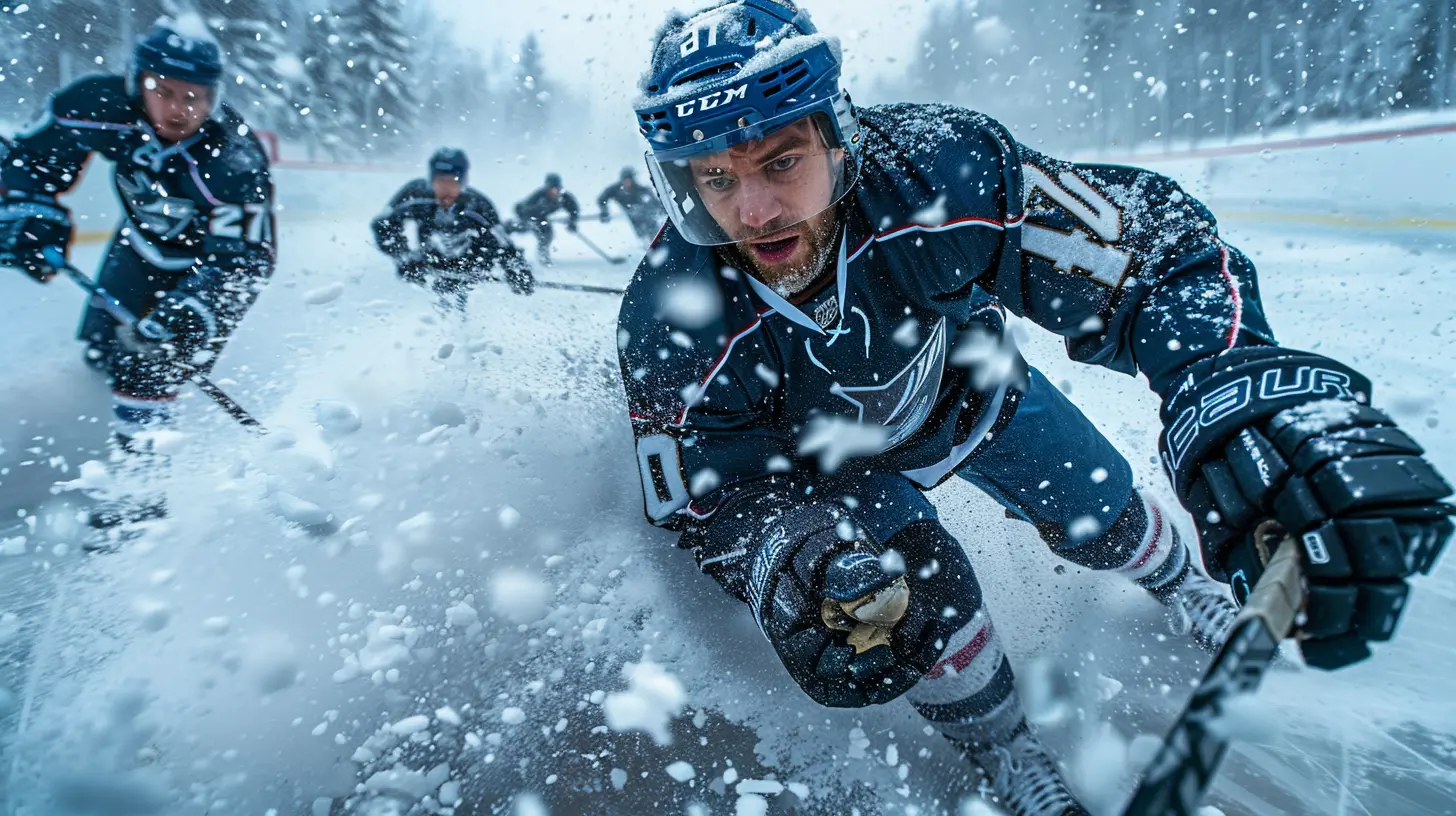
What Is a One-Timer Anyway?
Before we dive into how to perfect a one-timer, let’s make sure we’re on the same page. A one-timer is when a player takes a shot immediately off a pass—without stopping or settling the puck.Picture this: A teammate fires a crisp pass across the ice, and instead of trapping it or taking a second to aim, you wind up and hammer it home in one fluid motion. No time for the goalie to react. That’s the essence of a one-timer.
But here’s the thing—it’s not just raw power or speed. A good one-timer is like a well-choreographed dance between the passer and the shooter. Timing, technique, and trust all come into play.
Why the One-Timer Matters in Your Game
Let’s get real—hockey is a fast-paced, constantly changing game. You don’t always have time to handle the puck and set up your shot. That’s where the one-timer shines.1. Speed Kills (Especially Goalies)
Goalies are trained to read the shooter and react fast. But with a one-timer, you don’t give them a chance to square up. It’s the element of surprise—the puck’s already en route before they’ve even planted their feet. That split-second reaction time? Gone.2. Creates Scoring Opportunities
You’ll often see one-timers on the power play, especially during cross-ice passes. That’s because it opens up high-percentage scoring chances. A strong one-timer can force defenders and goalies to respect your shot, giving your team more room to operate.3. It’s a Game-Changer
Let’s be honest—there’s something intimidating about a player who can unload a rocket without hesitation. You become a threat, and that gets into the heads of the opposing team. Confidence skyrockets.
The Keys to a Perfect One-Timer
Alright, now that we know how important it is, let’s talk about how to actually pull it off. Like most good skills in hockey, it ain't just about brute strength. It takes finesse, repetition, and a solid grasp of the fundamentals.1. Footwork and Body Positioning
You can’t just stand still and expect to deliver a laser beam. Your feet and body need to be in the right place at the right time.- Stay balanced. Keep your knees bent, weight slightly forward.
- Open up. Turn your body slightly toward the passer so you're not reaching across your body. You want to step into the shot, not lean awkwardly.
- Be ready to pivot. The puck might not come exactly where you expect it. Be light on your feet and ready to adjust.
Think of it like baseball: you need to time your swing with the pitch. Same deal here—you’re syncing your movement with the puck’s arrival.
2. Stick Position and Grip
This might seem obvious, but you'd be surprised how many players choke up too much or hold their sticks like a garden hose.- Lower hand a bit lower than usual. This gives you better leverage and power.
- Blade open, not flat. You want to lift the puck, not bury it into the goalie’s pads.
- Keep the blade on the ice. You’re not swinging a golf club here—you need to meet the puck right as it arrives.
3. Timing Is Everything
Here’s where things get tricky. If you swing too early, you’ll miss or shank it. Too late, and you’re just tapping it around like it’s pond hockey.- Watch the passer, not the puck. Yes, really. Trust that the puck is coming.
- Start the motion as the pass is being made, not when it arrives. Anticipation is key here.
- Practice with different pass speeds and angles. Real games are messy. Be ready for chaos.
4. Follow Through for Power and Precision
Don’t just whack the puck and call it a day. A solid follow-through helps direct the shot and adds extra juice to it.- Point your stick where you want the puck to go.
- Follow-through should be smooth and controlled. If you're flailing, you’re doing it wrong.
Building Muscle Memory: Drills to Hone Your One-Timer
Let’s be honest—no one perfects the one-timer overnight. Like a good slap shot or a killer deke, it takes repetition.Here are some killer drills that’ll make you dangerous from anywhere on the ice:
Drill 1: Pass & Blast
Find a partner (or a coach with a passing machine) and position yourself in the slot or on the half-wall. Have them send 10-15 passes in a row from various angles.- Focus on timing and technique over speed.
- Alternate between forehand and backhand setups.
- Track your accuracy—hit the same target each time.
Drill 2: Moving One-Timers
Add a layer of complexity by skating into position before the pass.- Skate circles around the faceoff dot, then glide into the shooting lane.
- This simulates real game movement and improves puck tracking.
- Helps you stay balanced while moving.
Drill 3: Pass, Fake, Then Fire
Throw in a fake pass reception before shooting. This improves your hand-eye coordination and keeps defenders guessing.- Let the puck roll to your stick, fake a settle, then shoot in one motion.
- Great for adding deception to your game.
Bonus Drill: Stickhandling to One-Timer
Set up a short stickhandling drill—around pylons or cones—then feed the puck to a partner who passes it back for a one-time shot.- Helps simulate frantic in-game situations.
- Keeps your brain and body on the same page.
Common Mistakes to Avoid
Everyone messes up now and then. But if you’re constantly missing the net or fanning on shots, you might be making one of these errors:❌ Reaching for the puck
If you’re stretching out too far, you lose power and control. Adjust your position instead of your stick.❌ Swinging too hard
More isn’t always better. Controlled, fluid motions generate more consistent shots than all-out hacks.❌ Poor communication with your passer
This is a team move. Talk it out with your linemates. Eye contact, stick taps, and body language go a long way.Advanced Tips for Game Situations
Once you’ve nailed the basics, try sprinkling in these pro-style techniques:✅ One-Timers Off the Back Foot
Takes serious skill, but gives you a deceptive release. Great for catching defenders off guard.✅ No-Look One-Timers
Sounds flashy, but the real value is in freezing the goalie. Just keep practicing until it feels natural.✅ Using Screens and Deflections
Aim low for tip-ins or shoot through traffic. Even if it doesn’t go straight in, it can create chaos in front of the net.Mental Side of the One-Timer
Hockey’s not just physical—it’s mental too. You’ve gotta want the puck. Confidence is huge here. Don’t second-guess yourself. The more you hesitate, the more likely you are to botch it.Stay loose. Trust your training. And when that pass comes—let it rip.
Wrapping It Up
There you have it—the art of the one-timer isn’t just about unleashing a slapshot from the faceoff circle. It’s a combination of balance, timing, communication, and mindset. Get those elements working together, and you’ll be lighting the lamp more than ever.So grab your stick, find a buddy, and get to work. Practice like crazy, tweak your form, push yourself in drills, and before long, goalies will be dreading the sight of you winding up.
Remember—the best one-timers are the ones that look effortless. And with enough reps, yours will too.
all images in this post were generated using AI tools
Category:
HockeyAuthor:

Umberto Flores
Discussion
rate this article
2 comments
Kairo Sharpe
Great insights on mastering the one-timer! Excited to apply these tips and elevate my game. Thanks for sharing your expertise!
February 15, 2026 at 1:06 PM
Umberto Flores
Thank you! I’m glad you found the tips helpful. Good luck with your practice!
Annette Reese
Ah, the one-timer — the ultimate flex in sports! Mastering this skill isn’t just about technique; it’s about style and swagger. Nail it, and you’re a legend. Fumble it, and you’re just another player on the ice. Time to put in the work and show off that finesse!
January 5, 2026 at 7:55 PM
Umberto Flores
Absolutely! The one-timer is a game-changer; mastering it not only elevates your play but also adds flair to your style. Let's dive into the techniques that will make you a legend on the ice!