The Best Recovery Tools for Athletes to Avoid Injuries
15 March 2026
Being an athlete is all about pushing your body to its limits, but the real magic happens after the workout. That’s when your muscles repair, rebuild, and get stronger. However, if you don’t give your body the tools and time to recover properly, you're setting yourself up for injuries—and trust me, you don’t want that. Whether you’re a weekend warrior or a professional athlete, recovery is just as important as the workout itself. In this article, we’ll dive into the best recovery tools for athletes to avoid injuries, helping you stay in the game longer and perform at your peak.

Why Recovery Matters in Sports
Before we jump into the tools, let’s talk about why recovery is so crucial. When you exercise, you’re essentially breaking down your muscles. It’s during recovery that these muscles heal and grow stronger. Skipping this phase or not doing it properly is like trying to run on a flat tire—it’s only a matter of time before something breaks.Recovery isn’t just about preventing injuries; it also improves your overall performance. If you’re always sore or fatigued, your muscles won’t work efficiently, and your performance will take a hit. By giving your body the right tools to recover, you’re setting yourself up for better long-term results.
So, how can you recover better? Let’s get into it.

1. Foam Rollers: The DIY Deep Tissue Massage
What is it?
Foam rollers are cylindrical tools made of dense foam. They come in various sizes, textures, and firmness levels, but the goal is the same—to perform self-myofascial release (SMR), which is a fancy term for self-massage.How does it work?
Using a foam roller helps break up the tight knots in your muscles (also called trigger points) and improves blood flow to the area. This increased circulation helps reduce soreness and speeds up the recovery process. Think of it as a deep tissue massage you can do yourself without the hefty price tag.How to use it?
- Start by placing the foam roller under the muscle group you want to target.- Gently roll back and forth, using your body weight to apply pressure.
- Focus on the sore spots, but don’t overdo it—if it feels like a 10/10 on the pain scale, ease up.
Why athletes love foam rollers:
Foam rollers are versatile, affordable, and effective. They’re particularly great for larger muscle groups like the quads, hamstrings, and calves. Plus, they’re portable, so you can take them with you to the gym or even use them at home while watching Netflix.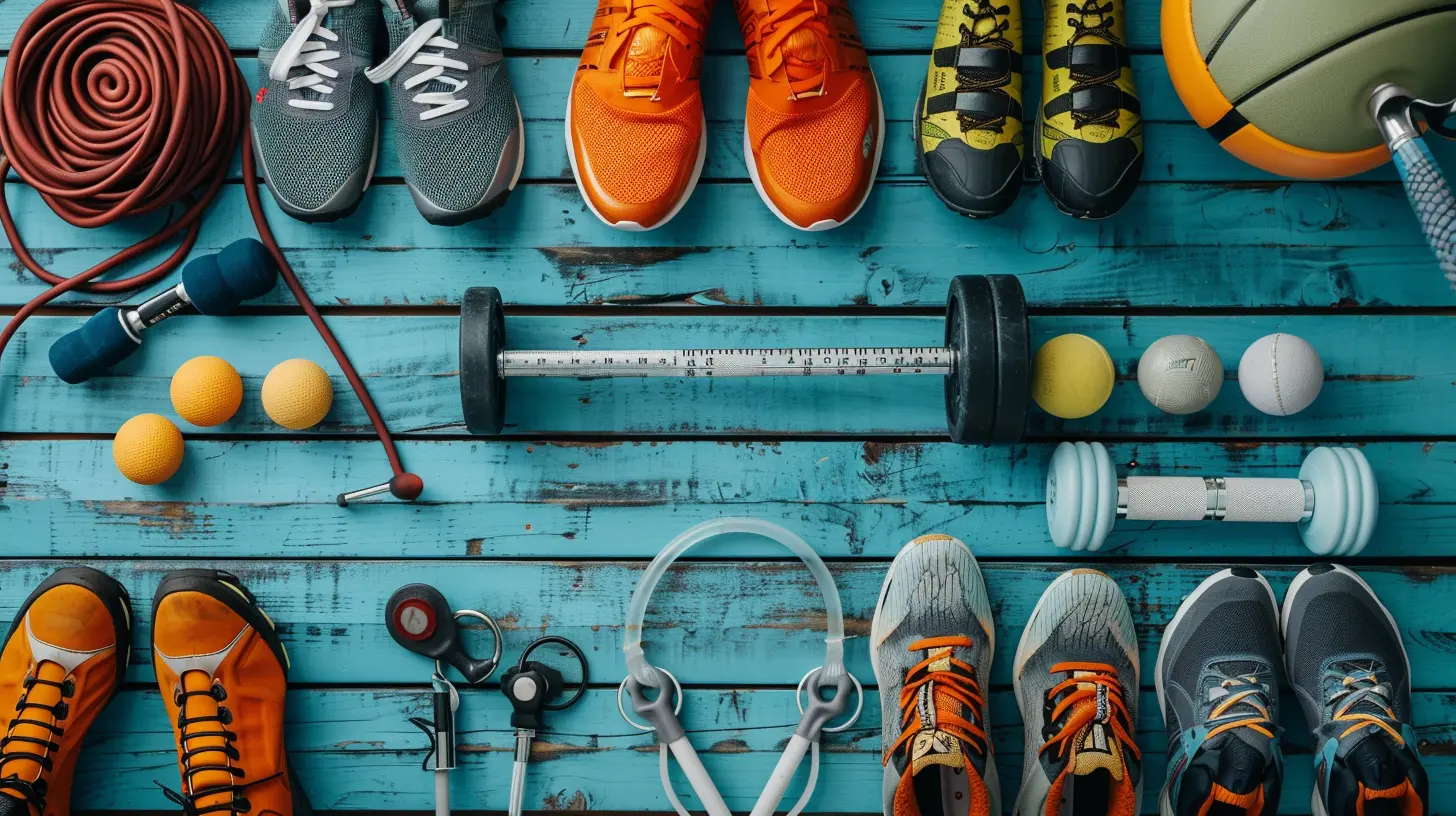
2. Massage Guns: The Power Tool for Muscle Soreness
What is it?
Massage guns, like the popular Theragun or Hypervolt, are handheld devices that use percussive therapy to relieve muscle soreness. They look like power drills, but instead of driving screws, they drive away muscle tension.How does it work?
The massage gun rapidly pulses into your muscles, providing deep tissue massage through percussive movements. This helps reduce muscle stiffness, improves blood flow, and speeds up recovery. It’s like having a personal massage therapist in your gym bag.How to use it?
- Turn on the device and choose the appropriate attachment for the muscle group you want to target.- Gently press the gun against the muscle and let it do the work.
- Move the gun slowly across the muscle, spending extra time on sore spots.
Why athletes love massage guns:
Massage guns are quick, effective, and easy to use. They help release tight muscles in minutes, making them perfect for post-workout recovery or even warming up before a tough workout. While they’re pricier than foam rollers, many athletes find them worth the investment for their convenience and effectiveness.
3. Compression Gear: Squeeze the Soreness Away
What is it?
Compression gear, such as sleeves, socks, or full leggings, is designed to tightly hug your muscles, improving circulation and reducing swelling.How does it work?
The tight fit of compression gear applies consistent pressure to the muscles, which helps to improve blood flow and reduce the buildup of lactic acid (the stuff that makes your muscles sore). This increased circulation helps flush out toxins and brings fresh oxygen to your muscles, speeding up recovery.How to use it?
Simply wear compression gear on the muscle group you want to target after a workout or even during exercise. Some athletes prefer to wear them during sleep as well for ongoing recovery.Why athletes love compression gear:
Compression gear is easy to wear, and you can use it passively while going about your day. It’s especially useful for long-distance runners, cyclists, and anyone who deals with chronic muscle soreness.4. Ice Baths and Cryotherapy: Freeze the Pain Away
What is it?
Ice baths and cryotherapy are recovery techniques that use extremely cold temperatures to reduce inflammation and speed up recovery. An ice bath is exactly what it sounds like—sitting in a tub filled with ice water. Cryotherapy, on the other hand, involves stepping into a chamber filled with liquid nitrogen, which cools the air around you to sub-zero temperatures.How does it work?
Cold therapy constricts blood vessels, reducing blood flow to the muscles and decreasing inflammation. Once you warm back up, your blood vessels dilate, bringing fresh oxygen and nutrients to the muscles, which helps with recovery.How to use it?
- For an ice bath, fill a tub with cold water and ice cubes, then submerge your body for 10-15 minutes.- For cryotherapy, head to a specialized clinic where you’ll step into a cryo chamber for around 2-3 minutes of sub-zero temperatures.
Why athletes love cold therapy:
While sitting in freezing water sounds like torture, the benefits make it worth it. Ice baths and cryotherapy can dramatically reduce muscle soreness and help you recover faster after intense workouts or competitions. Athletes in high-impact sports like football, basketball, and CrossFit swear by them.5. Stretching and Mobility Tools: Stay Flexible, Stay Injury-Free
What is it?
Stretching tools like resistance bands, yoga straps, and even massage balls are designed to help improve your flexibility and mobility. Flexibility plays a huge role in injury prevention because tight muscles are more prone to strains and pulls.How does it work?
Stretching tools help you get a deeper, more concentrated stretch, which improves your range of motion and keeps your muscles flexible. By using these tools, you can target hard-to-reach areas and ensure that all your muscles are getting the attention they need.How to use it?
- Use a resistance band to assist in stretching your hamstrings, quads, or shoulders.- A massage ball can be used to target smaller areas like your feet or lower back.
- Stretch for at least 10-15 minutes after every workout to maintain flexibility.
Why athletes love stretching tools:
Stretching tools are simple, affordable, and effective. They help improve flexibility, which is essential for avoiding injuries. Plus, they’re portable, so you can easily bring them to the gym or use them at home.6. Epsom Salt Baths: Soak Your Soreness Away
What is it?
An Epsom salt bath involves soaking in warm water with dissolved Epsom salts (magnesium sulfate). This old-school recovery method is still popular among athletes for its soothing effects on sore muscles.How does it work?
Magnesium is a natural muscle relaxant, and soaking in an Epsom salt bath helps your muscles absorb magnesium, reducing cramping and soreness. The warm water also helps improve circulation and relaxes tense muscles.How to use it?
- Fill your bathtub with warm water and add about 2 cups of Epsom salts.- Soak for 15-20 minutes, allowing your muscles to relax and absorb the magnesium.
Why athletes love Epsom salt baths:
It’s a simple and relaxing way to unwind after a tough workout. The combination of warm water and magnesium helps soothe sore muscles, making it perfect for recovery after long runs, heavy lifting, or intense sports.7. Sleep: The Ultimate Recovery Tool
What is it?
Okay, I know this isn’t exactly a tool in the conventional sense, but hear me out—sleep is the most important recovery tool out there. No amount of foam rolling or cryotherapy can replace the benefits of a good night’s sleep.How does it work?
During deep sleep, your body goes into repair mode. Growth hormones are released, muscle tissues are repaired, and your brain processes the day’s events. Skimping on sleep can lead to chronic fatigue, slower recovery times, and a higher risk of injury.How to use it?
- Aim for at least 7-9 hours of quality sleep every night.- Create a consistent bedtime routine to help your body wind down.
- Make your bedroom a sleep-friendly environment—cool, quiet, and dark.
Why athletes love sleep:
It’s free, easy, and arguably the most effective way to recover. Prioritizing sleep can make a huge difference in your performance, mood, and overall health. If you want to avoid injuries and perform at your best, you can’t afford to skimp on sleep.Conclusion
Recovery isn’t just about taking a rest day here and there; it’s about actively giving your body what it needs to repair and rebuild. From foam rollers to massage guns, compression gear to ice baths, and even good old-fashioned sleep, there’s no shortage of tools to help you recover faster and stay injury-free.If you’re serious about your athletic performance, you need to be just as serious about your recovery. Incorporate these tools into your routine, and you’ll not only feel better, but you’ll also perform better—and who doesn’t want that?
all images in this post were generated using AI tools
Category:
Injury PreventionAuthor:

Umberto Flores
Discussion
rate this article
2 comments
Elijah McGehee
Recovery tools: like a cozy burrito for your muscles! From foam rollers to ice baths, these gadgets are the unsung heroes of the athlete world. Remember: a happy muscle is a less grumpy muscle. Grab your gear and roll into recovery bliss!
April 7, 2026 at 12:51 PM
Umberto Flores
Absolutely! Recovery tools are essential for keeping muscles happy and injury-free. Embrace the burrito effect for optimal recovery!
Juno Davis
Recovery tools? More like essential survival kits! If you're not using these, are you even serious about your game? Step it up, champs!
March 17, 2026 at 3:32 AM
Umberto Flores
Absolutely! Recovery tools are key for any serious athlete. Staying on top of your recovery is just as important as training.