The Challenges of Managing Club Teams in the Age of Superstars
11 July 2026
In today’s football (or soccer, depending on where you’re from), managing a club team isn’t just about tactics, formations, or fitness levels. It's a balancing act—part psychologist, part negotiator, part media manager, and yes, still part coach. As the game evolves, so too does the challenge of managing egos, expectations, and headlines. Welcome to the age of superstars, where every locker room could double as a room full of celebrities.
Let’s be honest—this isn’t Sir Alex Ferguson’s Manchester United anymore. This is a new era, and the rules of management have changed. Completely.

The Superstar Era: What’s Changed?
Gone are the days when players simply listened to whatever the manager said. Today, footballers are more than athletes; they are global brands. Cristiano Ronaldo, Lionel Messi, Neymar, Kylian Mbappé—these are not just players. They're marketing machines, social media moguls, and the faces of million-dollar endorsements.Back in the day, the manager was the boss, the absolute authority. Now? Sometimes, it feels like the players hold more sway than the guy in the technical area. And that’s the root of the challenge.
The Power Shift
Let’s make one thing clear: the modern-day football manager isn’t just competing against other clubs. They are also competing for control within their own dressing room. Power dynamics between player and coach have shifted dramatically.Many of today’s top players are global icons before they turn 25. They have millions of followers, huge sponsors, and often, a stronger public image than their coach. This creates a tricky scenario. Imagine trying to bench a player with 100 million Instagram followers who sells more shirts than your entire team combined. Sounds tough, right?
That’s the reality modern managers face.
Social Media: The Double-Edged Sword
Social media has completely transformed the game—not only for fans but for players and coaches too. Back in the '90s, if a player was benched, maybe he grumbled about it to his agent or a close friend. Now? One ambiguous Instagram story and boom—there’s a media storm. Headlines flood in, fans speculate, agents tweet cryptic emojis, and suddenly, the coach has a PR nightmare.Managers today need to think like brand managers. Every decision—who starts, who sits, who gets subbed—has implications beyond the pitch.
The Ego Equation: Managing Personalities
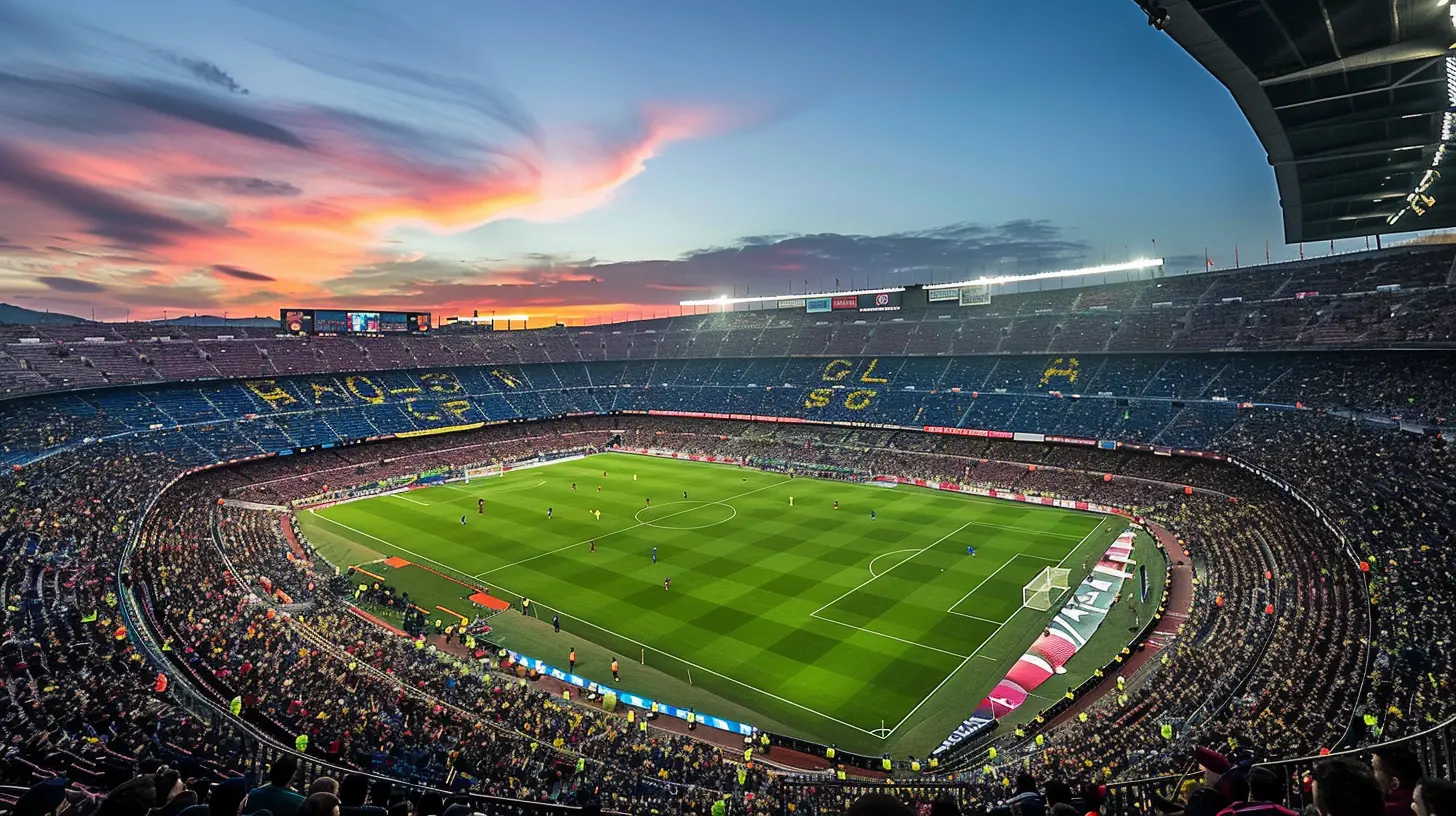
Now let’s talk egos. You ever tried keeping 25 millionaires happy at the same time? Managing that many big personalities under one roof is harder than herding cats—except these cats are on magazine covers and have entourages.The Dressing Room Dynamic
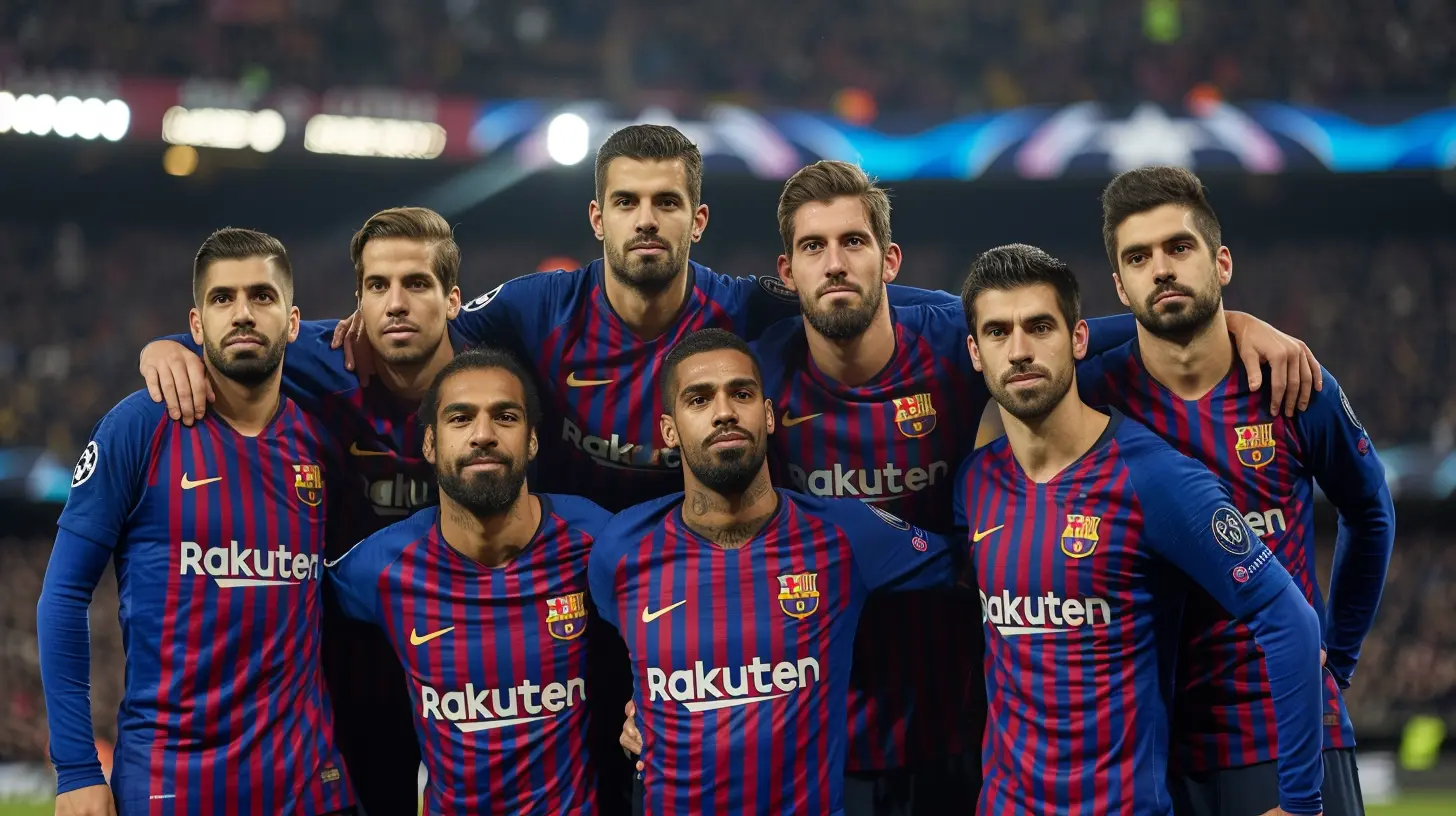
Superstars want to win, but they also want to shine. They want goals, assists, trophies—and individual accolades. Why shouldn’t they? After all, their careers are short, and their market value depends heavily on their performances.But when a club is packed with stars, it’s like putting too many alpha dogs in one pack. Someone ends up feeling left out. Maybe it’s the forward who doesn’t get enough touches, or the midfielder overshadowed by a YouTube highlight reel.
The manager’s job? Keep everyone hungry but united. It’s like being a chef with the highest-quality ingredients but still needing the perfect recipe to make it work.
Case Study: PSG's Galácticos Experiment
Take Paris Saint-Germain (PSG) for example. With Messi, Neymar, and Mbappé on the same team, you’d think success would be inevitable. But it wasn’t. Why? Too many cooks in the kitchen. Too many egos to manage. Too much public pressure. One missed penalty and headlines explode.A manager in that situation walks a tightrope every single day.
Delegation vs. Domination: The Coaching Style Debate
Should a manager assert dominance or delegate and empower? That’s the million-dollar question.Modern coaches walk a fine line. Go too harsh, and you risk turning the dressing room against you (just ask José Mourinho during his late-stage stints). Be too soft, and you become a pushover—players start calling the shots.
Finding the Balance
Successful managers today are usually incredible communicators. Look at Pep Guardiola. He understands his stars, keeps them aligned with the club’s philosophy, and still maintains authority. It’s not just about tactics; it’s about connection.Then there’s Carlo Ancelotti, the ultimate “player’s coach.” Charismatic, calm, and always respected. He doesn’t shout or scream. He listens. Think of him as the wise uncle who knows exactly what to say and when.

Media Pressure: The Invisible Opponent
Let’s not forget the media. They’re always watching. Always analyzing. And in the age of 24/7 coverage, no moment goes unnoticed.If a manager drops a player, it becomes a story. If a player rolls his eyes during a substitution? Another story. Even a training ground smile—or lack of it—can become fuel for speculation.
The pressure is immense, and sometimes it feels like managers are managing public perception more than the team itself.
Public Vs. Private Persona
Coaches often have to develop two personalities—one for the cameras and one behind closed doors. They need to be diplomatic in interviews but brutally honest with players. That duality? It's exhausting.And yet, it’s part of the job now.
The Role of Agents and Entourages
Superstars don’t operate alone. They have agents, PR reps, personal trainers, friends, and family who all weigh in on decisions. Sometimes, a manager isn’t just dealing with a player—they’re dealing with an entire ecosystem of opinions.This makes player management complicated. A decision that makes sense for the team could upset a player’s “brand strategy” or contract negotiations. The modern manager has to navigate these off-field issues just as carefully as the on-field ones.
Youth Development vs. Star Power
Here’s another tension: How do you develop young talent when your squad is overflowing with stars?Giving a teenage academy player minutes might be great for the long-term health of the club, but it doesn’t help you win this weekend's title-deciding clash. With fans, sponsors, and board members breathing down your neck, it’s tempting to go all-in on the big names.
But over-relying on superstars has downsides—like stagnating your pipeline or losing promising talents to rival clubs.
Clubs like FC Barcelona are still trying to figure out that balance between academy roots and global ambitions. And every manager is caught in the middle.
Handling Setbacks and Criticism
When things go wrong—and they inevitably do—it’s the manager who faces the music. Even if a superstar misses a penalty, it’s the coach who has to answer in the post-match interview.Managing in this era requires thick skin. Fans are more reactionary than ever. One poor performance, and #SackYourNameHere starts trending on Twitter. Superstars are rarely scrutinized with the same intensity as coaches. Why? Because they hold more public goodwill, more fame, and let’s be real—flashier highlight reels.
The Blame Game
It’s a cruel reality, but when the team underperforms, managers are the first to fall. Even if the problem stems from a clash of egos or off-pitch distractions, the boardroom usually sides with the star. Firing one coach is easier than selling a global icon, after all.
Conclusion: Adapt or Get Left Behind
Managing club teams in the age of superstars is not for the faint of heart. It’s a constant juggling act of maintaining authority, nurturing chemistry, managing media scrutiny, and satisfying marketing departments—all while trying to win matches.So what’s the key to success? Adaptability. Emotional intelligence. Crystal-clear communication. And above all, understanding that you're no longer just the boss—you’re the conductor of a very complicated orchestra.
In this superstar era, only the managers who evolve with the game will stand the test of time. And isn’t that the beautiful challenge of football?
all images in this post were generated using AI tools
Category:
Club TeamsAuthor:

Umberto Flores
Discussion
rate this article
1 comments
Blade Franco
Managing club teams today is no easy task. With superstars often overshadowing team dynamics, coaches must balance egos while fostering collaboration. It's a tightrope walk between star talent and collective success. Those who master this challenge will lead their teams to greater heights.
July 14, 2026 at 4:34 AM
Umberto Flores
You're absolutely right. Balancing individual talent with team cohesion is crucial for success. It's a delicate challenge, but essential for achieving collective goals.