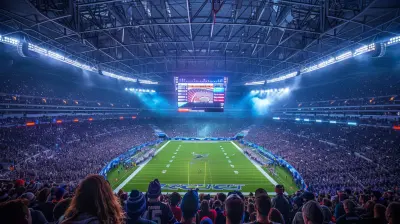
The Globalization of Club Teams: Expanding Reach Beyond Borders
25 October 2026
When you think about club teams, your mind probably jumps to local rivalries, die-hard fans, and intense competitions. But in recent years, something interesting has been happening. Club sports teams, whether football, basketball, or even rugby, are no longer just a local or national obsession. They’re going global, and in a big way. The boundaries that once limited fandom to specific regions or countries are slowly but surely being shattered.
Today, you can find a Manchester United jersey in the streets of Tokyo, or watch people in New York City talking about the latest Real Madrid game. But how did we get here? How did club teams, traditionally rooted in their local communities, expand their reach and influence across borders, oceans, and even continents? Let’s dive into it.
A Journey Beyond the Stadium
For decades, club teams were closely tied to the cities or regions where they were founded. Fans showed up on match day, cheered in the stands, and maybe collected a scarf or jersey as memorabilia. But outside of that, the influence of most clubs rarely extended beyond their immediate locality.However, as technology advanced and the world became more connected, this traditional model of fandom began to shift. The first big change? Television. Suddenly, matches that were once only accessible to those near the stadium were now being broadcast across the country, and soon enough, across the world.
But television was just the beginning. The internet supercharged this movement, making club teams a global phenomenon. Now, fans from any corner of the world could not only watch games live but also engage with the team on social media, buy merchandise online, and even participate in fan clubs without ever setting foot in the home city of the team.

The Power of Branding
Let's face it: sports club teams aren’t just about the game anymore. They’ve evolved into global brands. And like any big brand — think Coca-Cola or Nike — these teams are all about expanding their global footprint. Why settle for being the biggest team in your country when you can dominate the world?Take Barcelona or Manchester City. These clubs have mastered the art of branding. Their logos, colors, and slogans are instantly recognizable, not just by hardcore fans but by casual observers too. They’ve partnered with international sponsors, launched global marketing campaigns, and even established academies in countries far from home. This branding power is no accident. It’s part of a deliberate strategy to turn these clubs into worldwide icons, appealing to a diverse and international audience.
But why is this so important? Well, in today’s sports economy, it’s not just about the match day ticket sales anymore. Teams make vast amounts of money through merchandise, sponsorships, and broadcasting rights. And the bigger their global fan base, the more lucrative these deals become. It’s no longer just about winning trophies; it’s about building a global empire.

Social Media: The Game Changer
If we’re talking about globalization, we can’t ignore the role of social media. Simply put, social media has completely transformed how club teams interact with their fans. Gone are the days when fans had to wait for the next day’s newspaper to read about the match or check out the latest team news. Now, everything is at your fingertips, 24/7.Platforms like Twitter, Instagram, and TikTok have allowed clubs to reach new audiences in ways that were unthinkable just a decade ago. A fan in India can tweet directly at their favorite player, or a supporter in Brazil can watch behind-the-scenes footage of their team’s training session in real-time. Social media has made it so that the distance between the club and the fan is practically non-existent.
And it’s not just about connecting with existing fans. Clubs are using social media to actively recruit new fans from all over the world. They’re translating their content into multiple languages, engaging with local trends, and even creating region-specific accounts to cater to different cultures and time zones. It’s all part of a grand strategy to make sure that no matter where you are, you can feel like you’re part of the club.
International Tours and Preseason Matches
Another key part of the globalization puzzle is preseason tours and friendly matches in foreign countries. Every summer, you’ll see top teams from Europe and other parts of the world jetting off to the United States, Asia, or the Middle East to play exhibition games. But these trips aren’t just about getting in some extra practice before the season starts. They’re about expanding the club’s global fan base.These tours allow clubs to engage with fans who might never get the chance to see them play in person otherwise. It’s a way of giving back to their international audience while also drumming up excitement and selling more merchandise. And let’s be honest, it’s also about making money. These friendly matches often bring in big sponsorship deals and attract massive crowds, generating significant revenue for the clubs involved.
But beyond the financial benefits, these tours help to build long-lasting relationships with fans in far-off places. It fosters a sense of connection, as fans in China or the U.S. feel like their support is valued and appreciated, even from thousands of miles away.
The Rise of International Fan Clubs
It’s one thing to watch your favorite team from afar, but it’s another thing to connect with fellow fans in your country or city. That’s where international fan clubs come in. These groups are popping up all over the world, bringing together fans who share a love for a particular team, even if they’ve never been to the team’s home stadium.Clubs are now actively supporting and encouraging the creation of international fan clubs. They provide these groups with official merchandise, exclusive content, and even opportunities to attend matches or meet players. These fan clubs serve as ambassadors for the team in their local regions, helping to spread the club’s influence even further.
For fans, these clubs offer a sense of community. It’s no longer about watching the game alone in your living room. Now, you can meet up with fellow supporters at a local pub, organize watch parties, or even travel together to see the team play live. It’s about feeling like you’re part of something bigger – a global fan base that transcends borders.
The Impact of Player Transfers
Another significant factor in the globalization of club teams is the movement of players between countries. Today, it’s not uncommon to see players from all corners of the globe playing for clubs in Europe, the U.S., or even Asia. These transfers help to bridge the gap between fans and teams from different cultures.Take the example of Japanese superstar Shinji Kagawa, who played for Borussia Dortmund and Manchester United. When Kagawa moved to Europe, he brought with him a massive fan base from Japan. Suddenly, those Japanese fans had a direct connection to two of the biggest clubs in the world. The same can be said for players like Son Heung-min, who has become a global icon, attracting millions of fans to Tottenham Hotspur from South Korea and beyond.
These player transfers are more than just a way to improve a team’s performance on the field. They’re also a way to tap into new markets and grow the club’s global fan base. Players become ambassadors for their teams, helping to raise the club’s profile in their home countries and beyond.
Challenges of Globalization
Of course, the globalization of club teams isn’t without its challenges. One of the biggest issues is the potential alienation of local fans. As clubs focus more and more on their global audience, some local supporters feel like they’re being left behind. They worry that the club is more interested in selling jerseys in Shanghai or New York than in maintaining the traditions and values that made the club special in the first place.There’s also the issue of commercialization. As clubs become more global, they’re often forced to make decisions based on what’s best for their brand rather than what’s best for their fans or the sport itself. This can lead to controversial decisions, like moving matches to different countries or prioritizing global sponsors over local businesses.
And let’s not forget about the logistical challenges. Expanding a club’s reach globally requires a significant investment in infrastructure, marketing, and personnel. It’s not as simple as just setting up a Twitter account in a new language. Clubs must be strategic in how they approach new markets, ensuring that they’re able to engage with fans in meaningful and authentic ways.
The Future of Global Club Teams
So, where do we go from here? The globalization of club teams shows no signs of slowing down. In fact, it’s likely that we’ll see even more clubs focusing on expanding their reach beyond borders in the coming years.With advancements in technology like virtual reality and augmented reality, fans may soon be able to experience matches in entirely new ways, no matter where they are in the world. And as teams continue to develop their digital strategies, we can expect even more innovative ways for fans to engage with their favorite clubs.
But while globalization offers exciting opportunities, it’s important for clubs to strike a balance. At the end of the day, sports are about passion, community, and tradition. As clubs expand their reach globally, they must ensure that they’re not losing sight of what made them special in the first place.
In the end, the globalization of club teams is a complex and evolving phenomenon. It’s changing the way we experience and engage with sports, breaking down barriers, and bringing fans together from all corners of the globe. And while there are challenges, one thing is clear: the world of club sports will never be the same again.
all images in this post were generated using AI tools
Category:
Club TeamsAuthor:

Umberto Flores