The Impact of Alcohol on Athletic Recovery and Performance
19 January 2026
Let’s be real for a minute—beer after a long game or a glass of wine after a hard workout can feel like a well-deserved reward. But here’s the thing: what we enjoy in the moment might actually be sabotaging all that hard work we just put in. Yep, we’re talking about alcohol and its not-so-glamorous impact on athletic recovery and performance.
Whether you’re a weekend warrior, a seasoned marathoner, or somewhere in between, you’ve probably wondered if those post-game drinks are worth it. So, let’s break it down. What does alcohol really do to your body, especially when you're pushing it to its limits?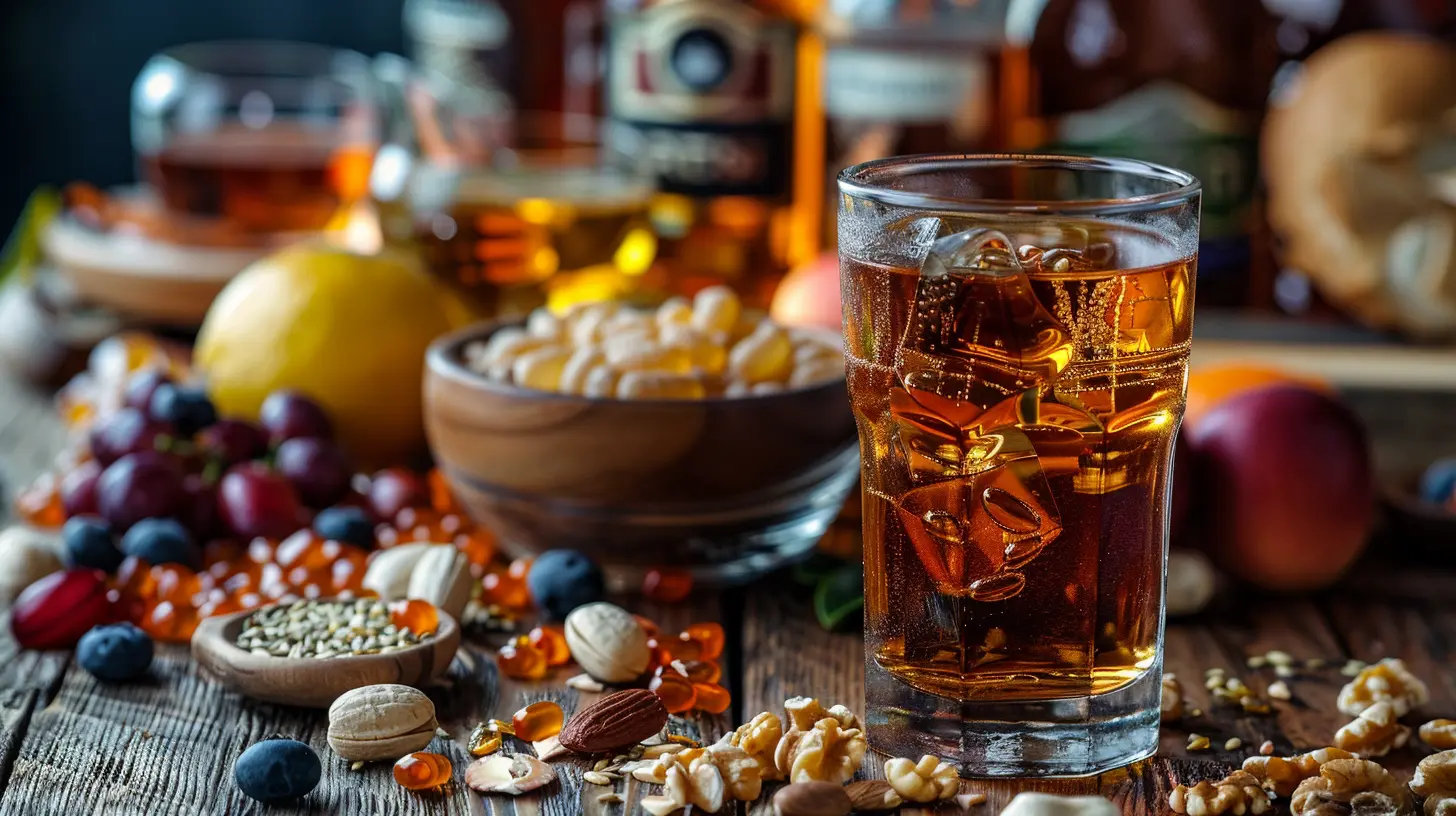
What Happens When You Drink After Exercise?
You just crushed your workout. Muscles are sore, you're dripping in sweat, and you feel like a beast. Then you grab a cold brew. But here’s the kicker—your body is in recovery mode, and alcohol is basically the party crasher it didn’t invite.Alcohol and Muscle Recovery: A Bad Mix
Recovery is when your muscles grow and get stronger. It’s when your body repairs the tiny tears in muscle fibers caused by intense workouts. Alcohol, unfortunately, messes with that whole process.Alcohol impacts protein synthesis, a critical part of muscle repair. Studies show that drinking alcohol after a workout can reduce the rate at which your muscles build new protein. Think of it like trying to build a house while someone keeps stealing your bricks—not exactly efficient.
Delayed Rehydration
Ever wake up after a few drinks feeling like you just walked through the Sahara? That’s because alcohol is a diuretic—it pushes fluids out of your body. Combine that with fluid loss from sweating during your workout, and you're looking at serious dehydration. And guess what? Dehydration slows recovery and increases the risk of cramping, fatigue, and injury.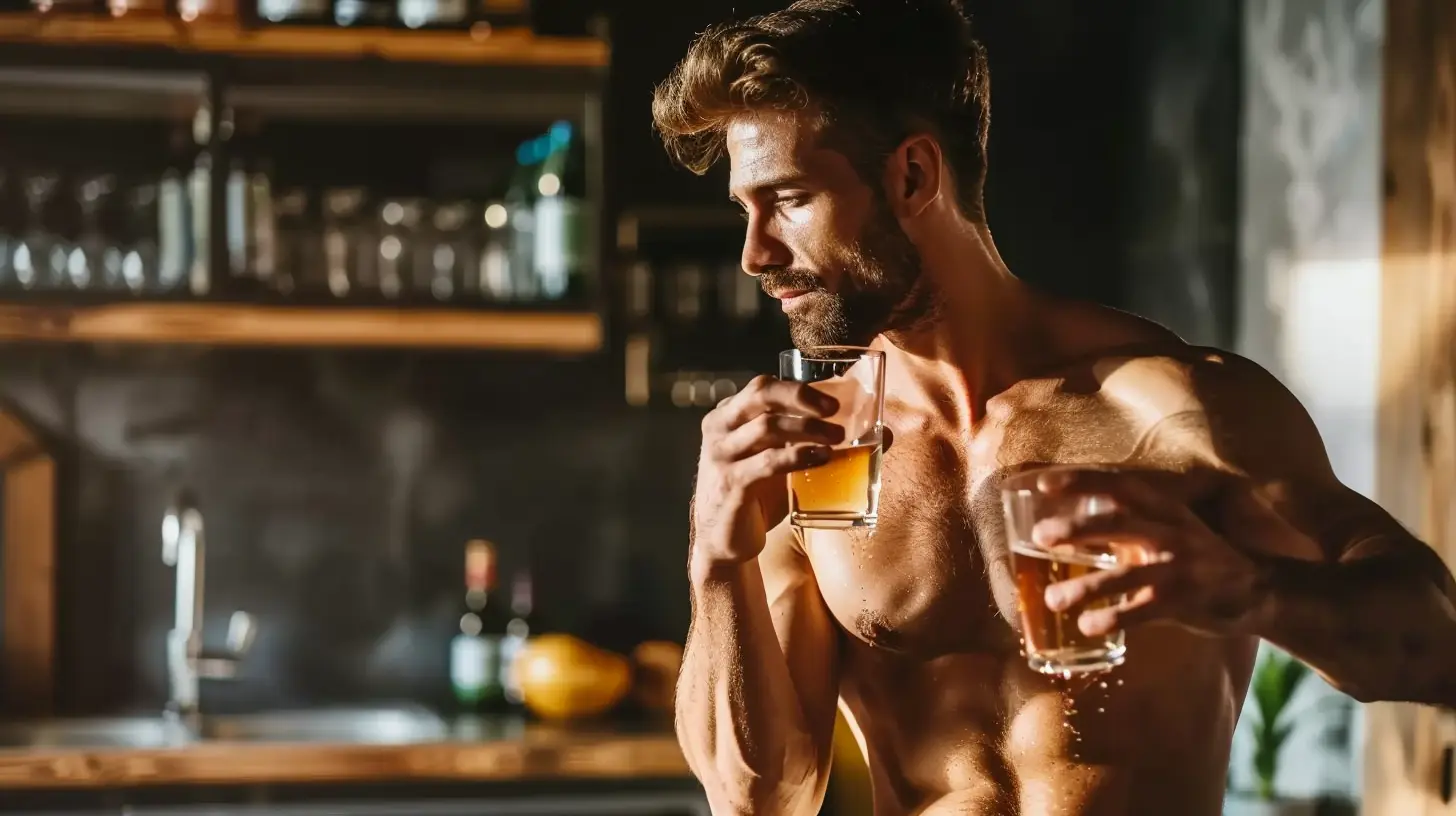
How Alcohol Slows Down Athletic Performance
Now let’s zoom out a bit. What if you’ve got a game or competition coming up? How does alcohol mess with your actual performance?Coordination and Reaction Time Take a Hit
Even small amounts of alcohol can mess with your central nervous system. That’s your body’s control panel for movement, balance, and reaction time. You know that split-second timing that’s the difference between making the shot or missing it? Alcohol dulls that edge.Drinking the night before a game—even if you're not still drunk—can still affect your reflexes, reduce focus, and impair cognitive function. Not exactly the mindset you'd want going into a high-stakes game.
Poor Sleep = Poor Performance
Alcohol might help you fall asleep faster, but it messes with your sleep quality. It disrupts REM sleep—the deep, restorative stage your body craves for optimal recovery. Without REM sleep, you wake up groggy, your muscles don’t fully recover, and you’re more likely to underperform.So, if you're showing up to the gym half-asleep and wondering why your lifts suck or your endurance is nonexistent, last night’s drinks might be the culprit.
How Alcohol Affects Strength and Endurance
Let’s get into the nitty-gritty—how does alcohol directly impact your physical capabilities?Strength Training Takes a Hit
When it comes to lifting heavy or building muscle, alcohol is the ultimate buzzkill. It lowers testosterone levels—yes, even in women, testosterone matters for gains. And it raises cortisol, the stress hormone that breaks down muscle tissue. That’s a double whammy you definitely don’t want.So if you’re wondering why your squat max hasn’t gone up in weeks or why you feel weaker, chronic alcohol consumption could be one of the needle-movers.
Cardiovascular Endurance Suffers Too
Running, swimming, cycling—whatever your form of cardio is, endurance matters. Alcohol won’t just slow you down during the session; it can also reduce your VO₂ max, which is your body’s ability to use oxygen efficiently. Less oxygen = less energy = you running out of gas faster.
Effects of Alcohol on Injury Risk and Healing
An injured athlete is a sidelined athlete—and alcohol makes injuries worse in more ways than one.Higher Risk of Getting Injured
Alcohol impairs your motor skills, coordination, and judgment. Combine that with physically demanding activity, and you’ve got a recipe for pulled muscles, rolled ankles, or worse.Slower Recovery From Injuries
Already injured? Alcohol delays healing by increasing inflammation and messing with the body’s ability to synthesize collagen—a key player in tissue repair. If you’ve got a strain, sprain, or full-blown tear, alcohol will only drag out your rehab.Mental and Emotional Toll of Drinking on Athletes
Let’s not forget the head game. Being an athlete isn’t just physical—it’s mental. Alcohol can mess with that too.Mood and Motivation Take a Dip
Alcohol is a depressant. It might give you a boost of confidence after the first drink, but over time, it can lower your mood, increase anxiety, and zap your motivation. Ever notice how hard it is to get to the gym the day after a night out? That mental fog is real.Loss of Focus and Discipline
Athletes thrive on routine, discipline, and focus. Alcohol erodes all of that. It shifts priorities, disrupts sleep, and makes it easier to skip workouts, eat poorly, or give less than 100% during training. One off-day becomes two, and before you know it, you're off track.When Is Alcohol "Okay" for Athletes?
Alright, not trying to rain on your parade entirely. The goal isn’t to demonize alcohol but to understand how it fits—or doesn’t—into a performance-driven lifestyle.Timing Matters
Having a drink days before a competition? Probably no big deal. Having one right after a brutal leg day? Not the best idea.If you’re going to indulge, give your body time to recover first. Hydrate, eat a solid meal, and wait until the next day before reaching for that celebratory drink.
Quantity Counts
Moderation is key. One glass of wine or a light beer once in a while won’t tank your season. But binge drinking? That’s where the wheels start to fall off.Stick to one or two drinks, max. Ideally, plan them around rest days or light training sessions when your body isn’t in desperate need of recovery.
Choose "Better" Options
Not all drinks are created equal. Cocktails loaded with sugar and mixers can spike insulin and add unnecessary calories. If you’re going to drink, opt for simpler choices like red wine or clear spirits with low-cal mixers.Tips to Minimize Alcohol’s Impact on Performance
If you’re not ready to go dry but want to stay on top of your game, try these strategies:- Hydrate like a champ. For every alcoholic drink, down a glass of water.
- Eat before drinking. Food slows alcohol absorption and helps stabilize blood sugar.
- Stick to rest days. Save your social drinking for days when you’re not training hard.
- Sleep it off. Try to get 7–9 hours even if you had a drink. It's not perfect, but sleep helps.
- Listen to your body. If you feel sluggish after drinking, don’t push a tough workout.
Final Thoughts: Is It Worth It?
Here’s the bottom line—alcohol and athletic performance just don’t mix well. Sure, the occasional drink won’t destroy your progress, but frequent drinking will chip away at your gains, zap your recovery, and mess with your mental game.So next time you’re tempted to hit the bar right after a run, ask yourself: is this helping or hurting my goals? Because in the world of sports and fitness, every choice adds up—even the ones we make off the field.
And hey, we’re not saying don’t enjoy life. Just be smart about it. Your body—and your performance—will thank you.
all images in this post were generated using AI tools
Category:
Sports NutritionAuthor:

Umberto Flores
Discussion
rate this article
2 comments
Norah McGarvey
Alcohol hampers recovery—athletes need to prioritize performance over parties.
February 25, 2026 at 6:00 AM
Umberto Flores
Thank you for your insightful comment! Prioritizing recovery is indeed crucial for athletes, and minimizing alcohol consumption can significantly enhance performance outcomes.
Hugo Whitaker
This article offers valuable insights into the relationship between alcohol consumption and athletic performance. Understanding these effects is crucial for athletes seeking optimal recovery and peak performance.
January 23, 2026 at 4:15 AM
Umberto Flores
I appreciate your feedback! Understanding this relationship is key for athletes to maximize their training and recovery.