The Impact of Augmented Reality on Live Sports Broadcasting
19 October 2026
Imagine watching your favorite football game and seeing live stats floating above players’ heads, real-time heat maps displayed on the field, or 3D replays that you can rotate and view from any angle—all from your couch. Sounds futuristic, right? Well, thanks to Augmented Reality (AR), this isn’t a far-off fantasy; it’s already happening.
AR is not just changing the way we experience sports—it’s flipping the game on its head. In the world of live sports broadcasting, AR is the MVP no one saw coming. But what exactly does that mean for fans, broadcasters, and the sports industry? Let’s break it down.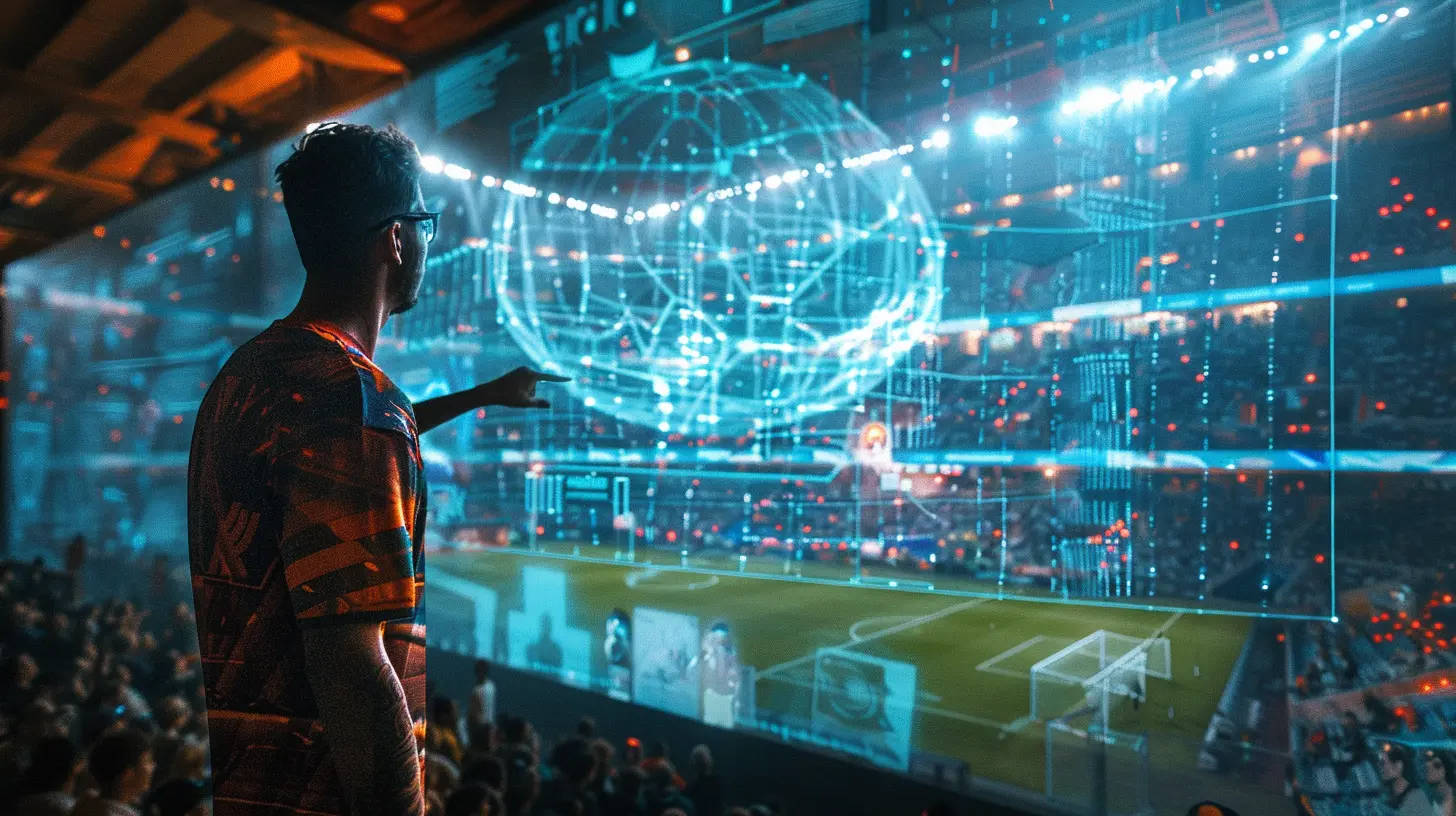
What Is Augmented Reality Anyway?
Before we dive into the game-changing stuff, let’s get clear on what AR actually is. Unlike Virtual Reality (VR), which immerses you in a completely digital world, AR blends digital elements into the real world. Think of it as your regular game broadcast... but on steroids.It enhances what you're already seeing—overlaying graphics, statistics, animations, and even 3D holograms right onto your screen in real-time. So, instead of replacing reality, AR adds a dazzling digital layer to it.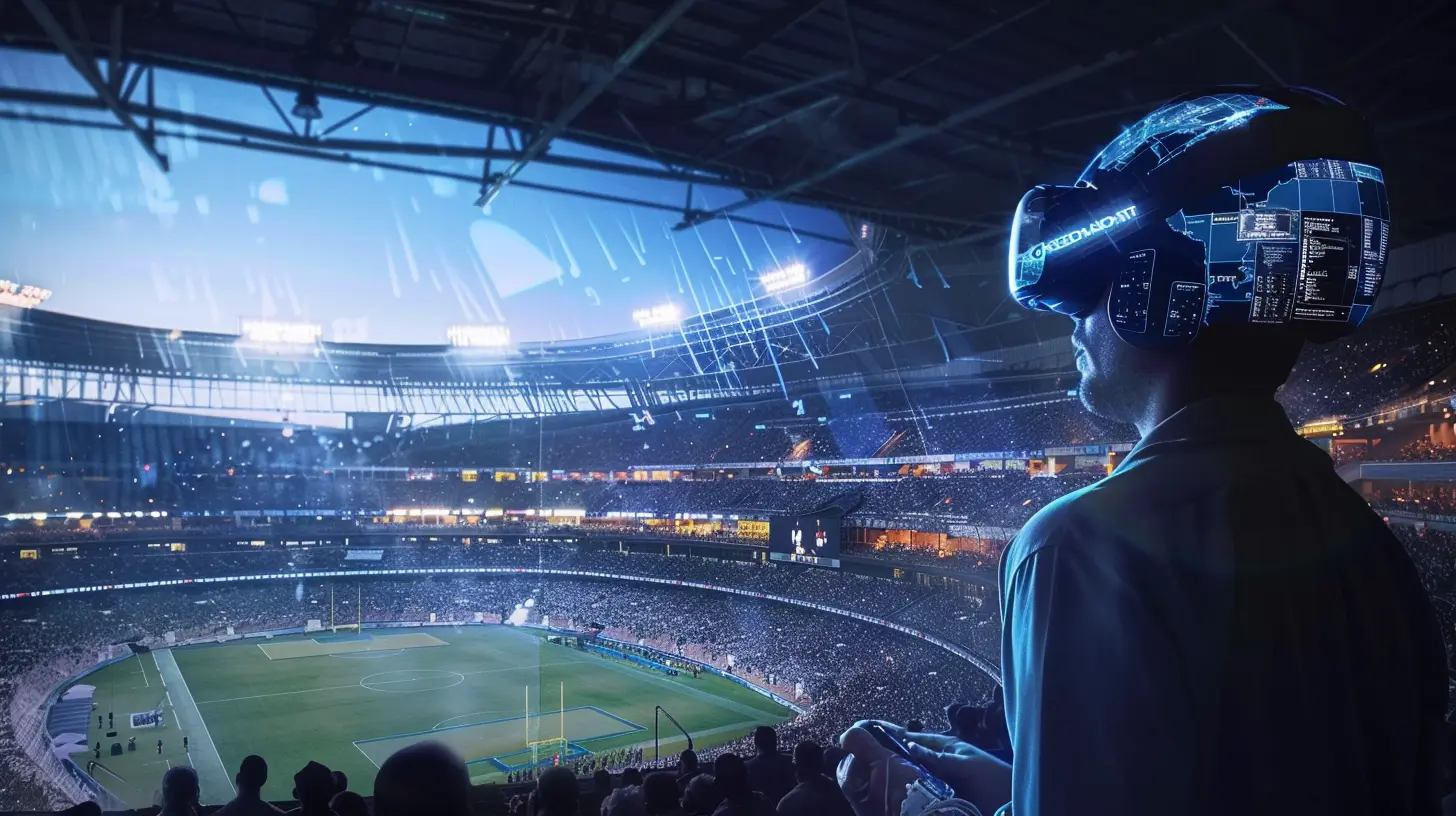
How AR Is Already Changing the Game
The truth? AR isn’t just a buzzword. It’s already making waves across various sports—from football and basketball to baseball and motorsports.1. Real-Time Data Visualizations
You know how broadcasters usually flash player stats during a game? AR takes that to the next level. Now, you can see a player’s speed, distance covered, stamina levels, and even heart rate pop up right next to them in real-time.It’s like unlocking a secret menu in a video game—you’re seeing things previously hidden from the casual viewer.
2. Enhanced Replays and Analysis
Gone are the days of fixed-angle replays. AR allows broadcasters to create 3D augmented replays that can be rotated and zoomed in on from multiple perspectives. Whether it’s a controversial goal-line decision or a mind-blowing dunk, you can now get a 360-degree view of the action.It’s like having X-ray vision for sports.
3. Interactive Viewer Experience
AR brings the audience closer to the action. Broadcasters can now integrate interactive elements such as clickable player profiles, in-game polls, live betting odds, and dynamic leaderboards—right on your screen.Suddenly, you’re not just watching the game, you’re part of it.
4. Virtual Fans and Stadiums
Remember during the COVID-19 pandemic when stadiums were empty? Broadcasters used AR to simulate cheering fans, sidelines, banners, and even fill up entire stadiums digitally.It looked real. It felt real. It filled the void when we needed it most.
Why Sports Broadcasters Are Betting Big on AR
Let’s face it—keeping viewers glued to traditional TV broadcasts is getting harder by the minute. With younger audiences flocking to streaming platforms and social media, sports broadcasters need to up their game.Here's why AR is their golden ticket:
1. Boosts Engagement
Attention spans are short these days. AR keeps viewers visually stimulated and engaged. The rich graphics, stats, and interactivity aren’t just eye candy—they’re sticky. They make people want to stay, watch, and interact.Think of it like scrolling through your feed—except every swipe brings you closer to the game.
2. Attracts Younger Audiences
Millennials and Gen Z don’t just watch sports—they tweet about it, meme it, and break it down play-by-play. AR’s tech-savvy features align perfectly with this crowd. It speaks their language.Sports are no longer just games—they’re experiences. And AR speaks experience fluently.
3. Opens Up New Revenue Streams
With new tech comes new money. AR opens the door for product placements, sponsorships, and in-broadcast advertising that actually feels natural. Imagine a Gatorade bottle digitally appearing in a player’s hand after a timeout.It’s advertising that doesn’t interrupt—it integrates.
Sports That Are Leading the Charge
While AR has massive potential across the board, a few sports are already running with the ball.? Football (Soccer & American Football)
Soccer broadcasts have started integrating real-time offside line overlays, player tracking graphics, and drone-style replays enhanced with AR. The NFL has been doing this for years with the famous "yellow first-down line"—an early version of AR.Now, broadcasters are pushing even further with immersive stat bubbles, play predictions, and tactical visualizations.
? Basketball
The NBA is experimenting with next-gen AR overlays that show shooting percentages, hot zones, and live player matchups. Some apps even let you project 3D highlights onto your coffee table through AR glasses or mobile devices.It’s like having a tiny arena in your living room.
? Motorsports
From speed meters to racing lines and pit strategies, AR is making motorsports more digestible for casual fans. You can now visually see why one driver is gaining speed or how a perfect corner was taken.It’s as close as you’ll get to sitting in the cockpit.
Challenges of Integrating AR in Live Broadcasts
Of course, it’s not all slam dunks and touchdowns. There are some hurdles to clear.1. Tech Infrastructure
Broadcasting AR requires heavy-duty tech—advanced cameras, fast rendering capabilities, and real-time processing. Not every event or broadcaster is equipped to handle that... yet.2. Cost
Let’s not sugarcoat it—AR is expensive. The software, the equipment, the manpower—it adds up quickly. Smaller networks might not be able to jump in right away.3. Viewer Accessibility
Not everyone has an AR-capable device or the bandwidth to stream high-quality visuals. For now, AR features may be limited to premium or experimental broadcasts.The Future? It’s Closer Than You Think
Here’s where things get even more exciting. Every year, AR tech is improving. We’re talking glasses that replace your TV, personalized viewing modes where you choose camera angles, and AI predicting plays in real time.Imagine putting on AR glasses and seeing the game unfold right on your coffee table like a hologram. Or watching a live match where your favorite player’s stats update right in your field of vision—no app, no second screen, just pure immersion.
Yep, the future looks wild—and shockingly close.
Will AR Replace Traditional Broadcasting?
Not exactly. AR isn’t trying to kill traditional broadcasts; it’s aiming to complement them. Think of it as the cherry on top. Some viewers will crave that deeper immersion and interaction, while others may prefer the classic watch-and-chill method.But here’s the kicker: broadcasters who ignore AR risk becoming the Blockbuster in a Netflix world.
What This Means for Fans
If you’re a sports fan, you’re in for a treat. AR means better insights, more control, and way more fun. You’ll understand the game at a deeper level. You’ll interact with it in ways you never dreamed of.No more passive watching. With AR, you're playing a role—even if you’re just yelling at the screen from your couch.
Final Thoughts: AR Isn’t the Future—It’s the Present
The impact of Augmented Reality on live sports broadcasting is huge—and we’re just scratching the surface. Whether it’s enhancing engagement, offering new advertising opportunities, or giving fans a front-row seat from anywhere in the world, AR is rewriting the rules of how we consume sports.So next time you’re watching a game and see some slick graphics dancing across your screen, know that the future of sports broadcasting is not just coming—it’s already here.
And it’s wearing an AR headset.
all images in this post were generated using AI tools
Category:
Sports InnovationsAuthor:

Umberto Flores