The Impact of Eco-Friendly Innovations on Sports Facilities
19 August 2026
Let’s be honest—sports and sustainability haven’t always been best buddies. Stadiums packed with tens of thousands of fans, guzzling energy, generating heaps of waste, using gallons of water for pristine turf… not exactly a poster child for going green, right?
But times are changing. Fast.
Sports facilities—from cozy community gyms to massive pro stadiums—are stepping up their game and embracing eco-friendly innovations. And the impact? It’s not just about optics or PR. Going green is revolutionizing the entire sports world in ways we couldn’t have imagined a decade ago.
So grab a comfy seat, and let’s dive into how these green upgrades are reshaping sports as we know them.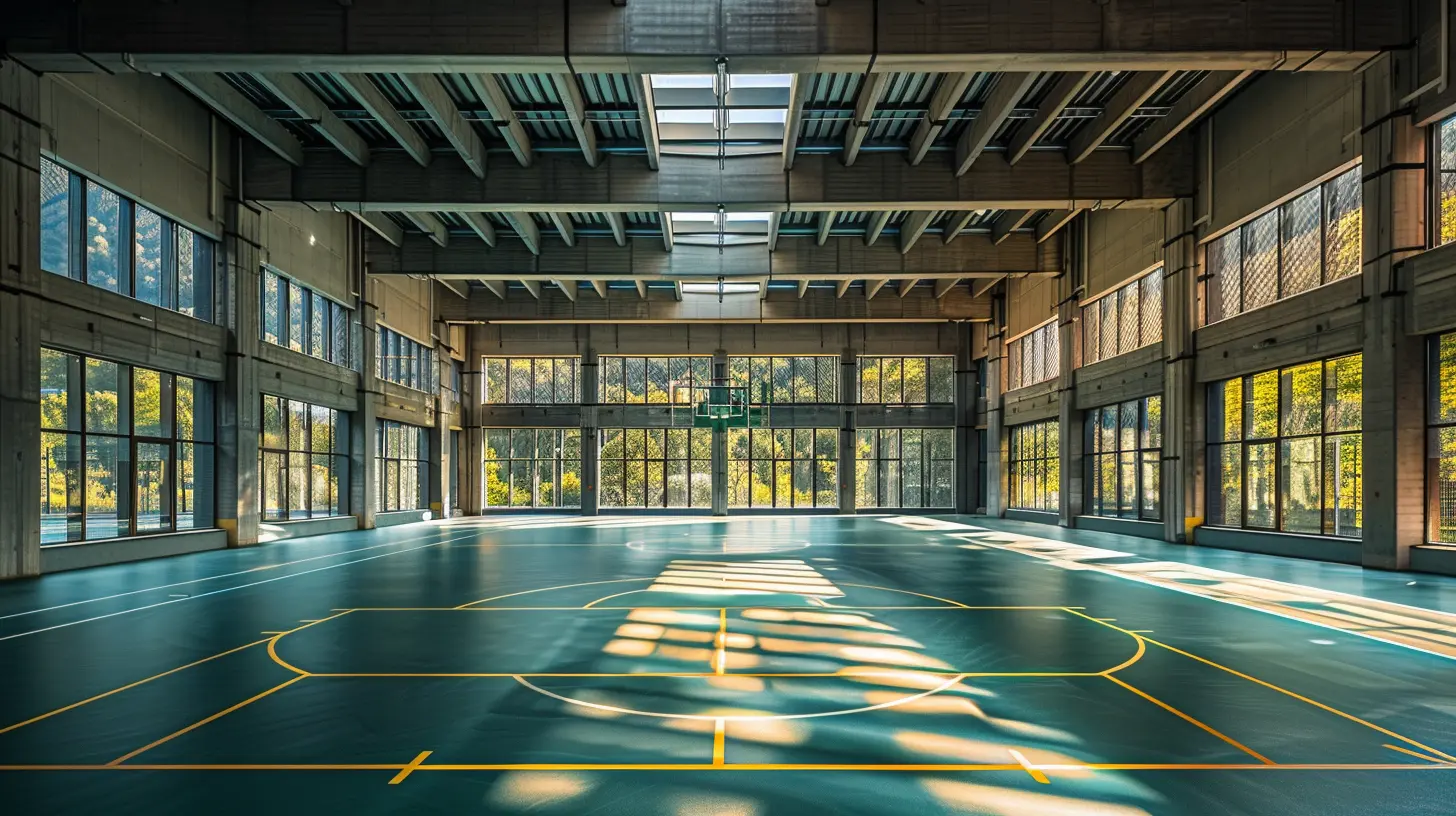
Why Eco-Friendly Innovations Matter in Sports
Think about it. Sports facilities serve millions of people every year. Any positive change—a little less energy here, better waste management there—gets multiplied massively. It's like giving Mother Earth a power-up.But this isn’t just about saving polar bears or hugging trees. It’s about:
- Cost savings (green tech often pays for itself in the long run)
- Healthier environments for fans and athletes
- Positive brand image in a world that demands accountability
- Compliance with stricter environmental regulations
Bottom line? Incorporating eco-friendly solutions into sports venues isn’t just doable; it’s essential.
The Shift Toward Sustainable Stadiums
Solar-Powered Stadiums Are No Longer a Fantasy
Remember when solar panels used to be rare and futuristic? Now, they’re the real MVP of the green game.Take the Levi’s Stadium, home of the San Francisco 49ers. It’s got a solar terrace and a 1,162-panel solar bridge. These bad boys generate enough juice to power a full game, lights and all.
That’s not just impressive—it’s game-changing.
And it's not just about American football. The Taiwan National Stadium, built specifically for the 2009 World Games, runs entirely on solar energy. Talk about harnessing the sun for victory.
Green Roofs: Nature Meets Architecture
What’s cooler than watching your favorite team score a goal? Watching it from a stadium topped with grass and shrubs.Green roofs are popping up across sports venues not just for the aesthetics, but for serious perks like improved insulation, reduced rainwater runoff, and cooler temps inside the building.
For example, Ford Field, home of the Detroit Lions, has a massive green roof that spans over half the stadium. Pretty wild, right?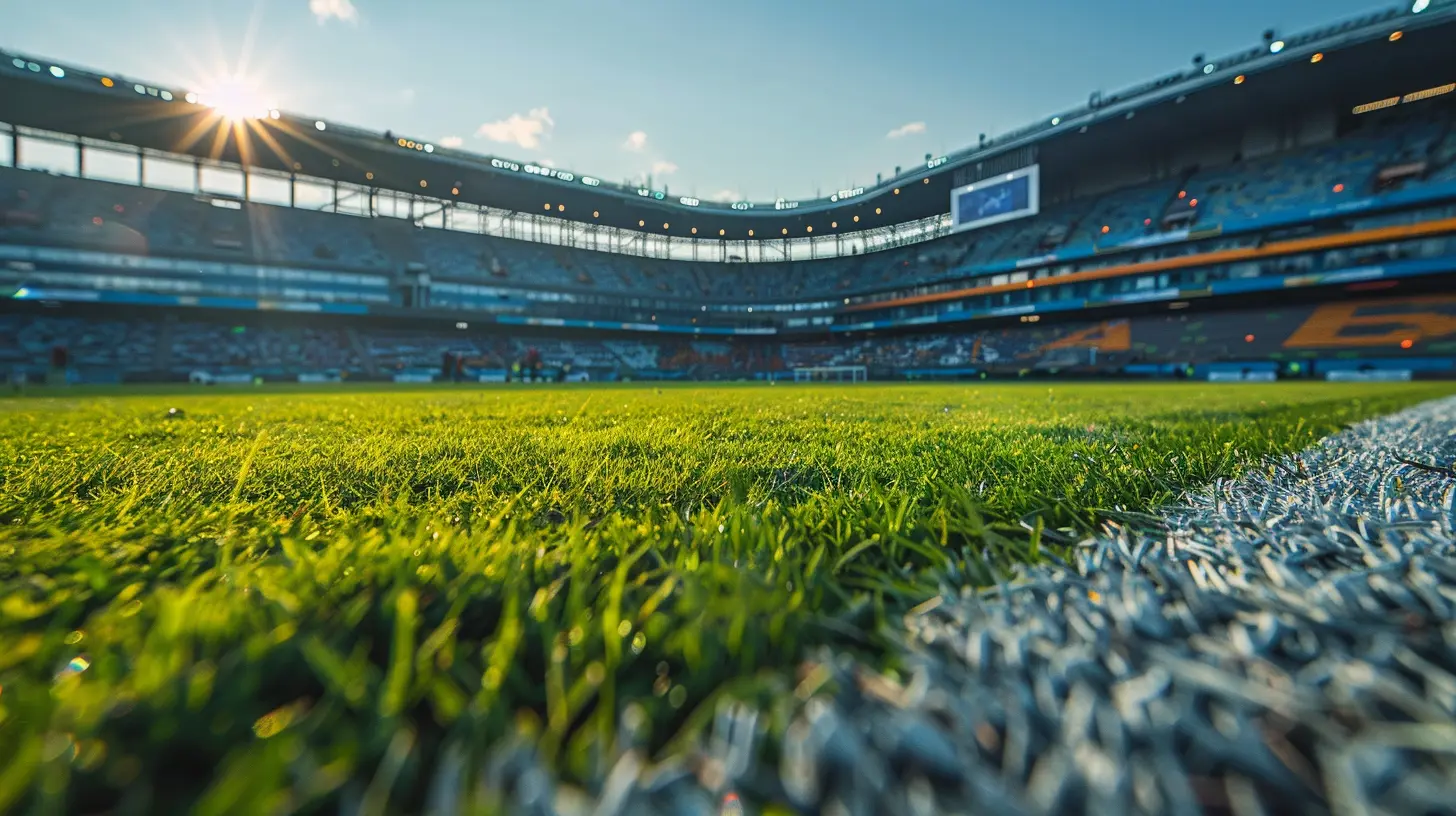
Water Conservation: Saving Every Drop
Smart Irrigation Systems on the Rise
If you’ve ever maintained a lawn, you know the struggle. Now imagine trying to keep a stadium's turf perfect year-round.Thanks to smart irrigation systems, like moisture sensors and weather forecasting tech, sports facilities are avoiding overwatering and saving thousands of gallons of water annually. Systems automatically adapt and only use what’s necessary, like a personal trainer for the grass.
Recycled Water for the Win
Many stadiums are also hopping on the water recycling train. Melbourne’s AAMI Park, for instance, uses harvested rainwater for toilet flushing and field irrigation. It’s like giving water a second life. Who wouldn’t want that?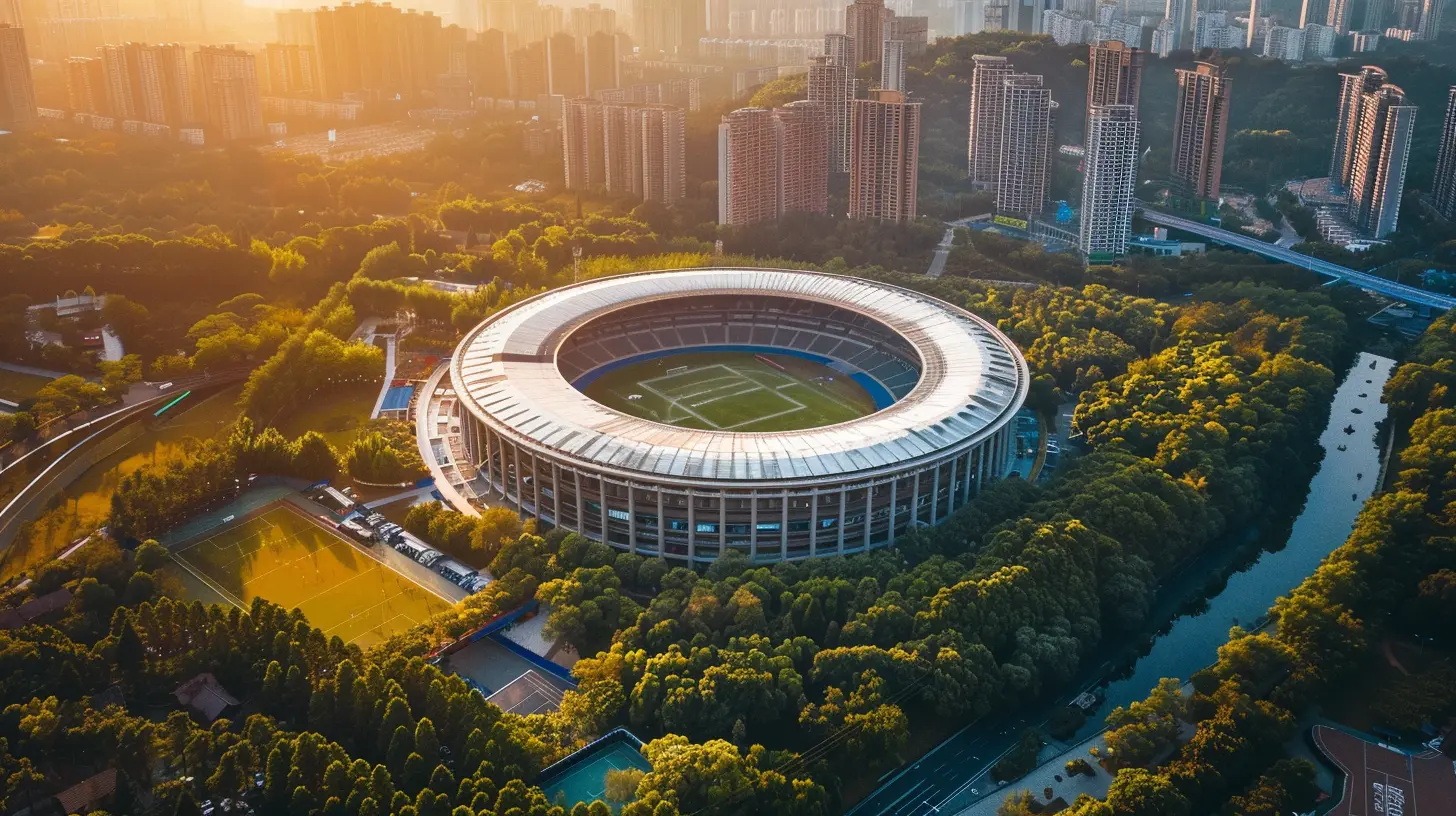
Waste Management: Trash Talk Gets Real
Zero Waste Goals: Not Just a Trend
Some venues are no longer just managing waste—they’re eliminating it.Take Mercedes-Benz Stadium in Atlanta. It’s the first pro sports stadium in the U.S. to achieve LEED Platinum certification (that’s basically the gold medal of green buildings). They aim for zero waste, meaning 90% of waste is diverted away from landfills through composting, recycling, and reuse.
That’s like turning a trash talk into a triumph chant.
Compostable Food Packaging
Goodbye plastic trays and styrofoam cups. Hello biodegradable packaging.Many sports facilities are now serving beer and nachos in compostable containers. It's a small switch, but when you’re serving thousands of fans a night, it adds up big time.
Eco-Friendly Transportation Options
Here’s a stat for you: Transportation accounts for a huge portion of a sporting event's carbon footprint. But stadiums are coming in clutch with sustainable travel options.Bike Parking and Incentives
Facilities like Amsterdam Arena encourage fans to bike to the game, offering secure bike parking and even discounts. It’s a win-win: less congestion, healthier fans. Plus, who doesn’t like a breezy bike ride on game day?Public Transit Access
Newer venues are being built with transit in mind. They're making it easier to hop on a train or bus instead of squeezing into a packed parking lot. Less traffic, less pollution, less stress.Building Materials: Keeping It Green From the Ground Up
It’s not just what’s inside that counts. The bones of a sports facility—concrete, steel, glass—they’re getting greener too.Recycled and Locally Sourced Materials
Many modern stadiums are being built with recycled steel and concrete. Others are sourcing materials locally to cut down on carbon emissions from transportation.For example, Tottenham Hotspur Stadium in London prioritized sustainable materials during construction. They even reused rubble from old structures on-site.
It’s kind of like choosing locally grown veggies over imported ones—better for the planet, and just feels right.
Tech Innovations Making a Difference
LED Lighting: Small Bulbs, Big Impact
Swapping traditional bulbs for LEDs might sound minor—but it’s a game-changer. LEDs use up to 80% less energy and last longer. Plus, they can be programmed for dazzling light shows during halftime.Wembley Stadium switched to LEDs and cut their lighting energy use dramatically. That’s real savings and less strain on the grid.
Smart Energy Management Systems
Modern sports facilities are basically run by brains now—digital ones.With smart energy systems, these venues can monitor usage in real-time, identify inefficiencies, and adjust automatically. It’s like having a coach for your energy bills.
The Athlete’s Role in the Green Movement
You might not think LeBron James or Serena Williams have much say in a stadium’s energy policies—but think again.Athletes as Eco Ambassadors
Many big-name athletes are using their platforms to promote sustainability. Take Lewis Hamilton, the Formula 1 driver who went vegan and speaks out about climate change. Or Megan Rapinoe, who champions environmental justice along with equal pay.When athletes care, fans listen. And that ripple effect can drive change faster than any ad campaign.
Fan Engagement: Making Green Cool
You can have the most eco-friendly stadium on Earth, but if fans aren't on board, it won't make much of a difference.Incentivizing Eco-Behavior
Some venues hand out discounts for bringing reusable bottles. Others reward fans for recycling their trash or using public transport. It’s simple psychology—reward the good stuff.Real-Time Sustainability Displays
Stadiums are now showing real-time environmental data on screens: water saved, energy used, waste diverted. It helps fans see that their actions truly matter. And hey, a little friendly competition never hurt—maybe Section 112 out-recyles Section 204?Challenges Still on the Field
Let’s not sugarcoat it. Going green isn’t always easy.- Upfront costs can be intimidating, even if there's long-term savings
- Some tech requires training and maintenance
- Older venues may face limitations with retrofitting
But here’s the thing—every step counts. Whether it’s switching to compostable cutlery or investing in solar panels, each move adds up over time.
The Future of Eco-Friendly Sports Facilities
Imagine this: a stadium that creates more energy than it uses. Grass that waters itself. Fans arriving in electric shuttles. That’s not sci-fi. That’s the future—and it’s already starting to happen.As technology evolves and climate awareness grows, eco-friendly sports facilities will go from niche to norm. And guess what? You, me, the athletes, the coaches—we’re all part of that journey.
Final Whistle
At the end of the day, sports are about passion, community, and pushing boundaries. So why not push the boundaries of sustainability too?Eco-friendly innovations aren’t just a trend. They’re a revolution—quietly transforming how we build, watch, and play the games we love. And honestly? It’s about time.
So the next time you’re cheering in a stadium lit by the sun and cooled by green roofs, take a second to soak it in. The future of sports isn’t just exciting. It’s sustainable.
all images in this post were generated using AI tools
Category:
Sports InnovationsAuthor:

Umberto Flores
Discussion
rate this article
2 comments
Xena McInnes
If only my workouts could be as green as the grass... eco-friendly sweat, anyone?
August 24, 2026 at 4:59 AM
Umberto Flores
That's a great vision! Eco-friendly innovations can definitely make a difference in how we experience workouts while being kind to the planet.
Christina Barrett
It's inspiring to see how eco-friendly innovations are transforming sports facilities. Embracing sustainability not only benefits the environment but also inspires athletes and fans to be more conscious of their impact. Change is happening, and it's encouraging.
August 23, 2026 at 10:56 AM
Umberto Flores
Thanks for your thoughtful comment! It's great to see so many people recognizing the positive shift towards sustainability in sports. Together, we can inspire even greater change.