The Impact of Home Crowds on Refereeing Decisions
13 May 2026
Alright, sports fans, gather 'round the virtual campfire because we’re diving into one of the most debated, eyebrow-raising, and popcorn-worthy topics in the world of sports: The Impact of Home Crowds on Refereeing Decisions. You know that moment when a ref blows the whistle and half the stadium boos like they've just been robbed of their last slice of pizza? Yeah, that one. We're going there.
Let’s be real. You’ve probably yelled at your TV thinking, “Come on, ref! Are we watching the same game?!” And if you’ve ever played on a home field, you know that crowd noise can feel like a warm hug mixed with a megaphone in your ear. But how much does it really influence the men and women in black and neon yellow with the whistles?
Spoiler Alert: Way more than they'd ever admit.
Home Sweet Home: Where the Whistle Blows Differently
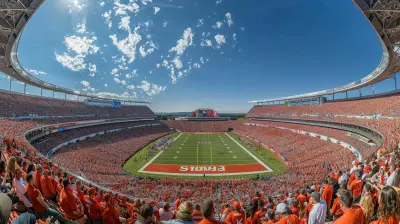
Imagine you're officiating a match in front of 60,000 chanting, face-painted folks who all seem to have suddenly become experts in sports law. Now, imagine they loudly — and repeatedly — disagree with you. Welcome to the lonely life of the away-team referee.Referees are human. They sweat, they blink, they sometimes forget their car keys — and yes, they can be influenced by the massive wall of sound that is a home crowd. Studies have literally measured the effect, and the data doesn't lie: home teams generally do better when the stands are packed and the noise is cranked up.
So let's break this beast down. Why does it happen, how much does it matter, and is it all just one big emotional illusion?
The Science of Sound (And Screaming)
There's a wild phenomenon called “social pressure” — and it works kind of like peer pressure, but with more noise and face paint. When tens of thousands of people scream in unison every time a ref makes a call against the home team, that’s like putting a megaphone to your conscience. And buddy, your conscience might just fold like a bad poker hand.A famous study by researchers at the University of Wolverhampton found that referees awarded fewer fouls against home teams when they reviewed the game footage without sound compared to watching it with crowd noise.
Pretty telling, right?
There’s also evidence from football (the European variety) showing that the louder and more passionate the crowd, the more favorable the calls for the home side. Even something as seemingly straightforward as "added time" at the end of a match tends to lean in favor of the home squad when they're chasing a goal. Coincidence? Or crowd magic?
Whistle While You Wince: Pressure Turns the Screw
Let’s paint a mental picture: You’re the referee. It’s the 89th minute. The home team is down by one. A questionable tackle happens in the box. One side of the stadium holds its breath. The other side begins its war chant.Do you call the penalty?
You’re supposed to be unbiased. But also, you know that if you don’t blow the whistle, it’s going to rain plastic beer cups and maybe someone’s shoe. The margin for error shrinks, and the pressure grows louder than a rock concert in a phone booth.
Even seasoned referees, the ones with ice water in their veins and decades of experience, have admitted in interviews that the crowd can get to them. Not always consciously. But that vibe? That atmosphere? It wormholes into your brain and sometimes nudges your decisions.
The “12th Man” Might Be Wearing a Whistle
Home fans love being called the “12th man,” but in some cases, it feels like they’ve got the ref in on the action too. Now, we're not saying the officials are biased on purpose — far from it. They’ve got integrity, training, and a better understanding of obscure rulebook clauses than your average sports bar philosopher.But even the best can bend under pressure. Think of it like trying to make a fair call in a karaoke contest while one contestant’s entire extended family is breathing down your neck and waving banners. Even if you’re being honest, that emotional static can mess with your signals.
Not Just in Football: This Party’s Cross-Sport
This isn’t a football-only phenomenon. Oh no, this party extends to basketball, baseball, rugby, hockey, and even tennis (ever hear a hometown Wimbledon crowd try to sway a line judge? It’s spooky).In the NBA, the home team tends to shoot more free throws than road teams. In baseball, umpires are more generous with strike zones when the home pitcher is on the mound. In rugby, home teams have historically committed more infractions than the away team — but somehow get penalized less.
So unless every visiting player suddenly becomes more villainous when they travel, there’s got to be something else going on.
Hint: It's the crowd.
VAR, Replay, and the Great Equalizer... Or Is It?
Ah yes, technology. The almighty savior of sports fairness.Or so we hoped.
With the introduction of VAR (Video Assistant Referee) in football, and instant replay in other sports, many believed the days of crowd-influenced officiating were done. Technology wouldn't care how loud you yell or how many witty insults you shout about a referee’s eyewear.
But… turns out, even tech isn’t immune. Refs interpret the replays. VAR might provide the footage, but it's still a human decision in the end. And those humans? Yep, still susceptible to pressure — albeit subtly.
Also, when a stadium chants "VAR! VAR! VAR!" like it's a magical incantation, even technology might think twice.
Coaches and Players Know the Game Too
Ever notice how home-team coaches are extra animated when protesting a call? They’re not just expressing emotion — they’re playing the game behind the game. Same with players who crowd the ref after every decision. It’s mind games, baby.They know that with the crowd behind them, their words carry more weight. That collective energy becomes a tool — part strategy, part symphony of protest.
Ask any seasoned coach, and they’ll tell you that working the refs is an art form. And when you’ve got the whole arena backing your brush strokes? You're basically painting with fire.
Could We Ever Fix It?
Let’s be honest — nobody wants a completely sterile sporting environment with refs making calls from soundproof booths while sipping herbal tea. That would suck the soul right out of the game.The emotional rollercoaster, the passion, the tension — that's what makes sports magical. Part of the drama is the human element. But that doesn’t mean we can’t aim for more fairness.
Ongoing referee training, transparency in decision-making, post-game reviews — all help. So does rotating officials to different leagues and regions to break routine and bias. Some even suggest using AI as an officiating partner — but let’s wait 'til robots understand offsides before we hand them the whistle.
So... Are the Refs Just Big Softies?
Nah. They're just human beings doing a near-impossible job in front of thousands of screaming maniacs (we say this lovingly). They’re trying their best. But are they influenced by home crowds? Yeah — at least sometimes.And honestly, who could blame them?
You try making a split-second decision when 50,000 fans are staring into your soul like you just stepped on their dog.
Conclusion: Every Game’s a Symphony, and the Crowd is the Conductor
Here’s the deal: while we love to gripe about refs and their questionable calls, the impact of home crowds is very real, very human, and very much part of the fabric of sports. It's not a conspiracy — it's psychology, emotion, and a dash of chaos.Do referees change outcomes solely because fans raise the roof? Probably not. But do fans sway the small moments that add up? You bet your vuvuzela they do.
So the next time you're in the stands or on your couch shouting “Come on, ref!” just remember: you might be influencing the game more than you think.
And hey, maybe be nice to the refs once in a while. Just a thought.
all images in this post were generated using AI tools
Category:
RefereeingAuthor:

Umberto Flores
Discussion
rate this article
1 comments
Alyssa Morris
Great article! Home crowds definitely bring a unique energy that can influence games. It's fascinating to see how they impact refereeing decisions in different ways.
May 15, 2026 at 5:01 AM
Umberto Flores
Thanks for the feedback! Home crowds do create a special atmosphere that can sway the game in unexpected ways. Glad you found it fascinating!