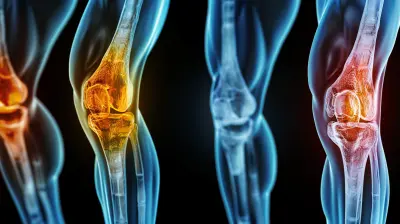
The Impact of Injuries on Club Team Dynamics and Performance
18 June 2026
In sports, injuries are about as common as goal celebrations. They’re frustrating, heartbreaking, and, quite frankly, inevitable. Every club from grassroots level to elite European giants has had to deal with the injury bug at one time or another. But when your star striker pulls up with a hamstring or your rock-solid center-back gets stretchered off, it doesn't just affect that one player—it shakes the entire foundation of the team.
Let’s talk about it. Let’s dive deep into how injuries impact not just the scoreboard, but the soul of the squad.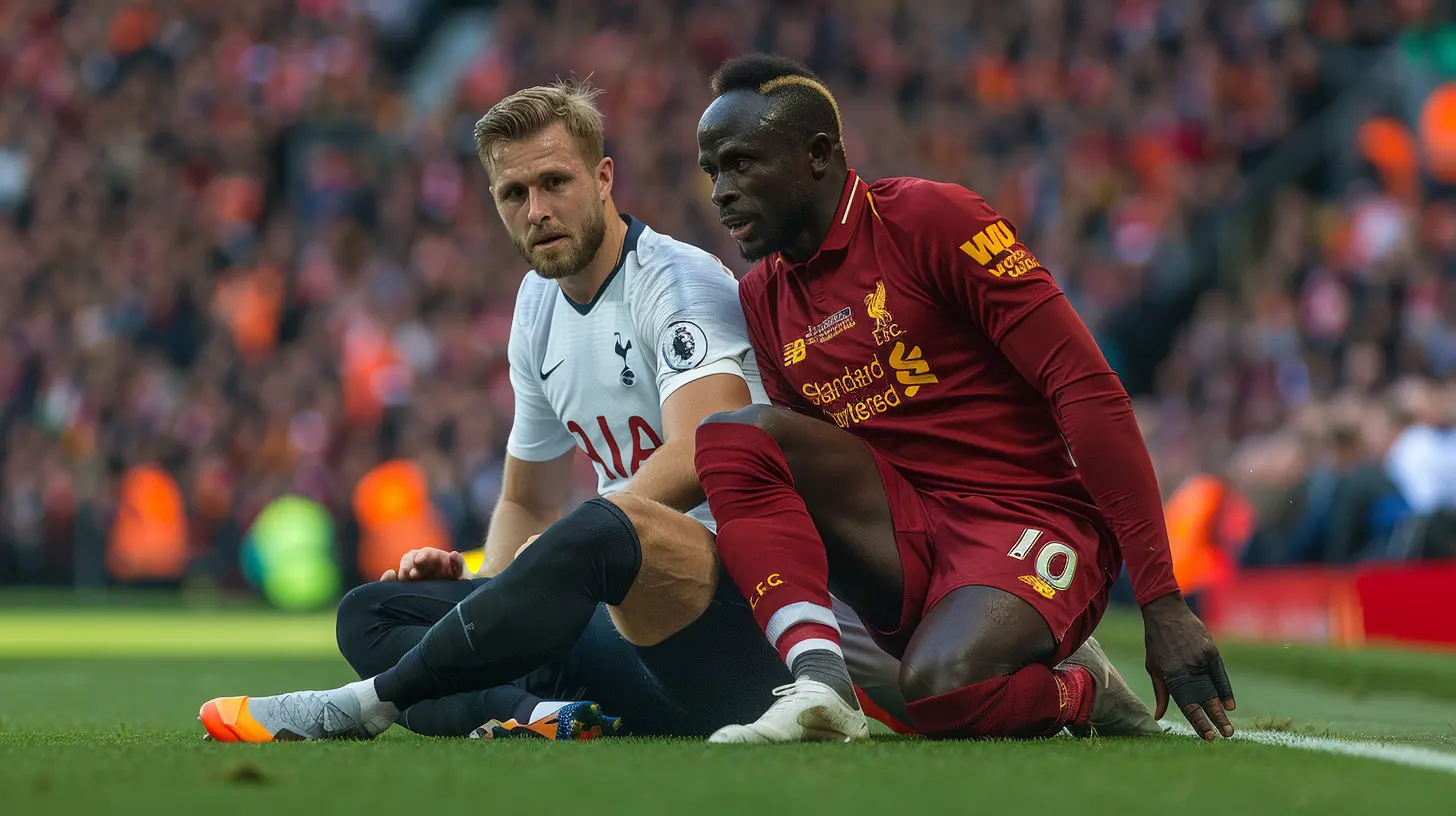
Injuries: The Unwanted Guests in the Locker Room
You know that feeling—your team is on a roll, winning games, building chemistry, everything's clicking. Then boom! An injury. It’s like pulling out a piece from a Jenga tower—suddenly, everything gets unstable.Injuries don’t just sideline players; they sideline plans, dreams, strategies, and sometimes even whole seasons. Football isn’t just 11 players on the field—it’s a living, breathing unit. One missing piece can throw the whole rhythm off.
Disruption of Team Chemistry
Let’s paint a picture. Imagine a band where the drummer suddenly can’t play. Sure, the guitarist can keep strumming, and the singer might still hit the high notes, but you’ll notice something's off. The same goes for a football team.Trust and Familiarity Go Out the Window
Teams spend months, sometimes years, building chemistry. Midfielders know where to pass without looking. Defenders cover each other instinctively. A sudden injury? That delicate trust takes a hit. You bring in a backup, but it’s not the same. They haven’t had the minutes, don’t speak the same “on-field language,” and suddenly—there’s hesitation, miscommunication, and mistakes.Rotations Get Complicated
A manager’s worst nightmare? Scrambling line-ups. Once a key player goes down, the manager has to reshuffle. That often creates a domino effect. The backup forward might be moved to midfield, shifting someone's role yet again. Before you know it, half the squad is in unfamiliar roles—and it shows.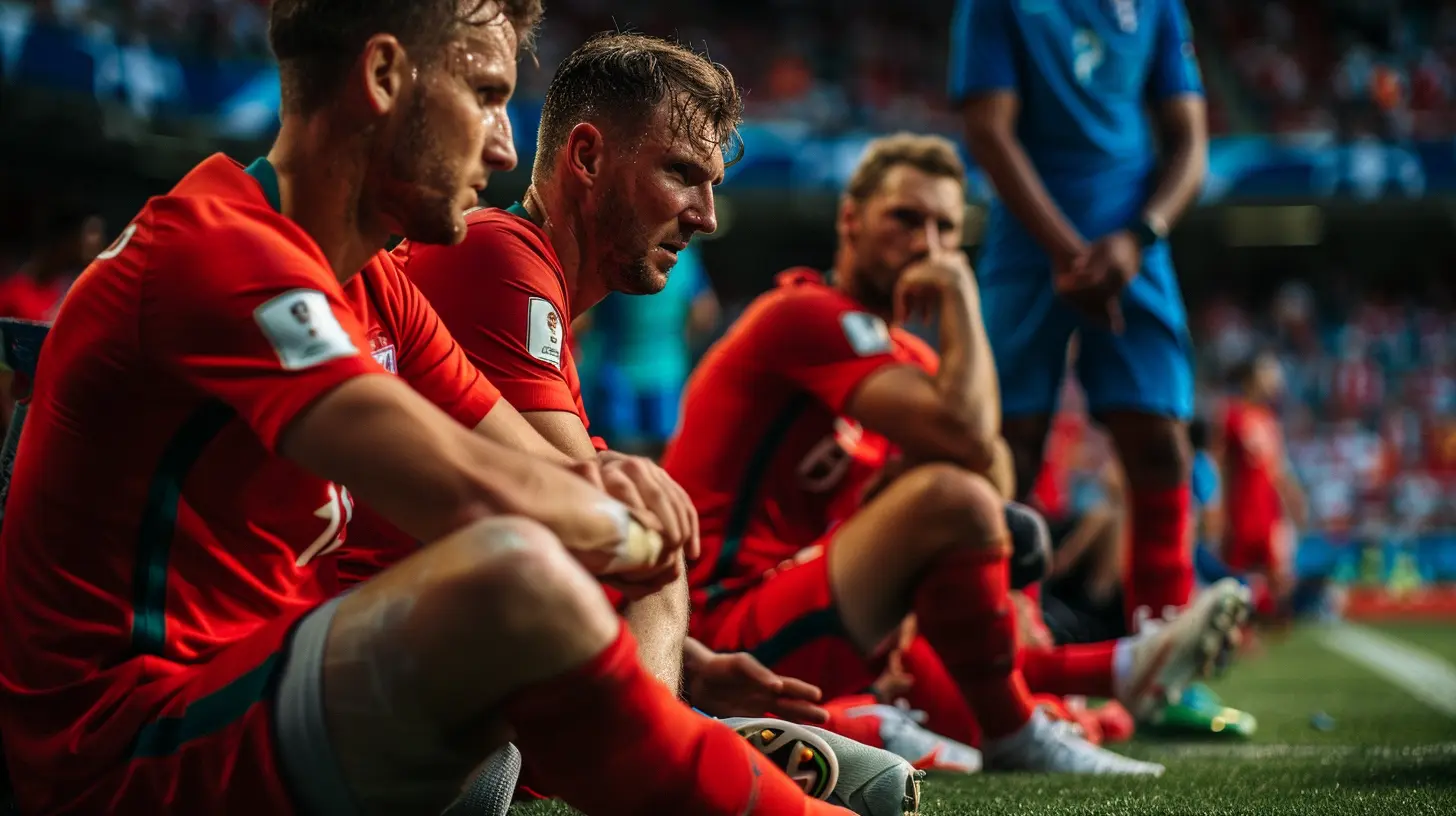
Tactical Adjustments and Unwanted Changes
Injuries force managers to adapt, but not always in ways they’d like to. The game plan that was working so well? It might need to be thrown out.Changing Systems on the Fly
Let’s say a team plays a high-press 4-3-3 because of a fast, dynamic front three. Then the main striker pulls a hamstring. Now the manager has to either slot in someone less suited for that role or change the system entirely. You might see a shift to a more conservative 4-2-3-1 just to stabilize the ship.And here’s the thing—players aren’t machines. They need time to adjust to new systems. During that transition? The team could leak goals, drop points, and lose confidence.
Loss of Leadership on the Pitch
Sometimes, it’s not just about raw talent. Leaders—those vocal captains and experienced heads—when they go down injured, it leaves a void. Their presence in the dressing room, their in-game communication, their ability to rally the troops…it all disappears.It’s like losing your compass during a storm.
The Psychological Toll on Players and Staff
We often focus on the physical side of injuries, but the mental and emotional impact? That’s a whole other game.Morale Takes a Hit
When a key player gets injured, the entire squad feels it. You see it in the body language, hear it in the interviews. Teammates start worrying, not just about the team, but about their friend, their partner on the pitch. There’s often a dip in energy, and teams can go through phases of low morale.Pressure on Replacements
Let’s not forget the player stepping in. Imagine trying to fill the boots of a club legend or the team’s top scorer. The pressure is immense. Every missed shot or mistimed tackle gets magnified. Fans are watching, critics are ready, and social media can be brutal.In many cases, young backups are thrust into roles they’re not fully ready for—and the weight of expectations can stunt their development or shatter their confidence.
Squad Depth: The Make-or-Break Factor
They say a team is only as strong as its bench. That’s never more true than during an injury crisis.Big Clubs Have the Cushion
Let’s be real—clubs like Manchester City or Bayern Munich can afford to lose a player or two. Their bench is stacked with international stars. They have the luxury of rotating without a major drop-off in quality.Smaller Clubs Struggle
On the flip side, mid-table and smaller clubs often lack that depth. An injury to their key defender or striker can be catastrophic. There’s no like-for-like replacement. They're left trying to patch holes with academy players or scrambling in the transfer market.And that's when things can spiral—more minutes for fewer players leads to fatigue, which leads to…you guessed it, more injuries.
Long-Term Strategic Implications
Injuries don't just affect the present—they can shape the future of a club.Transfer Decisions Shift
Ever noticed how some teams spend big in January despite claiming they weren’t planning to? Injuries often force the board's hand. Suddenly, there's a need to bring in reinforcements—sometimes at inflated prices.It also alters scouting priorities. A team might start looking for injury-resistant players over pure talent. There's a growing trend towards tracking durability metrics—because the best ability might just be availability.
Youth Development Gets Accelerated
Here’s a silver lining: injuries can fast-forward the careers of academy stars. Think Marcus Rashford’s debut for Manchester United—it happened because of injuries. Sometimes it works out beautifully. Other times, not so much.But either way, clubs are often forced to dip into their youth ranks during injury crises. It’s an opportunity, but it’s also a gamble.
Real-World Case Studies
Liverpool’s 2020-21 Injury Nightmare
Remember when Liverpool had to play midfielders like Fabinho and Jordan Henderson in defense? That season was a stark reminder of how injuries can derail even the most well-oiled machines.From Virgil van Dijk to Joel Matip and Joe Gomez, the injuries kept piling up. The team’s form dipped dramatically, and despite a late-season rally, the damage was done. Gone was the relentless pressing, the defensive solidity, the fearless swagger.
Leicester City’s 2015-16 Miracle
On the flip side, Leicester’s fairy tale title win had a slice of injury luck. The core squad stayed mostly healthy. That consistency allowed them to build rhythm and trust over the season—something their injury-plagued rivals couldn’t match.Support Systems and Modern Recovery
Thankfully, clubs aren't helpless. Modern sports science has come a long way.Focus on Prevention
Top clubs now employ full teams of physios, nutritionists, and sports scientists. They track player loads meticulously to avoid overtraining. You’ll hear terms like “load management” more frequently these days—borrowed from the NBA, but making its way into football.Mental Health Matters
Clubs are also investing in psychological support. Injured players often feel isolated since they train separately. Helping them stay connected and mentally engaged is crucial to both their recovery and the overall team atmosphere.The Fans’ Perspective
We can’t ignore the fans here. Injuries can be heartbreaking when you’re emotionally invested.Your favorite player goes down, and suddenly the season doesn’t feel quite the same. There's the frustration of what could have been, the anxiety about upcoming matches, and the hope that the team can rise above it.
Fans ride that emotional rollercoaster right alongside the players. And their reaction—supportive or critical—can influence the locker room vibe.
Final Thoughts: Playing Through the Pain
Injuries are an unfortunate part of the sport we all love. They hurt more than just the player—they ripple through tactics, morale, and even a club’s long-term vision. But they also test a team’s character.Some clubs wilt under the pressure. Others adapt, evolve, and come out stronger. It’s in those moments of adversity that we see what teams are truly made of.
So the next time your team stumbles because of a few key injuries, take a deep breath. Behind every setback is a story of resilience, grit, and the beautiful unpredictability of sport.
all images in this post were generated using AI tools
Category:
Club TeamsAuthor:

Umberto Flores
Discussion
rate this article
1 comments
Aris Hughes
Injuries can fracture team cohesion and disrupt strategies, revealing true character. Clubs must adapt, but resilience often emerges from adversity, forging stronger bonds and a deeper understanding of collective goals.
June 21, 2026 at 12:55 PM
Umberto Flores
Absolutely, injuries can test a team's resolve and unity. It's during these tough times that true character shines, and clubs often find new strengths together.