The Impact of Weather on Golf: How to Adapt Your Game
31 December 2025
Picture this: you’ve just lined up the perfect shot on the fairway, feeling confident about your grip, your stance, and that trusty 7-iron in your hands. But then—bam!—a sudden gust of wind sends your ball slicing into the rough. Sound familiar?
Weather has always played a huge role in golf. Unlike indoor sports that depend solely on skill, golf throws you onto a battlefield where Mother Nature is a constant opponent. Rain, wind, heat, cold, and humidity all bring their own quirks to the game.
Let’s break it down. Whether you’re chasing birdies under gray skies or struggling to find your range on a scorching summer day, this complete guide will help you adapt your game to whatever the weather throws your way.
Why Weather Matters So Much in Golf
Golf is one of the few sports where the environment can have just as much of an impact on your performance as your swing technique. From tee to green, weather conditions can change everything—distance, spin, ball trajectory, and even your mindset.Think of golf as a beautiful dance between nature and skill. Weather doesn’t just tweak the difficulty level like in a video game—it flips the whole strategy on its head.
The Wind: Golf’s Invisible Opponent
Reading the Wind
Ask any seasoned golfer, and they’ll tell you the wind is by far the most unpredictable element on the course. A steady breeze might not seem like a big deal, but it can drastically affect the distance and direction of your shots.Here’s a tip: Watch the tree tops or even toss some grass in the air to read the wind. It’s not about guessing—it’s about observation.
Playing Into the Wind
When the wind’s in your face, the name of the game is control. Club up (go one club higher than you usually would), keep your ball flight lower, and swing smoother. You want a punchy shot that doesn’t balloon up and get carried away.With the Wind at Your Back
This is when boldness can pay off, but don’t get too greedy. Your ball’s going to carry farther than usual, so club down and let the wind do the heavy lifting. Keep your focus—long isn’t always better if you're not accurate.
Rain: Slippery But Still Playable
Wet Conditions Call for Adjustments
Rain doesn’t always mean calling it quits. But it does mean changing your approach. Wet grass reduces friction, which can cause shots to skid or stop short. And wet clubs or grips? That’s a recipe for disaster if you're not careful.How to Handle Rainy Rounds
- Use a rain glove: It gets grippier the wetter it gets.- Keep towels and covers handy: Keep clubs and hands dry between shots.
- Adjust your swing: Swing more controlled and smooth—no need to go full power. It’s all about balance, especially when the ground is slippery.
Putting in the Rain
Rain slows greens down. That means you’ll need to give your putts a little more juice. Watch for puddles that may knock your ball off line and adjust your read accordingly.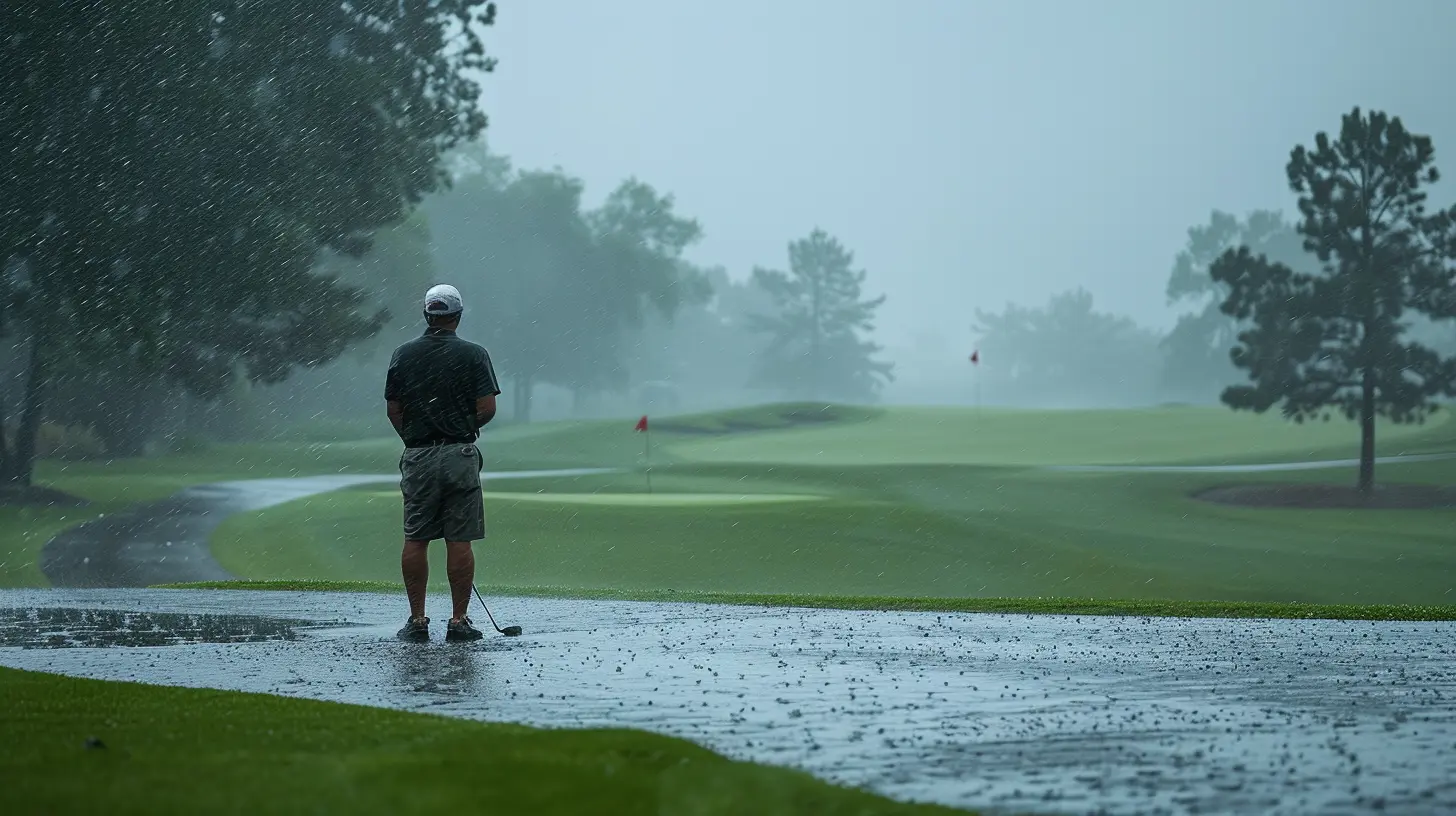
Cold Temperatures: The Ice-Cold Truth
Cold air is denser than warm air, which means your ball won’t fly as far. On top of that, your muscles are tighter, your grip isn’t as quick, and your motivation might even take a hit.Key Adjustments in the Cold
- Club up: You may lose anywhere from 5 to 10 yards due to the cold.- Layer up smartly: Wear flexible clothing that keeps you warm but doesn't restrict your swing.
- Use a softer ball: Harder balls feel like hitting a rock in cold temps.
Playing golf in cold weather is kind of like trying to dance in ski boots—possible, but definitely awkward without the right prep.
Hot and Humid Conditions: Don’t Get Burned
Heat and Ball Flight
Unlike the cold, warm air is lighter and thinner. Your ball’s going to fly a little farther—maybe 5 to 10 extra yards depending on the temperature.But increased distance is only one side of the story. Excessive heat wears you down faster.
Stay Cool Mentally and Physically
- Hydrate constantly: Don't wait until you feel thirsty.- Use cooling towels or wear light fabrics: Comfort equals focus.
- Reapply sunscreen: Sunburn is more distracting than a missed 3-footer.
Your equipment can also be affected. Grips get slick when hands sweat, and dehydration leads to sloppy swings.
Fog and Visibility: Playing Blind
Golf in the fog is like trying to thread a needle with your eyes closed. Your depth perception is off, and course features like bunkers and hazards seem to disappear.Navigating the Course in Fog
- Club selection is crucial: Trust your yardage, not your eyes.- Use GPS or rangefinders: These tools are lifesavers when visibility tanks.
- Stay patient: Play it safe instead of trying to be a hero.
When in doubt, keep it simple. Fog favors those who stick to fundamentals and avoid unnecessary risks.
Ground Conditions: Wet vs. Dry Turf
The condition of the course itself changes with the climate. After a long rain, a soggy fairway can lead to chunky shots and plugged balls. On the flip side, dry and baked-out courses provide less forgiveness and add roll to your drives.Strategy Shifts Based on Turf
- Wet ground: Expect less roll and heavier shots; open your stance slightly to make cleaner contact.- Dry ground: Be aware of extra bounce and roll; balls can skip off greens and bounce unpredictably.
Knowing how to adjust to turf conditions is like knowing the terrain in a car race—vital if you want to stay on track.
Altitude and Pressure: The Highs and Lows
While not exactly weather, altitude and air pressure do fall under atmospheric conditions and they greatly impact golf play.At higher altitudes (like courses in Colorado or Mexico City), the ball travels farther due to thinner air. You might need to club down more than you think.
At sea level, it's the opposite—ball flight is shorter, and you might need extra club to reach the same distances.
Mental Game in Changing Weather
Weather doesn’t just challenge your technique; it challenges your patience and mental toughness. The best golfers aren’t just skilled—they’re adaptable and calm under pressure.Mind Over Meteorology
- Expect the unexpected: Weather can change in a heartbeat.- Keep perspective: Everyone’s playing in the same conditions.
- Don’t let a bad shot trigger a storm in your head: Stay focused.
Think of it like poker: it’s not just about the hand you’re dealt, but how you play it. The weather is just another card.
Pro Tips for Weather-Proofing Your Game
1. Always check the forecast: Preparation is half the battle.2. Pack smart: Bring weather-specific tools—rain gloves, extra towels, layers, etc.
3. Warm-up on cold days: Don’t go in stiff.
4. Stay hydrated in heat: It sounds obvious, but it’s often overlooked.
5. Adapt your strategy: It’s okay to play safer shots in tougher weather.
Final Thoughts: Let the Weather Be Your Caddie
Here’s the truth—weather doesn’t have to ruin your game. In fact, it can actually make you a better golfer. It forces you to think, to plan, and to adapt. And let’s be honest—there’s something kind of badass about nailing a shot in tough conditions.So the next time you're teeing off and the wind starts howling or the rain begins to drizzle, don’t groan. Take it as a challenge. Because the more comfortable you get playing in the elements, the more fearless and well-rounded your game becomes.
Rain or shine, hot or cold, golf is about playing the course—and the sky.
all images in this post were generated using AI tools
Category:
GolfAuthor:

Umberto Flores
Discussion
rate this article
2 comments
Samantha Moore
Great insights on adapting to weather conditions in golf! Understanding how elements like wind and rain affect play is crucial. Thanks for sharing these valuable tips for improving our game!
February 14, 2026 at 1:00 PM
Umberto Flores
Thank you for your feedback! I'm glad you found the tips helpful for adapting to weather conditions in golf. Happy golfing!
Rachel Mathews
Great insights on adapting to weather conditions in golf! I especially liked your tips on adjusting swing mechanics in wind. It might be worth mentioning the importance of mental resilience as well—staying focused and positive can significantly enhance performance, regardless of the weather. Keep up the good work!
January 12, 2026 at 9:17 PM
Umberto Flores
Thank you for your thoughtful comment! You're absolutely right—mental resilience is crucial in adapting to weather conditions. I appreciate your feedback!