The Influence of Club Teams on Local Communities and Culture
18 January 2026
Walk through any small town or bustling city on game day, and you’ll instantly feel it—the buzz, the colors, the chanting fans. That, right there, is the undeniable influence of a club team embedded deep within the roots of its local community. Club sports teams—whether it’s football in England, basketball in the U.S., or cricket in India—do more than just bring people together for 90 minutes of action. They shape culture, create identities, spark economic growth, and even ignite social movements.
In this article, we’re breaking down the many ways club teams influence their local communities and culture. And trust me, it goes way beyond what happens on the pitch or the court.
Why Club Teams Matter More Than You Think
At first glance, a club team might just seem like a bunch of athletes grouped under a banner, playing a sport. But look closer, and you’ll see they’re so much more. They're hometown heroes, cultural icons, and sometimes even family legacies passed down through generations.Think about it: How many people do you know who support the same club as their parents or grandparents? That’s not just loyalty—it’s tradition. Club teams give people a sense of belonging. They represent something bigger than just sport. They represent home.
A Sense of Identity and Pride
Loyalty Rooted in Geography
For many fans, supporting their local club is a birthright. It’s like breathing—it just happens naturally. Local clubs are woven into the fabric of everyday life. The team’s colors? Worn with pride. Their victories? Celebrated as if they’re personal milestones. Their losses? Felt like a punch to the gut.In working-class towns across the UK, for example, football clubs like Newcastle United or Sunderland are more than just teams—they reflect the community’s values, struggles, and spirit. When the team rises, so does community morale. When they fall, it’s like a city holding its collective breath.
Symbol of Belonging
Club teams unify diverse groups of people. Regardless of age, race, or social class, fans come together with one common goal: support the team. It’s this shared passion that breaks down barriers and builds tight-knit communities. You might not even know your neighbor’s name, but if they’re wearing the same jersey, guess what? You’re instantly connected.
Economic Boosters: More Than Just Game Day Revenue
Job Creation and Local Businesses
Club teams are also serious economic engines. From stadium staff and merchandise vendors to local pubs and hotels, the ripple effect is massive. Match days attract thousands of fans who spend money at local businesses. More foot traffic means more sales, plain and simple.Let’s take a Premier League team like Liverpool FC. On match days, the entire Anfield area becomes a hive of activity. Local cafes, transport services, souvenir stalls—they all benefit. Multiply that over an entire season, and the economic upside is pretty substantial.
Infrastructure and Real Estate Development
Building or renovating a stadium often leads to wider urban development. Restaurants, parking, entertainment venues—you name it. And this doesn’t just bring in revenue; it gives the area a facelift and makes it a more attractive place to live and work.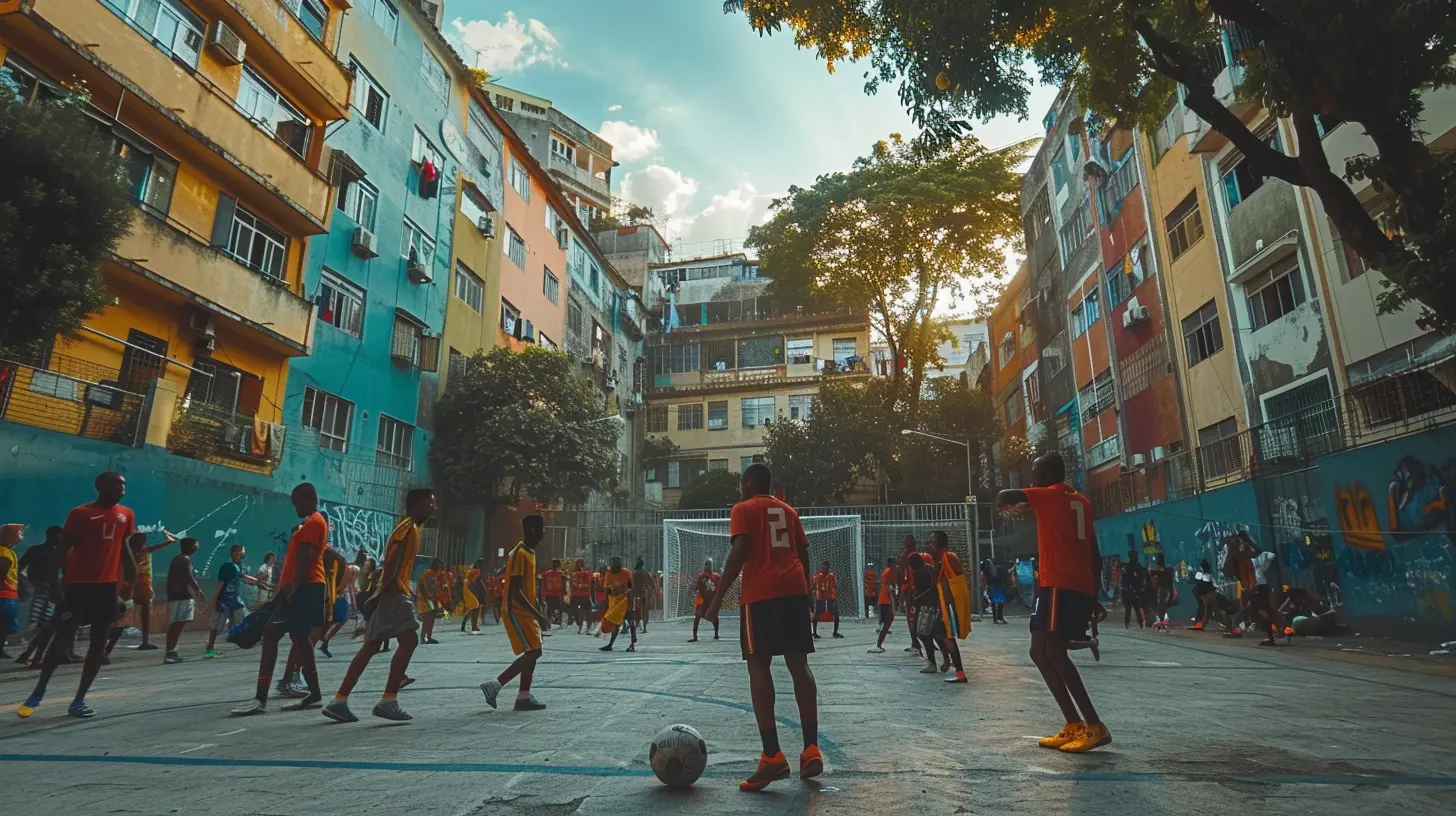
Social Impact: The Good That Goes Beyond Sports
Youth Development Programs
Many club teams invest heavily in the youth of their communities. Think free coaching clinics, after-school programs, and scholarship opportunities. These initiatives give kids a constructive outlet, teach them discipline, and even offer pathways to professional sports.Barcelona’s La Masia or Ajax’s Youth Academy? They're prime examples of youth empowerment done right. But it’s not just about making future stars—it’s about giving young people hope and direction.
Charity Work and Community Outreach
Club teams often support charitable causes, host fundraising events, and partner with local nonprofits. They’ve got influence, and they use it to rally support for everything from food banks to mental health awareness.Take clubs like Borussia Dortmund or Manchester United—known for their community outreach programs. Whether it’s surprise hospital visits by players or disaster relief fundraising, they make a real difference where it's needed most.
Cultural Crossroads: Where Traditions and Modernity Collide
A Platform for Cultural Expression
Sport has always had a way of reflecting society, and club teams are at the center of that. Think of the chants, the songs, the rituals on game day. These aren’t just traditions—they're cultural markers passed down from generation to generation.From samba dancers at Brazilian football matches to the unique haka performed before rugby games in New Zealand, club teams give culture a stage. Fans express themselves through chants, clothing, and even food unique to the team experience. In some places, match day is almost a sacred ritual.
Representation and Diversity
Modern club teams are melting pots. Players often come from different countries, backgrounds, and even continents. That kind of diversity sends a powerful message: sport can unite us.These multicultural squads naturally influence the surrounding community by fostering tolerance, curiosity, and appreciation of different cultures. It’s not unusual for fans to pick up bits of another language or culinary taste just from following a diverse team.
Emotional Attachment: It's Personal, Not Just Professional
Let’s not ignore the emotional connection fans have with their club teams. It’s not always rational, but it’s real—fierce loyalty through thick and thin. People tattoo team logos on their bodies, name their pets after players, and plan weddings around match fixtures.This emotional bond isn't just entertaining; it's therapeutic. Supporting a club gives people a chance to unplug from life, connect with others, and feel like they belong.
Rivalries and Their Role in Shaping Identity
Neighborhood Showdowns
Sometimes, it’s the rivalries that sharpen a team’s identity. Think Celtic vs. Rangers in Glasgow, or Boca Juniors vs. River Plate in Buenos Aires. These aren’t just games—they’re cultural events infused with history, politics, and pride.Rivalries draw lines in the sand. They bring passion, but they also highlight how much a club means to its supporters. It's not just about being better—it’s about being everything that the rival is not.
Friendly Fire and Community Banter
Not all rivalries are toxic. Some are steeped in good-natured banter that brings people closer. Friendly rivalry can spark conversations, debates, and even lifelong friendships—because at the end of the day, it’s all love for the game.Digital Age: Expanding Local Influence Beyond Borders
Global Fanbases
Thanks to social media and streaming, even small local clubs can now gain international followings. A second-division team in Germany might have fans in Asia or Africa who proudly wear its kit. That’s the magic of the digital age—it can take a local love and make it global.This growing visibility also benefits the community. More eyes on the club mean more sponsorships, greater revenue, and even tourism. It’s a win-win.
Social Media as Community Glue
Social platforms are the new gathering spots. Through Instagram takeovers, Twitter banter, and TikTok challenges, clubs are engaging with fans in fun, interactive ways. It helps maintain that local spirit while inviting the world to join in.Challenges and Controversies: The Flip Side of Influence
Gentrification and Displacement
While club-driven development can boost neighborhoods, it can also raise property values and push out long-time residents. That’s a real concern in places where new stadiums are built in traditionally working-class areas.Commercialization vs. Tradition
As clubs chase more revenue, sometimes the soul of the team—its traditions and local connection—can get lost. Corporate owners, constant logo redesigns, or moving teams to different cities can disillusion long-time supporters.Keeping the balance between financial growth and staying rooted in community values remains one of the biggest challenges.
How Fans Can Keep the Flame Burning
You don’t need to be rich or famous to support your club in meaningful ways. Show up to games. Buy local merchandise. Teach your kids the team anthem. Engage online. Volunteer at club events. These small acts keep the heart of the club beating strong in the community.Final Thoughts: More Than a Game
The influence of club teams on local communities and culture goes far beyond what happens on the field. They’re symbols of identity, catalysts for economic opportunity, and platforms for social and cultural growth. Whether you're a die-hard season ticket holder or someone who tunes in occasionally, you’re part of a living, breathing entity that shapes your world in subtle and powerful ways.So the next time you cheer your team on, remember: you're not just watching a match. You're contributing to a tradition, a culture, and a community that’s bigger than all of us.
all images in this post were generated using AI tools
Category:
Club TeamsAuthor:

Umberto Flores
Discussion
rate this article
2 comments
Hawk Bell
This article beautifully captures how club teams can unite and uplift local communities. Their influence goes beyond sports, fostering a sense of belonging and pride that enriches our culture. Well said!
February 24, 2026 at 4:09 AM
Umberto Flores
Thank you for your thoughtful comment! I'm glad you found the article resonant and impactful.
Kalani Jordan
Oh sure, because nothing says “community spirit” like overpriced jerseys and questionable stadium snacks!
January 21, 2026 at 12:44 PM
Umberto Flores
I get your point. It's easy to focus on the negatives, but many find a sense of belonging and pride through their teams, even if the prices are high.