The Influence of Refereeing on Game Outcomes: How Much Control Do They Really Have?
21 July 2026
When it comes to sports, referees play a crucial role in making sure the game runs smoothly and fairly. But, have you ever stopped to ask yourself: how much control do referees really have over the outcome of a game? Whether it’s soccer, basketball, football, or any other competitive sport, one wrong call can alter the course of an entire match. Referees are the gatekeepers of the rules, but they're also human, which means they’re not perfect.
In this post, we’ll dive deep into the world of refereeing, analyzing its influence on game outcomes, whether referees hold too much power, and how their decisions can shift the balance of any match. We'll also explore the psychological pressure these officials face and how technology is changing the game for referees. So, how much control do they really have? Let’s find out.
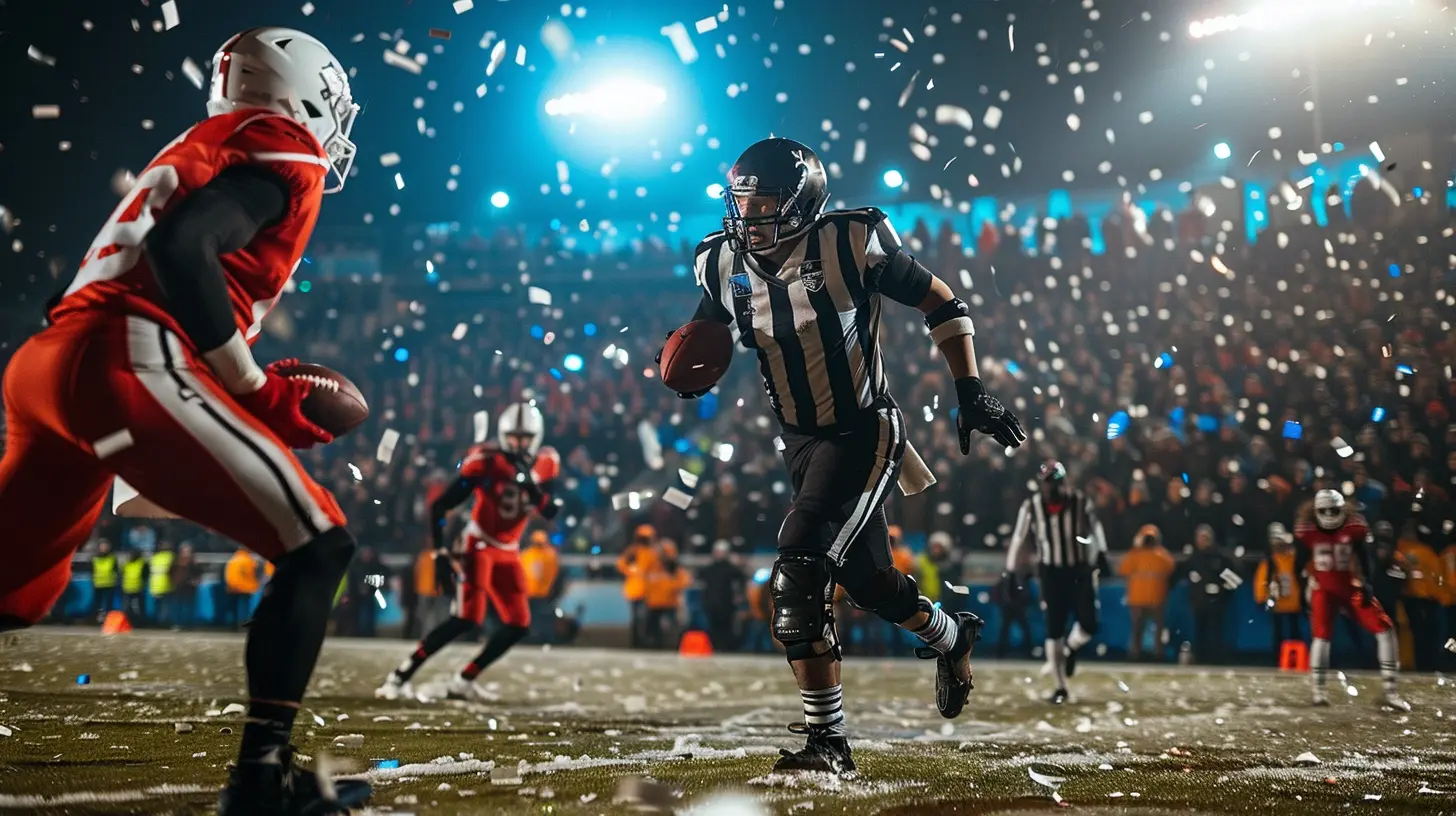
The Role of Referees in Sports
Referees are, in essence, the enforcers of the rules. Their primary responsibility? Ensuring that the game is played fairly and safely for all participants. Easy, right? Well, not really. Refereeing is actually a daunting job, especially in high-stakes games. With players competing at the highest level, emotions run high, and it’s the referee’s job to maintain order.But here’s the tricky part: sports are fast-paced. In many cases, a referee has only seconds, if not milliseconds, to make a call. These split-second decisions can be the difference between a win and a loss, a championship or heartbreak. The pressure is immense, and it’s not surprising that many referees face criticism, even abuse, from fans and players alike when things don’t go as expected.
Human Element: Imperfections and Bias
Remember, referees are human, not robots. This means they are prone to making mistakes. A missed foul, an offside call, or a questionable penalty can create a ripple effect that changes the entire trajectory of a game.But it’s not just about mistakes; there’s also the question of bias. While no referee would openly admit to being biased, studies have shown that subconscious influences can affect their decision-making. For instance, home-field advantage is a real phenomenon – referees are more likely to make favorable decisions for the home team due to crowd pressure and the atmosphere. Likewise, star players or teams with a reputation for success may subconsciously receive more lenient treatment.
Think about it: if you're a referee officiating a game in front of 50,000 fans screaming for a penalty, wouldn’t that pressure get to you, even if just a little?

Referees and Game-Changing Decisions
Okay, so we know referees can make mistakes, but how often do their decisions actually affect the outcome of a game? The answer is: quite often. Let's break it down by looking at a few examples across different sports.Soccer: The Power of the Whistle
In soccer, referees are often in the spotlight due to controversial decisions. A single penalty call or red card can be the difference between a win and a loss. In fact, studies have shown that a team that receives a red card (i.e., a player is ejected) is significantly more likely to lose the match. The numbers don’t lie: referees have a massive influence on soccer games.VAR (Video Assistant Referee) was introduced in recent years to help mitigate errors, but even this technology hasn’t eliminated controversy. While VAR allows referees to review certain decisions, it’s still up to the interpretation of the official, which means human error can still play a role.
Basketball: Fouls and Free Throws
In basketball, referees have considerable control over the pace of the game. A single foul can send a player to the free-throw line, giving their team a chance to score easy points. In close games, free throws (and the fouls that lead to them) often determine the outcome.Moreover, referees can influence momentum. A string of fouls against one team can disrupt their rhythm and give the opposing team an advantage. On the flip side, favorable calls can boost a team’s confidence and swing the game in their favor.
American Football: Penalties and Yardage
When it comes to American football, penalties can make or break a game. A holding call, offside, or pass interference can result in significant yardage gains or losses, which can change the entire dynamic of a drive. A team that’s marching down the field can be stopped in its tracks by a single penalty, while the opposing team may capitalize on a referee’s decision to gain crucial ground.Football fans often say that penalties are “drive killers,” and they’re not wrong. A referee’s whistle can change the momentum of a game, especially in high-pressure situations like the playoffs or Super Bowl.
Tennis: Line Calls and Challenges
In tennis, line calls are everything. A ball that’s in or out can shift the balance of a set, and ultimately, the match. While players now have the option to challenge calls using Hawk-Eye technology, not every situation is reviewable. Before this technology, players were entirely at the mercy of the line judges and chair umpire, which led to many infamous incidents of disputed calls.Even with Hawk-Eye, the final decision still rests in the hands of the umpire, and incorrect calls can impact a player’s mental state, potentially affecting their performance for the rest of the match.

The Psychological Pressure on Referees
Imagine being a referee in a packed stadium with thousands of fans, millions of viewers on TV, and players who are depending on you to make the right call. That’s a lot of pressure, right? Referees are often thrust into high-stakes situations where their decisions carry enormous weight.This pressure can lead referees to either overthink or hesitate, which might result in poor decision-making. It’s no surprise that referees often face intense scrutiny, and many suffer from stress or anxiety due to the high demands of their job. Some officials have even reported receiving death threats from disgruntled fans after controversial calls, which shows just how much influence they wield over the emotions and outcomes of major sporting events.
The Influence of External Factors
As much as referees try to remain impartial, it’s impossible to completely block out external factors. The crowd, the players, the coaches – all of these can have an impact on a referee’s psyche. Studies have shown that referees are more likely to award penalties or fouls in favor of home teams, likely due to the overwhelming noise and pressure from the crowd.Additionally, referees are aware of the reputations of certain players or teams. This can influence how they interpret certain situations. For example, a player known for diving may not receive the benefit of the doubt on a close foul call, while a “clean” player might be given the benefit of the doubt.
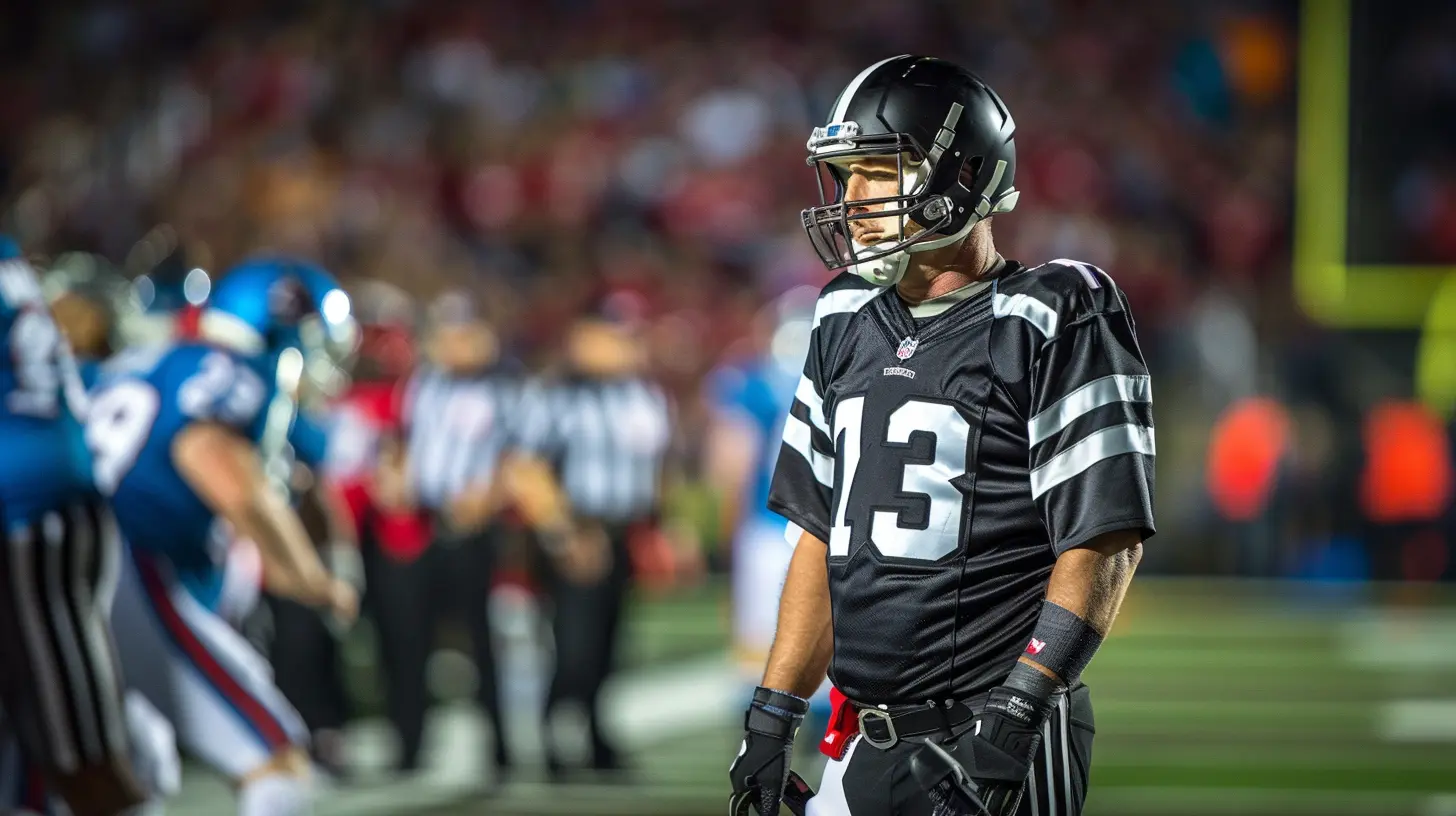
How Technology is Changing Refereeing
As we've seen, referees wield a significant amount of control over game outcomes, but technology is starting to play a bigger role in reducing human error. From VAR in soccer to instant replay in football and basketball, technology is helping referees make more informed decisions.However, even with these tools, referees are still the final decision-makers. Technology can provide evidence, but it’s up to the referee to interpret that evidence and make the call. And as we’ve seen time and time again, even with technology, controversy still arises.
The Future of Refereeing: Will Robots Take Over?
With the rapid advancement of technology, some have wondered if we’ll ever reach a point where referees are replaced by robots or AI. While this might sound far-fetched, the idea isn’t entirely out of the realm of possibility. AI could, in theory, eliminate human error and bias, ensuring that games are called with 100% accuracy.But here’s the thing: sports are not just about the rules; they’re about the human element. Players, coaches, and fans all bring emotions and passion to the game, and referees are part of that dynamic. Replacing referees with robots might make the game more “fair,” but it could also take away some of the drama and unpredictability that makes sports so exciting.
Conclusion: How Much Control Do Referees Really Have?
So, how much control do referees really have over game outcomes? The answer is: a lot. Referees are not just passive observers; they are active participants in the game, and their decisions can tilt the balance in favor of one team or the other. While technology has helped to reduce human error, referees are still the ultimate decision-makers, and their influence on the game cannot be understated.At the end of the day, referees are human, and they bring their own biases, pressures, and imperfections to the table. But that’s part of what makes sports so interesting. Every game is unpredictable, and while referees may control the rules, they can’t control the magic that happens on the field, court, or pitch.
all images in this post were generated using AI tools
Category:
RefereeingAuthor:

Umberto Flores
Discussion
rate this article
1 comments
Piper Dillon
Great insights on refereeing! It's fascinating how their decisions shape the game. Understanding this adds depth to sports discussions... well done!
August 1, 2026 at 10:29 AM
Umberto Flores
Thanks for the feedback! I'm glad you found the insights valuable. Referees truly play a crucial role in shaping the game.