The Mental Toughness of Referees: Dealing With Criticism and Pressure
26 May 2026
Let’s be honest—referees get a bad rap. Whether it’s a blown whistle or a controversial call, they’re often the first to be blamed and the last to be appreciated. But have you ever paused for a second and thought about what it truly takes to be a referee at any level of sport?
It's not just about knowing the rules. It's about mental toughness. We're talking grit, resilience, laser-sharp focus, and the unshakable ability to handle criticism and pressure like a pro.
In this article, we're diving deep into the world of referees—the unsung heroes of the game. We’ll explore what it really takes to be the person in black and white standing at the center of the storm.
Why Referees Deserve More Respect
Let’s get one thing straight: referees aren’t out there to ruin anyone’s day. They’re not biased, they’re not out for attention, and they certainly don’t enjoy being booed. In fact, most referees are just ordinary people with an extraordinary passion for the game.But despite their love for the sport, they’re constantly under scrutiny. Every decision is watched, replayed, and criticized by coaches, players, fans, and even pundits.
So what keeps them going?
The answer: mental toughness.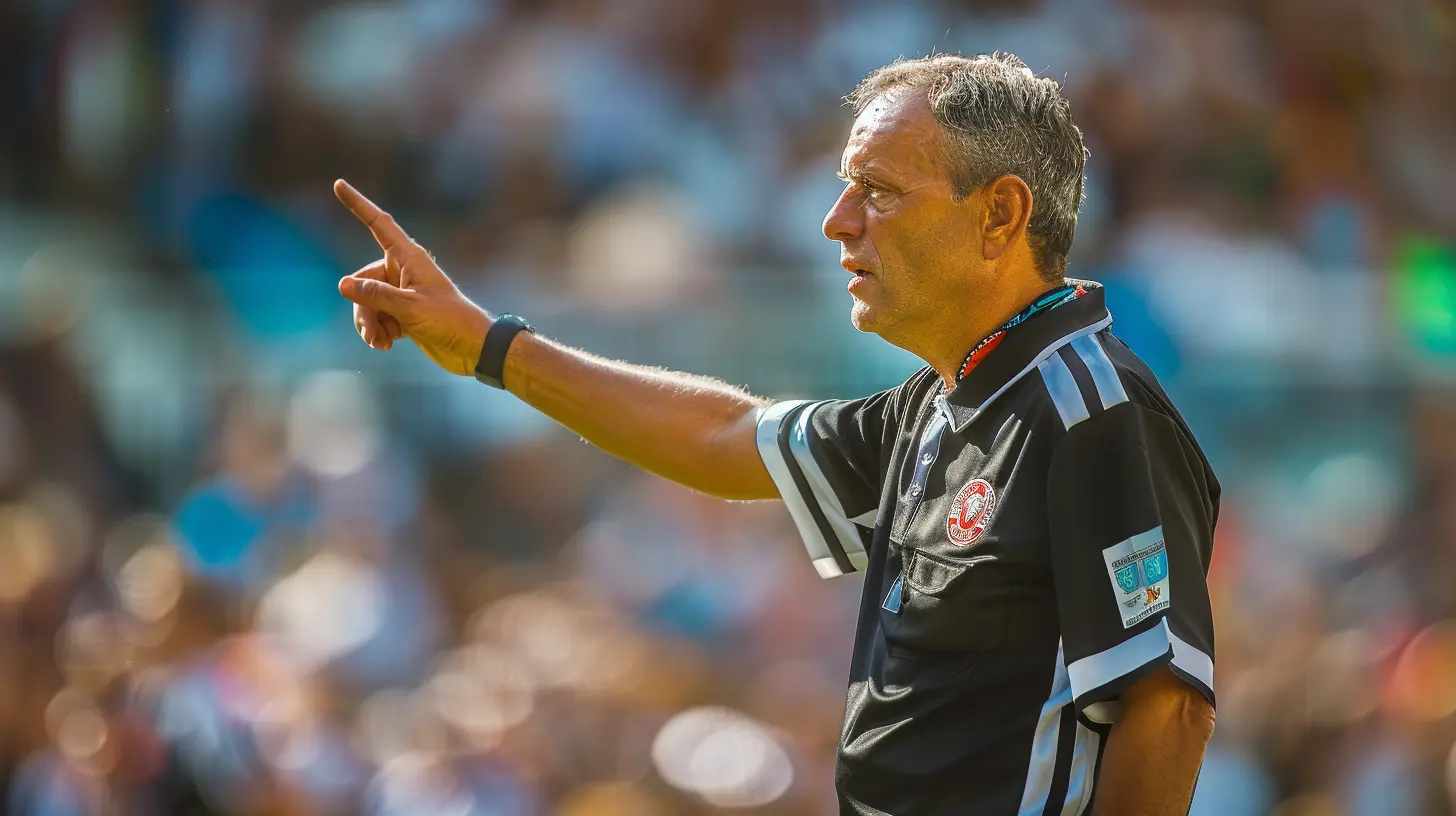
Mental Toughness: More Than Just a Buzzword
When we talk about mental toughness in sports, we often think about athletes pushing through pain or staying focused in high-stakes moments. But referees need a whole different kind of mental strength.They have to:
- Stay calm under hostile pressure
- Make split-second decisions in chaotic environments
- Deal with verbal abuse from fans and players
- Move on quickly after making mistakes
- Maintain authority without letting emotions take over
Think about it. While players have teammates to lean on, referees often stand alone. There's no bench to fall back on. No coach giving them a pep talk. They are the leaders of the game, even when the game turns against them.
The Criticism Is Constant. So Is the Pressure.
Referees are judged every single game, sometimes every single call.Make a late whistle? Fans scream.
Let the game flow? Coaches complain.
Call it tight? Players lose their cool.
And that’s just during the match. Afterward comes the video analysis, social media backlash, and endless debates on sports talk shows.
Sound brutal? That’s because it is.
Yet some referees have been doing this for decades. So how do they stay sane? How do they keep showing up, week after week, with their heads held high?
How Referees Build Mental Toughness
No one is born mentally tough. It's a skill—like shooting free throws or perfecting a corner kick. Referees build it over time, piece by piece.1. Experience Builds Confidence
The more games referees officiate, the better they get at reading situations, understanding player dynamics, and controlling the tempo. Experience also helps remove emotional reactions. Calls become automatic, and reactions become second nature.2. Training for the Mind, Not Just the Body
Referees are athletes too. They train hard to keep up with the pace of the game. But alongside physical training, many of them work on their mental game.Visualizations. Meditation. Breathing exercises. You name it, they use it.
These techniques help them stay grounded when the arena gets loud—or downright hostile.
3. Short Memory, Long Focus
You know what separates great referees from average ones? The ability to move on.Missed a call? Shake it off.
Got booed? Tune it out.
Criticized in the papers? Forget it.
They can’t carry mistakes into the next play. Just like a quarterback who throws an interception, they reset quickly and get back in the zone.
Referees and Emotional Intelligence
Mental toughness isn’t just about ignoring emotions—it’s about managing them.Referees must read the emotions of players and coaches, understand when tensions are rising, and defuse conflicts before they erupt.
That takes a high level of emotional intelligence. Knowing when to be firm, when to communicate, and when to just let things slide can be the difference between controlling the game and losing it completely.
What It’s Like Inside a Referee’s Head
Ever tried to hold a conversation in a thunderstorm? That’s what calling a game can feel like—chaos all around, emotions flaring, everyone yelling. And yet, referees have to stay focused like a sniper.They're not just watching the ball; they're watching hands, feet, off-ball movement, player reactions—everything.
And when it all happens in a split second? They don’t have the luxury of a slow-motion replay.
It’s mental gymnastics at the highest level.
Dealing With Mistakes and Backlash
Let’s be real—referees will make mistakes. They're human. But the difference is, their mistakes get played on highlight reels, shared on Twitter, and screamed about on sports radio.So how do they cope?
They review. They reflect. They learn.
Great referees study game footage like players do. They talk to mentors, seek feedback, and constantly look for ways to improve.
They understand that perfection isn’t possible—but growth is.
Support Systems: The Secret Weapon
Despite being the most isolated figures on the field, referees who last in the game often have strong support systems off of it.They lean on:
- Fellow referees who’ve walked the same path
- Mental coaches and sports psychologists
- Family and friends who remind them of their worth
Having someone to vent to after a tough match can be the difference between quitting and carrying on.
Social Media: Modern Pressure Amplifier
Let’s not ignore the elephant in the digital room—social media.It’s one of the biggest sources of post-game pressure for referees today. A single misjudged call can become a trending topic within minutes.
And unlike players, referees usually don’t have PR teams.
So many of them go offline. They disconnect to protect their mental space. Because once the noise gets too loud, it can wreak havoc on confidence.
Youth Referees: Rising Tough in a Harsh World
Now imagine all this—but throw in a teenager who's just starting out.Youth referees face heckling from irate parents, disrespect from players barely older than them, and pressure to "get it right" while still learning the ropes.
That's why building mental toughness at a young age is crucial. Training programs are beginning to include psychological resilience, teaching young refs how to handle criticism and stay confident despite the chaos.
We need to support them, not scare them away.
How We Can All Help
If you’ve ever been to a game, you’ve probably shouted something at a ref. Hey, we all get caught up in the moment. Passion is part of the game. But maybe it’s time we shift our perspective just a bit.Here’s how we can make things better:
- Offer respect. Even when we disagree with a call.
- Give grace. Everyone has bad days, including refs.
- Support growth. Especially for youth referees starting out.
Remember, referees aren't robots. They’re people. And like any other role in sports, they deserve our support, not just our criticism.
The Bottom Line: Tougher Than You Think
Referees may not score goals or hit home runs, but they keep the integrity of the game alive. And to do that, they need more than just eyes on the play—they need nerves of steel and a heart that refuses to quit.So the next time you feel like yelling at a ref, stop for a second.
Think about the pressure they’re under. Think about the mental gymnastics they perform every game. And maybe—just maybe—give them a bit of credit for showing up and standing strong in a thankless job.
Because honestly? It takes serious guts to wear the whistle.
all images in this post were generated using AI tools
Category:
RefereeingAuthor:

Umberto Flores
Discussion
rate this article
1 comments
Aris Mendez
This article sheds light on a crucial yet often overlooked aspect of sports. Referees face immense pressure and criticism, and their mental resilience is impressive. I wonder how their experiences could inform athletes and coaches about handling adversity. It's a fascinating angle worth exploring further.
May 31, 2026 at 12:40 PM
Umberto Flores
Thanks for your thoughtful comment! I completely agree that exploring referees' experiences can offer valuable insights for athletes and coaches on managing adversity. It's definitely a topic worth diving into further.