The Pressure Cooker: Handling High-Stakes Decisions as a Referee
14 August 2026
Officiating a high-pressure game is not for the faint of heart. Referees are often the unsung heroes (or villains, depending on whom you ask) of the sports world. Imagine standing in the middle of a packed stadium, with thousands of screaming fans, hyper-competitive athletes, and coaches who think they could do your job better. The pressure is real, and every call you make (or don’t make) can turn the tide of a game.
So, how do referees handle these high-stakes decisions with confidence and precision? That’s exactly what we’re diving into today. Buckle up—this is the ultimate guide to managing the pressure cooker that is officiating in sports.
The Weight of the Whistle
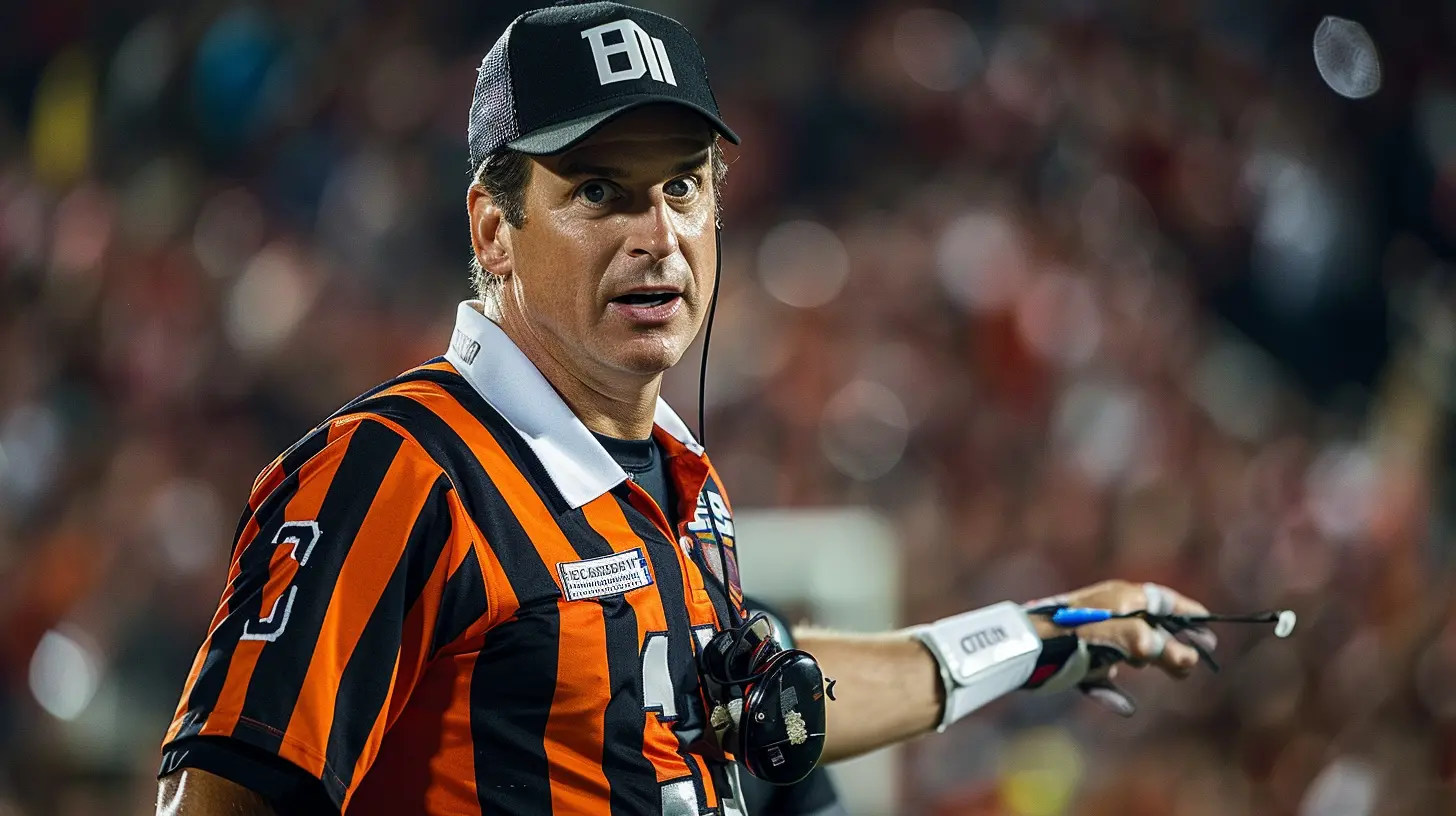
When a referee steps onto the field or court, they carry more than just a whistle—they carry the integrity of the game. Every decision impacts not just the outcome but also the fairness, sportsmanship, and flow of competition.Unlike players or coaches, referees don't get second chances. There's no halftime adjustment, no time-outs to rethink a call. One mistake, and suddenly, an entire fanbase is calling for your head on social media. The ability to make split-second decisions in high-pressure situations is a skill that separates great referees from the rest.
The Mental Game: Staying Cool Under Pressure
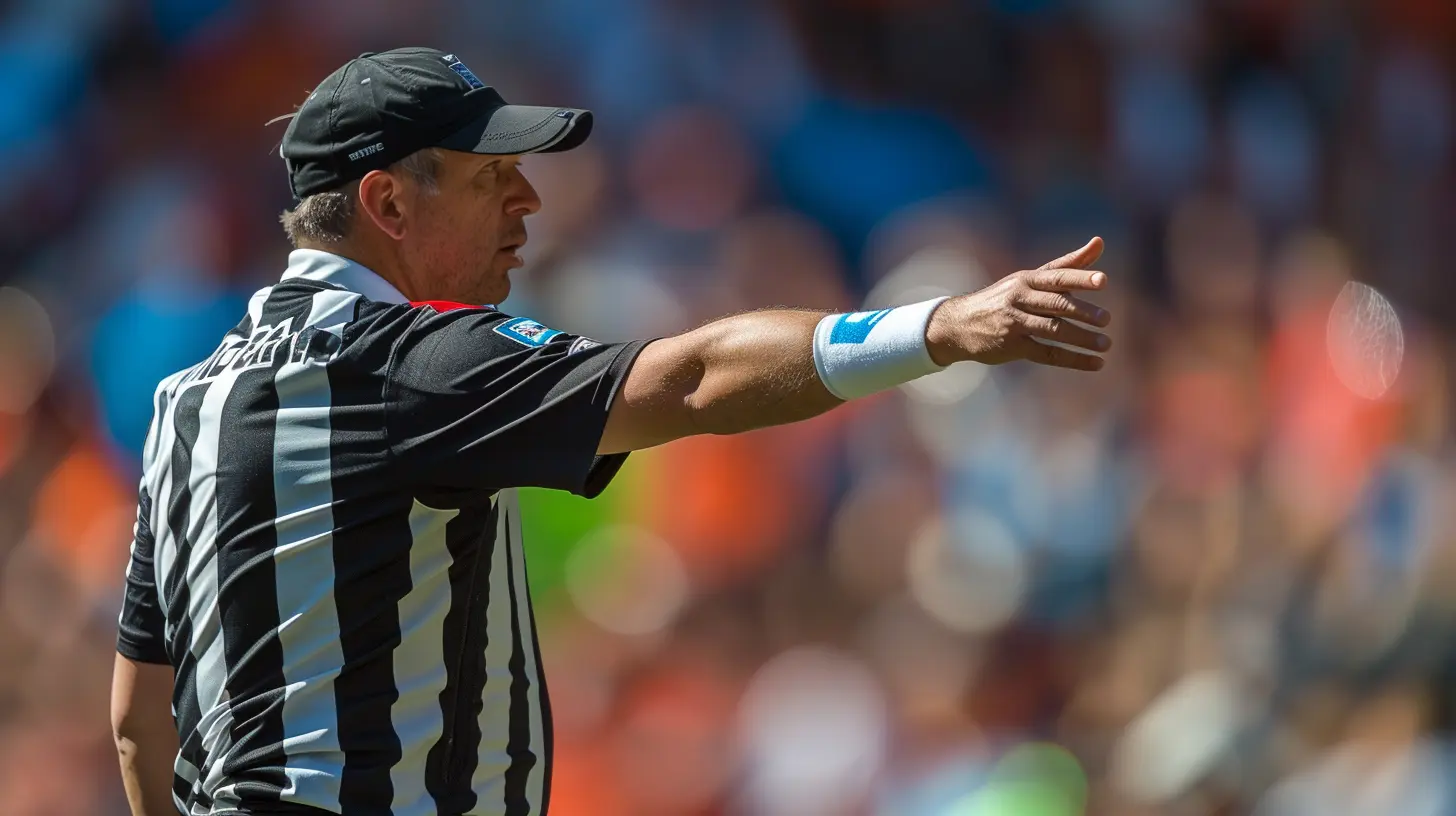
Refereeing isn’t just about knowing the rulebook like the back of your hand—it’s a mental battle. External factors like crowd noise, player reactions, and time constraints can cloud judgment. To stay sharp, referees rely on a few key techniques:1. Confidence Through Preparation
Referees must be students of the game. The best officials don’t just memorize the rules; they understand them inside and out. They anticipate scenarios before they happen and mentally rehearse their responses. Knowing the intricacies of the game breeds confidence, and confidence reduces hesitation in tight moments.2. The Art of Controlled Breathing
Ever notice how elite athletes take deep breaths before big moments? The same applies to referees. Controlling breathing helps regulate stress levels, keeping the mind clear and focused. A deep inhale before blowing the whistle can make all the difference when making a tough call.3. Blocking Out the Noise
Fans are passionate—sometimes too passionate. Every referee has faced the wrath of a booing crowd or an irate coach. The trick? Developing selective hearing. Good referees tune out distractions and focus solely on the game. Think of it like putting on mental blinders—blocking out everything except what truly matters.
The Split-Second Decision Making
Most referee decisions happen in the blink of an eye. There’s no pause button to replay the moment. Here’s how officials sharpen their decision-making skills:1. Trusting Instincts
With experience, referees develop a sixth sense for the game. The brain processes information at lightning speed, and seasoned refs learn to trust their gut. Overthinking leads to hesitation, and in high-speed sports, hesitation spells disaster.2. Positioning is Everything
A referee’s view of the play determines the accuracy of the call. The best referees move constantly, staying in the best possible position to see plays unfold. It’s like being a chess master—anticipating the next move and positioning accordingly.3. Utilizing Instant Replay (When Available)
Modern technology gives referees a second chance at reviewing crucial calls. But even with replay, the decision ultimately rests on human judgment. Referees must balance the use of technology with their instincts, ensuring the right decision is made without disrupting the flow of the game.
Handling Controversial Calls
No matter how skilled or prepared a referee is, controversial calls are inevitable. Fans will disagree. Players will argue. Coaches will protest. Handling these moments with professionalism is crucial.1. Staying Composed in Heated Situations
It’s easy to get defensive when a coach is screaming in your face. But a composed referee diffuses tension rather than adding fuel to the fire. Keeping a calm demeanor shows authority and control.2. Communicating Clearly
A well-explained decision can defuse a lot of frustration. When players and coaches understand why a call was made, they’re more likely to respect it—even if they disagree. A simple, clear explanation goes a long way in earning credibility.3. Having Thick Skin
Let’s face it—referees are often criticized more than appreciated. The best officials don’t take it personally. They understand that emotions run high in sports, and they don’t let negativity affect their performance.The Emotional Toll of Being a Referee
The job of a referee isn’t just physically demanding—it’s mentally and emotionally exhausting as well. Constant scrutiny, intense pressure, and the expectation of perfection can take a toll.1. Coping with Criticism
Even the best referees make mistakes. The key is learning from them without dwelling on them. Refs must have short memories, much like athletes who move on after a bad play.2. Finding a Support System
Many referees form tight-knit communities where they can share experiences, seek advice, and vent frustrations. Having fellow officials who understand the unique pressures of the job can make all the difference.3. Maintaining Passion for the Game
At the end of the day, referees do this job because they love the sport. Remembering that love, despite the challenges, keeps officials motivated through even the toughest moments.
Conclusion
Being a referee is often a thankless job, but it’s one of the most crucial roles in sports. Handling high-stakes decisions under immense pressure requires mental fortitude, sharp instincts, and thick skin. Great referees don’t just enforce the rules—they protect the integrity of the game.So, next time you see a referee making a tough call, take a moment before yelling at the TV. Behind every whistle, there’s a human being navigating the pressure cooker of high-stakes officiating.
all images in this post were generated using AI tools
Category:
RefereeingAuthor:

Umberto Flores
Discussion
rate this article
2 comments
Jaxon Acevedo
Referees often face intense pressure, and their decisions can change the course of a game. It's crucial to recognize the skill and judgment required to navigate these high-stakes situations. Understanding their perspective can foster greater appreciation for the challenges they encounter on the field.
August 18, 2026 at 3:43 AM
Umberto Flores
I completely agree. Referees deserve credit for their quick thinking under pressure. Their role is vital, and understanding their challenges can lead to more respect from fans and players alike.
Pamela Hardy
Refereeing at high-stakes games is a tough job. The pressure can lead to split-second decisions that change the course of a match. It's crucial for officials to stay calm and focused, knowing that their choices can have lasting impacts on players and fans alike.
August 17, 2026 at 3:20 AM