The Rise of AI Coaches: How Machine Learning Is Transforming Team Strategy
17 November 2026
The landscape of sports coaching is experiencing a seismic shift, and the catalyst for this transformation is none other than artificial intelligence. With machine learning at the forefront, AI coaches are not just a novelty; they are becoming integral to team strategy across various sports. This is not about replacing human coaches; rather, it's about augmenting their capabilities and providing insights that were previously unimaginable. In this article, we will delve into how AI is reshaping team strategies, the practical implications, and what this means for the future of sports.
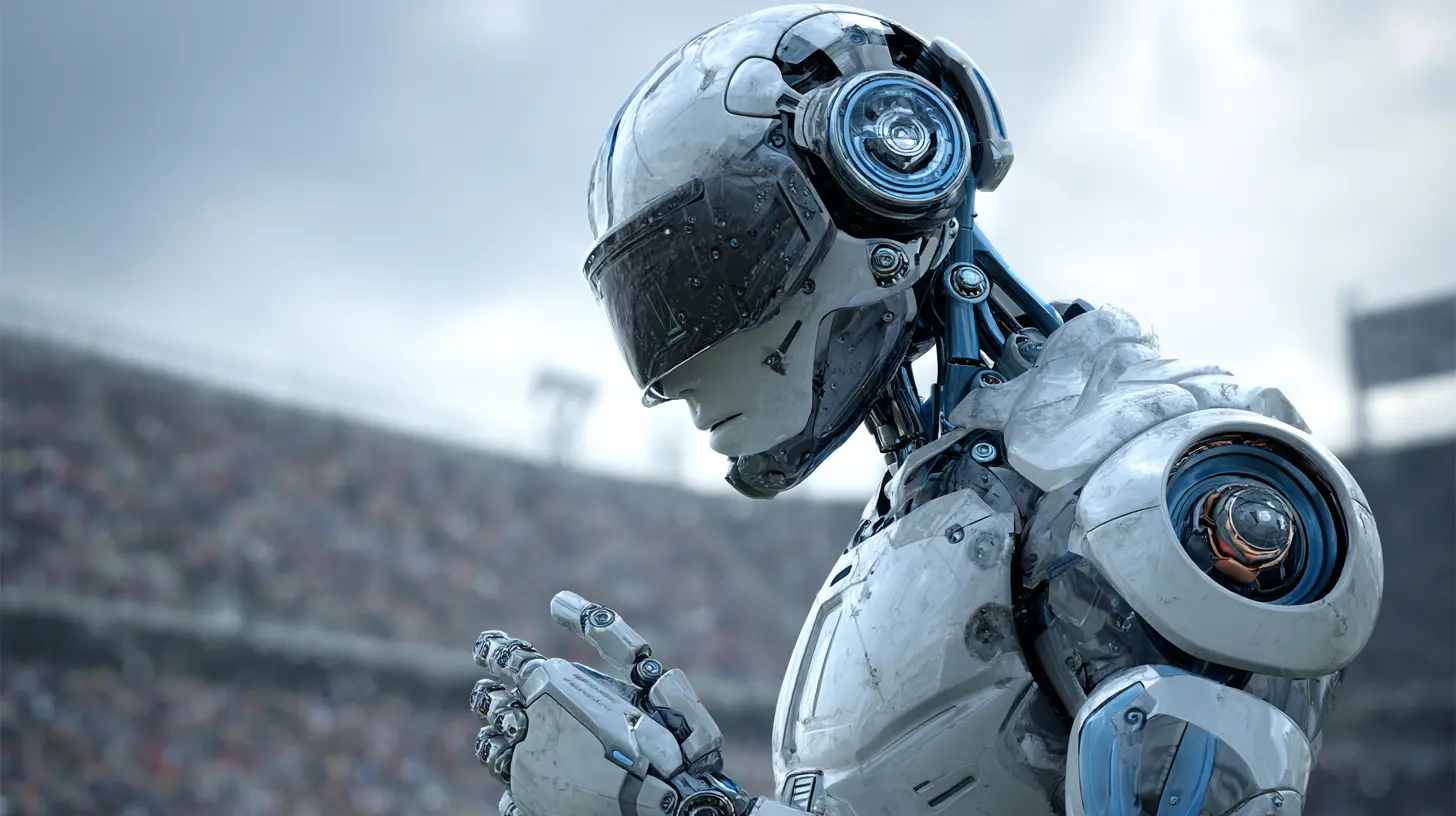
Understanding AI in Sports Coaching
What is AI Coaching?
AI coaching refers to the integration of artificial intelligence technologies in the coaching process. This includes data analysis, predictive modeling, and real-time feedback mechanisms. By utilizing vast amounts of data, machines can identify patterns, make predictions, and provide strategic recommendations that can enhance team performance.Machine Learning Explained
At its core, machine learning is a subset of AI that uses algorithms to analyze data, learn from it, and make determinations with minimal human intervention. In the context of sports, machine learning can analyze player performance statistics, game footage, and even fan engagement metrics. This allows coaches to gain insights that are data-driven rather than relying solely on intuition or experience.
The Benefits of AI Coaches
Enhanced Decision Making
AI coaches can process and analyze considerable amounts of data in real-time, allowing for quicker and more informed decision-making. For example, during a basketball game, machine learning algorithms can analyze player movements and predict the next best play based on past performance and real-time statistics. This capability enables coaches to make adjustments on the fly, optimizing their strategies in ways that were previously impossible.Personalized Training Programs
One of the standout benefits of AI is its ability to tailor training programs to individual athletes. By analyzing a player's performance metrics, such as speed, accuracy, and stamina, AI can create customized training regimens that target specific weaknesses. This personal touch can help athletes reach their full potential more efficiently.Injury Prevention
AI technologies are also being used to monitor athletes' physical conditions and predict injury risks. By analyzing biomechanical data, AI can identify when an athlete is at risk of overtraining or injury. For instance, wearable devices can track an athlete's heart rate, movement patterns, and even fatigue levels. Coaches can then use this information to adjust training loads and prevent injuries before they happen.Game Strategy Optimization
AI can simulate various game scenarios, enabling coaches to strategize more effectively. By analyzing opponents' past games and patterns, machines can suggest optimal game plans. For instance, in soccer, AI can analyze the opponent's defensive formations and recommend attacking strategies that exploit weaknesses. This strategic foresight can give teams a competitive edge.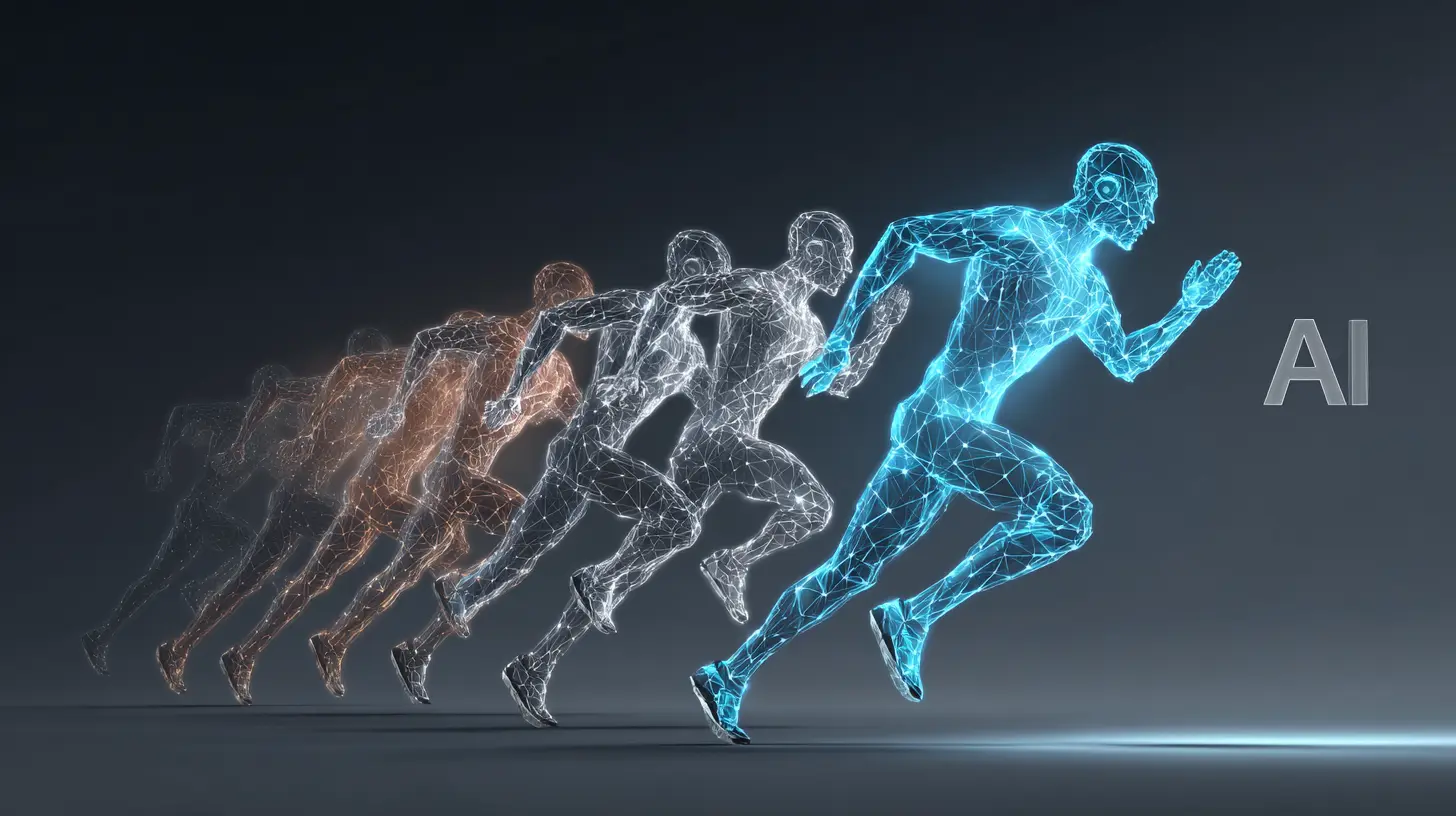
Real-World Examples of AI in Action
The New York Yankees
The New York Yankees have been at the forefront of leveraging data analytics to enhance performance. They use machine learning to evaluate player performance and make decisions on player acquisitions, trades, and game strategies. The team's focus on data-driven decision-making has contributed to its sustained success in Major League Baseball.The Golden State Warriors
The Golden State Warriors have integrated AI into their coaching methods to refine player development and game strategies. They utilize analytics to assess player performance in training and games, allowing for tailored feedback. This approach has played a significant role in their championship successes over the years.FC Barcelona
FC Barcelona employs AI technology for tactical analysis. By using machine learning algorithms to analyze match footage, they can dissect opponents' strategies and tailor their approach accordingly. This not only enhances performance but also provides a deeper understanding of the game.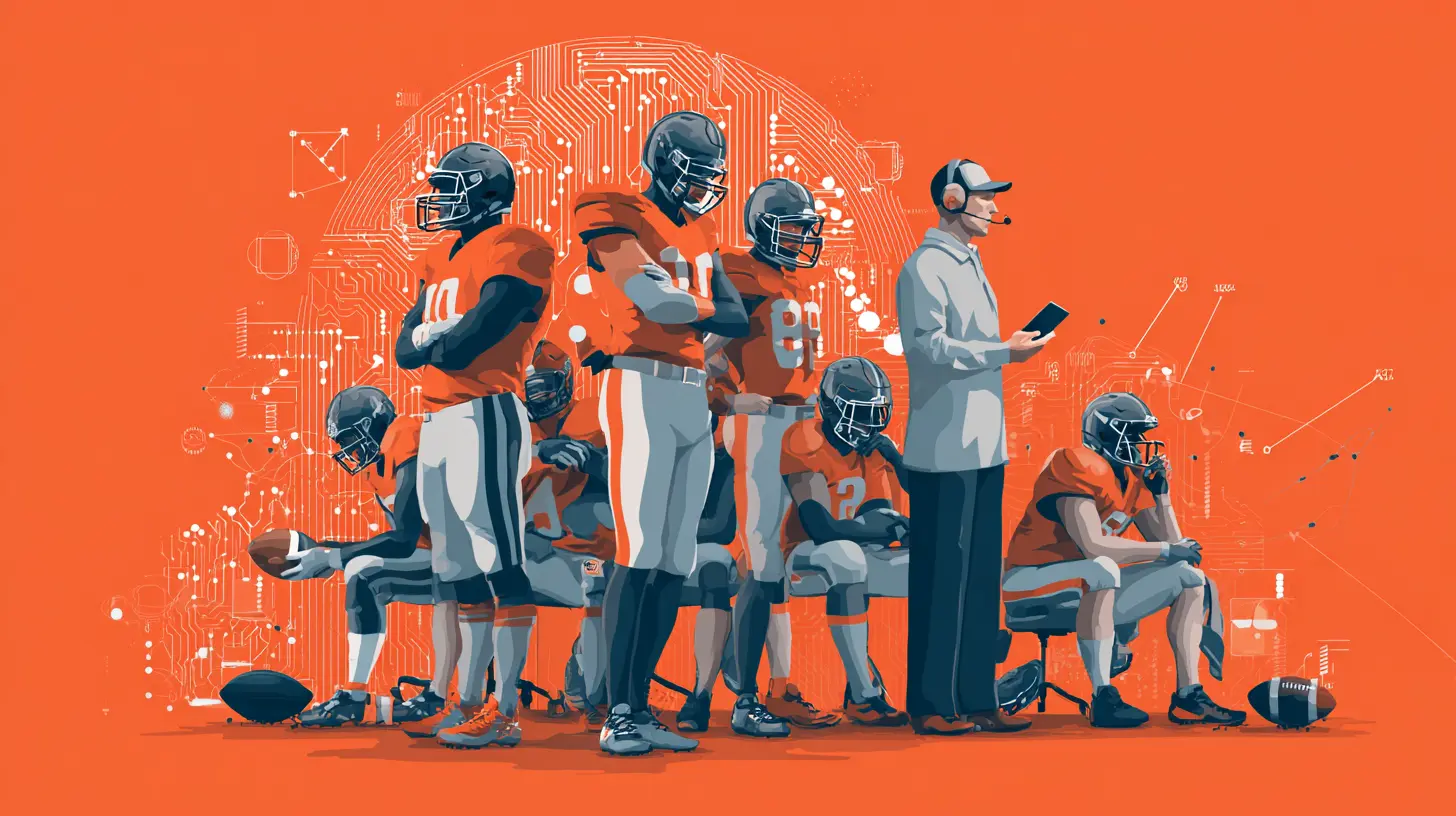
Common Misconceptions About AI Coaches
AI Will Replace Coaches
One of the biggest misconceptions is that AI will replace human coaches. In reality, AI is a tool that enhances the coaching process. Coaches bring emotional intelligence, experience, and the ability to motivate players - qualities that AI simply cannot replicate. The best results come when AI is used to support and inform human decision-making.AI is Only for Big Teams
While it is true that major teams have the resources to invest in AI technologies, smaller teams can also benefit from these advancements. There are numerous affordable AI solutions available today that can help any team analyze data and improve performance. The accessibility of these tools is increasing, making AI coaching a viable option for teams at all levels.Best Practices for Implementing AI in Coaching
Start Small
When integrating AI into coaching, it's wise to start with manageable projects. Focus on a specific area such as player performance analysis or injury tracking. As you become more comfortable with the technology, you can expand its use across different aspects of training and strategy.Keep Human Insight at the Core
While AI provides valuable data-driven insights, it is crucial to maintain human intuition in the decision-making process. Coaches should use AI as a supplement rather than a replacement for their expertise. This hybrid approach often yields the best results, as it combines the strengths of both human and machine.Invest in Training
Coaches and staff must be trained to understand and effectively utilize AI tools. Investing in professional development ensures that everyone involved knows how to interpret the data and make informed decisions based on AI recommendations.Monitor and Adjust
As with any strategy, monitoring the effectiveness of AI integration is key. Regularly assess whether the AI tools are providing the desired outcomes and make adjustments as needed. This iterative process helps refine the use of AI and maximize its benefits.
The Future of AI Coaching
The potential of AI in sports coaching is only beginning to be realized. As technology continues to evolve, we can expect deeper integration of AI into every aspect of team strategy. Here are a few trends to watch for:Increased Use of Predictive Analytics
As machine learning algorithms become more sophisticated, predictive analytics will play a larger role in coaching. Coaches will be able to anticipate opponent strategies and player performance outcomes with greater accuracy.More Comprehensive Player Health Monitoring
Wearable technology will continue to advance, providing even more detailed health metrics. This data will be invaluable for coaches looking to optimize player performance while minimizing injury risks.Evolution of Game Strategy
AI's ability to simulate game scenarios will revolutionize how teams prepare for matches. Coaches will be able to run thousands of simulations to identify the best strategies, leading to more dynamic and adaptive gameplay.Enhanced Fan Engagement
AI is not limited to coaching; it will also transform how teams interact with fans. Tailored content, personalized experiences, and real-time engagement strategies will become the norm, creating a more immersive experience for supporters.Conclusion
The rise of AI coaches signifies a new era in sports strategy. Machine learning is not just a trend; it is a game-changer that provides teams with the tools they need to enhance performance, tailor training, and optimize game strategies. While AI will not replace the invaluable human element of coaching, it will undoubtedly reshape the landscape of sports in profound ways. As this technology continues to evolve, teams that embrace AI will likely find themselves at a significant advantage, both on and off the field.
all images in this post were generated using AI tools
Category:
Sports TechnologyAuthor:

Umberto Flores