The Rise of Young Talent in the 2027 Sports Year
22 October 2026
Every sports era has a moment when the veterans step back and the next wave steps forward. The 2027 sports year looks set to be one of those inflection points. Across soccer, basketball, tennis, track and field, swimming, and a dozen other disciplines, a generation of athletes born in the early to mid 2000s is arriving at physical maturity at the same time that established stars are entering the back half of their careers. The result is not simply a changing of the guard. It is a structural shift in how young athletes are developed, protected, marketed, and judged.
This article examines that shift with a focus on what it means for athletes, coaches, parents, teams, and fans. It avoids hype and treats the 2027 season as a planning horizon rather than a prophecy. The goal is to help you understand why young talent is rising now, what can go wrong, and how to make sound decisions in a landscape that rewards patience as much as promise.

Why 2027 Is a Real Inflection Point
The rise of young talent is not a single event. It is the convergence of several long trends that happen to peak around the same calendar year.The development pipeline has matured
Academies, youth national team programs, and club systems have become far more sophisticated over the past two decades. In soccer, the academy model that once existed mainly at a handful of European clubs is now global. In basketball, prep schools and professional pathways have multiplied. In tennis, national federations and private academies have refined the transition from junior to professional competition. These systems do not produce finished players. They produce players who are ready for senior competition earlier than their predecessors were.The practical effect is a wider pool of athletes who can hold their own at the senior level by age 18 or 19. That pool is deepest in sports with strong institutional pipelines and shallowest in sports where development depends on individual family resources.
Sports science has changed the timeline
Strength and conditioning, load management, nutrition, and recovery are now standard parts of youth development in well-funded programs. This does not mean every young athlete is handled well. It means the ceiling for a well-supported 19-year-old is higher than it was a generation ago.There is a trade-off here. Better physical preparation allows earlier senior debuts, but it also creates pressure to compete year-round. The athletes who thrive long term are usually the ones whose coaches resisted that pressure at the right moments.
The economics favor youth
Teams and leagues have strong incentives to identify and sign young talent early. Transfer values, salary caps, and roster rules in many sports reward clubs that develop players rather than buy them at peak price. For the athlete, an early professional contract can be life-changing. For the club, it is a calculated bet on future performance.Fans should understand this incentive structure because it shapes what they see. When a 19-year-old is promoted to a senior squad, it is not always because the coaching staff believes the player is ready for every challenge. Sometimes it is because the club needs to protect an asset, satisfy roster rules, or build market value. That is not cynicism. It is how professional sport works, and it matters when evaluating young players fairly.

What Makes a Young Athlete Ready for Senior Competition
Readiness is the central question of the 2027 season. A player who dominates at the junior level is not automatically prepared for senior sport. The gap is physical, tactical, and psychological, and each dimension needs separate attention.Physical readiness
Senior competition demands more repeated high-intensity efforts, more contact, and a longer season. A young athlete who is fast in short bursts may struggle with recovery between efforts. A young athlete who is strong in the gym may still lack the durability to absorb a full professional calendar.Coaches should look at three indicators before promoting a young player: how the athlete recovers between matches, how the athlete holds technique under fatigue, and how the athlete's body responds to a sudden increase in minutes. If any of these is shaky, the promotion is premature regardless of talent.
Tactical readiness
Tactical maturity is often the last piece to arrive. Young players can execute instructions but may struggle to read the game at senior speed. The best development environments give young athletes meaningful minutes in competitive situations rather than brief cameos, because reading the game requires repetition against opponents who punish mistakes.A common mistake is judging a young player on highlight moments. A spectacular goal or a single strong quarter tells you little about tactical reliability. What matters is decision-making under pressure across a full match.
Psychological readiness
This is the hardest dimension to assess and the most frequently ignored. Young athletes face scrutiny, criticism on social media, and the sudden weight of expectations. Some handle it well. Others need time.There is no reliable test for psychological readiness. The best practice is a gradual introduction with clear communication about role and expectations. A young player who understands exactly what is expected of them is far more likely to succeed than one who is thrown in without context.

The Sports Where the Shift Is Most Visible
The rise of young talent is uneven across sports. Understanding where it is strongest helps explain why it is happening.Soccer
Soccer's global academy system makes it the clearest example. Clubs in Europe, South America, and increasingly Africa and Asia are producing senior-ready players at 18 and 19. The 2027 season will likely see several players from the early 2000s cohort become full internationals.The trade-off is exposure. Young soccer players who debut early face a crowded calendar and intense media attention. Clubs that manage minutes carefully tend to produce more durable careers. Clubs that rush players often see them plateau or break down.
Basketball
Basketball has a long history of young stars, but the development pathway has changed. The one-and-done era in American college basketball gave way to a wider set of routes, including professional leagues abroad and developmental leagues at home. By 2027, expect more players entering professional competition at 18 or 19 with a more mature all-around game than earlier generations.The risk in basketball is physical. Young players entering professional leagues face bigger, stronger opponents nightly. Load management and skill development need to continue after the debut, not stop at it.
Tennis
Tennis is a sport where young talent can rise fast because individual results are visible immediately. The transition from junior to professional tennis is notoriously difficult, but the 2027 season should feature several players in their early twenties who have already established themselves.The main concern in tennis is scheduling. Young players who play too many tournaments accumulate fatigue and injury risk. The best practice is a carefully planned calendar with clear rest periods, even if it means missing events that fans want to see.
Track and field and swimming
In individual, measurable sports, young talent is easy to spot because times and distances are objective. The 2027 season will likely see several teenage athletes posting senior-level results. The challenge here is peaking. Young athletes who chase fast times every month often arrive at major championships flat. Coaches who plan a season around two or three key meets tend to produce better results.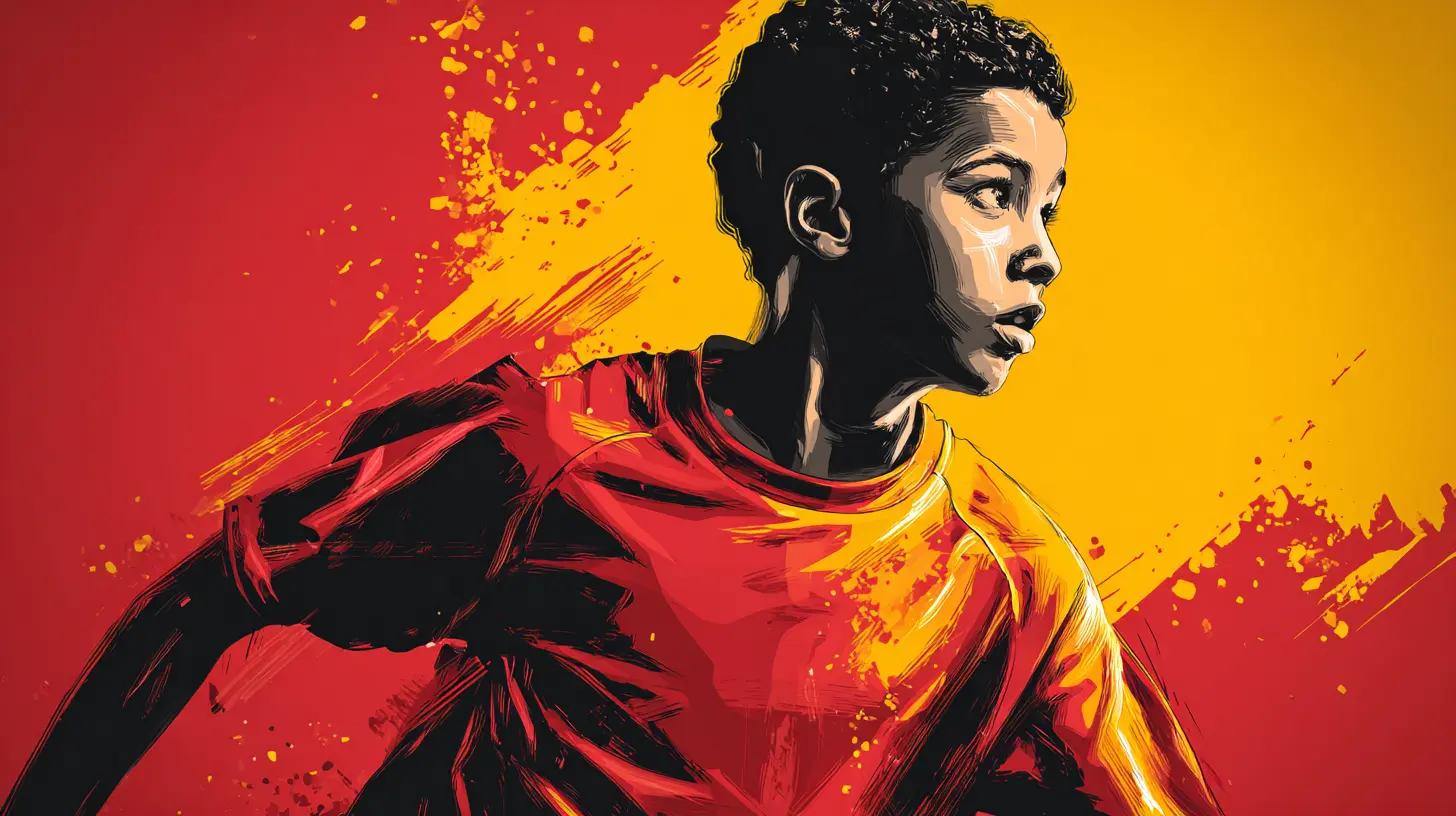
The Risks Nobody Talks About Enough
The rise of young talent is generally treated as a positive story, and often it is. But there are real risks that deserve honest attention.Early specialization and overuse injury
Athletes who specialize in one sport before puberty face higher injury risk and often burn out. This is well established in sports medicine. The 2027 cohort includes many athletes who specialized early, and some will pay a price.The best practice is late specialization with broad athletic development. This is easier said than done in sports where academies recruit at age 10 or 11. Parents should ask hard questions about training volume and rest before committing a child to a high-intensity pathway.
The pressure to perform before the body is ready
Young athletes are often asked to do things their bodies cannot yet handle. A 17-year-old soccer player asked to play three matches in eight days is at risk, even if they say they feel fine. Young athletes are notoriously poor at self-reporting fatigue. Coaches and medical staff need to make those decisions for them.Media and social media exposure
A young athlete who has one good season can suddenly face national attention. This is a lot to handle at 18 or 19. The best organizations prepare young players for media obligations and provide support when criticism arrives. The worst ones leave them to figure it out alone.Contract and representation decisions
Young athletes and their families often face high-stakes decisions early. Signing with an agent, choosing a club, or accepting a scholarship are not reversible choices. The common mistake is choosing the option with the most immediate money or prestige rather than the one that offers the best development environment.A useful rule of thumb: the best decision for a young athlete is usually the one that provides the most playing time at the highest level they can handle, not the one that provides the biggest paycheck. That is not always possible, but it should be the default question.
How to Evaluate Young Talent Without Overhyping It
Fans, media, and even scouts routinely overrate young players. Here is a practical framework for evaluating them more honestly.Look at the role, not the highlight
Ask what role the young player is being asked to fill. A player who is trusted with a specific job in a senior team is more advanced than one who is used as a late substitute for energy. Role tells you what the coaching staff actually believes.Watch the response to mistakes
Young players make mistakes. The question is what happens next. A player who recovers quickly and adjusts is showing the trait that separates long careers from short ones. A player who compounds errors is not ready for a bigger role.Compare against peers, not against veterans
It is unfair to compare a 19-year-old to a 29-year-old in their prime. Compare young players to other young players in similar situations. The relevant question is whether the player is progressing relative to their own cohort.Be patient with the second season
The second season is often harder than the first. Opponents have scouted the young player, expectations have risen, and the novelty has worn off. A dip in the second season is normal. Judging a young athlete on one bad year is a common mistake.
Best Practices for Coaches and Teams
Organizations that handle young talent well tend to share several practices.Individualized load management
Young athletes should not be treated as smaller versions of veterans. Their training and match loads need to be planned individually, with clear limits and regular review. This is not softness. It is how you protect a long-term asset.Clear communication about role
Young players need to know exactly what is expected of them. Vague encouragement is not enough. Specific, honest feedback about strengths and development areas helps young athletes focus their work.A pathway, not a cliff
The transition from youth to senior sport should be gradual. A player who moves from youth team to first team with no intermediate step is at higher risk of stalling. Loan spells, reserve team minutes, and gradual integration all serve this purpose.Support beyond the field
Young athletes need help with media, finances, education, and mental health. Organizations that provide this support produce more resilient players. Those that do not often lose talented athletes to problems that had nothing to do with sport.Best Practices for Parents and Young Athletes
If you are the parent of a talented young athlete, or a young athlete yourself, the decisions ahead are significant. Here is practical guidance.Prioritize development over early wins
Trophies at 15 do not predict professional success. The athletes who make it are usually the ones who kept improving through their late teens and early twenties. Choose environments that develop skills, not just results.Protect rest
Rest is training. Young athletes who take proper off-seasons and recovery periods tend to have longer careers. Do not let a coach or a schedule pressure you into year-round competition in a single sport.Ask about the pathway
Before committing to a program, ask specific questions. How many young players have moved to the senior level in the past five years? What support is provided for education and mental health? What happens if the athlete is injured? The answers will tell you more than any brochure.Keep perspective
Very few young athletes become professionals, and fewer still become stars. That does not make the journey worthless. Sport teaches discipline, teamwork, and resilience. Those lessons matter regardless of where the athlete ends up.
Common Misconceptions About Young Talent
Several myths about young athletes persist and cause real harm. Here are the most important ones.Myth: If you are good enough, you are old enough
Talent is necessary but not sufficient. Readiness depends on physical, tactical, and psychological factors. A talented 17-year-old may still need another year before senior competition is appropriate.Myth: Early success guarantees a long career
Many highly touted young athletes plateau. Some are derailed by injury. Some lose motivation. Early success is a signal, not a guarantee. The athletes who last are usually the ones who keep working after the initial hype fades.Myth: Young athletes should play every minute to develop
Playing time matters, but quality matters more. A young player who plays 90 minutes every week but is exhausted and making repeated errors is not developing well. Managed minutes with clear feedback are often better.Myth: The best young athletes are the most confident
Confidence can be a mask. Some of the most successful young athletes are quietly unsure of themselves. Coaches and parents should look for consistent work habits and coachability rather than outward bravado.What to Watch in the 2027 Season
For fans, the 2027 season offers a chance to see the next generation establish itself. Here are specific things to watch.Which young athletes get real roles, not cameos
Watch which coaches trust young players with meaningful responsibilities. Those are the players most likely to have long careers.How organizations manage the calendar
Watch how teams handle young athletes during congested periods. The organizations that rest young players at the right moments are the ones thinking long term.Which young athletes handle adversity well
Every young athlete will face a difficult stretch. Watch who responds with adjustment and work rather than frustration. That is the clearest signal of future success.How the media narrative evolves
Early hype often gives way to criticism. Watch how young athletes and their organizations handle that shift. The best ones keep the focus on development rather than headlines.
A Balanced View
The rise of young talent in 2027 is a genuine and positive development. It reflects better development systems, better sports science, and a deeper global talent pool. But it is not a simple story of young athletes replacing old ones. It is a story about how sport develops people, and that story has always included risks as well as rewards.The athletes who thrive will be those who are given time, support, and honest feedback. The organizations that thrive will be those that resist the temptation to rush. And the fans who enjoy the 2027 season most will be those who watch young athletes with patience rather than instant judgment.
The next generation is arriving. How we handle them will shape the sports landscape for the next decade.
all images in this post were generated using AI tools
Category:
Season RecapsAuthor:
Umberto Flores

