The Role of Lighting in Creating the Perfect Stadium Atmosphere
4 March 2026
Have you ever walked into a stadium and immediately felt chills—even before the first whistle blew? That electric buzz, that palpable energy in the air, that gut-level excitement? It’s not just the crowd noise or the scent of popcorn in the wind. Often, it’s the lighting doing the heavy lifting. Yeah, lighting.
We tend to overlook it, but lighting is one of the most powerful tools in any stadium’s arsenal. It creates mood, directs attention, adds drama, and—even more importantly—ensures that players and fans alike can fully experience the magic of the game. It’s more than just flipping a switch. It's precision. It's art. It's science.
So grab a seat (hopefully under some great lighting), and let’s dive into how lighting plays a vital role in crafting that perfect stadium atmosphere.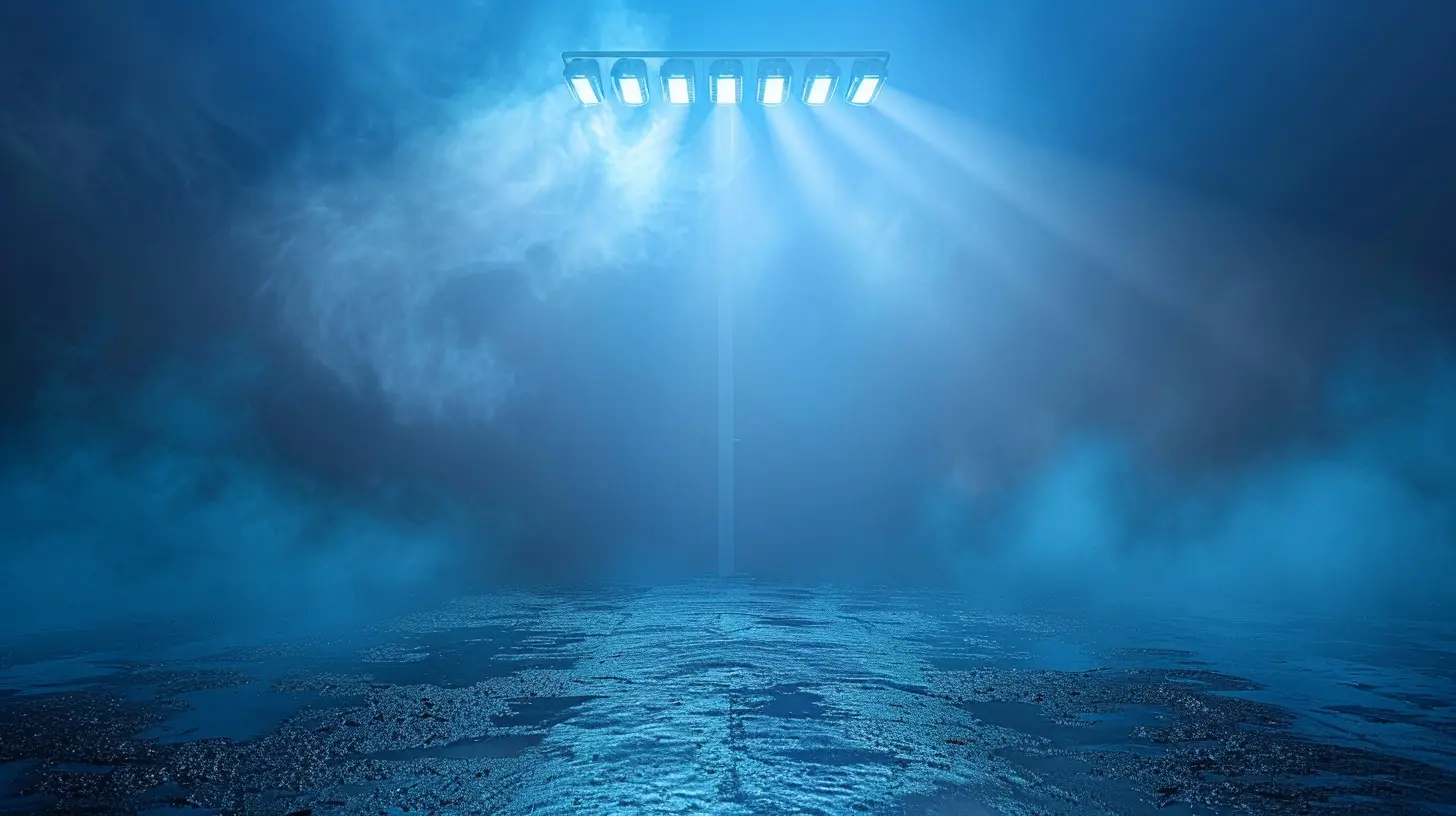
Why Stadium Lighting Is More Than Just Brightness
Let’s get one thing straight—stadium lighting is way more than a bunch of high-powered bulbs pointed at a field. Sure, you need brightness for visibility. But lighting is also about emotion, spectacle, and focus.Think of lighting as the mood music in a movie, but for sports. It elevates the ordinary to the unforgettable.
Picture this: the lights dim, the arena turns dark, and then BAM—the lights pulse, colors swirl, the team runs out, and the crowd goes wild. That moment isn’t just cool; it’s built to stir emotion. Lighting made it happen.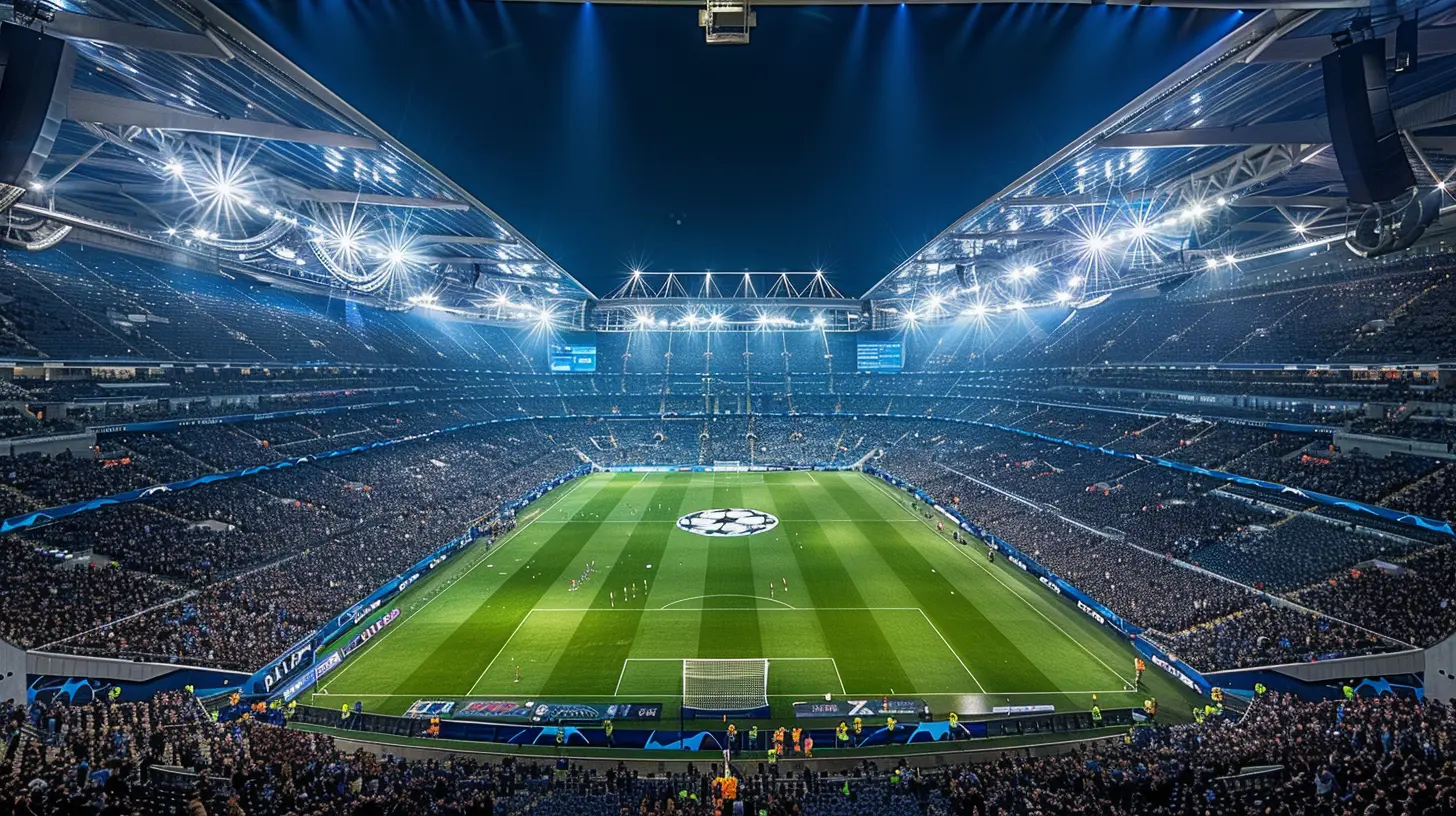
A Brief History of Stadium Lighting
Before we geek out on tech, let’s take a quick trip back in time.Back in the early 20th century, stadiums relied on natural light. Events had to be scheduled during daylight, and once the sun dipped below the horizon, the show was over.
Then came floodlights.
In 1935, Major League Baseball held its first night game. Fans were amazed. Suddenly, more people could attend. Prime-time games became a thing. And just like that, lighting changed sports forever.
Over the years, technology evolved—from halogen to metal-halide to LED systems—and with every upgrade, the fan experience got better, brighter, and bolder.
The Psychological Power of Light
Lighting shapes not just what we see but how we feel.Ever notice how a well-lit stadium feels larger, more open, and full of energy? That’s no accident. Different lighting colors and intensities affect mood. Blue and white lights tend to feel crisp and modern, while warm shades can create a cozy, intimate vibe.
In fact, studies have shown lighting can increase dopamine levels. Translation? The right lighting setup can literally make fans feel happier and more engaged during a game. Pretty wild, right?
And let’s not forget about players. Proper lighting helps them concentrate, reduces strain, and even improves performance. No one wants to shoot a game-winning three-pointer in the shadows.
The Technology Behind Modern Stadium Lighting
Let’s talk tech—but don’t worry, we’ll keep it light (pun definitely intended).💡 LED Lighting Systems
Goodbye, old-school bulbs. Hello, LEDs.LED lighting is energy-efficient, longer-lasting, and easily adjustable. With LEDs, stadiums can:
- Sync lights with music and crowd noise
- Change colors on command
- Focus beams on specific areas
- Use dynamic lighting to enhance entrance shows or replays
Ever seen those jaw-dropping halftime shows at the Super Bowl or NBA games? LEDs are the unsung heroes making it all pop.
⚡ Smart Lighting Control
Now imagine being able to control every light in a massive stadium from a tablet. That’s what smart lighting systems allow. Operators can pre-program lighting schemes, adjust brightness in real time, and trigger effects with a single button.These systems also use sensors and AI to monitor light usage and eliminate waste, reducing operating costs while keeping the vibe strong.
🌱 Eco-Friendly Illumination
Modern lighting isn't just smarter—it's greener. Many stadiums are going full eco-mode, installing solar panels and using LEDs that consume far less electricity than traditional fixtures.Places like the Mercedes-Benz Stadium in Atlanta are setting the bar, combining sustainability with cutting-edge design.
Lighting as a Storytelling Tool
Sports aren’t just games—they’re stories. Heroes, rivalries, dramatic plot twists. And like any good story, lighting helps tell it.You want to highlight a dramatic player intro? Hit the lights and spotlight the tunnel entrance. Want to celebrate a home team goal? Flash those colors and get the crowd involved. Want to build suspense in the final seconds? Gradually dim the lights over the crowd and focus straight on the action.
Lighting helps direct the audience’s eye where it needs to be—just like a director does in film or theater.
Creating Fan Engagement Through Lighting
Let’s not forget us—the fans.Because lighting is now interactive. Modern stadiums are turning the audience into part of the show. Light-up wristbands synced to the light system? Check. Crowd-triggered effects when noise levels hit a certain decibel? You bet.
This type of engagement deepens the connection between fans and the game. Suddenly, you're not just watching—you’re participating. You’re part of the story.
Broadcast and Media Considerations
Lighting isn’t just for those in the stands. It’s also for the millions watching from their couches.Broadcast-quality lighting ensures cameras pick up every detail in high-definition, from a quarterback’s spiral to the sweat dripping off a pitcher's brow. Poor lighting can make the most epic play look dull on screen.
Broadcasters now even tweak lighting levels for slow-motion replays. Some stadiums include localized lighting zones specifically designed to enhance televised moments. It’s all about crafting a visual experience that transcends the stadium itself.
Lighting for Safety and Navigation
Okay, so we’ve talked about the glitz and glam. But lighting also plays a crucial behind-the-scenes role—keeping people safe.Well-lit corridors, exits, and parking areas make navigating huge venues easier and safer. Emergency lighting can guide fans in case of evacuation. Stadiums are basically small cities during events, and without proper lighting, chaos can unfold quickly.
And for players? Uniform lighting across the field or court reduces shadows, which can throw off depth perception and lead to injuries.
Cultural Influence and Brand Identity
Great lighting doesn’t just enhance an event—it reinforces identity.Each stadium now has a light signature. Think of it like a fingerprint, unique to that venue. The Allianz Arena in Munich, for instance, changes its entire exterior lighting depending on who’s playing. That kind of branding sticks with fans long after the game ends.
For sponsors and advertisers, lighting creates fresh canvases for logos, messages, and immersive brand experiences. It’s not just a game—it’s a show.
Challenges in Stadium Lighting
Not everything’s perfect, of course. Lighting, as cool as it is, comes with challenges.- Light pollution: Stadiums near urban areas can disrupt neighborhoods.
- Maintenance: High-tech systems require regular upkeep.
- Cost: LED systems are cheaper in the long run—but the upfront investment is no joke.
- Balancing brightness: Too much light can blind players or wash out screens. It’s a delicate dance.
Still, most stadiums view these as hurdles worth clearing for the payoff in atmosphere, experience, and sustainability.
The Future of Stadium Lighting
So what's next?We’re heading into wild territory. Think holographic light shows, augmented reality synced with arena lighting, or even AI-responsive light schemes that shift based on crowd mood or player behavior.
One day, your seat might come with personalized lighting or real-time visual effects tied to your team’s performance. Who knows—maybe your cheers will literally light up the stadium.
Final Thoughts
At its core, lighting in stadiums does more than just let us see what's going on.It creates drama, builds anticipation, surprises us with spectacle, and makes us feel like we’re part of something bigger than ourselves. It turns a regular Friday night game into a one-of-a-kind experience you’ll remember for years.
So the next time you're at a game and your heart skips a beat when the lights drop—remember, it wasn’t just the team…it was the lighting, too.
all images in this post were generated using AI tools
Category:
StadiumsAuthor:

Umberto Flores
Discussion
rate this article
2 comments
Jacob Blair
Lighting transforms stadiums into magical arenas, igniting passion and unity among fans. Let’s celebrate the vibrant energy!
March 24, 2026 at 1:01 PM
Umberto Flores
Absolutely! Lighting truly enhances the stadium experience, fostering connection and excitement among fans. Let's embrace that energy!
Carter Chavez
Great read! Lighting really does set the mood in stadiums. It’s amazing how a well-lit game can elevate the whole experience!
March 4, 2026 at 12:14 PM
Umberto Flores
Thank you! I'm glad you enjoyed it. Lighting truly transforms the atmosphere and enhances the excitement of the game!