The Role of Minor League Baseball in Developing Future Stars
26 December 2025
Baseball has long been America’s pastime—a game of passion, perseverance, and dreams. But behind every Major League Baseball (MLB) superstar, there’s a journey that often starts in the Minor Leagues. While MLB gets all the glory, it’s the Minor League system that quietly molds raw talent into elite athletes.
Ever wonder how a rookie transforms into a household name? Well, the road to the big leagues isn’t as glamorous as you might think. It’s filled with grit, determination, and years of tireless effort in the Minors. Let’s dive into why Minor League Baseball (MiLB) is the real backbone of the sport.
What is Minor League Baseball?
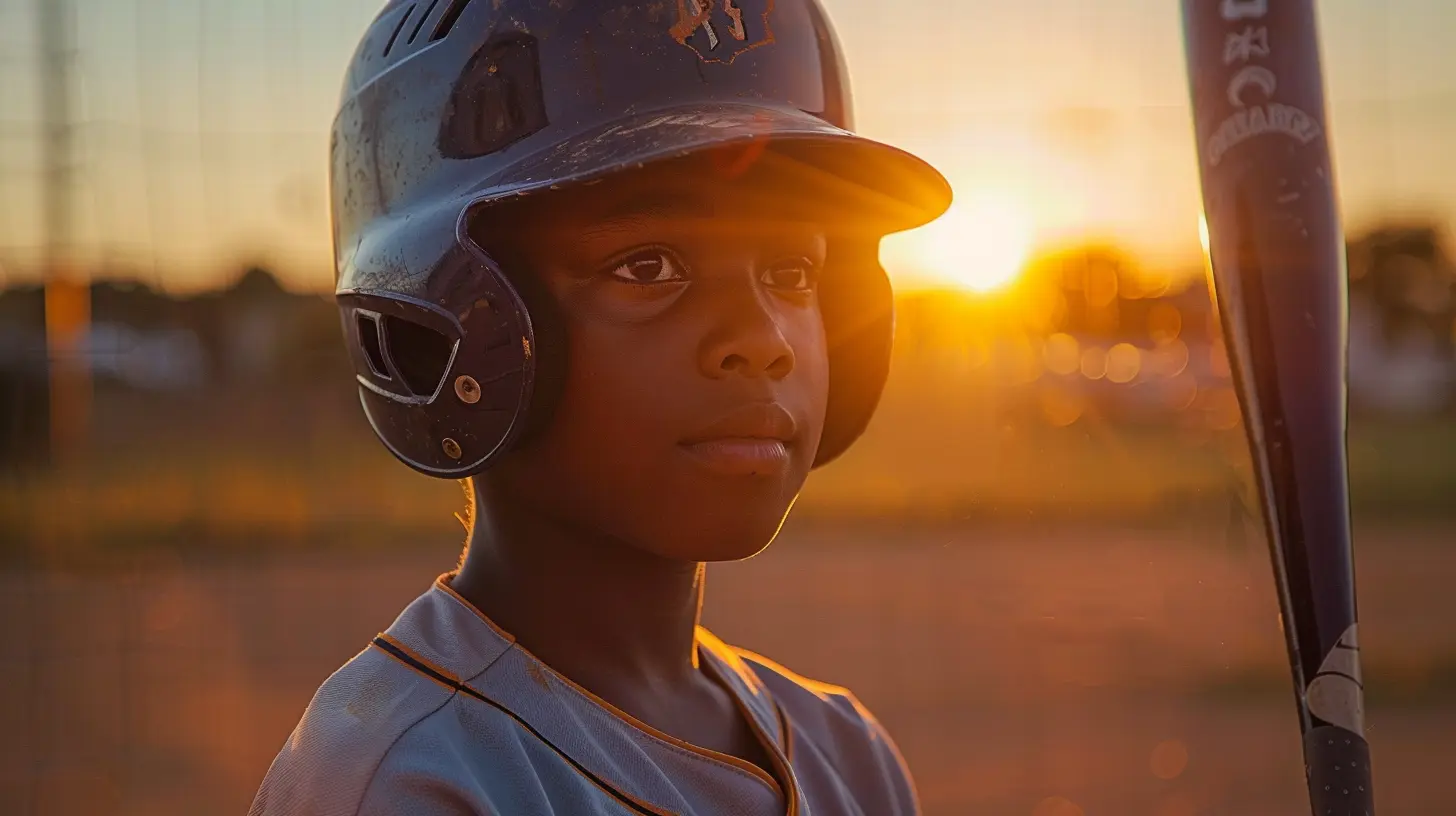
Minor League Baseball (MiLB) is a developmental system affiliated with MLB, featuring several levels of play where young athletes refine their skills before making it to the big stage. It’s the proving ground where talent is tested, weaknesses are exposed, and champions are made.Unlike the MLB, where the game's brightest stars shine under bright lights, Minor League Baseball is all about the grind. Athletes play in smaller stadiums, travel on long bus rides, and earn modest salaries—all in hopes of one day stepping onto a Major League field.
The Crucial Role of Minor League Baseball in Player Development
While natural talent plays a role, making it to the MLB requires more than just skill. Minor League Baseball acts as a training ground where players refine their game and prepare for the rigors of professional baseball.1. Sharpening Skills and Fundamentals
Raw potential doesn’t cut it at the professional level. Players in the Minors spend years mastering fundamentals like hitting, fielding, baserunning, and pitching mechanics. Coaches focus on the little things—adjusting a swing, improving defensive positioning, or perfecting a changeup—that will make a difference at the highest level.Take a look at any MLB star, and you’ll see the impact of Minor League seasoning. Whether it's refining a batter’s stance or teaching a pitcher to control off-speed pitches, the Minor Leagues are where good players become great.
2. Mental Toughness and Discipline
Baseball is as much a mental game as it is physical. Minor League players experience high-pressure situations that test their focus and resilience. Imagine striking out with the bases loaded in the bottom of the ninth or going through a brutal hitting slump. It’s in the Minors where players learn how to handle adversity.Unlike college ball, where student-athletes have structured schedules, Minor League players must develop self-discipline. There’s no safety net—just long seasons, grueling schedules, and the unending pressure to perform. If an athlete can thrive in the Minors, they’re mentally tough enough for the Majors.
3. Understanding the Grind and Work Ethic
In the Majors, players enjoy first-class travel, five-star hotels, and multimillion-dollar contracts. In the Minors? Not so much. Instead, players often live paycheck to paycheck, endure overnight bus rides, and eat fast food on the road.It’s here that they develop an unshakable work ethic. They learn to push through exhaustion, manage injuries, and show up every day to compete. By the time they reach the MLB, they’re not just talented—they’re battle-tested.
The Ladder to the Majors: Minor League Levels
Not all Minor League teams are created equal. MiLB consists of several levels, each designed to challenge players as they progress toward the big leagues.1. Rookie Ball (Complex Leagues)
The first step for most young prospects, Rookie Ball is where freshly drafted or international players get their first taste of professional baseball. It’s mostly about learning the fundamentals and getting used to the daily grind of pro ball.2. Single-A (Low-A and High-A)
At this stage, players begin refining their skills against higher competition. Pitchers develop control, hitters learn patience, and fielders work on consistency.3. Double-A (AA)
This is where the competition heats up. Many of the game’s future stars begin to emerge at this level. If a player succeeds in Double-A, they’re considered a legitimate MLB prospect.4. Triple-A (AAA)
The final stop before the Majors, Triple-A is filled with top prospects and veterans trying to make an MLB roster. It’s the closest thing to playing in the big leagues, and only those who excel here get called up.
Success Stories: MLB Stars Who Came Through the Minors
While every MLB team dreams of drafting an instant superstar, the reality is that almost every great player has paid their dues in the Minors. Here are some of the biggest names who honed their craft before dominating the big leagues:- Mike Trout – The Angels’ superstar spent time in the Minors refining his approach before becoming one of baseball’s greatest players.
- Derek Jeter – Before becoming the face of the Yankees, Jeter endured struggles in the Minor Leagues and used them as motivation.
- Clayton Kershaw – The Dodgers ace learned how to command his devastating curveball in the Minors, which ultimately made him an MLB legend.
Minor League Life: The Unsung Struggles of Future Stars
While the dream of making it to the Majors is thrilling, life in the Minors is anything but easy.1. Low Salaries and Financial Struggles
The harsh reality? Minor League players don’t earn much. Unlike their MLB counterparts, Minor Leaguers are often underpaid, sometimes making less than minimum wage. Many take offseason jobs just to make ends meet.2. Long Road Trips and Exhausting Schedules
Forget private jets and luxury buses—MiLB teams travel the old-fashioned way, with long bus rides and back-to-back games. The grind is real, and every player must endure it to prove they belong.3. Constant Pressure to Perform
One bad slump, and a player could find themselves out of a job. Unlike MLB stars with guaranteed contracts, Minor Leaguers are always playing for their future. Every game is a make-or-break opportunity.
Conclusion: Why the Minor Leagues Matter
Minor League Baseball isn't just a stepping stone; it’s the heart and soul of player development. It separates the dreamers from the doers, the talented from the determined. Every MLB superstar has battled through the grind, sharpened their skills, and endured struggles before reaching the promised land.So the next time you watch a big leaguer hit a home run or throw a no-hitter, remember—their journey started in the Minors. And without those grueling years of development, baseball wouldn’t have the legends we admire today.
all images in this post were generated using AI tools
Category:
BaseballAuthor:

Umberto Flores
Discussion
rate this article
2 comments
Karly McGehee
Minor League Baseball serves as a crucial pipeline for nurturing talent, offering athletes the chance to hone their skills in a competitive environment. This system not only aids player development but also fosters community engagement, highlighting its indispensable role in the broader baseball ecosystem.
February 13, 2026 at 5:03 AM
Umberto Flores
Thank you for your insightful comment! Indeed, Minor League Baseball plays a vital role in developing talent and enriching local communities.
Deborah McCoy
Minor League Baseball nurtures talent, shaping future MLB stars.
January 7, 2026 at 12:17 PM
Umberto Flores
Absolutely! Minor League Baseball is crucial for player development, providing the necessary experience and skills that help shape future MLB stars.