The Role of Strength Training in Hockey Performance
16 May 2026
If you've ever watched a hockey game and marveled at how players seem to fly across the ice while battling it out with speed, finesse, and raw power—you’re not alone. Hockey isn’t just about skating fast or having slick hands. At the core of every explosive stride, bone-crunching check, and laser-like slapshot is something that doesn’t always get the spotlight: strength training.
In the world of hockey, strength training isn’t just a “nice to have.” It’s a game-changer, a foundation, and, frankly, one of the most overlooked weapons in an athlete’s arsenal. Whether you’re an aspiring pro, a weekend warrior, or just love understanding the science behind the sport, this deep dive is for you.
Let’s lace up and dig into the gritty details of how strength training supercharges hockey performance.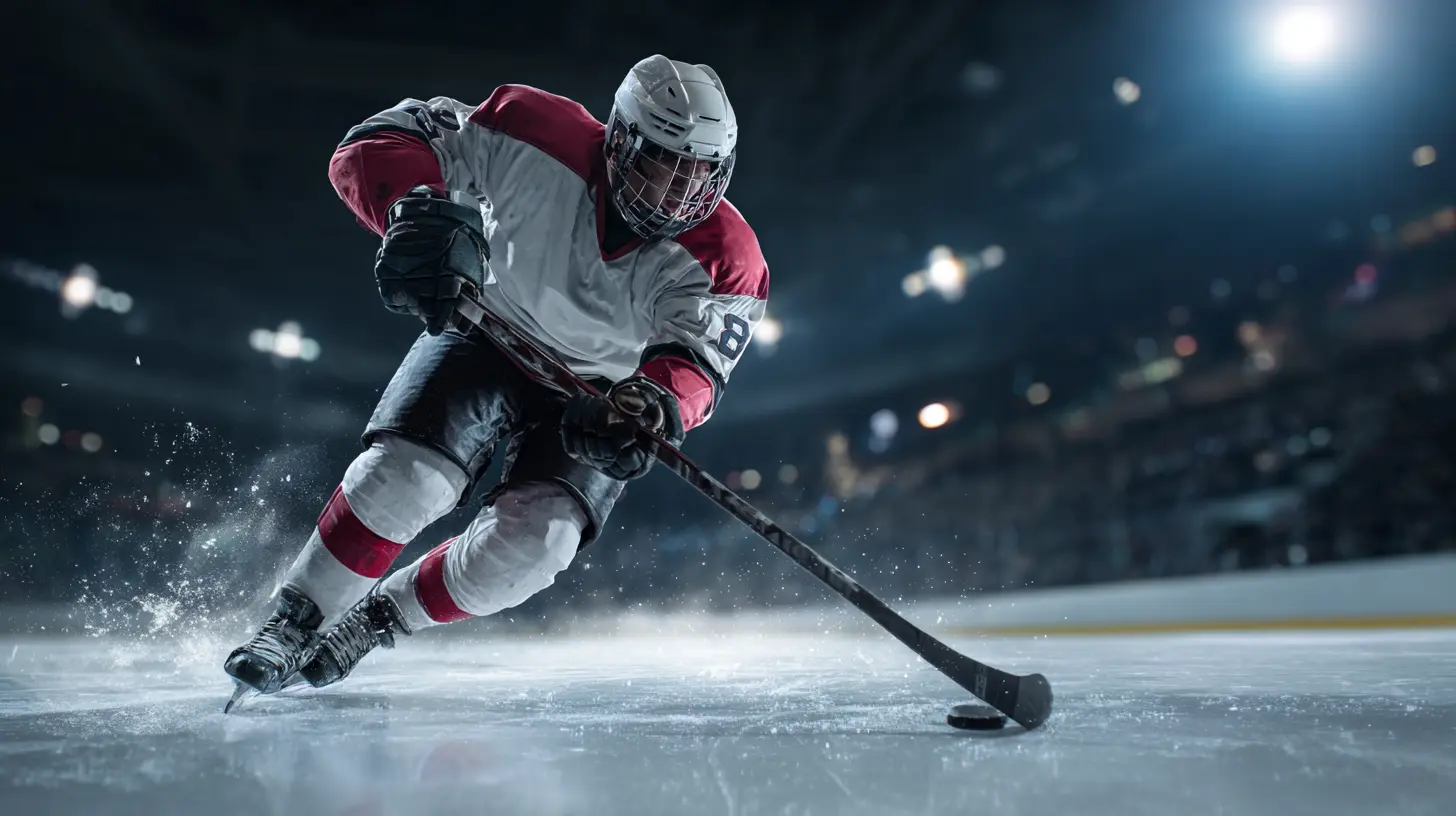
Why Strength Training Matters in Hockey
Hockey is a full-contact sport played at a blistering pace. Players need to sprint, stop on a dime, reverse direction, battle in the corners, win faceoffs, and deliver (or absorb) hits—all in quick succession. Makes you tired just reading that, right?Now, why is strength training so critical?
Well, imagine trying to do all that with a weak foundation. Without adequate strength, your body simply can’t keep up. You’re more likely to get injured, struggle with endurance, and lose those critical one-on-one puck battles.
Strength training gives your body the power, endurance, and durability to thrive on the ice. It builds muscle, improves coordination, and helps athletes stay explosive from the first period to overtime.
Strength vs. Size – What’s the Difference?
Let’s clear up a common myth: strength training doesn’t mean bulking up like a bodybuilder. In hockey, it’s all about functional strength—developing power you can actually use during a game.While size can help (bigger players can protect the puck better, for instance), a smaller player with high relative strength can be just as effective, if not more. Think of players like Patrick Kane or Cale Makar. They’re not huge, but they’re incredibly strong, agile, and explosive.
So, forget the image of grunting gym rats curling dumbbells in front of a mirror. Strength training for hockey is about building bulletproof legs, a solid core, and an upper body that can dish out or absorb punishment.
The Key Benefits of Strength Training for Hockey Players
Let’s break down how hitting the weight room directly improves your performance on the ice.1. Improved Speed and Acceleration
Speed is king in modern hockey. You need to go from 0 to 100 real quick—especially if you're chasing down the puck or breaking out on a rush.Leg-focused strength training builds power in your glutes, hamstrings, and quads—muscles directly responsible for skating speed. Squats, Romanian deadlifts, lunges—these aren't just gym moves. They’re the fuel for your explosive starts and quick directional changes.
2. Better Stability and Balance
Ever tried to stand your ground while fending off a 220-pound defenseman mid-stride? Yeah, not easy.Strength training—particularly core work and unilateral exercises (like single-leg squats)—improves your balance and on-ice stability. This translates to better edge control, stronger puck protection, and fewer stumbles or falls during chaotic plays.
3. Enhanced Shot Power
You might think a blistering slapshot comes from arm strength, but it's more about using your whole body like a coiled spring.A powerful shot starts from your legs, fires through your core, and finishes with your arms and wrists. Strength training helps you generate more power throughout this chain. More power = faster, harder, more dangerous shots.
4. Reduced Injury Risk
Hockey is brutal. High-speed collisions, awkward falls, twisted knees, torn shoulders—you name it.Strength training creates a more resilient body. Stronger muscles and tendons = better joint stability and shock absorption. Functional strength routines, including mobility work and flexibility, help players recover faster, bounce back stronger, and avoid chronic injuries.
5. Increased Endurance
Think strength training is just about short bursts of power? Not so fast.A properly designed program also boosts muscular endurance. That means your legs won’t turn to jelly by the third period, and you’ll have more gas in the tank for those long shifts, playoff marathons, or intense back-to-backs.
Essential Strength Training Exercises for Hockey Players
Okay, so you’re sold on the benefits. But what should a hockey strength program actually include?Here’s a lineup of go-to moves every hockey player needs in their training playbook:
✅ Squats (Back, Front, Goblet)
Why: Build lower-body power and improve explosiveness.Tip: Focus on form over weight. Go deep, stay controlled, and drive through your heels.
✅ Deadlifts (Conventional & Romanian)
Why: Target the posterior chain—hamstrings, glutes, and lower back.Tip: Keep a neutral spine and engage your core like you're bracing for a hit.
✅ Lunges (Walking, Reverse, Lateral)
Why: Strengthen legs individually and improve balance.Tip: Add a twist to engage the core, mimicking on-ice rotational movements.
✅ Pull-ups & Chin-ups
Why: Build upper body and grip strength—key for puck battles.Tip: Can’t do one yet? Use resistance bands to assist until you can.
✅ Farmer’s Carries
Why: Improve grip, shoulder stability, and core strength.Tip: Use heavy dumbbells or kettlebells. Keep your torso upright and walk with control.
✅ Planks and Rotational Core Work
Why: A strong core = better balance, shooting mechanics, and hip control.Tip: Mix in variations like Russian twists, woodchoppers, and pallof presses.
Periodization: Timing Is Everything
Just like hockey games have periods, proper strength training programs are broken into phases.Off-Season – Build the Base
This is when you lay the foundation. Go heavy, work on compound lifts, and increase muscle mass and strength.Pre-Season – Hockey-Specific Focus
Now’s the time to taper volume and shift toward sport-specific movements: agility drills, plyometrics, and explosive lifting.In-Season – Maintenance Mode
During the season, you’re not trying to pack on size. You want to maintain strength, prevent injury, and stay sharp. 2 short strength-focused sessions per week can do the trick.Post-Season – Recovery and Assessment
After the grind, you need to heal. Lighten the load, focus on mobility, and evaluate what's working—or not—in your training.Strength Training for Youth Hockey Players
If you’re a young athlete—or a parent of one—you might wonder: "Is lifting safe for kids?"Short answer? Yes, if done right.
Youth strength programs focus on technique, bodyweight exercises, and age-appropriate progressions. It's not about maxing out—it’s about building coordination, balance, and muscle control.
Starting early (under good supervision) sets a solid foundation and reduces injury risk as they grow into more intense competition.
Common Mistakes to Avoid
Let’s be real—not all strength training is created equal. Here are some rookie mistakes hockey players should steer clear of:- Ignoring the lower body: Hockey is a leg-dominant sport. Don't skip leg day—ever.
- Overtraining: Recovery is part of training. More isn't always better.
- Focusing only on machines: Free weights and bodyweight exercises mimic real-world, on-ice movements.
- Skipping mobility work: Strength means nothing if you’re stiff as a board.
- Training like a bodybuilder, not an athlete: You don't need to "look" strong—you need to be functionally strong.
Strength Training Off The Ice – It’s Mental Too
One overlooked benefit of strength training? Confidence.When you know you’ve put in the work, built your engine, and strengthened your body—you play differently. You skate harder, hit with more authority, and exude presence. That mental edge can make all the difference in nail-biter playoff games or critical breakaways.
Final Thoughts: Strength = Foundation
At the end of the day, strength training isn’t a side hustle for hockey players—it’s the backbone of performance. It conditions your body for the demands of the game, helps you move better, hit harder, recover faster, and ultimately stay in the lineup longer.So, if you’re serious about leveling up your game, don’t just focus on your stickhandling or skating drills. Build the engine that drives it all.
Hit the gym. Train smart. Skate fast. Hit hard. Repeat.
all images in this post were generated using AI tools
Category:
HockeyAuthor:

Umberto Flores
Discussion
rate this article
1 comments
Zanthe Bryant
Great article! It's amazing how strength training can elevate a hockey player's game. Building power not only improves shooting and checking but also helps with endurance on the ice. I love seeing players embrace off-ice training as part of their routine. Keep up the great work!
May 19, 2026 at 4:59 AM
Umberto Flores
Thank you! I'm glad you found it insightful. Strength training truly makes a difference in performance.