The Role of the Enforcer: A Deep Dive into Hockeys Toughest Position
17 February 2026
Hockey is a fast-paced, high-intensity sport fueled by raw energy, blazing speed, and ruthless competition. But tucked inside all that finesse and finesse-driven play, there's a gritty, often misunderstood role that has shaped the very essence of the game. Yep, we're talking about the enforcer—the player who drops the gloves, throws down, and protects his teammates at all costs.
The position has sparked debates, ignited rivalries, and even been glorified in cinematic cult classics. But beyond the fight reels and bruised knuckles, the enforcer’s role is deeper, more meaningful, and undoubtedly vital to the heartbeat of hockey.
So, if you've ever wondered what it's like to be the toughest guy on the ice or why enforcers matter in an era focused more on skill, lace up your skates—we're diving deep into hockey’s most bruising position.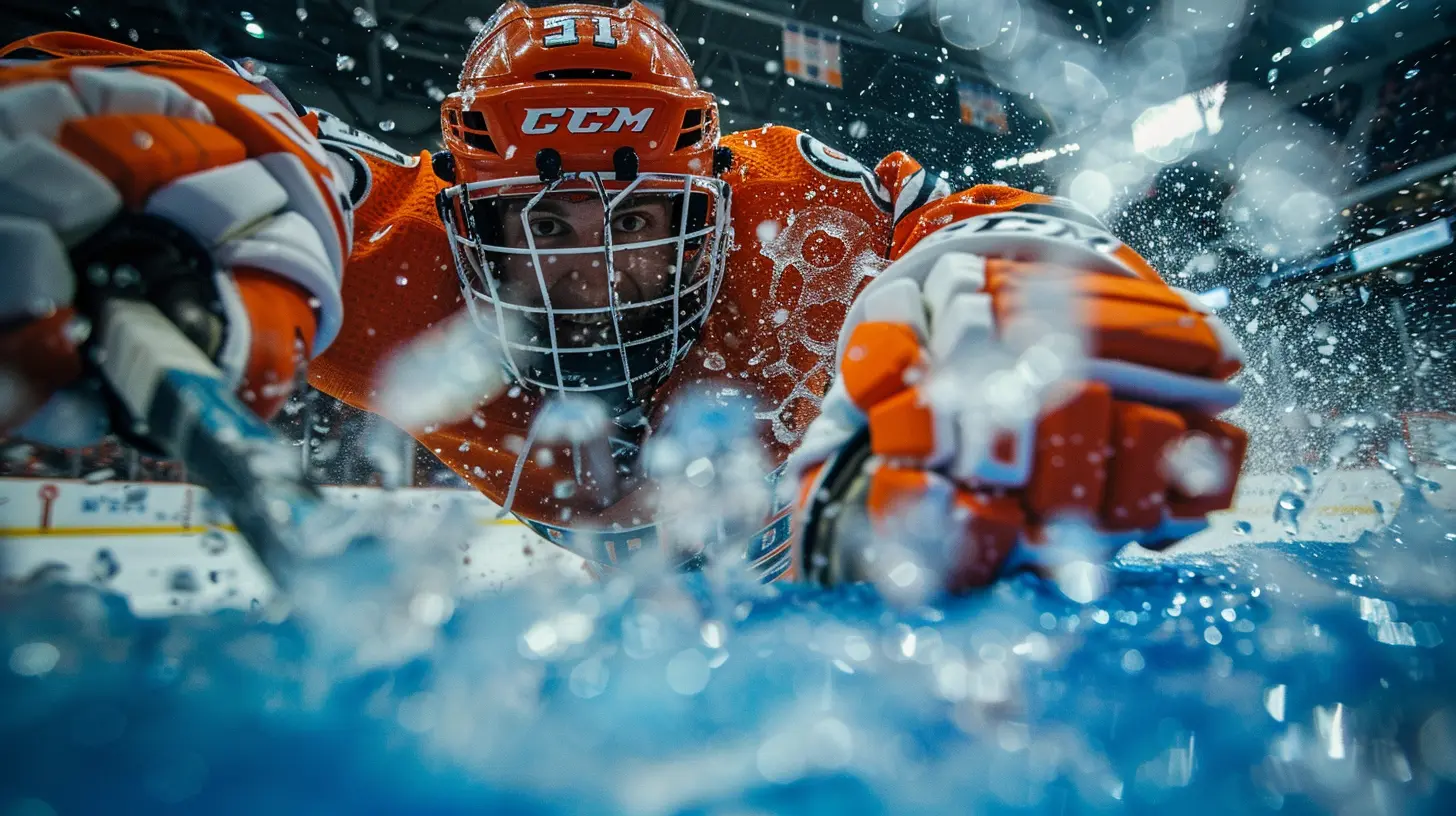
What Is An Enforcer, Really?
Let’s clear it up right off the bat: an enforcer isn't just a goon who fights for fun. The enforcer is like the bodyguard of the ice. Think of him as the heavyweight bouncer in a club packed with elite athletes.His job? To stand up for teammates, keep the opposition honest, and shift the momentum of a game with physical presence and sometimes, yep—you guessed it—a good old-fashioned brawl.
But there's more to it than just throwing punches. The enforcer brings accountability to the rink. When a star player gets targeted or a cheap shot lands, the enforcer sends a message: "You don't mess with my team and walk away scot-free." That kind of loyalty? You can't buy it.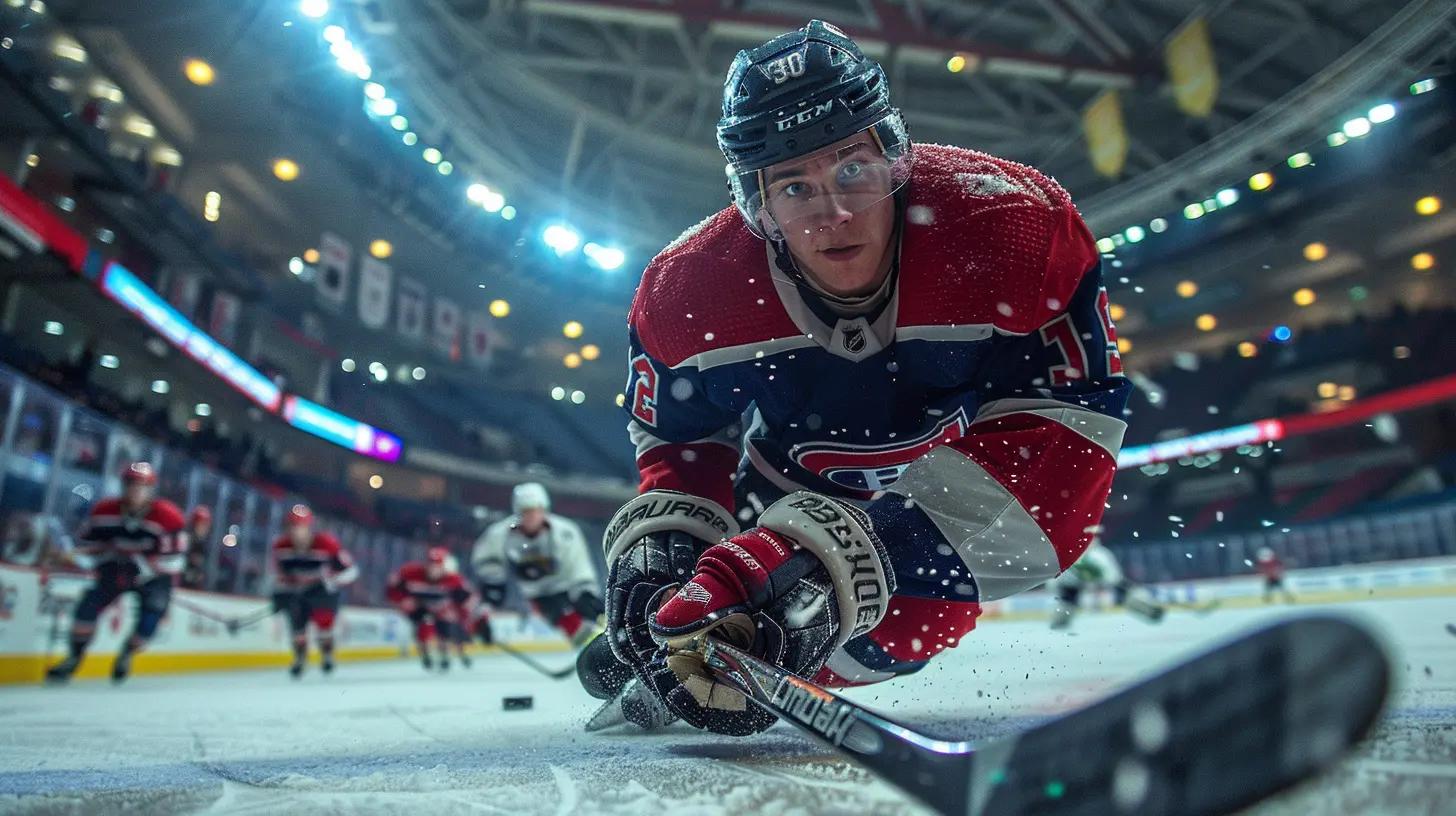
A Brief History of the Enforcer Role
The enforcer role traces back to the early days of hockey's rough-and-tumble identity. In the ‘70s and ‘80s, also known as the “goon era,” teams practically stacked their rosters with muscle. Think of names like Bob Probert, Marty McSorley, or Tie Domi—absolute legends when it came to throwing down for their squads.Back then, fighting wasn’t just accepted—it was an essential part of the game. Fans loved it. Coaches relied on it. And players? They knew that having a tough guy in the locker room was like carrying an insurance policy with fists.
But over time, as hockey evolved to emphasize speed and skill, the enforcer began to fade from many lineups. Rule changes, concussion awareness, and a cultural shift toward player safety made sure of that.
Still, the essence of the enforcer hasn’t disappeared—it’s just changed forms.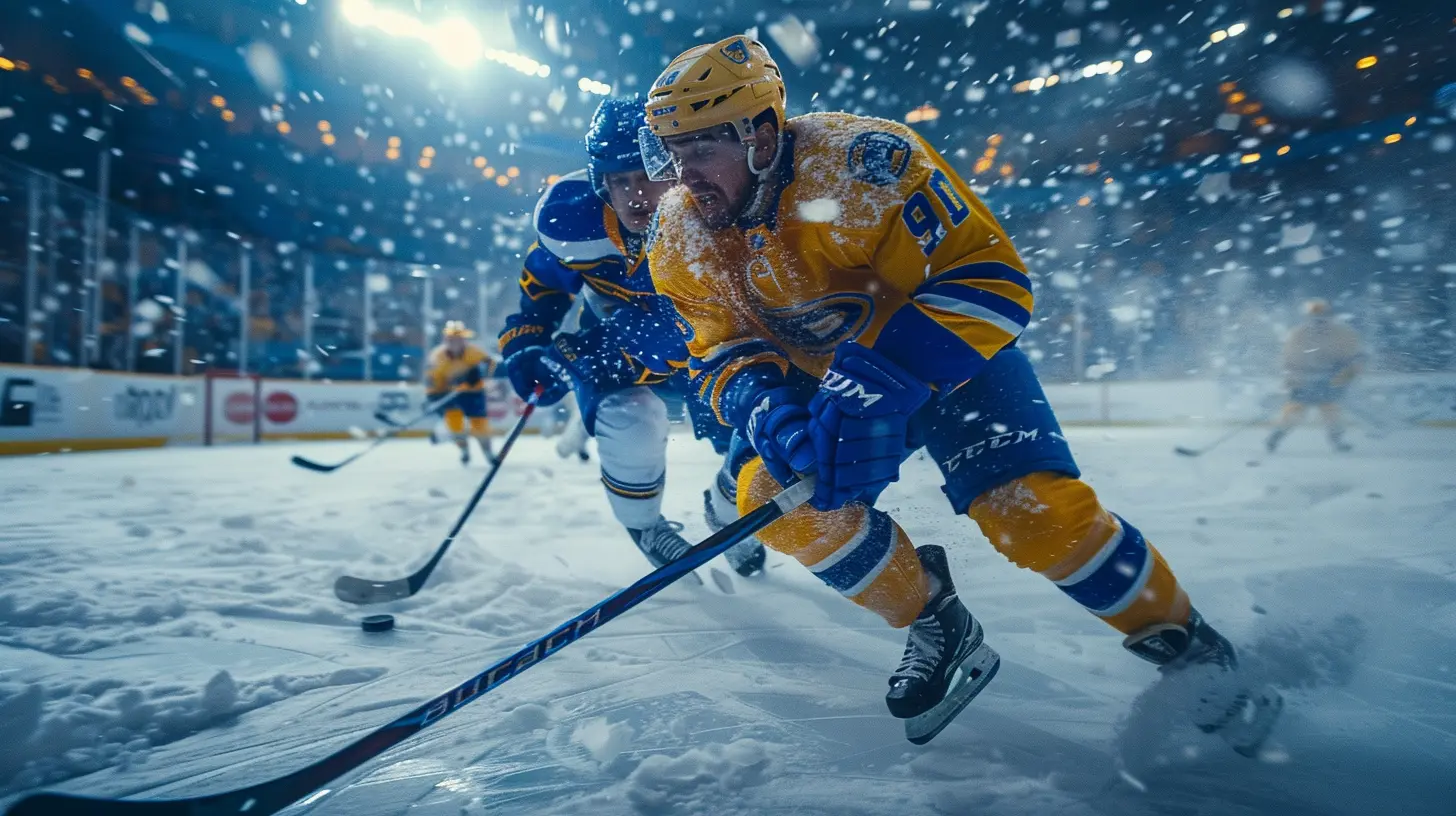
Modern-Day Enforcers: Adapt or Fade Away
Today’s enforcer isn’t just a big body who can fight. He’s got to skate, handle the puck, and contribute—otherwise, he won’t crack the roster. The NHL has become too fast and too competitive to carry a player who can’t pull double duty.Players like Tom Wilson, Ryan Reaves, and Milan Lucic represent the modern enforcer mold. They’ll throw hits with reckless abandon, engage in scrums, and drop the gloves when needed—but they also score goals, kill penalties, and play legitimate minutes.
So yeah, the role’s not dead—it’s just smarter now.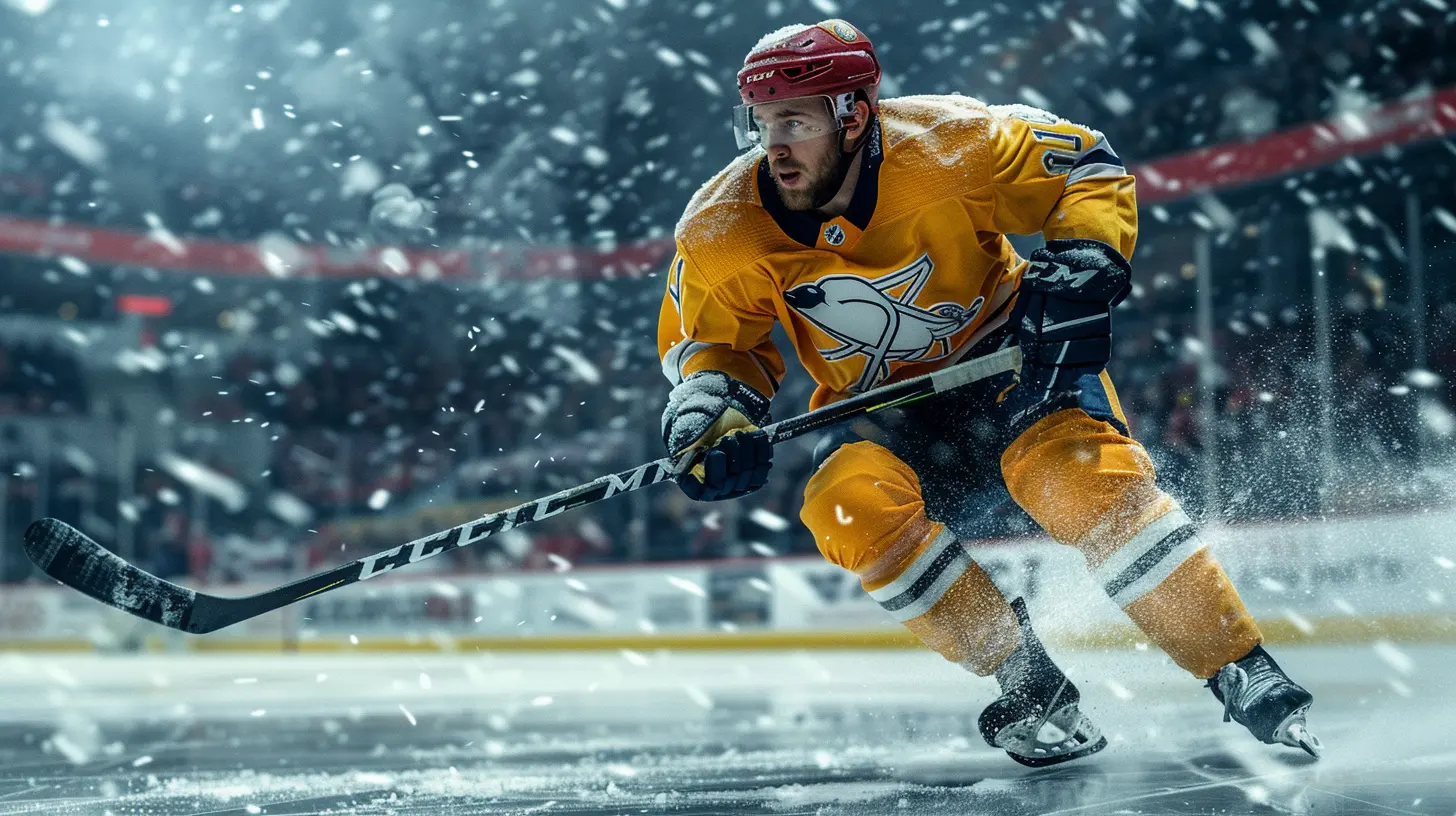
Why Teams Still Need Enforcers
Let’s break it down—why risk having a player who might spend five minutes in the penalty box for fighting?Simple. Hockey is an emotional sport.
Momentum can swing in an instant, and nothing shifts the tide of a game quite like a well-timed fight or bone-crushing hit. It’s like sending an electric jolt through the bench—guys stand taller, skate faster, and rally around the player who just stood up for them.
Besides, intimidation remains a real factor. Knowing there’s someone on the ice who can—and will—make you pay for dirty play? That changes how opponents play. It keeps things in check.
The Mindset of an Enforcer
Being an enforcer isn’t glamorous. It takes a rare kind of courage—a willingness to fight for others, knowing full well the physical toll it brings.Imagine going into work every day knowing your job might involve getting punched in the face. That’s the daily reality for these guys. They train their bodies and minds to handle pain, pressure, and spotlight. They live for the team, not the scoreboard.
There’s a warrior-like code to it, a deep respect among enforcers that only they truly understand.
The Physical Toll: Battle Scars and Life After Hockey
Let’s not sugarcoat it—being an enforcer comes at a cost. The long-term physical and mental health effects are real. Concussions, broken bones, and chronic pain follow many players into retirement. And emotionally? It’s a heavy burden to carry.Some former enforcers have spoken out about the mental health struggles they faced, with tragic cases shining a light on the need for better support. The NHL and hockey community are slowly making strides to address this, but there's still a long road ahead.
Still, many enforcers say they wouldn't change a thing. They wore the role like a badge of honor. They were protectors. Guardians. Team-first heroes.
Famous Enforcers Who Left Their Mark
No conversation about enforcers is complete without shouting out the icons who defined the role:- Bob Probert – Possibly the most feared and respected enforcer of all time. The guy could throw down and still put up points.
- Marty McSorley – He wasn't just Wayne Gretzky’s bodyguard—he was a force on the ice in his own right.
- Tie Domi – Undersized but fearless. Pound for pound, one of the toughest guys the game has ever seen.
- Derek Boogaard – A 6-foot-7 giant who was both feared and admired. His tragic passing reminded the world of the fragility behind the toughness.
They weren’t just fighters—they were legends who played with heart, grit, and an unwavering commitment to their teams.
Where Is the Role Headed?
So here’s the million-dollar question: is the enforcer role dying?Not exactly. It’s evolving.
The game still loves its warriors, but now they’ve got to be hybrid players. Strength, speed, skills, and smarts—that’s the new blueprint.
We're seeing a new wave of “power forwards” who can mix it up when needed but also play top-line minutes. The traditional “one-dimensional” enforcer may be fading, but the enforcer spirit? That’s alive and well.
And in a sport where emotions boil over, tempers flare, and the stakes are sky-high—there will always be a need for that one guy who says, “Not on my watch.”
What Can We Learn From the Enforcer?
Here’s the thing: the enforcer’s role isn’t just about hockey. It’s about life.It’s about standing up for others, even when it’s hard. About embracing your role, no matter how thankless. About showing up when your team needs you most. About grit, resilience, and loyalty.
Sometimes we all need to be enforcers in our own lives. We need to fight for what matters, protect the people we care about, and dive headfirst into the hard stuff—no fear, no hesitation.
So whether you’re lacing up for a men’s league or grinding through daily challenges, remember what the enforcer stands for. Courage. Loyalty. Heart.
Final Thoughts: Respect the Grind
The enforcer may not lead the team in points. He doesn’t get the flashy headlines or big endorsement deals. But ask any teammate, and they’ll tell you the same thing: they wouldn’t go to battle without him.He’s the unsung hero, the guardian of the game, the silent force that brings balance to chaos.
So next time you’re watching a hockey game and see a guy throwing fists for his team, don’t just see a fight. See a protector. A leader. A warrior with a job no one else wants—but every great team needs.
And that? That’s as motivating and powerful as it gets.
all images in this post were generated using AI tools
Category:
HockeyAuthor:

Umberto Flores
Discussion
rate this article
2 comments
Galina McKinstry
Ah, the enforcer: part bodyguard, part bouncer, and full-time legend. They're like the bouncer at a party—only they actually check the score before throwing you out!
March 17, 2026 at 1:45 PM
Umberto Flores
Thanks! The enforcer truly embodies that unique blend of protection and toughness, making them vital to both the game and the team dynamic.
Lana Price
Enforcers may not score goals, but their impact resonates beyond the rink—protecting teammates, igniting passion, and serving as the heartbeat of the game. Toughness never goes out of style!
February 21, 2026 at 12:55 PM
Umberto Flores
Absolutely! Enforcers play a crucial role in fostering team spirit and maintaining a competitive edge. Their presence is often felt far beyond the scoresheet.