The Role of the Referee in Maintaining Sportsmanship
7 June 2026
When you think of sports, what’s the first thing that comes to mind? Teamwork? Skill? Victory? Maybe that buzzer-beating shot or the dramatic last-minute goal? But let’s not forget someone who’s just as crucial to the game — the referee.
Now, we know referees don’t usually steal the spotlight like MVPs do — and honestly, most fans only talk about them when there’s a questionable call. But if we peel back the layers a bit, we’ll see that the referee is often the glue that holds the spirit of the game together. At the heart of every fair competition, there’s a ref ensuring that sportsmanship stays alive and well.
So, let’s have a real talk about the role of the referee in maintaining sportsmanship, why it matters more than you might think, and how refs actually shape the game — one whistle at a time.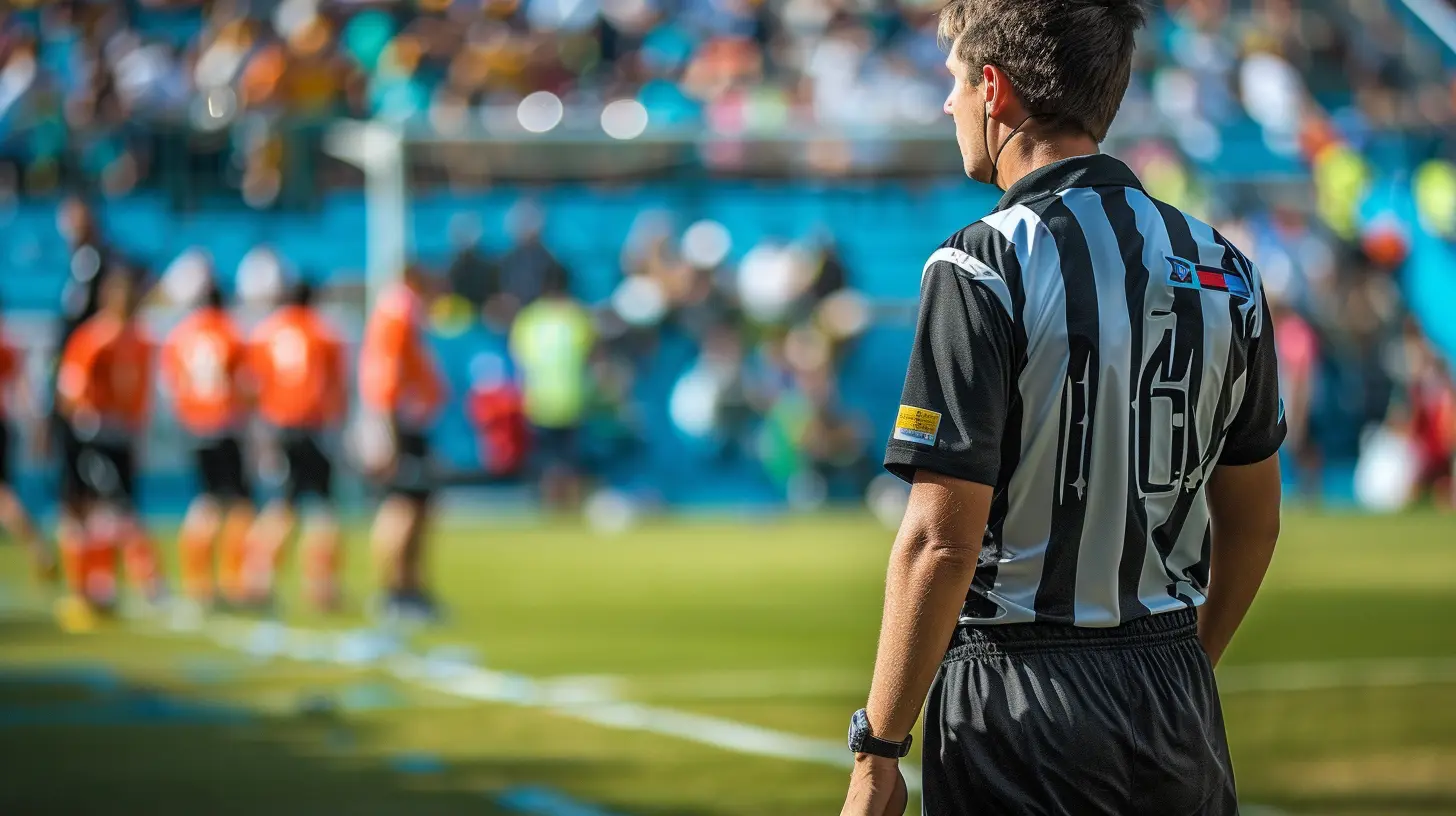
What Does “Sportsmanship” Really Mean?
Before diving deeper into the role of the referee, let’s set the stage. What exactly is sportsmanship?In simple words, sportsmanship is all about respect — for your teammates, your opponents, the rules, and yeah, even the refs. It's about playing fair, owning your mistakes, and handling wins and losses with dignity.
We’ve all seen those moments — a player helping up a rival, clapping for a great move by the other team, or admitting to a foul the ref didn’t catch. That’s sportsmanship in action. And believe it or not, it doesn’t just happen naturally. A huge chunk of that vibe comes from how the game is officiated.
The Referee: More Than Just a Rule Enforcer
Think referees are just walking rulebooks with whistles? Think again. Sure, they enforce the rules, but they do way more than that.Referees are like the neutral heartbeat of the game. Their job isn’t just to call fouls and count points — it’s to keep the game flowing, make judgment calls in high-stress moments, and manage the emotional temperature of the players. When things get heated, the ref is the one who brings everyone back to center.
Setting the Tone from the Start
Ever noticed how a good referee establishes control early in the game? That first few minutes, those first few calls — they’re everything. It’s like walking into someone’s house; the first impression tells you what’s acceptable and what’s not.Players quickly pick up on what the ref will and won’t tolerate. Will they let a little trash talk slide? How tight are they on contact or technical fouls? That vibe instantly drives the players’ behavior and sets the tone for how sportsmanlike — or not — the game will be.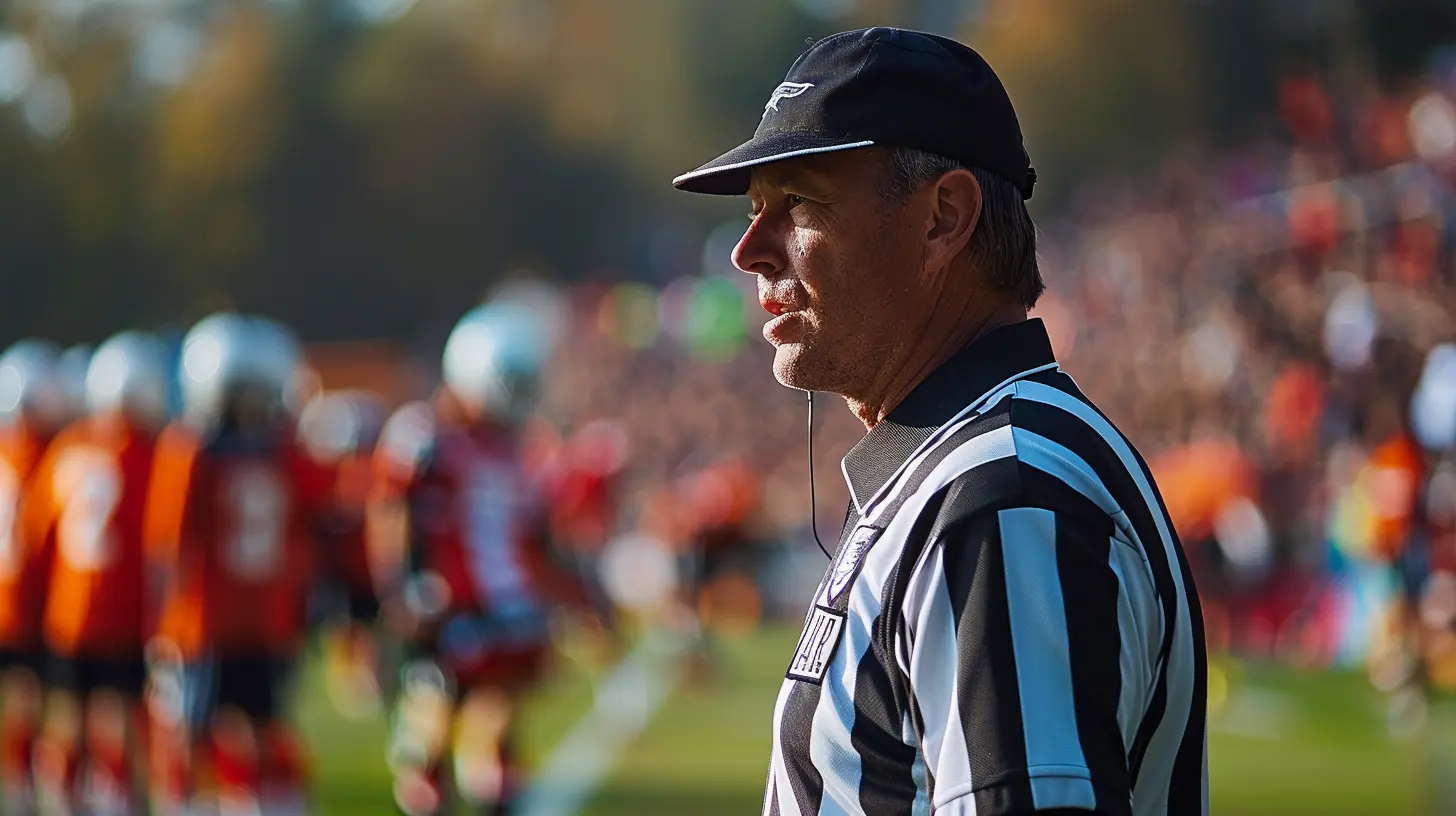
Communication Is Key
You’d be surprised how much of a referee’s job is about communication. We’re not just talking about blowing whistles and waving arms — we’re talking real-time decision making, clear explanations, and even body language.Talking to Players
The best refs talk to players — not down to them. They keep things calm, respectful, and consistent, which actually encourages players to mirror that same attitude.Ever watched a heated moment deflate just because the ref calmly pulled players aside and explained the call? That’s pure magic. No shouting. No drama. Just good communication keeping things in check.
Talking to Coaches
Let’s not forget the sidelines. Coaches are emotionally invested — they live and breathe the game. And sometimes, they push the line. A referee who can manage that energy with firmness and empathy can prevent confrontations before they even begin.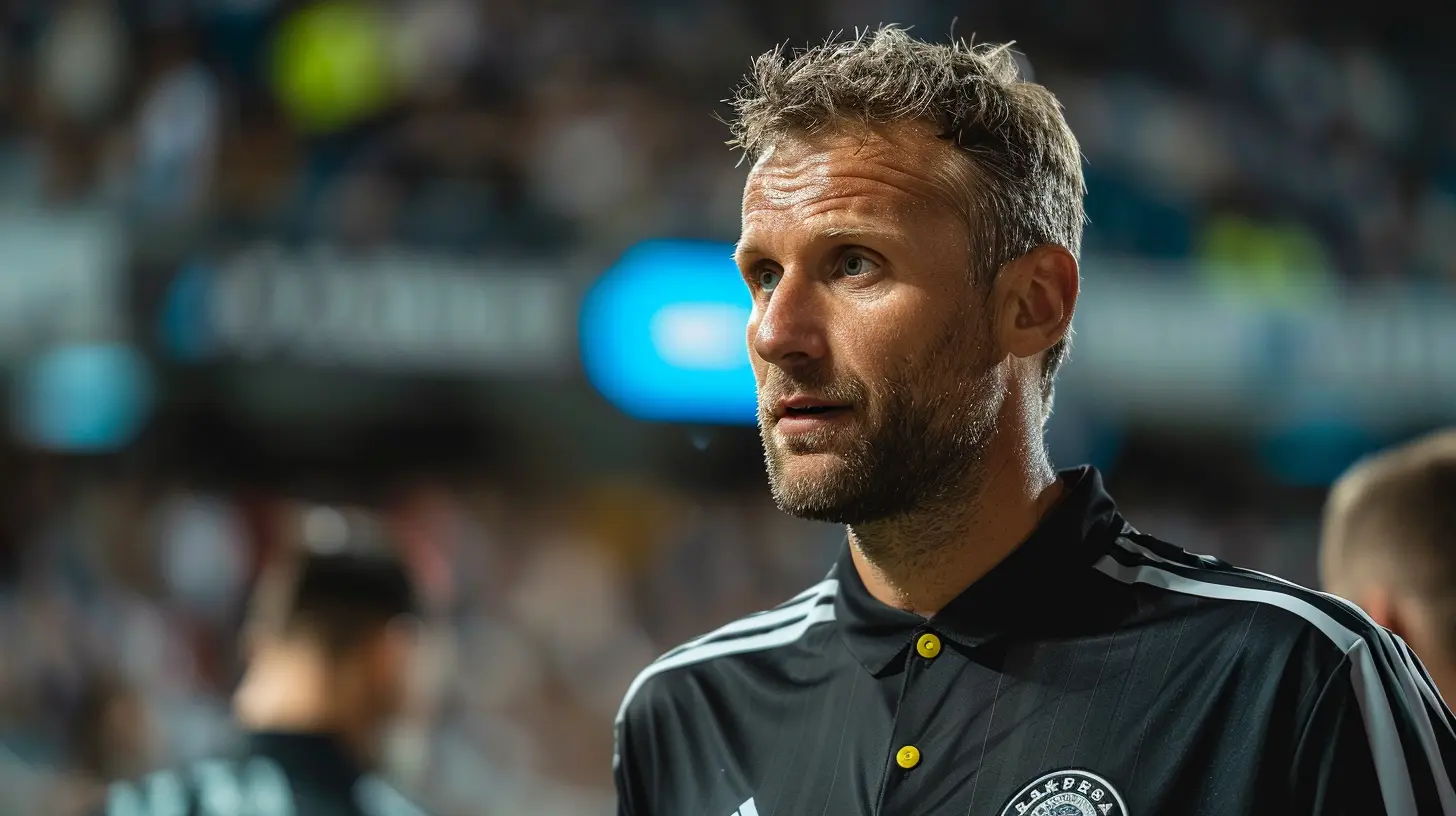
Consistency: The Backbone of Fair Play
You know what really irks players and fans alike? Inconsistency. When one team gets called for something the other team gets away with — yeah, that’s a boiling point.Consistent calls build trust. Players know what to expect and adjust accordingly. That’s when you start seeing cleaner plays, fewer arguments, and more respect all around — aka better sportsmanship.
Referees who make calls without bias or favoritism create an environment where fair play thrives. When players know the game's being called down the middle, they focus on performing rather than protesting.
Handling the Heat: Managing Conflict Like a Pro
Let’s be real — emotions run high in sports. It’s passion, pressure, pride — all packed into a few hours of competition. Tensions rise, tempers flare, and sometimes things go sideways.Referees are the ones who step in when things are about to spiral. Think of them like on-field (or on-court) therapists and peacekeepers rolled into one.
Breaking Up Fights Without Picking Sides
When players clash, the ref’s reaction is everything. It’s not about who yells louder — it’s about staying calm, diffusing the situation, and keeping the integrity of the game intact.Quick whistles, sharp commands, and a non-negotiable demeanor — that’s how a good ref nips drama in the bud. And believe it or not, even players who get called respect a ref who takes control with fairness.
Leading by Example
It’s funny — players and coaches are always being told to lead by example. But referees? They have to do it every second of the game, without a fanbase cheering them on.Integrity
At the core of good officiating is integrity. A referee who stands by tough calls, even under pressure, shows players and fans what true sportsmanship looks like.Remember, players feed off energy. A ref who’s calm, fair, and focused raises the level of respect for the game. One who’s erratic or clearly biased? That’s when chaos creeps in.
Composure
No matter how tense things get, a ref doesn’t have the luxury of losing it. They need to stay cool even when everyone else is losing their minds. That unshakeable poise is what resets the emotional balance of the game and keeps sportsmanship from going out the window.The Ripple Effect: Influence Beyond the Game
Here’s something most fans overlook: the referee’s impact doesn’t stop when the final buzzer sounds. Their behavior during the game can set an example for young players, fans, and even future referees.High school and youth league referees, for instance, play a huge role in shaping how young athletes view respect, fairness, and self-control. A good ref doesn’t just keep the game clean — they help mold the next generation’s attitude toward the sport.
And don’t forget the fans. Ever seen a parent screaming at the ref at a kids’ soccer game? You can’t control that kind of behavior directly, but setting a composed, professional tone on the field can go a long way in showing how to act like an adult in competitive environments.
The Challenges Referees Face
Let’s be honest — being a referee isn’t easy. You’re always on edge, people constantly criticize your calls, and literally half the crowd hates you at any given moment. Love from the stands? Rare. Respect from players? Sometimes. Mental toughness? Always.Human Error
Oops — referees are human too. Mistakes happen, and when they do, they’re magnified like crazy. But how a ref handles that moment is everything. Owning a missed call, adjusting if needed, and staying humble — that’s powerful.Abuse and Pressure
The modern ref deals with a lot: screaming fans, social media rants, even personal threats in some cases. Keeping your head high and still doing what’s right? That’s real courage.That’s why building a culture where referees are respected — not feared or hated — is crucial for sportsmanship to survive.
Technology in Officiating: A Helping Hand?
With tools like VAR (Video Assistant Referee) in soccer and instant replay in basketball and football, you’d think the role of the ref is easier now, right?Not so fast.
Tech Helps, But Doesn’t Replace Judgment
Technology reduces error, sure. But it can't read intent, feel momentum, or interpret the mood of a heated match. That’s still 100% human territory. Referees still hold the steering wheel when it comes to emotional intelligence and player behavior — and that’s where sportsmanship lives.Conclusion: Respect The Whistle
So, what’s the final whistle on all this?Referees aren’t just rule-checkers. They’re the unsung heroes who shape the spirit of the game. Their consistency, communication, self-control, and fairness set the stage for sportsmanship to flourish.
Next time you’re watching a match, take a moment to appreciate the calm figure in the middle, making tough calls and keeping chaos at bay. Because without them, everything we love about sports — the fairness, the respect, the honor — would slowly fade away.
Let’s give credit where it’s due. The referee isn’t just part of the game — they are the game’s moral compass.
all images in this post were generated using AI tools
Category:
RefereeingAuthor:

Umberto Flores
Discussion
rate this article
1 comments
Velma McGonagle
Referees are like invisible ninjas-sneaking in to save the day when players forget the golden rule of fair play. Without them, games would be chaos, with players turning into drama queens... and not the fun kind!
June 12, 2026 at 4:27 AM
Umberto Flores
That's a great way to put it! Referees really do keep the game fair and focused, ensuring that sportsmanship prevails amidst the chaos.