The Role of Wearables in Post-Workout Recovery
10 November 2026
Post-workout recovery is a vital aspect of any fitness regimen, influencing not just performance but also long-term health. With the advancement of technology, wearables have emerged as an essential tool in aiding recovery. These devices provide insights that can enhance recovery processes, optimize workouts, and prevent injuries. In this article, we will delve into how wearables contribute to post-workout recovery, offering practical advice, insightful analysis, and best practices to help you make the most of these innovative tools.

Understanding the Basics of Post-Workout Recovery
What is Post-Workout Recovery?
Post-workout recovery refers to the physiological processes that occur after exercising. This phase is critical for muscle repair, replenishment of energy stores, and overall recovery to prepare for future workouts. Recovery can include various strategies such as hydration, nutrition, sleep, and active recovery methods. Neglecting recovery can lead to fatigue, decreased performance, and even injuries, making it a vital focus for athletes and fitness enthusiasts alike.Why Recovery Matters
The recovery phase allows the body to adapt to the stress of exercise. During this time, muscle fibers repair, and glycogen stores are replenished. proper recovery enhances performance by allowing the body to become stronger and more resilient. For those involved in regular training, understanding and prioritizing recovery can result in more effective workouts and improved athletic performance.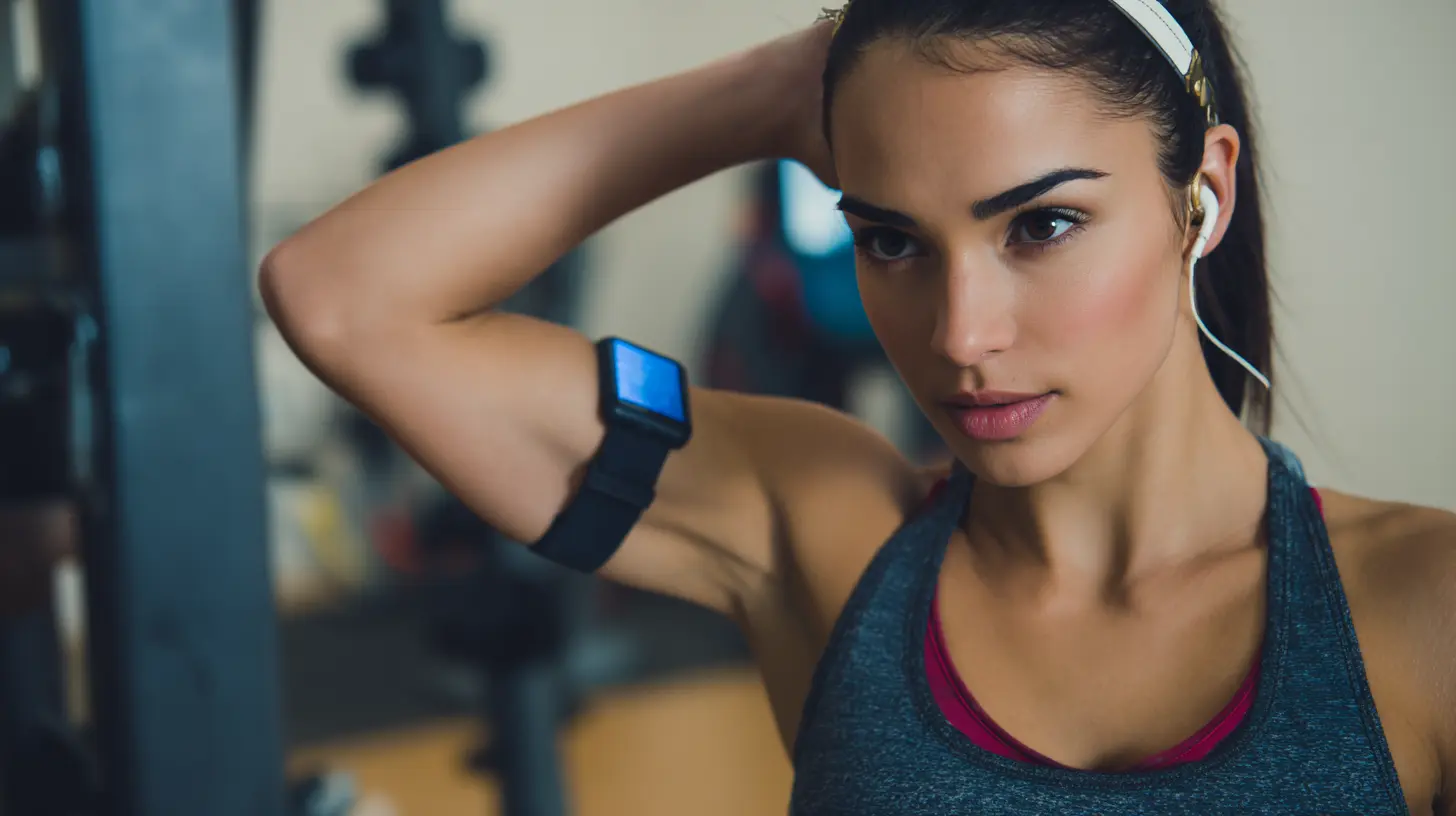
The Role of Wearables in Recovery
Types of Wearables and Their Functions
Wearable technology encompasses a wide range of devices, including smartwatches, fitness trackers, heart rate monitors, and even specialized recovery devices like massage guns and compression wear. Each device serves different purposes but ultimately contributes to a better understanding of recovery needs.Smartwatches
Smartwatches often come equipped with heart rate monitors, sleep tracking, and activity tracking features. They can provide insights into your heart rate variability (HRV), sleep quality, and overall activity levels, which are crucial for assessing recovery.Fitness Trackers
Fitness trackers focus primarily on movement data. They can monitor daily activity, calorie expenditure, and step counts, giving insights into overall energy expenditure and recovery needs.Heart Rate Monitors
These devices offer more precise heart rate readings, helping you understand how hard your heart is working during and after workouts. Tracking heart rate recovery can indicate your cardiovascular fitness and readiness for the next workout.Specialized Recovery Devices
Devices like massage guns and compression sleeves target muscle tension and soreness directly. While not traditional wearables, they are often used in conjunction with wearable technology to enhance recovery.How Wearables Aid Recovery
Wearables enhance recovery in several ways, including data collection, insights, and actionable recommendations. Let's explore these contributions in detail.Monitoring Heart Rate Variability (HRV)
HRV is a key indicator of recovery. It measures the variation in time between heartbeats and is influenced by the autonomic nervous system. A higher HRV generally indicates better recovery and a more resilient state. Wearables can track HRV trends over time, giving users a better understanding of their recovery status.#
Best Practices for Utilizing HRV Data
1. Establish a Baseline: Track HRV daily to understand your normal range.2. Listen to Your Body: If HRV drops significantly, consider taking a rest day or reducing workout intensity.
3. Consistency is Key: Measure HRV under similar conditions for the most accurate comparisons.
Sleep Tracking
Quality sleep is crucial for recovery. Many wearables now feature advanced sleep tracking capabilities, providing insights into sleep duration, quality, and even sleep stages. Understanding sleep patterns can help users optimize their rest and recovery.#
Tips for Improving Sleep Quality
1. Maintain a Sleep Schedule: Go to bed and wake up at the same time daily.2. Limit Screen Time: Reduce exposure to screens at least an hour before bed.
3. Create a Relaxing Environment: Keep your bedroom cool, dark, and quiet.
Activity Level Monitoring
Wearables can help track your activity levels throughout the day, ensuring you're not overtraining or undertraining. By comparing workout intensity with daily activity, you can gauge your recovery needs more accurately.#
Finding Balance Between Activity and Recovery
1. Scheduled Rest Days: Incorporate rest days into your training schedule to allow for recovery.2. Active Recovery: Engage in light activities like walking or yoga on rest days to promote blood flow without straining muscles.
3. Listen to Your Body: If you feel fatigued, adjust your activity levels accordingly.
Data-Driven Decisions for Recovery
Wearables offer a wealth of data that can inform recovery strategies. By compiling and analyzing this information, users can make informed decisions that enhance their recovery processes.Understanding Data Trends
1. Long-Term Analysis: Look for trends over weeks or months rather than focusing on daily fluctuations.2. Contextualize Results: Consider how factors like stress, nutrition, and hydration may influence your metrics.
3. Set Realistic Goals: Use data to set achievable recovery goals that align with your overall fitness objectives.
Real-World Examples of Wearable Use
Case Study: Professional Athletes
Many professional athletes rely on wearables to optimize recovery. For instance, basketball players often use sleep tracking devices to monitor their rest during intensive training seasons. By understanding their sleep patterns, they can adjust their training loads and manage fatigue levels effectively.Case Study: Amateur Athletes
Amateur athletes can also benefit from wearables. A marathon runner might use a fitness tracker to monitor heart rate during training runs. If the data shows that the runner's heart rate isn't recovering quickly after workouts, they could implement additional rest days or modify their training schedule to prevent burnout.
Common Mistakes and Misconceptions
Over-Reliance on Technology
While wearables provide valuable data, it is essential to remember that they are tools, not solutions. Over-relying on technology can lead to neglecting other essential recovery practices like nutrition and mental wellness.Misinterpreting Data
Users may misinterpret data, leading to misguided decisions. It is crucial to have a clear understanding of what the data signifies before making changes to your training regimen.Ignoring Individual Needs
What works for one athlete may not work for another. Each individual's body responds differently to stress and recovery. Tailoring recovery strategies to personal needs is vital to achieving optimal results.
Best Practices for Using Wearables in Recovery
1. Integrate Wearables with Other Recovery Methods: Use wearables alongside traditional recovery methods such as hydration, nutrition, and stretching.2. Consult with Professionals: If unsure about data interpretation, consult with a trainer or healthcare provider.
3. Stay Informed About Technology Updates: Wearable technology is rapidly evolving, and staying updated can provide new opportunities for optimizing recovery.
Conclusion
Wearables have transformed the landscape of post-workout recovery, providing athletes and fitness enthusiasts with valuable insights into their physiological states. By effectively harnessing this technology, individuals can enhance their recovery processes, improve performance, and maintain long-term health. The key lies in understanding the data, integrating it with holistic recovery practices, and listening to one's body. With the right approach, wearables can be a game-changer in your fitness journey.
all images in this post were generated using AI tools
Category:
Recovery And RehabAuthor:

Umberto Flores