The Ultimate Guide to Compression Wear for Athletes
30 December 2025
Staying ahead in the world of sports isn’t just about training harder—it’s also about training smarter. If you're an athlete or even just a weekend warrior, you’ve probably seen tons of people rocking compression gear. But does it really make a difference, or is it just another overhyped fitness trend?
Let’s break it down. Whether you're sprinting on the track, lifting at the gym, or recovering after a marathon, compression wear can be a total game-changer. In this ultimate guide, we’ll explore everything you need to know about compression wear, why it matters, how it helps, and how to choose the right one for your sport.
What Is Compression Wear, Really?
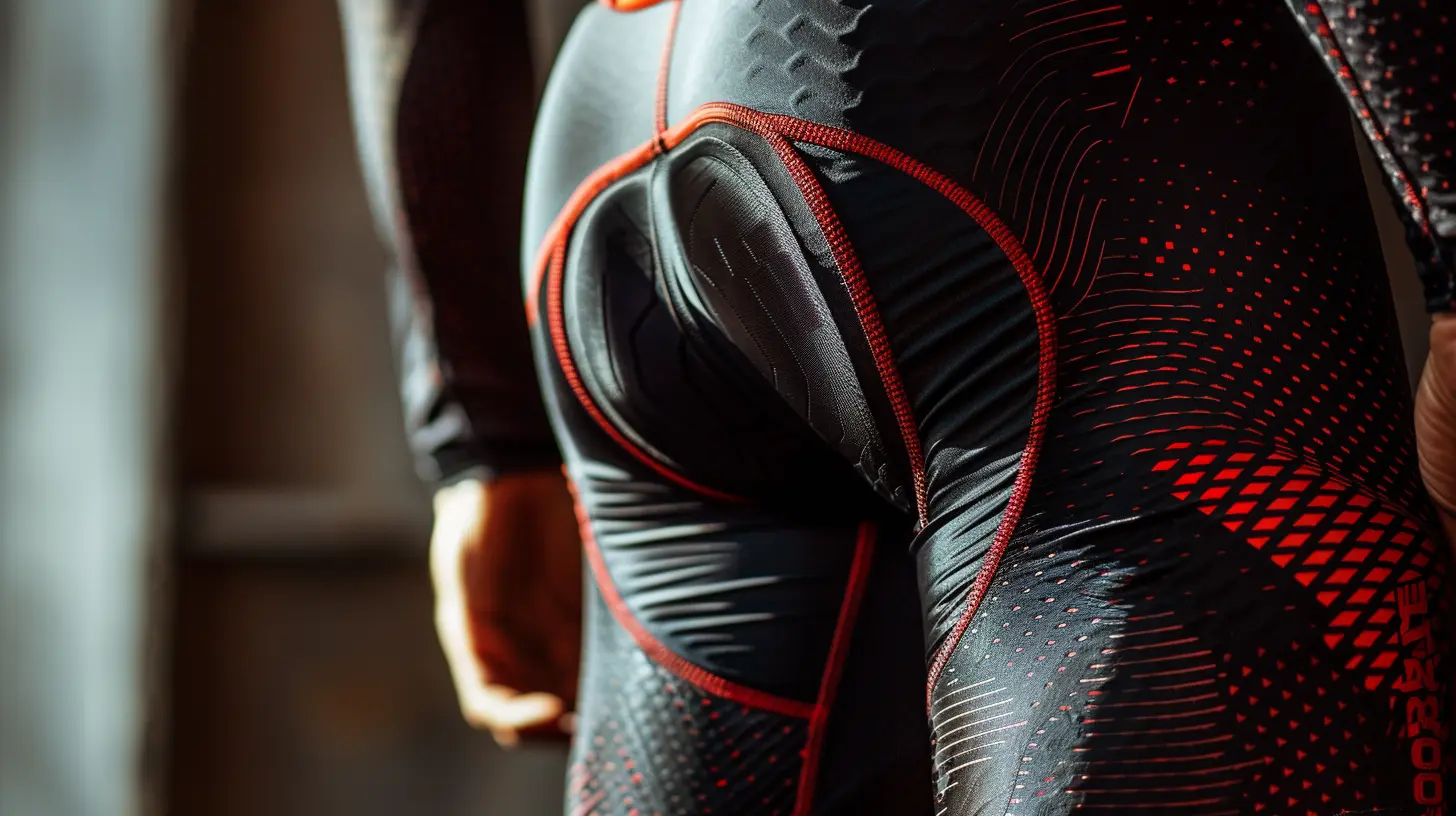
At first glance, it looks like workout clothes that are just super tight, right? But there’s more going on under the surface. Compression wear is made from stretchy, form-fitting fabric—usually a blend of Lycra, spandex, and nylon—that applies graduated pressure to specific muscle groups.Now, that "graduated pressure" part is key. It means the garment is tighter in some areas (like closer to the ankles or wrists) and looser in others, to help boost blood flow back to your heart. Think of it like giving your muscles a gentle squeeze to keep everything flowing efficiently.
Why Athletes Are Obsessed with Compression Gear
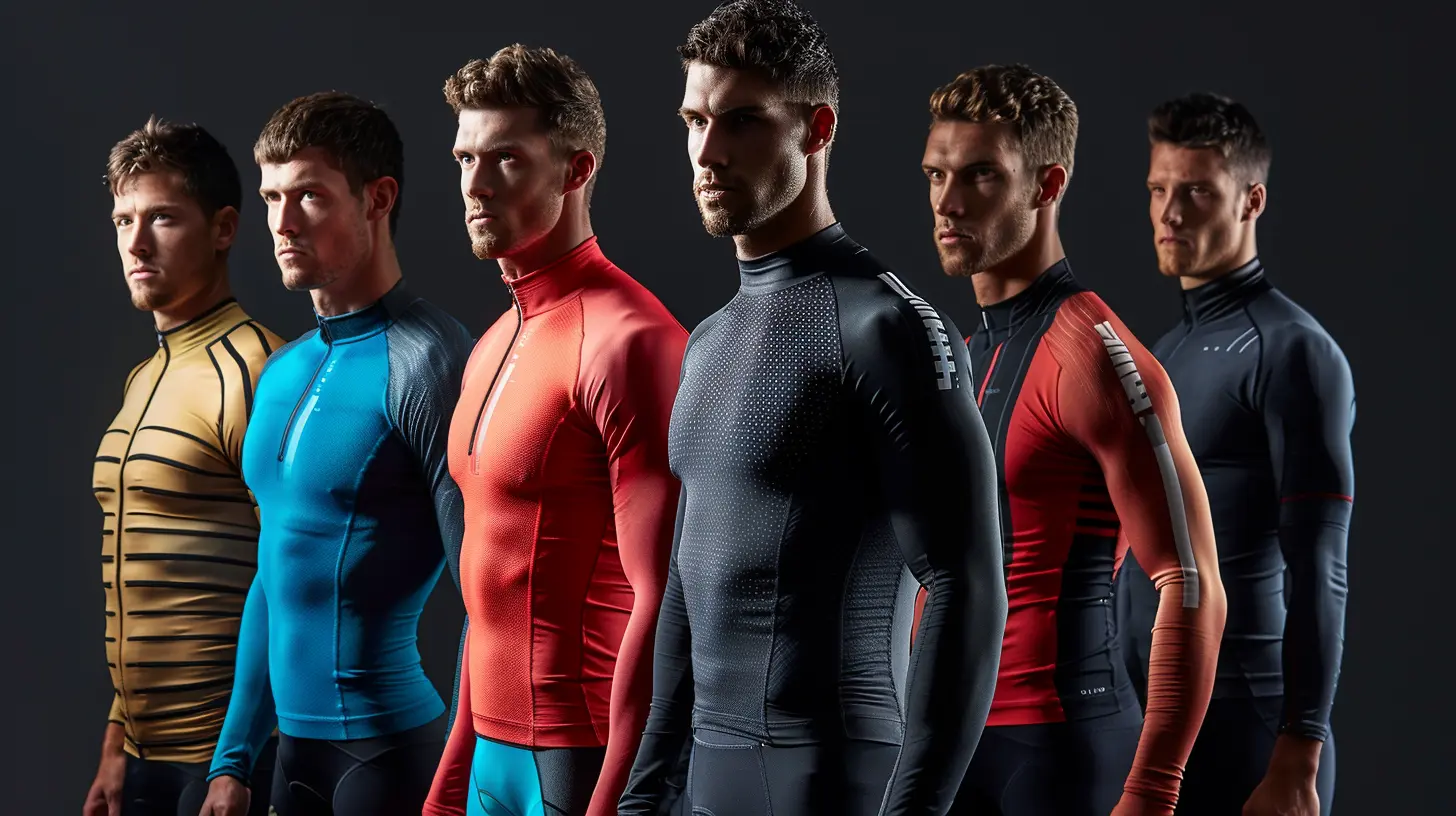
Let’s be real—comfort matters. But beyond feeling sleek and supported, compression wear has a bunch of science-backed benefits. Here’s why athletes from pros to beginners are loving it:1. Improved Blood Circulation
Remember that graduated pressure we mentioned? It’s not just a fancy term. Better circulation means more oxygen is delivered to your muscles during a workout. That translates to enhanced performance and reduced fatigue. Win-win!2. Reduced Muscle Vibration and Fatigue
When you're pounding the pavement or lifting weights, your muscles bounce and jiggle. It might sound harmless, but all that micro-movement can lead to micro-tears in the muscle tissue. Compression gear holds everything in place, minimizing that vibration and helping you go longer without feeling like your legs are turning to jelly.3. Speedier Recovery Times
Ever feel like you need a forklift just to get off the couch after leg day? Compression wear can seriously help with that. By increasing blood flow and reducing muscle soreness, these garments aid in flushing out metabolic waste like lactic acid post-exercise. The result? Less downtime, more grind time.4. Controlled Muscle Temperature
Compression garments help regulate your body’s temp—keeping your muscles warm during workouts and cool during recovery. No more freezing cold warm-ups or overheating halfway through your run.5. Injury Prevention
You can’t eliminate injuries completely, but you can lower your risk. Compression wear offers joint support and alignment, especially in high-impact sports. It’s like having an invisible athletic trainer wrapped around your body.
Types of Compression Wear for Different Sports
Not all compression gear is created equal. Depending on your sport or workout style, there’s a perfect piece of kit for you.🔹 Compression Shorts
Ideal for runners, lifters, and HIIT killers. They help stabilize your quads, hamstrings, and glutes—all essential for explosive movements. Say goodbye to that dreaded inner-thigh chafing too.🔹 Compression Tights/Leggings
Great for full leg support. Long-distance runners and cyclists swear by them to keep everything tight and reduce fatigue on those long hauls.🔹 Compression Tops
These include shirts and tanks that support the chest, shoulders, and arms. Lifters and cross-trainers love them for their posture-improving fit and muscle support.🔹 Compression Sleeves
Perfect for targeted support. Arm sleeves are popular with basketball players, while calf sleeves are a go-to for runners who want to reduce shin splints and improve lower leg circulation.🔹 Compression Socks
Not just for the elderly or air travel! Athletes use them to reduce swelling, especially after long training sessions or when standing a lot during the day.
When Should You Wear Compression Gear?
You might be thinking, “Should I wear this stuff while working out, afterward, or just all day long?” Let’s break it down:- During workouts: Helps with performance, reduces muscle vibration, and keeps muscles warm.
- After workouts: Aids in recovery by increasing circulation and bringing oxygen to sore muscles.
- While traveling: Prevents swelling and discomfort during long drives or flights—especially if you're headed to a big game or race.
So honestly? Wear it as much as you're comfortable. Some athletes even sleep in them after intense training days.
Compression Wear vs. Regular Athletic Gear
You might be tempted to think, “Well, my Nike shorts are comfy enough.” And sure, they might be. But regular athletic wear doesn’t compress your muscles the way compression gear does. It’s the difference between wearing flip-flops and performance sneakers—both get the job done, but only one gives support when you’re pushing limits.Here’s a quick comparison:
| Feature | Regular Athletic Wear | Compression Wear |
|--------|------------------------|------------------|
| Muscle Support | Minimal | High |
| Blood Flow Boost | No | Yes |
| Recovery Help | Not really | Yes |
| Moisture Wicking | Maybe | Often yes |
| Comfort for Long Wear | Moderate | High |
How to Choose the Right Compression Gear for You
Not all compression wear is a one-size-fits-all situation. Here are a few tips to guide your buying decision:1. Check the Compression Level
There are two basic categories:- Medical-grade compression (20-30 mmHg or more): Often used for serious recovery or medical conditions.
- Athletic compression (10-20 mmHg): Ideal for training, competition, and casual use.
Stick with athletic-grade unless otherwise advised.
2. Go for the Right Fit
Too tight and it’ll restrict blood flow. Too loose and—well—it’s just tight clothing. Look for snug but comfortable fits.3. Material Matters
Look for breathable, moisture-wicking fabrics. Bonus points for antimicrobial properties to keep the funk away after a grueling workout.4. Consider Your Sport
Match the compression gear to your activity. For example, if you’re a soccer player, shorts and socks may be your go-to. Runners? Tights and calf sleeves. Weightlifters? Tank tops and shorts.Tips for Getting the Most Out of Your Compression Gear
Alright, so you’re sold on compression wear. Here’s how to actually put it to good use:- Start with short durations: Wear it for short training sessions before wearing it for full days.
- Wash after every wear: Most are machine-washable, but follow the care label. It helps them retain elasticity.
- Layer smartly: If it’s cold, use your gear as a base layer. It not only keeps you warm but adds function under your outerwear.
- Listen to your body: If something feels too tight, it probably is. Don’t ignore numbness or discomfort.
Common Myths About Compression Wear
Before we wrap this up, let’s bust a few myths:❌ “Compression wear is only for pros.”
Nope. Whether you’re training for a 5K or just staying in shape, it can help. It’s about muscle support and recovery, not your competition level.❌ “It only works if you feel the squeeze.”
Wrong again. You shouldn’t feel like a sausage in a casing. Proper compression feels supportive, not suffocating.❌ “It's a miracle solution for everything.”
We wish! It's not a shortcut to gains—you still need to train, eat well, and rest. But it’s an awesome tool in your recovery toolbox.Final Thoughts: Is Compression Wear Worth It?
Honestly? Yes. Compression wear isn’t snake oil—it’s backed by research and praised by athletes across sports. Whether you’re trying to improve performance, speed up recovery, or just feel more supported during your workouts, this gear can make a real difference.It's like giving your muscles a hug while they work. And let's face it—sometimes that's exactly what they need.
all images in this post were generated using AI tools
Category:
Sports GearAuthor:

Umberto Flores
Discussion
rate this article
2 comments
Audrey Dodson
While the guide provides valuable insights on compression wear's benefits, it overlooks individual variances in body types and athletic needs. Tailoring recommendations for diverse athletes could enhance effectiveness and personal relevance in performance gear choices.
February 16, 2026 at 4:33 AM
Umberto Flores
Thank you for your feedback! We appreciate your point about individual differences and will consider incorporating tailored recommendations for diverse athletes in future updates.
Finn Lamb
Excellent insights! Compression wear enhances performance significantly.
December 30, 2025 at 5:12 AM
Umberto Flores
Thank you! I'm glad you found the insights helpful!