Underground Marvels: The Hidden Technologies Beneath Major Stadiums
2 March 2026
When we think of stadiums, our minds often drift to the towering stands, the roaring crowds, and the breathtaking moments of athleticism. But have you ever stopped to wonder what’s happening beneath the surface? I’m not talking about the locker rooms or the tunnels where athletes stroll in and out. I’m talking about the hidden, often invisible technologies that keep these massive structures running smoothly. From innovative drainage systems to complex wiring networks, the underground world beneath a stadium is a marvel in itself.
In this article, we’re going to dig deep—literally—and uncover the secret technologies lying beneath some of the world's most iconic sports arenas. Trust me, by the end, you'll never look at your favorite stadium the same way again.
The Foundation: More Than Just a Concrete Slab
Let’s kick things off with the foundation. You might think that the base of a stadium is just a massive concrete slab, but it’s so much more than that. Unlike your average building, stadiums are designed to endure a lot of stress—both physical and environmental. They have to withstand tens of thousands of fans, intense weather changes, and even earthquakes in some regions.Reinforced Foundations for Stability
Most modern stadiums are built with reinforced concrete and steel, but beneath that, there’s often a complex system of piles (large columns driven deep into the ground) that provide extra stability. These piles can go down hundreds of feet, depending on the soil conditions. It’s like giving the stadium deep roots so it doesn’t just sit on top of the earth but becomes an integral part of it.In some cases, especially when stadiums are built on unstable or soft ground, engineers use something called "geogrid technology." Geogrids are durable plastic or metal grids buried under the foundation that help distribute the weight of the stadium evenly across the ground. It’s like laying a net underneath a trampoline—you need that even support to prevent sagging or collapsing.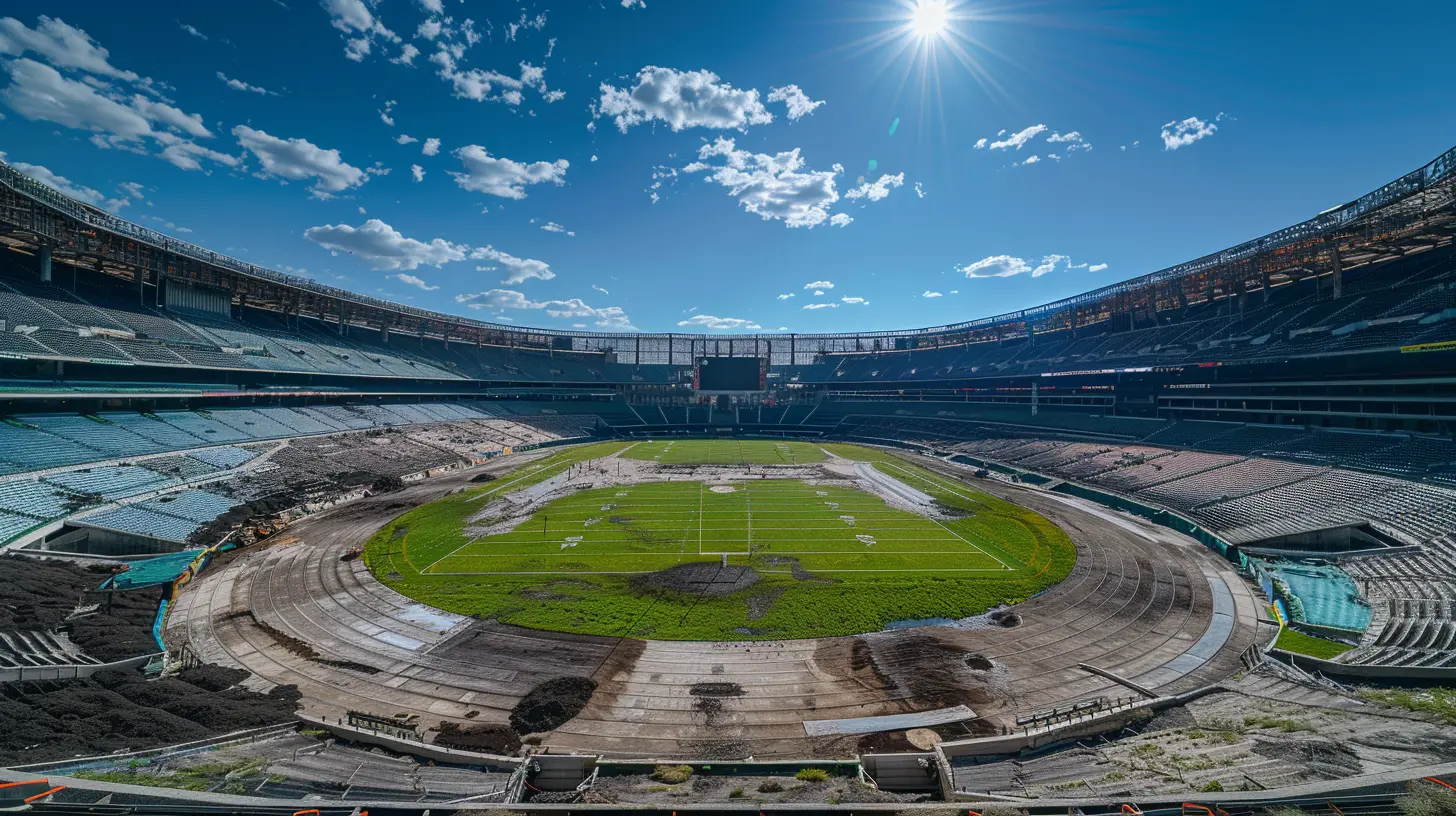
The Unsung Hero: Advanced Drainage Systems
Ever gone to a game during a downpour and wondered how the field isn’t flooded? That’s not magic; it’s an incredibly sophisticated drainage system working beneath the field.Subsurface Drainage Networks
Most stadiums use a subsurface drainage system that lies just below the playing surface. These systems are designed to collect water quickly and redirect it away from the field, preventing puddles and ensuring the game can go on, even in the worst weather. The drainage pipes are often laid in a herringbone pattern under the field, designed to capture water from all angles. The water is then funneled into large underground tanks or directly into the city's sewage system.For example, Wembley Stadium in London has an advanced drainage system capable of handling up to 500,000 liters of water per hour. That’s nearly enough to fill a small swimming pool every minute! And yet, you’d never know it’s there, silently working beneath your feet.
Pitch Heating and Cooling
In colder regions, drainage systems often work hand-in-hand with underground heating systems to prevent the field from freezing. Imagine trying to play soccer on an ice rink—that’s a no-go! These systems are usually made up of a network of pipes filled with heated water or antifreeze chemicals. The heat radiates upwards, keeping the field in top playing condition no matter the weather.On the flip side, in hotter climates, some stadiums have cooling systems to prevent the turf from overheating. These systems usually involve underground fans or chilled water pipes that work to keep the grass cool and healthy.
The Complex Web: Electrical and Data Infrastructure
Stadiums today are more than just places to watch sports. They’re multimedia hubs, filled with massive jumbotrons, sound systems, Wi-Fi, and lighting rigs that would make a rock concert jealous. All of this tech requires a mind-boggling amount of electrical and data infrastructure, much of which is buried beneath the stadium.Power and Backup Systems
The average stadium consumes an enormous amount of power—enough to run a small city in some cases. Beneath the stadium, there are usually massive electrical transformers and switchgear systems that help distribute power throughout the arena. And because no one wants a blackout during a game, most stadiums also have backup generators that kick in automatically if the main power supply fails. These generators are often housed underground, out of sight but ready to spring into action at a moment’s notice.Data Cables and Fiber Optics
In today's digital age, fans demand instant replays, live stats, and Wi-Fi access while watching the game. All of this requires an intricate network of data cables and fiber optics running beneath the stands and field. These cables carry massive amounts of data every second, ensuring that everything from the scoreboard to the fan’s smartphone connection works seamlessly.Some stadiums also use underground systems to house their security networks. Cameras, alarms, and even facial recognition systems are often wired into underground data hubs, ensuring that stadium security can monitor every inch of the venue without a hitch.
Sound and Vibration Control: Engineering the Perfect Experience
Ever noticed how, in some stadiums, the roar of the crowd seems to hit you like a wave? That’s not just due to the number of people in the stands—it’s partially thanks to subterranean sound and vibration control systems.Vibration Dampening Systems
Stadiums can shake—literally. When tens of thousands of people are jumping up and down (think of a goal celebration), the ground beneath them is under immense stress. To prevent structural damage, many stadiums are equipped with vibration dampening systems that can absorb and dissipate the energy created by the crowd. These systems are usually buried beneath the stands and are made up of rubber pads or springs that help absorb the impact.Acoustic Design
Have you ever been in a stadium where the sound just seems to carry perfectly? That’s not by accident. Many stadiums have underground acoustic chambers that help channel sound in specific directions. Engineers use sophisticated modeling software to figure out how sound waves will travel through the stadium and then build underground sound traps or barriers to control how the noise moves. This creates that immersive "wall of sound" effect that makes you feel like you’re in the middle of the action, even if you’re sitting way up in the nosebleeds.The Secret Transit Systems
While not every stadium has them, some of the world’s largest arenas are equipped with underground transit systems to help move people and supplies quickly.Underground Tunnels for VIPs and Staff
For stadiums that host major events—think Super Bowls or World Cup finals—there’s often an underground network of tunnels dedicated to moving VIPs, players, and staff without disrupting the general flow of fans. These tunnels are also used for delivering food, drinks, and equipment to different parts of the stadium without clogging up the public areas.Subterranean Parking and Logistics
In densely populated areas, parking can be a nightmare, and that's where underground parking comes into play. But these aren't your typical parking garages. Some stadiums have multi-level underground parking lots with automated systems that direct traffic flow, making it easier for fans to get in and out quickly. It’s like an underground ballet—cars moving in and out in perfect harmony.The Future of Underground Stadium Tech
So, what’s next for the hidden technologies beneath our stadiums? As the world becomes more focused on sustainability, we can expect to see more eco-friendly systems being installed underground. For example, some stadiums are already experimenting with underground geothermal systems that use the earth’s natural heat to regulate the temperature inside the stadium, cutting down on energy costs.Additionally, underground water recycling systems are becoming more common, allowing stadiums to collect and purify rainwater for use in irrigation or even for flushing toilets. The future of underground stadium tech is all about making these massive venues more efficient and sustainable while still delivering an unforgettable fan experience.
Conclusion: It’s What’s Below That Counts
The next time you’re at a stadium, take a moment to appreciate not just what’s happening on the field, but what’s happening beneath it. From drainage systems to electrical grids, from sound dampeners to underground tunnels, these hidden technologies are the backbone of the stadium experience. They may be out of sight, but they’re certainly not out of mind for the engineers and architects who make it all possible.And who knows? Maybe one day, we’ll see even more mind-blowing innovations lurking beneath the surface of our favorite sports arenas. Until then, we can just sit back, enjoy the game, and marvel at the underground wonders making it all possible.
all images in this post were generated using AI tools
Category:
StadiumsAuthor:

Umberto Flores
Discussion
rate this article
2 comments
Astrid Ramos
Exploring the hidden technologies in stadiums reveals the intricate blend of innovation and design, enhancing the fan experience while showcasing the unseen effort behind the spectacle.
March 22, 2026 at 3:39 AM
Umberto Flores
Thank you for highlighting the fascinating intersection of innovation and design! It truly enriches our appreciation of the stadium experience.
Maura Beck
What a fascinating dive into the unseen wonders of our favorite sports arenas! It's amazing how much innovation lies beneath our feet while we cheer for our teams. Here’s to the hidden heroes that keep the game alive—both on the field and underground! Keep celebrating these marvels!
March 3, 2026 at 5:28 AM
Umberto Flores
Thank you! I'm glad you enjoyed the exploration of these hidden innovations that play a crucial role in enhancing our game-day experiences. Cheers to the unsung heroes!