Understanding Muscle Imbalances and How to Correct Them
4 May 2026
Muscle imbalances—ever heard of them? If you’ve ever felt one side of your body working harder than the other or noticed that one of your arms is slightly stronger, you’re dealing with a muscle imbalance. These sneaky little inconsistencies can lead to poor posture, nagging injuries, and even decreased athletic performance.
The good news? You can fix them. But first, you need to understand what causes them, how to identify them, and the best ways to correct them. Let’s dive into the nitty-gritty of muscle imbalances and get your body back in sync! 
What Are Muscle Imbalances?
Muscle imbalances happen when certain muscles become stronger or tighter than their opposing muscles. This creates an uneven pull on the body, leading to poor movement patterns, postural issues, and an increased risk of injury.For example, if your chest muscles are overly tight compared to your back muscles, your shoulders may round forward, leading to poor posture and potential shoulder pain. Another common example? When your quads overpower your hamstrings, making you more prone to knee injuries.
These imbalances don’t just affect athletes—they can happen to anyone, from desk workers to weekend gym-goers. 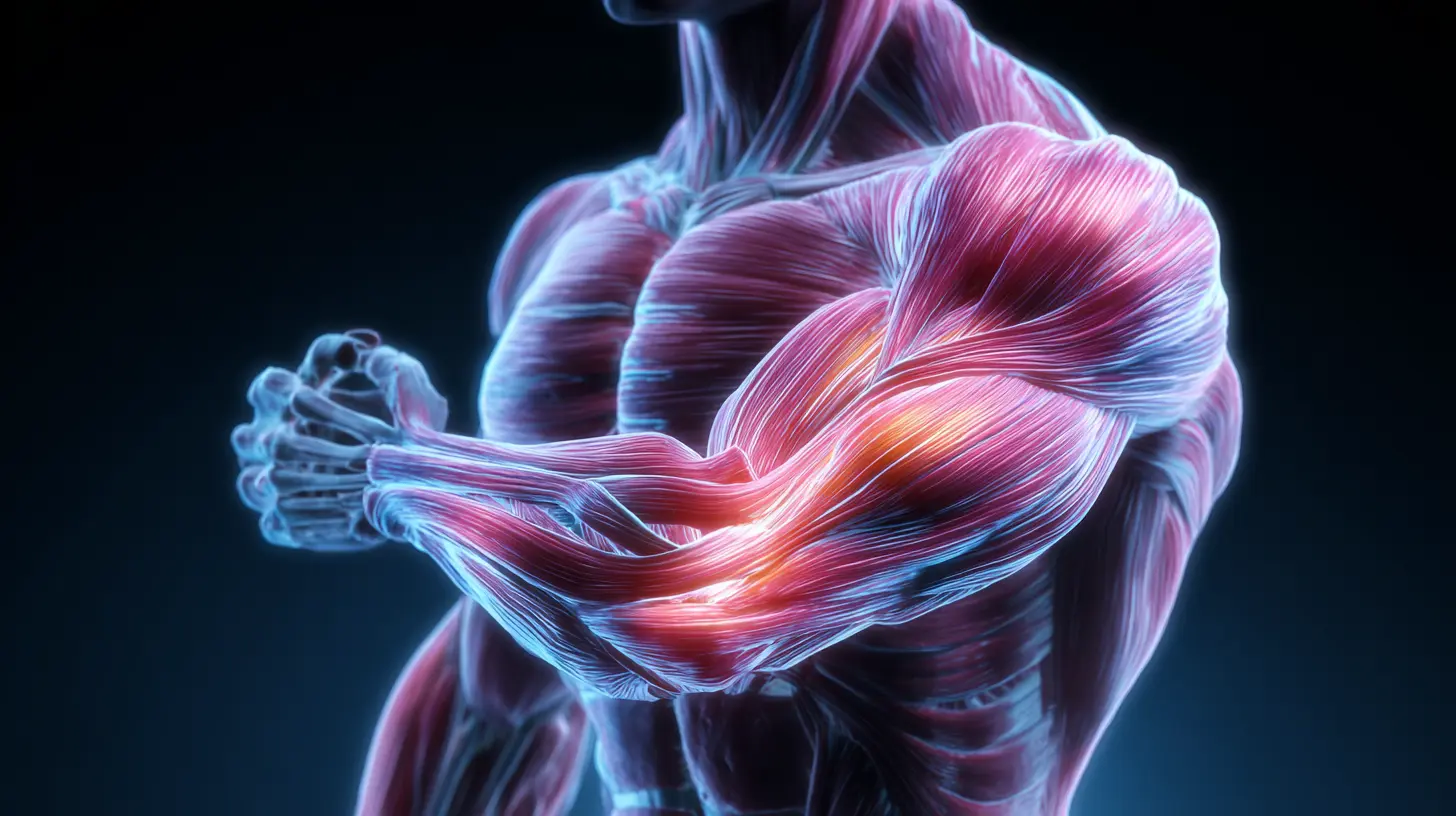
Causes of Muscle Imbalances
Muscle imbalances don’t appear out of nowhere. They develop over time due to a variety of factors, including:1. Repetitive Movements
If you constantly use one side of your body more than the other (think of a tennis player favoring their dominant arm), your stronger side will overpower the weaker one.2. Poor Posture
Sitting hunched over a desk all day? That could be tightening your chest muscles while weakening your back muscles, creating an imbalance that affects your entire upper body.3. Improper Training
Are you always doing bench presses but skipping rows? Many lifters favor the “mirror muscles” (chest, biceps, quads) while neglecting their opposing muscles (back, triceps, hamstrings). This uneven training leads to imbalances.4. Injury or Surgery
If you’ve ever had an injury, you probably avoided using that muscle for a while. This can lead to one side becoming weaker, while the other picks up the slack and becomes stronger.5. Genetics & Lifestyle
Some people naturally have imbalances due to genetics. Others might develop them due to certain habits, like always carrying a heavy bag on one shoulder.
Signs You Have a Muscle Imbalance
Not sure if you have a muscle imbalance? Here are a few signs that your muscles might not be working in harmony:- Uneven Strength – Struggling more on one side during exercises like squats, deadlifts, or presses? That’s a red flag.
- Bad Posture – Constantly slouching or noticing forward-rolled shoulders? Your muscles may be out of balance.
- Frequent Injuries – If you’re always getting injured on the same side, an imbalance might be making you more prone to strain.
- Limited Mobility – If one side feels stiffer or less flexible than the other, muscle imbalances could be the culprit.
- Pain and Discomfort – Chronic joint pain (knees, shoulders, lower back) often stems from imbalanced muscles pulling on the body incorrectly.
If any of these sound familiar, it’s time to take action! 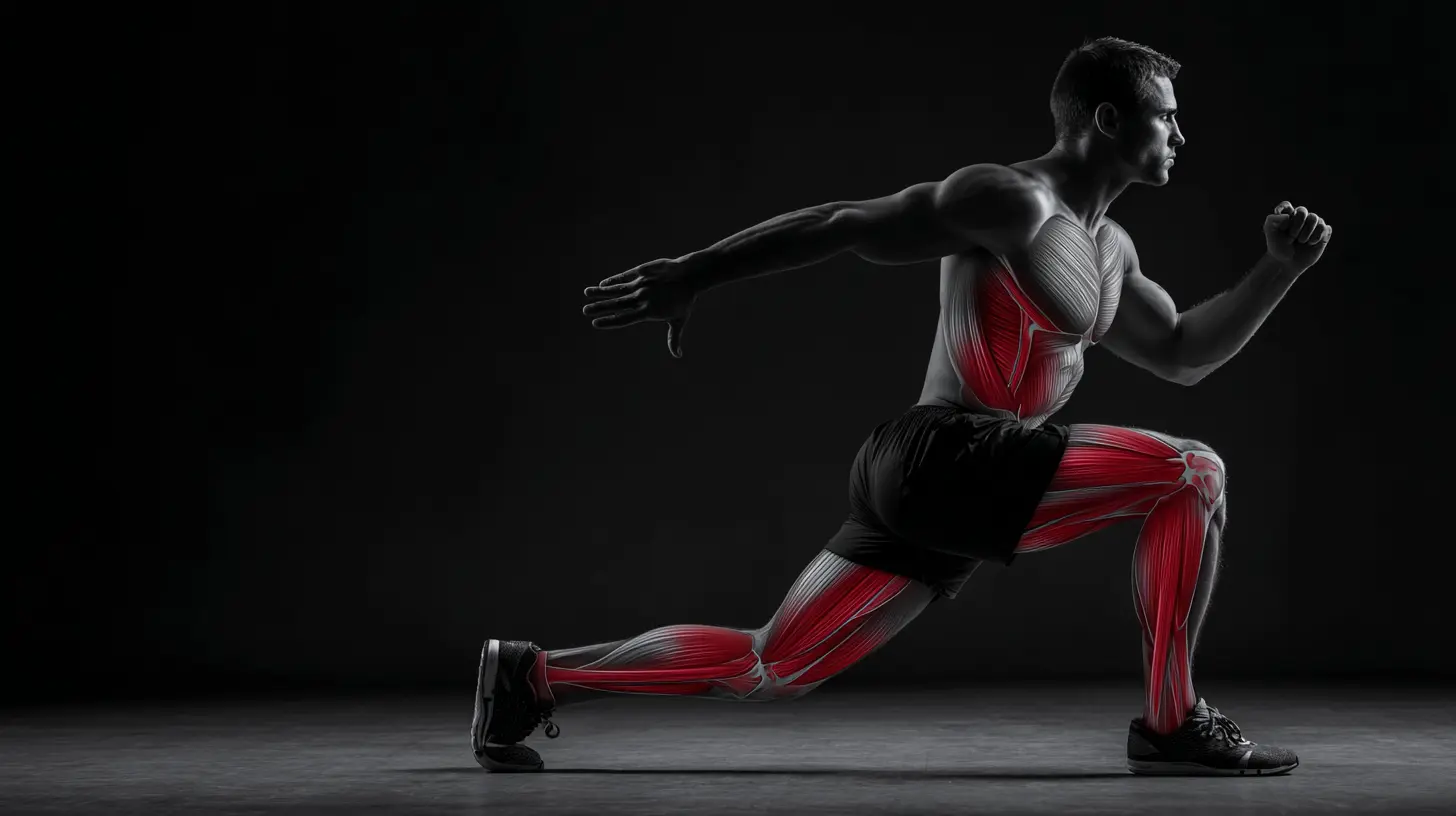
How to Correct Muscle Imbalances
Now that we know what muscle imbalances are and how to spot them, let’s talk about the best ways to fix them.1. Identify the Imbalance
Before you can correct an imbalance, you need to know where it is. Perform exercises like single-leg squats, single-arm presses, or unilateral deadlifts to see if one side feels significantly weaker or harder to control.2. Focus on Unilateral Exercises
Unilateral (single-limb) exercises force each side of your body to work independently. This prevents your stronger side from compensating for the weaker one. Some great options include:- Single-leg squats
- Dumbbell single-arm presses
- Bulgarian split squats
- Single-arm rows
These exercises will help even out strength discrepancies over time.
3. Strengthen the Weaker Side First
When doing unilateral exercises, always start with your weaker side. This ensures it gets your full attention and prevents your dominant side from getting more volume. If your right side is stronger, start with your left and match reps on both sides—even if the weaker side fatigues faster.4. Stretch & Mobilize Tight Muscles
Often, imbalances aren’t just about one muscle being too weak; they can also be caused by tight muscles restricting movement. If your chest is tight, stretch it out with mobility drills like:- Chest openers on a foam roller
- Doorway shoulder stretches
- Thoracic spine mobility exercises
By improving flexibility, you allow opposing muscles to engage more effectively.
5. Improve Your Posture
Poor posture creates and worsens muscle imbalances. To fix it:- Sit up straight (especially when using a computer or phone)
- Engage your core throughout the day
- Strengthen your upper back to counteract forward-rounded shoulders
Small daily adjustments can make a big difference over time.
6. Modify Your Training Routine
If you’ve been prioritizing certain muscle groups over others, it’s time to rebalance your workouts. Make sure you’re training opposing muscles equally—if you do a push exercise (like a bench press), follow it up with a pull exercise (like a row).7. Use Resistance Bands for Activation
Sometimes, weaker muscles struggle to activate properly. Using resistance bands before training can “wake up” dormant muscles, helping them fire properly during your workouts. Try banded glute bridges, band pull-aparts, or lateral band walks before lifting.8. Work on Core Stability
A weak core can contribute to imbalances throughout the body. Incorporate exercises like:- Planks
- Bird dogs
- Dead bugs
A strong core helps stabilize movements and prevents compensations.
9. Consider Professional Help
If your imbalances are severe or causing pain, working with a physical therapist or personal trainer can help. They can assess your movement patterns and create a tailored plan to correct imbalances safely.Preventing Muscle Imbalances in the Future
Once you’ve corrected muscle imbalances, you’ll want to prevent them from coming back. Here’s how:- Train both sides equally – Don’t let your dominant side take over.
- Include unilateral exercises in your routine regularly.
- Work on mobility & flexibility to prevent tight muscles from limiting movement.
- Be mindful of posture throughout the day.
- Listen to your body – If something feels off, address it before it becomes a bigger problem.
By staying proactive, you can keep your muscles balanced, strong, and injury-free.
Final Thoughts
Muscle imbalances are common but totally fixable. The key is recognizing them early and taking action before they lead to bigger problems. By incorporating unilateral exercises, stretching tight muscles, strengthening weak ones, and maintaining good posture, you can restore balance to your body and improve your overall performance.So, do yourself a favor—start paying attention to how your body moves. A little effort now can save you from pain and frustration down the road!
all images in this post were generated using AI tools
Category:
Injury PreventionAuthor:

Umberto Flores
Discussion
rate this article
2 comments
Kairoth Huffman
This article offers valuable insights into muscle imbalances and their impact on performance. The suggested correction techniques are practical and easy to implement, making it a must-read for athletes looking to enhance their strength and prevent injuries. Great job!
July 18, 2026 at 12:56 PM
Zara McConkey
Muscle imbalances can hinder athletic performance and lead to injury. This article offers valuable insights into identifying imbalances and practical methods for correction. Taking proactive steps can enhance strength and stability, ultimately improving overall fitness and reducing injury risk.
May 15, 2026 at 10:42 AM
Umberto Flores
Thanks for your feedback! I'm glad you found the article helpful. Addressing muscle imbalances is key to performance and injury prevention.