Understanding the Penalty Kill: Tactics for Shutting Down Power Plays
21 May 2026
When your team goes down a player, the pressure is on. Killing a penalty in hockey is one of the toughest defensive challenges, but it’s also one of the most rewarding when done right. The penalty kill (PK) is all about disrupting the opposing team’s power play, limiting their chances, and preventing a goal.
So, how do teams successfully shut down a power play and come out unscathed? Let’s break down the key strategies, positioning, and mindset needed for an effective penalty kill.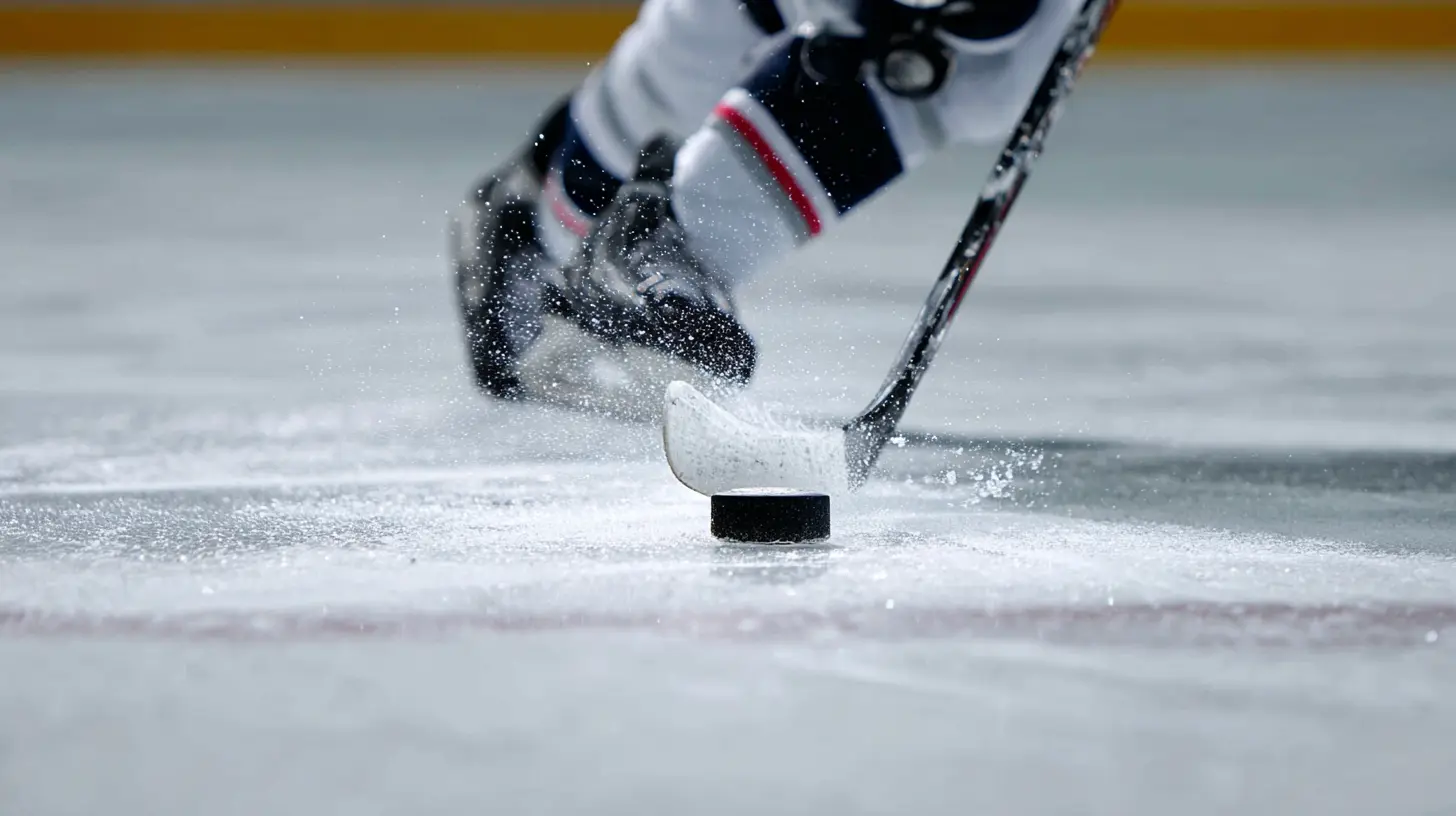
The Basics of the Penalty Kill
Before diving into tactics, let’s make sure we understand the foundation of penalty killing. When a team takes a penalty, they’re forced to play with one less skater—usually leaving them in a 4-on-5 situation (or worse, a 3-on-5 if multiple penalties stack up). This puts the other team in a prime position to score.The team on the penalty kill needs to focus on:
- Defensive positioning – Protecting the net and forcing bad shots.
- Clearing the puck – Sending the puck down the ice to waste time.
- Blocking passing lanes – Preventing crisp setups from the power play unit.
- Disrupting zone entries – Stopping the other team from setting up their power play.
Penalty killing is all about smart, disciplined play. One wrong move and the puck is in the back of the net. Now, let’s dive into the strategies that separate elite penalty-killing teams from the rest. 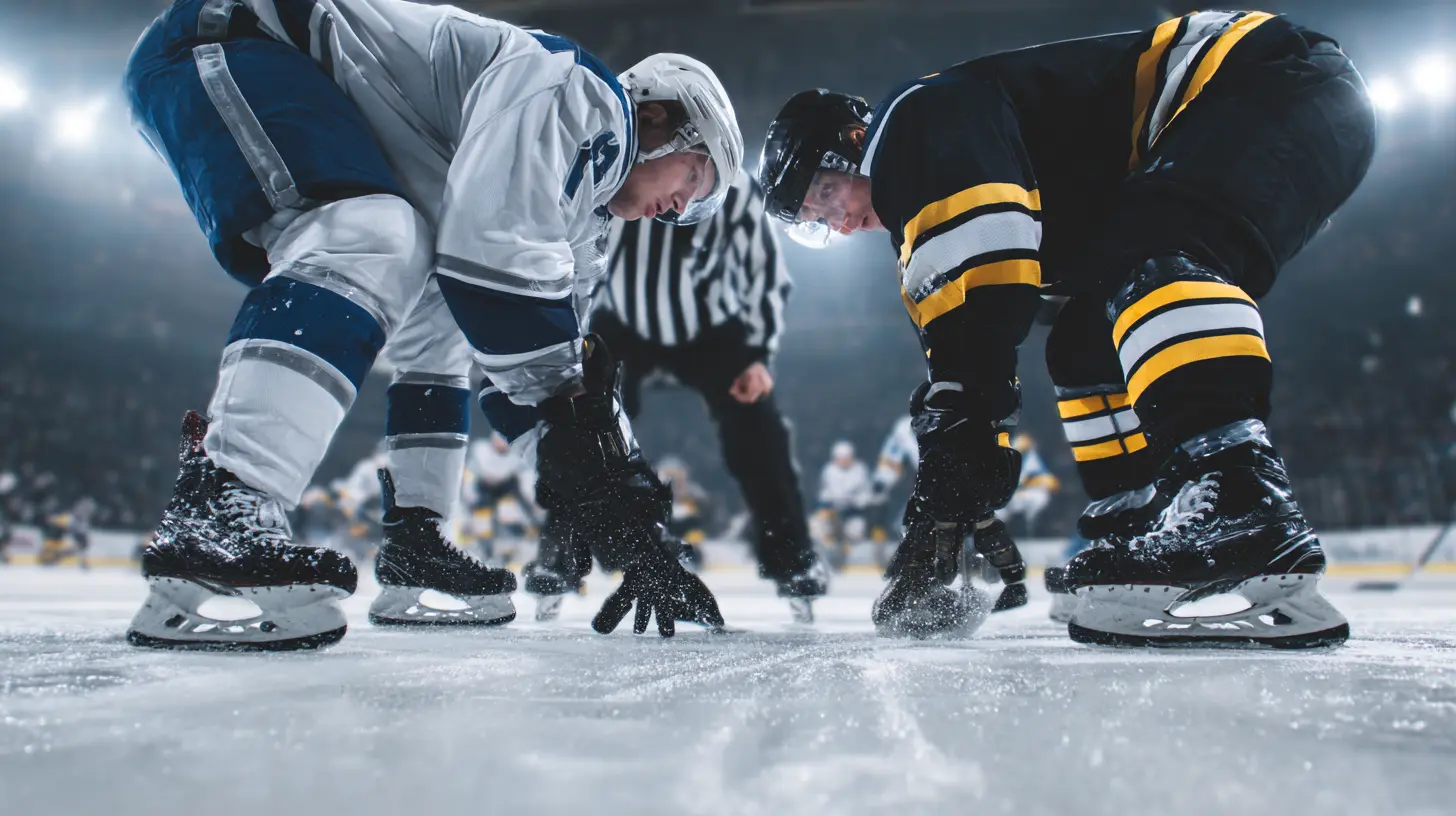
Penalty Kill Formations and Strategies
Different teams use different PK formations depending on their strengths and the opponent’s power play style. Here are the most effective setups and how they work:1. The Box Formation
The most common penalty kill setup, the box formation, consists of four skaters forming a square in front of the goalie.? Why it works:
- Keeps players between the puck and the net.
- Shrinks the passing lanes in the middle of the ice.
- Forces long-range shots that are easier for the goalie to stop.
? When to use it:
- Against power plays that focus on puck movement around the perimeter.
- When protecting the slot at all costs.
2. The Diamond Formation
A more aggressive alternative, the diamond formation, has one forward pressuring the puck carrier, two players forming the sides, and one defenseman near the goalie.? Why it works:
- Puts pressure on the puck handler at the point.
- Covers one-time shooting lanes, especially against teams that love to set up in the slot.
- Disrupts cross-ice passes that lead to high-danger opportunities.
? When to use it:
- Against teams with a strong shooter at the blue line.
- When looking to force quick decisions and turnovers.
3. The Wedge +1 Formation
This hybrid formation is a mix of the box and diamond. It places three players in a tight triangle (wedge) near the net while one player aggressively pursues the puck carrier.? Why it works:
- Takes away passing lanes while still applying pressure.
- Forces the attacking team to make quick plays, increasing mistakes.
- Works well against teams that rely on down-low plays near the crease.
? When to use it:
- Against teams that generate most of their chances from behind the net.
- When trying to create turnovers and clear the puck quickly. 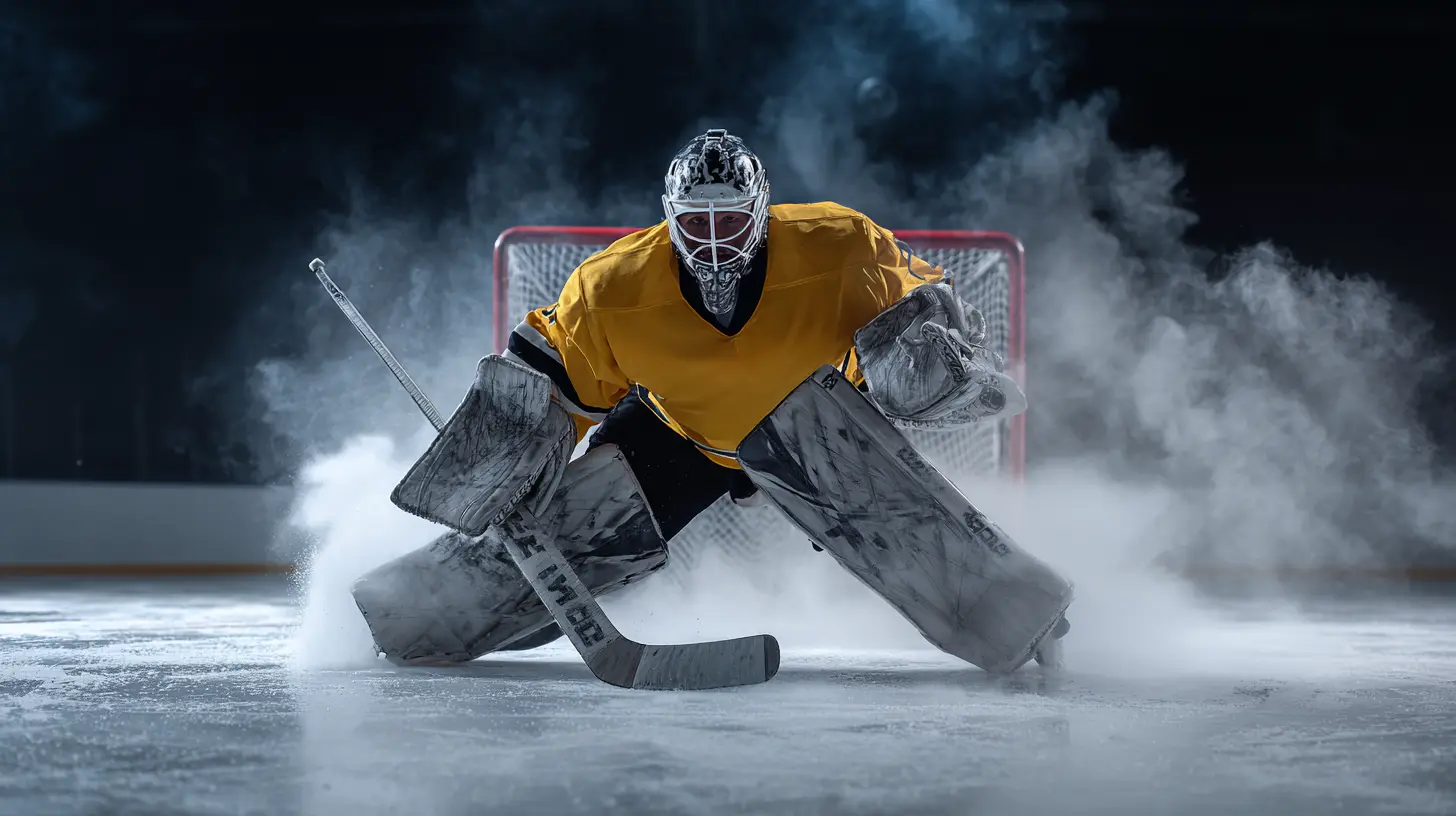
Key Penalty Kill Tactics
1. Active Sticks and Passing Lane Disruption
An effective penalty kill isn’t just about skating and positioning—it’s about using your stick wisely. Players need to keep their sticks in passing lanes to deny cross-ice plays and force the opposing team into low-quality shots.2. Aggressive Forechecking
Some teams take an aggressive approach, even on the penalty kill. Instead of sitting back and waiting, they pressure the puck carrier early—especially before they enter the zone. This disrupts controlled entries and forces turnovers before the power play can set up.3. Winning Faceoffs
Want to kill time quickly? Win the faceoff and clear the puck. Faceoffs matter more than most people realize, especially on a penalty kill. Possessing the puck means you dictate the play instead of chasing it.4. Shot Blocking
A willingness to sacrifice the body is huge. Blocking shots takes away scoring chances and can frustrate the power play unit. The key is smart shot blocking—staying square, getting low, and using shin pads to absorb impact.5. Quick and Hard Clears
Once the defending team gets control of the puck, they need to clear it immediately. Sending the puck down the ice forces the power play team to regroup and waste precious time resetting their attack.6. Strong Goaltending
Let’s be real—sometimes, even the best penalty killers can’t prevent every shot. This is where an elite goalie steps in. A penalty kill lives and dies by its goaltender. A good PK unit trusts their goalie to make the big saves when needed.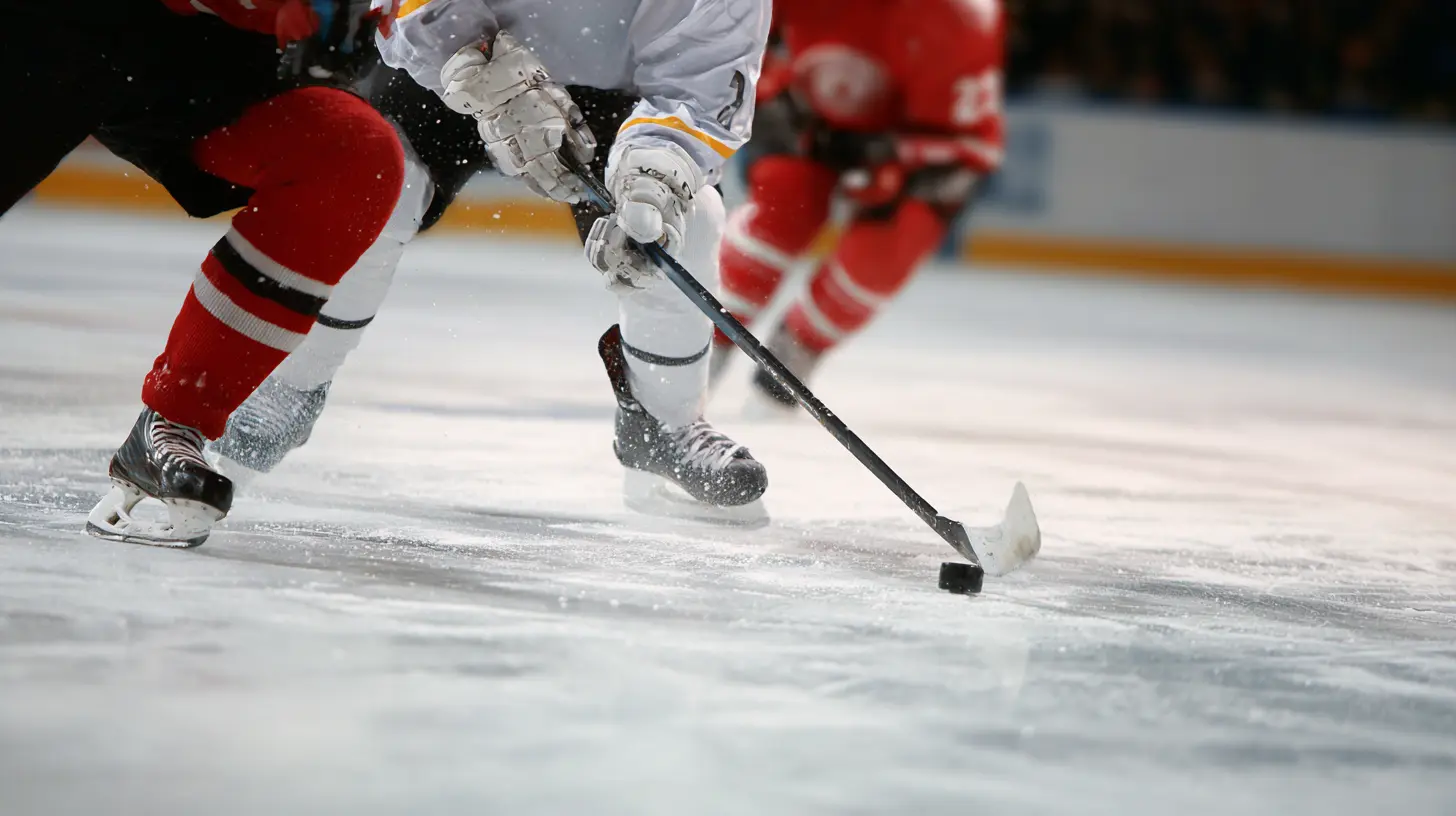
Mental and Physical Aspects of a Strong Penalty Kill
Stay Disciplined—No Overcommitting
One of the biggest mistakes in penalty killing? Overcommitting. If a player chases too aggressively, they can get caught out of position, creating an easy passing lane for the power play team. Discipline and patience are critical.Conditioning Matters
Killing penalties demands extra energy. Penalty killers need to be strong skaters with great endurance because they’ll be under constant pressure, blocking shots, and making multiple sprints in a single shift.Communication is Key
A successful PK unit talks—a lot. Players need to constantly communicate, calling out assignments, warning about backdoor plays, and adjusting positioning on the fly.The Best Penalty Killers in the NHL
Some players make a career out of being elite penalty killers. Here are a few traits that define the best of the best:- Quick decisions – Reacting fast to changing situations.
- Great skating ability – Covering ground efficiently.
- Fearlessness – Willingness to block shots and battle hard.
- High hockey IQ – Reading plays and anticipating passes.
Players like Patrice Bergeron, Ryan O’Reilly, and Jaccob Slavin have built reputations as some of the league’s smartest and most reliable penalty killers.
Final Thoughts
The penalty kill is one of the most challenging aspects of hockey, but it also separates great teams from average ones. A combination of smart positioning, aggressive disruption, and strong goaltending can make any team a nightmare to face while shorthanded.Whether you’re a player looking to improve your PK skills or a fan wanting a deeper appreciation, understanding these tactics will give you a greater insight into what makes a shutdown penalty kill truly special.
all images in this post were generated using AI tools
Category:
HockeyAuthor:

Umberto Flores
Discussion
rate this article
1 comments
Callie Wade
Great breakdown of penalty kill strategies. Successfully shutting down power plays requires discipline and teamwork, and your insights really highlight the importance of communication on the ice.
May 21, 2026 at 4:57 AM
Umberto Flores
Thanks for the feedback! Communication and teamwork really are key in executing effective penalty kill strategies. Glad you found the insights helpful!