VAR: Friend or Foe for Modern Referees?
3 July 2026
Let’s talk about something that has completely changed the game—literally. If you're a football fan, you’ve probably shouted at your TV screen in agony (or danced around in joy) thanks to one of the biggest shakeups in recent years: VAR, or Video Assistant Referee. It's the tech that’s got fans, players, and referees all feeling some type of way.
But here’s the million-dollar question: is VAR a friend or foe for modern referees?
Let’s dive deep into the heart of this beautiful, controversial, and sometimes frustrating innovation.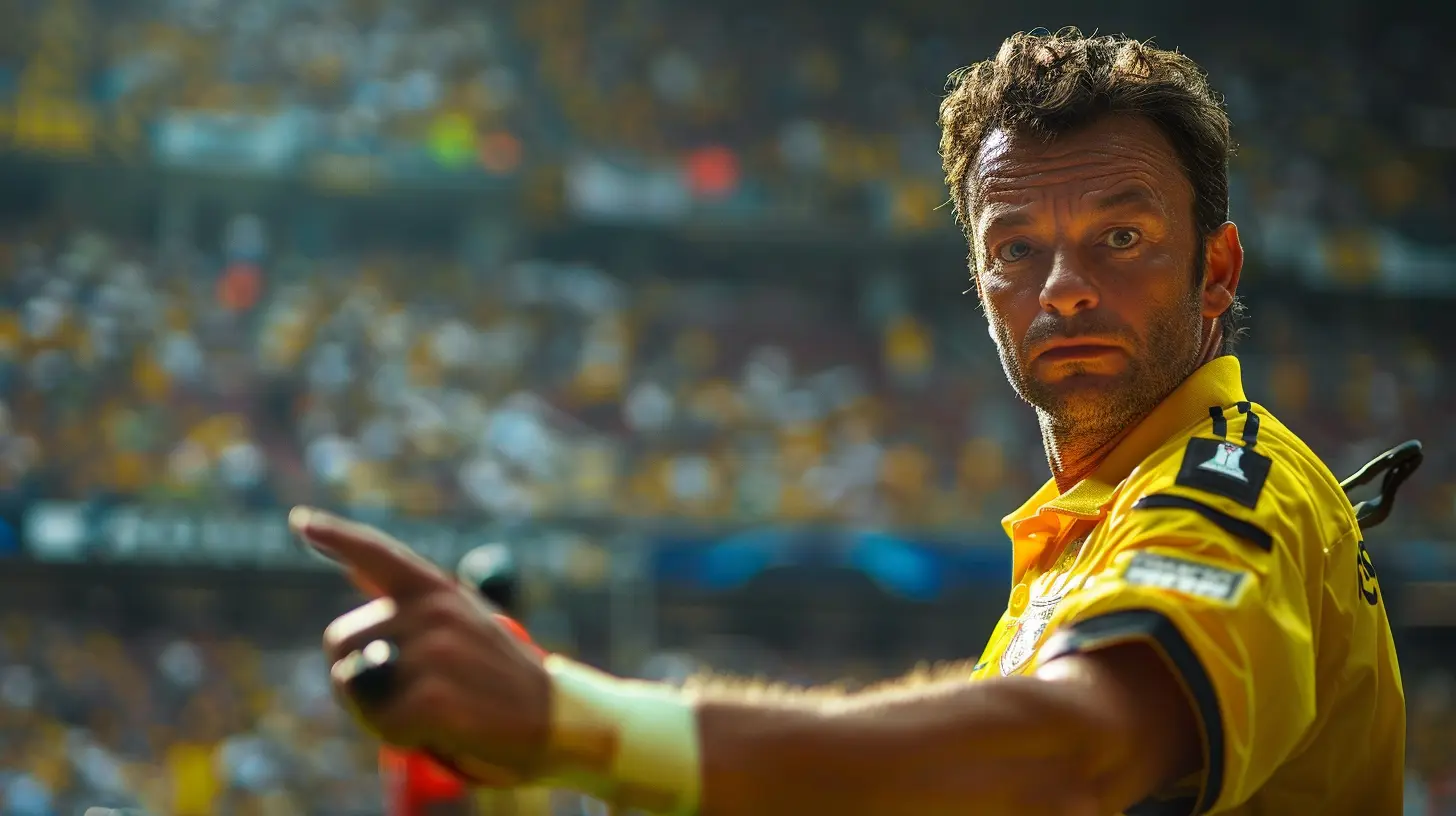
What Exactly Is VAR?
Before we pick sides, let’s clear the air.VAR stands for Video Assistant Referee. It’s essentially a team of officials with access to video footage who assist the on-field referee in making decisions. They don’t jump in for everything, just the “clear and obvious” stuff—goals, penalties, red cards, and mistaken identity.
Imagine having a rewind button during a heated match moment—that’s VAR. Sounds helpful, right? But as you’ll see, it’s not always black and white.
The Reason VAR Was Introduced
Let’s rewind to pre-VAR days. Remember the infamous handball by Thierry Henry in 2009 that knocked Ireland out of the World Cup play-offs? Or Frank Lampard’s disallowed goal in 2010 that bounced clearly over the line? These are the kinds of moments that scar fans for life.So, in comes VAR—like a superhero aiming to right the wrongs. It was introduced to eliminate “clear and obvious errors” and make the game fairer. The idea was simple: help referees get the big calls right by giving them a chance to review incidents.
So far, so good. But here’s where things get messy.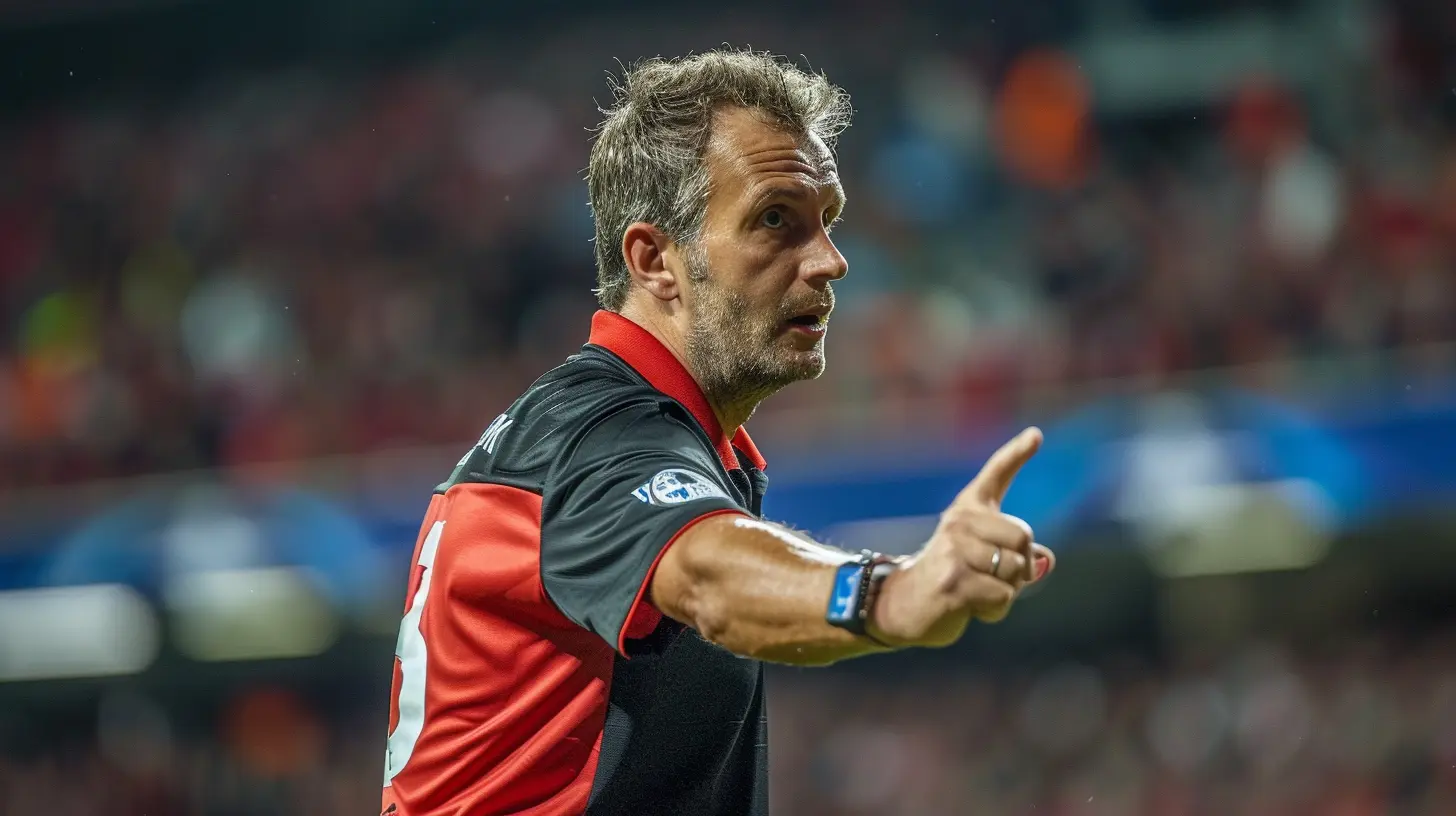
How VAR Helps Referees
Let’s give credit where it’s due—VAR has its perks, especially for the referees on the field.1. Backup Support in Real-Time
Picture this: you’re the ref, 85th minute, the crowd’s going wild, and you’ve got sweaty players breathing down your neck. A sudden clash in the box—was it a dive or a real foul?Now, with VAR, you’re not alone. You've got eyes in the sky (well, in a control room) watching multiple angles. That’s a game-changer.
2. Reduces Game-Changing Errors
Nobody wants to be the ref remembered for THAT blown call. VAR gives referees the chance to correct their mistakes before it's too late. It’s like having a second chance to get it right.3. Can Increase Confidence
Knowing that there's a safety net in place can boost the confidence of referees. Think of VAR like the spell-check for decisions. Sure, you type out the sentence, but it’s nice to have backup to catch anything you miss.
When VAR Feels Like the Enemy
But hold on—we're not giving VAR a free pass. There’s a flip side, and it’s a big one.1. Slows Down the Game
Let’s face it. You’re caught up in the thrill of a last-minute goal, only to have that joy sucked dry by a three-minute VAR review. The momentum dies, fans groan, and even players get restless.Football is a game of passion and flow. VAR can sometimes feel like slamming the brakes in a race car.
2. Too Much Tech, Not Enough Clarity
Ever watched a replay ten times and still had no clue what the ref saw? Yeah, us too.VAR decisions can feel opaque. While it's meant to clear things up, sometimes it creates more confusion. Was that handball “unnatural”? Was the attacker’s toe offside? The tiniest margins can rule out game-deciding goals, and fans (along with refs) are often left scratching their heads.
3. Shifts Responsibility
Here’s something not many talk about—VAR can actually make referees second guess themselves. Instead of relying on their instincts and experience, some refs defer to VAR for decisions they might’ve made confidently on their own before.It’s kind of like having your GPS say, “Make a U-turn,” and now you're questioning if you ever knew how to drive.
Referees Caught in the Middle
Let’s not forget: referees are human. VAR was supposed to make their lives easier, but often, it’s added pressure. Now, the world expects perfection, because “you’ve got the tech, right?”But perfect vision doesn’t always mean perfect judgment.
Refs are walking a tightrope. Make a call, and you might get overruled. Don’t make a call, and you might be criticized for relying too much on VAR. It’s a lose-lose at times.
The “Clear and Obvious” Dilemma
Here’s where things get super fuzzy. VAR isn’t meant to interfere unless there’s a “clear and obvious” error. But what even counts as “clear and obvious”? It’s subjective.What feels blatant to one official may look debatable to another.
And let’s not forget—some VAR decisions take ages to make. If it’s taking three to four minutes to reach a verdict, how “obvious” is the error really?
The Emotional Rollercoaster
We can’t talk about VAR without touching on the emotional side.Picture this: your team scores a last-minute winner. You scream, you cry, you high-five strangers around you. But wait—it's going to VAR. The replay drags on. Finally, the referee disallows it. Gut punch.
That emotional yo-yo is exhausting. And it affects not just fans, but players and refs too. Refs have said they feel the buzz getting sucked out of the stadium when VAR checks start.
Football is emotion. VAR, at times, can feel like the emotion police.
The Human Element in a Tech World
We live in an age where we crave precision. But let’s not forget: football isn’t just data and pixels—it’s heart, instinct, flair.Technology like VAR is incredible, but it’s not infallible. Just because it’s high-tech doesn’t mean it’s always right. There's still a human making the final call—whether that’s the VAR officer or the on-field referee.
So we’re stuck in this weird middle ground. We want human refs to make less mistakes, but we also criticize them when they rely on VAR too much. Crazy, right?
So, Is VAR a Friend or Foe?
Okay, drumroll… is VAR really helping refs, or just giving them more headaches?Honestly, the answer isn’t simple.
VAR is a Friend When:
- It corrects an obvious red card missed by the ref.- It disallows a goal that would’ve stood due to a blatant handball.
- It brings justice in crucial moments that could define a league.
VAR Feels Like a Foe When:
- It kills the vibe with long reviews.- It makes unclear decisions that spark more questions than answers.
- It takes the confidence and authority away from the referee on the pitch.
End of the day, VAR is a tool—a powerful one. Whether it’s a friend or foe depends on how it’s used. Like any tool, in the hands of someone skilled, it’s a blessing. Misused or over-relied upon? It’s trouble.
Looking Ahead: What Needs to Change?
VAR isn’t going away anytime soon. So instead of scrapping it, the goal should be to improve how it's used.- Clearer Communication: Some leagues are experimenting with refs explaining VAR decisions over stadium speakers—like NFL-style. Imagine the referee saying, “Goal disallowed due to offside—arm beyond last defender.” Boom, instant clarity.
- Faster Decisions: No one wants to wait five minutes over an armpit offside. Speed things up, and fans will complain less.
- Better Training: Ensure VAR officials are consistent and on the same page across different games and leagues.
- Let the Ref Be the Ref: VAR should support, not replace, the referee’s judgment.
Final Whistle
VAR was introduced to help the modern referee, and in many ways, it has. It’s caught game-changing errors and added a layer of accountability that just wasn’t there before. But like anything new, it has rough edges.For referees, VAR can be both a lifesaver and a thorn in their side. It’s a friend when used wisely—and a foe when it overpowers the instinct and authority of the person in the middle with the whistle.
One thing’s for sure: football (and refereeing) will never be the same again.
all images in this post were generated using AI tools
Category:
RefereeingAuthor:

Umberto Flores
Discussion
rate this article
1 comments
Axel Richardson
VAR has sparked plenty of debate, but it's essential for progress in sports. Embracing technology can enhance fairness and accuracy. Every challenge brings an opportunity for growth. Let's support referees and the game as we adapt and improve together. The future of sports is bright!
July 5, 2026 at 2:24 AM
Umberto Flores
I appreciate your perspective. Embracing VAR definitely opens up pathways for fairness in the game, even if it comes with challenges. Supporting referees is key as we navigate this change together.