Why Some Stadiums Become Legendary and Others Fade Away
23 August 2026
Stadiums are more than just bricks, steel, and seats—they’re the beating heart of sports culture. Some stadiums, like Old Trafford, the Maracanã, and Madison Square Garden, have become cultural icons, while others, despite their massive size or modern amenities, sink into obscurity. Ever wondered why that happens? Why do some stadiums become legendary, while others fade away like yesterday's news? Well, let’s dive deep into it!
The Power of History and Legacy
One of the most significant factors that make a stadium legendary is history. Think about it—how many times have you heard fans talk about "historic" games or "legendary" moments in certain stadiums? Places like the Wembley Stadium or the Fenway Park didn’t earn their legendary status overnight. These venues have been the stage for countless unforgettable moments—moments that live on in the minds of fans, players, and media alike.The Birthplace of Memories
Historic stadiums serve as a living museum of sorts. Each time you walk into one of these venues, you’re walking into a place where the past meets the present. Think of Camp Nou in Barcelona. It's not just a stadium; it's where Lionel Messi became a football legend. Or take Yankee Stadium—the home of baseball legends like Babe Ruth and Derek Jeter. When fans step into these hallowed grounds, they’re not just going to watch a game; they’re experiencing the soul of the sport itself.But it’s not just about the big games or the big players. It’s also about the fans. Some stadiums have been home to generations of fans who have passed down their love for the team like a family heirloom. The emotional connection between a fan and a stadium can’t be understated. There's something magical about standing where your grandparents once stood, cheering for the same team, feeling the same excitement.
Legendary Moments
Certain stadiums are etched into sports history because of unforgettable events. The Maracanã in Rio de Janeiro is remembered for the “Maracanazo,” when Uruguay stunned Brazil in the 1950 World Cup. Or how about the Rose Bowl in Pasadena, which has hosted both Super Bowls and World Cup finals? These moments create legends, and those legends stick to the walls of the stadium like glue.On the flip side, a brand-new stadium, no matter how sleek and shiny it is, won’t become legendary until it has those moments that make it unforgettable. Sure, you can have the best facilities, but without history, what are you really offering?
The Role of Atmosphere and Fans
Another crucial ingredient in the recipe for a legendary stadium is the atmosphere. You know that feeling when you walk into a packed arena and the energy is palpable? It’s like the whole place is alive. That’s not something you can build with concrete and steel—that comes from the fans.The Fans Make the Place
Let’s be real—what’s a stadium without its fans? The loud, passionate supporters are the heartbeat of any sports venue. Take places like Anfield in Liverpool or The Yellow Wall at Signal Iduna Park (home of Borussia Dortmund). These stadiums are legendary because of the fans who create an electric, often intimidating atmosphere. When you hear 50,000 people singing in unison, it’s hard not to feel the goosebumps.Conversely, a stadium can be the most modern and luxurious venue in the world, but if it lacks passionate fans, it’s just a fancy building. You can’t manufacture passion. It’s either there, or it’s not. And if it’s not, the stadium will likely fade into obscurity.
Home-Field Advantage
Another reason why some stadiums become legendary is their home-field advantage. Some teams just don’t lose at home. Think about the Boston Celtics during their heyday at the Boston Garden, or the New Zealand All Blacks at Eden Park. These venues become fortresses, places where visiting teams dread to play.It’s not just about the design of the stadium or even the skill of the home team. It’s about the connection between the fans and their team. When that connection is strong, it creates an environment where the home team feeds off the energy of the crowd, and the away team struggles to cope with the pressure.
Architecture and Design
Of course, we can’t talk about stadiums without mentioning the role of architecture and design. While history and atmosphere are important, the actual design of a stadium can contribute to its legendary status.A Unique Identity
Some stadiums are iconic simply because they look different. The Bird's Nest in Beijing, built for the 2008 Olympics, is one of the most recognizable stadiums in the world thanks to its futuristic design. Or take the Allianz Arena in Munich, with its inflatable, color-changing exterior. These stadiums stand out not just for the events they host but for their unique architecture.On the other hand, some stadiums fade away because they just look... well, boring. If a stadium doesn’t have a unique identity, it’s harder for it to stand out in the minds of fans and the broader sports community.
Fan Experience
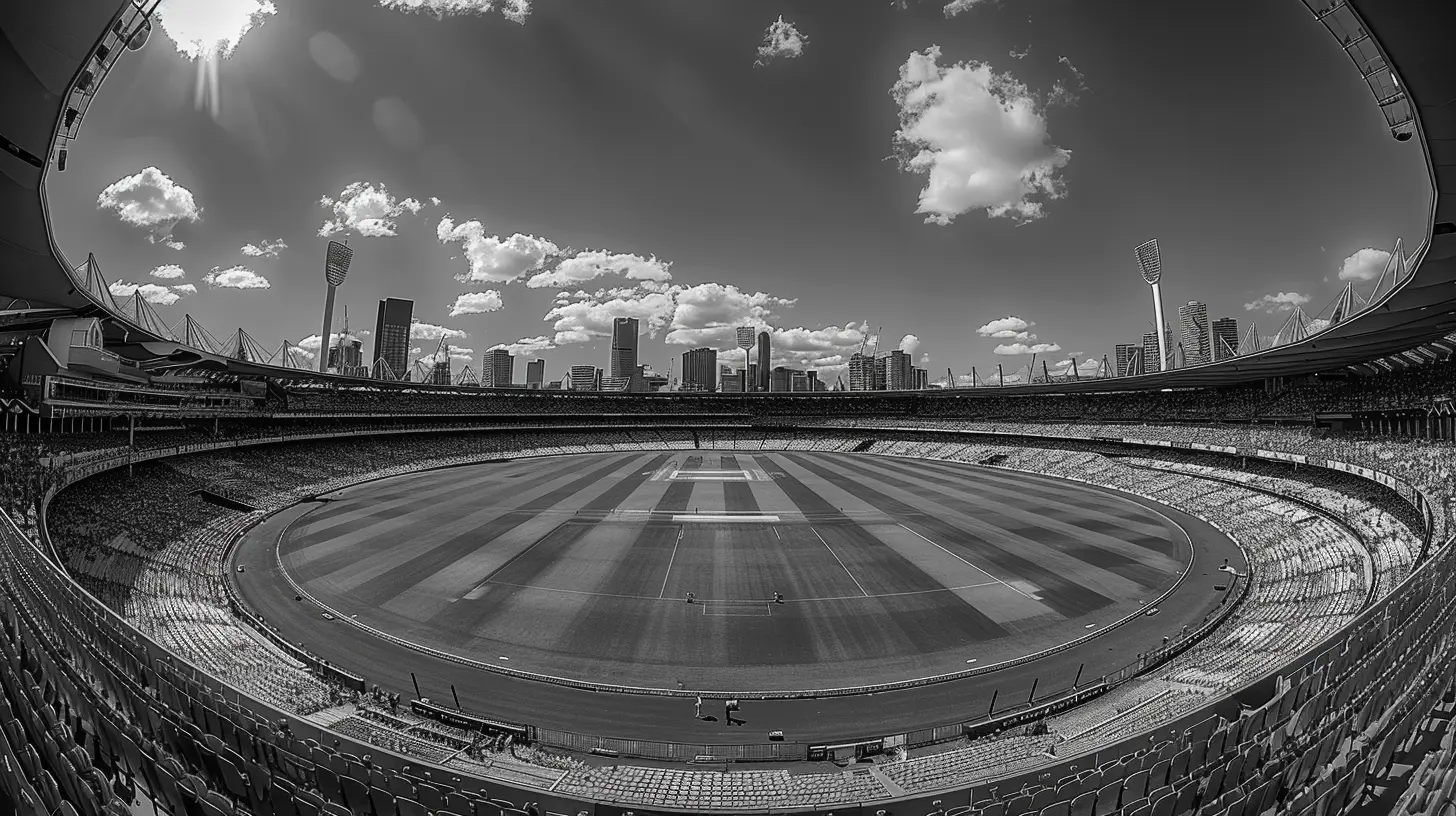
Modern stadiums are increasingly focusing on the fan experience—from better sightlines to high-tech amenities like Wi-Fi, massive video screens, and gourmet food options. While these things won’t necessarily make a stadium legendary, they can help create a more memorable experience for fans.But here’s the catch: fan experience can be a double-edged sword. Some newer stadiums prioritize luxury and comfort to such an extent that they lose the gritty, authentic atmosphere that makes older, more traditional venues so special. A stadium that feels too much like a shopping mall or a corporate event can lack the character needed to become legendary.
Location, Location, Location
Another key factor is the location of the stadium. Some stadiums are legendary simply because of where they are. Imagine watching a game at Wrigley Field in Chicago, surrounded by the charming streets of Wrigleyville, or catching a match at San Siro in Milan, with the beautiful Italian skyline in the background. The surroundings of a stadium can add to its mystique and make the experience more memorable.Accessibility
On the flip side, a stadium that’s difficult to get to or located in an unappealing area can struggle to attract fans. If it’s a hassle to reach the stadium, fans may be less inclined to make the trip, especially if the team isn’t performing well. Over time, this can lead to a decline in attendance, and the stadium’s reputation can suffer.The Impact of Team Performance
No matter how historic, beautiful, or atmospheric a stadium is, it still needs a successful team to truly become legendary. A legendary stadium is often synonymous with a winning team. Take Lambeau Field, home of the Green Bay Packers. The stadium has become legendary not only because of its rich history but also because of the team’s consistent success over the years.The Curse of a Losing Team
On the flip side, a stadium can quickly lose its luster if the team it hosts consistently underperforms. Fans won’t have the same emotional connection to a stadium if the memories they associate with it are of loss after loss.A great example is RFK Stadium in Washington, D.C. It was once home to the Washington Football Team and the D.C. United soccer team. Over time, as both teams struggled, the stadium lost its appeal and eventually became outdated, leading to its decline.
The Role of Media and Pop Culture
Finally, let’s not forget the role of media and pop culture in cementing a stadium's legendary status. Stadiums that are frequently featured in movies, TV shows, or documentaries can gain a level of fame that extends beyond sports fans.Stadiums in the Limelight
For instance, Madison Square Garden in New York is often referred to as "The World's Most Famous Arena." Why? Not just because of the sports played there, but because it has hosted countless concerts, political events, and boxing matches. It’s a venue that transcends sports and has become a part of the broader cultural fabric.Similarly, stadiums that host major events like the Super Bowl, Olympic Games, or World Cup can gain massive exposure, helping them achieve legendary status on the world stage.
Why Others Fade Away
So, why do some stadiums fade away while others become legendary? It’s usually because they lack one or more of the factors we’ve discussed: history, atmosphere, iconic design, a winning team, or cultural significance.A stadium that doesn’t create memorable moments or doesn’t have passionate fans will eventually be forgotten. And sometimes, it’s simply a matter of time passing. Newer, more modern stadiums are built, and older ones are demolished or fall into disrepair. It’s the cycle of life in the world of sports venues.
Conclusion: What Makes a Stadium Legendary?
In the end, a stadium becomes legendary because of a perfect storm of factors: a rich history, passionate fans, unforgettable moments, unique architecture, and a winning team. It’s not something that happens overnight, and it’s certainly not something that can be bought or engineered. It’s a slow, organic process that happens over time.On the other hand, stadiums that lack these essential ingredients are destined to fade away. They might be impressive at first, but without the emotional and cultural connection, they won’t stand the test of time.
So, the next time you walk into a stadium, take a moment to appreciate the atmosphere, the history, and the fans around you. Who knows? You might just be stepping into the next legendary venue.
all images in this post were generated using AI tools
Category:
StadiumsAuthor:

Umberto Flores
Discussion
rate this article
2 comments
Mara Gray
Legendary stadiums create unforgettable experiences that fans carry with them forever.
August 28, 2026 at 12:44 PM
Umberto Flores
Absolutely, the memories made in those legendary stadiums shape our love for the game and keep the spirit alive long after the final whistle.
Aria McTavish
Some stadiums have that magic touch, like a secret sauce. Others? Well, they're just sad, forgotten places where even the pigeons refuse to hang out. Must be the nachos... or lack thereof.
August 28, 2026 at 4:25 AM
Umberto Flores
Great point! It really does come down to that special atmosphere. You can feel the difference, whether it's the energy from the crowd or the smell of good food. nachos definitely play a role!