Why the Catcher’s Role is the Most Underrated in Baseball
30 January 2026
Baseball is a game of strategy, skills, and split-second decisions. While pitchers often steal the spotlight with their blazing fastballs and batters get all the glory for their home runs, there’s one position that doesn’t get nearly enough credit—the catcher. The catcher is the backbone of a team’s defense, the brain behind a pitcher’s success, and the unsung hero who does all the dirty work behind the plate. Yet, their impact often goes unnoticed.
So, why is the catcher’s role the most underrated in baseball? Let’s break it down. 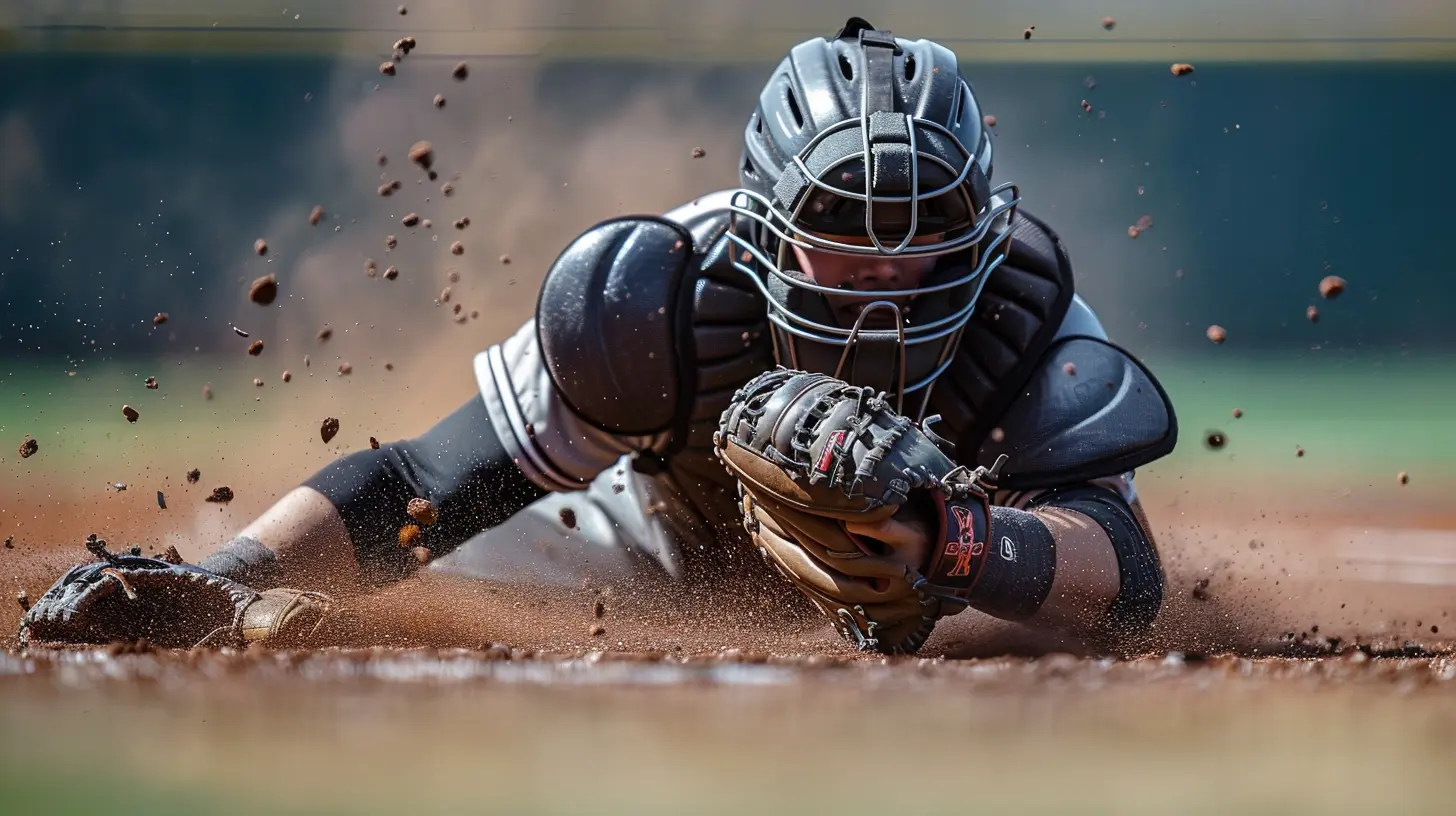
1. The Catcher is the Team’s Field General
You’ve probably heard of quarterbacks being called the "field generals" in football, but in baseball, that title belongs to the catcher. They are the masterminds calling the shots for the defense.Catching isn’t just about squatting behind home plate and receiving pitches. Catchers analyze the batter’s tendencies, call the pitches, control the tempo of the game, and ensure the entire defense is aligned properly. Every decision a catcher makes can change the outcome of a game—yet, they rarely get the credit for it.
Who decided to throw that breaking ball in a 3-2 count? Who caught that tough slider in the dirt to prevent a wild pitch? That’s right—the catcher. 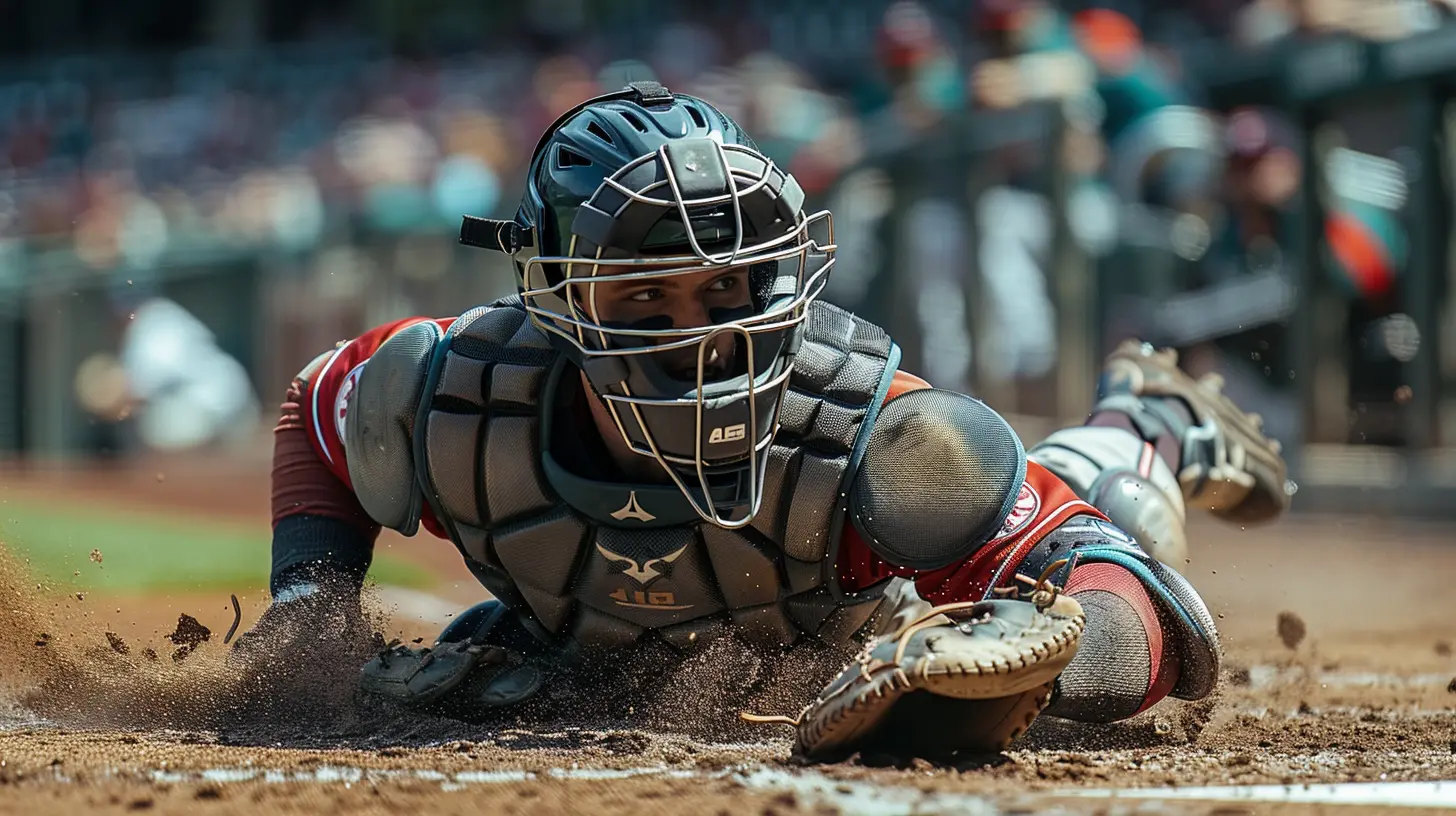
2. The Art of Pitch Framing
Good catchers don’t just receive pitches; they make borderline strikes look like perfect pitches. This skill, called pitch framing, is an art. By subtly moving their glove and positioning their body, catchers can trick umpires into calling a pitch a strike instead of a ball.Think about it—if a catcher can steal just a few extra strike calls per game, they can completely change the outcome of an at-bat. A 3-1 count can turn into a 2-2 count, forcing the batter to be more defensive. That’s game-changing. 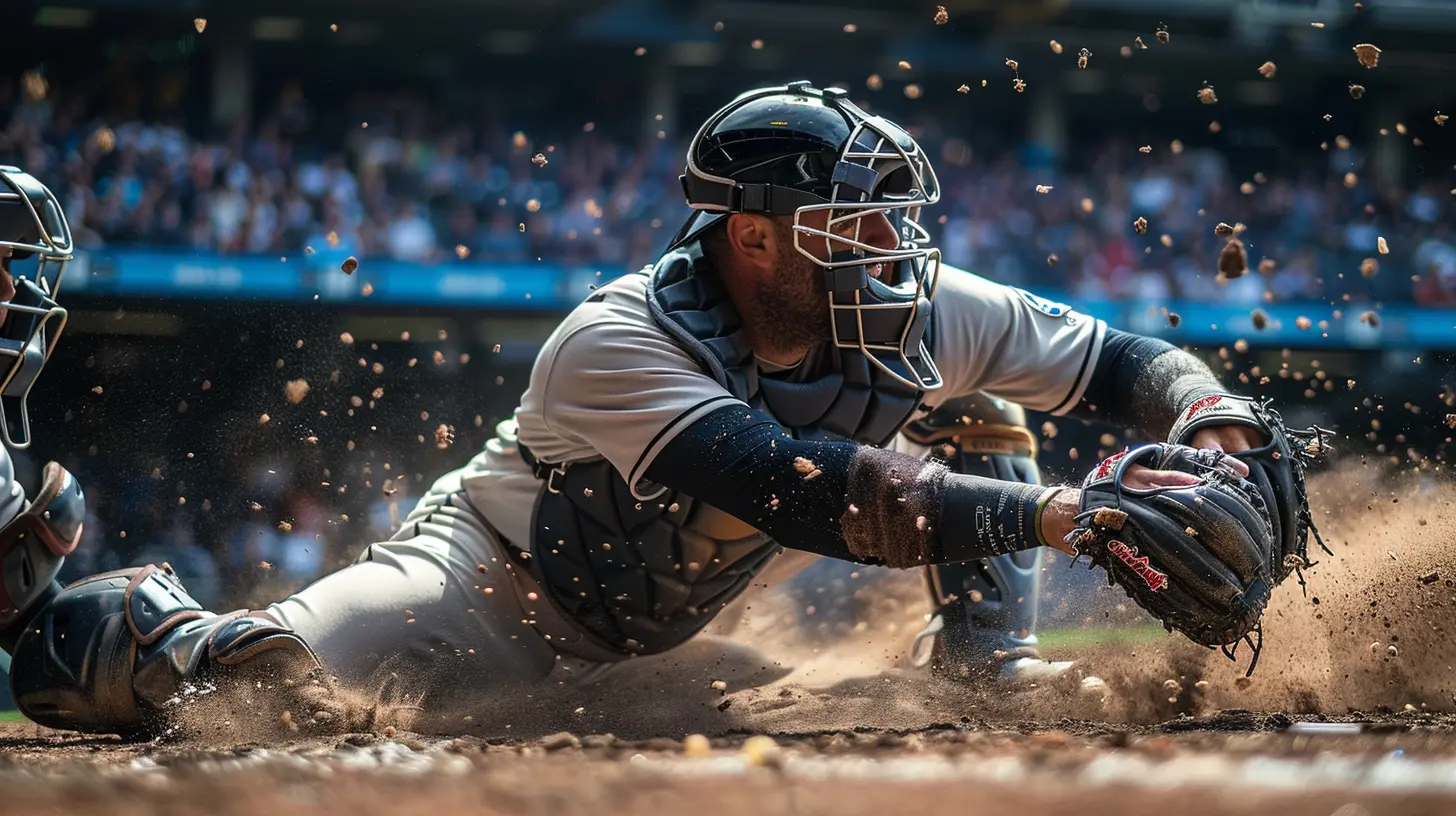
3. Blocking Pitches: The Unsung Defensive Skill
Catching isn’t just about stopping a pitch that lands perfectly in the glove. One of the toughest parts of the job is blocking pitches, especially those nasty sliders and splitters that bounce in the dirt.Imagine a runner on third base with the game on the line. The pitcher throws a breaking ball in the dirt, and if the catcher doesn’t block it, that run scores. This happens countless times in a season, and catchers are expected to instinctively react to keep the ball in front of them, sacrificing their bodies in the process.
Catchers don’t get style points for blocking pitches—it’s just expected of them. But when they fail? That’s when they suddenly get noticed. Talk about a thankless job. 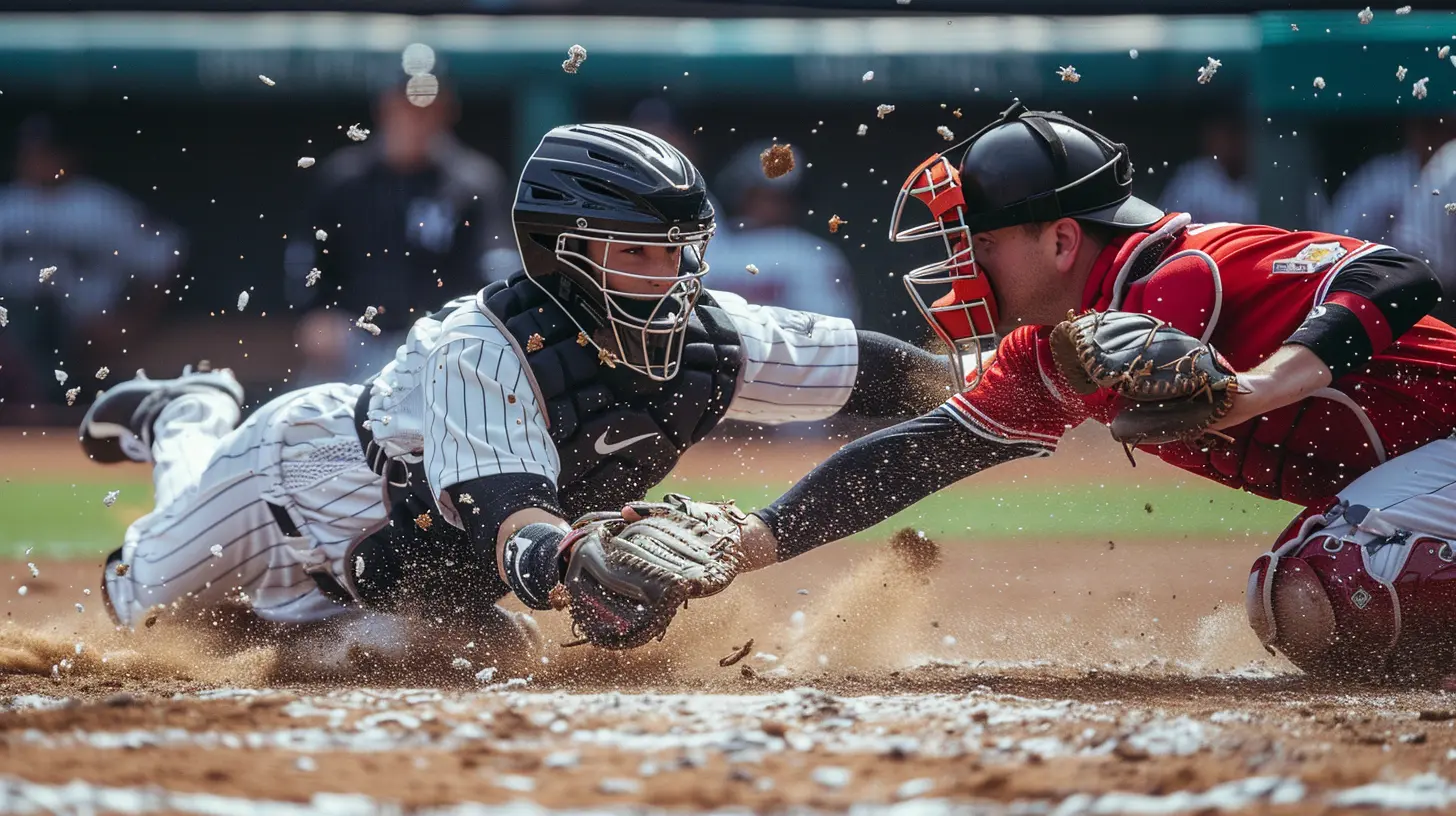
4. Controlling the Opponent’s Running Game
Ever wonder why some base runners hesitate before stealing? It’s because they know they’re dealing with an elite catcher who has a cannon for an arm.A great catcher can completely shut down the running game. From throwing out would-be base stealers to picking off careless runners, catchers play a massive role in preventing free bases.
Think about legends like Yadier Molina and Pudge Rodríguez—runners feared testing their arms. When a catcher guns down a speedster at second, it changes everything. The opposing team suddenly has to rethink their game plan.
Yet, despite all this, stolen bases and caught-stealing stats rarely make headlines.
5. Catchers Take a Beating Every Game
If there’s one position in baseball that takes a constant beating, it’s the catcher. They deal with foul tips to the mask, fastballs to the wrist, and collisions at home plate. Their knees endure endless squatting, and their hands take a pounding with every high-velocity pitch.Unlike other positions, there's no real way to "take it easy" as a catcher. They’re in every single pitch, taking physical punishment all game long. And yet, while pitchers get rest after a start, catchers often play daily, grinding it out behind the plate.
Ever caught a fastball from a pro pitcher? Imagine doing that 150 times a game. That’s what catchers go through—and no one even bats an eye.
6. Developing Pitchers and Building Relationships
Catchers aren't just catching pitches—they're shaping careers. They build relationships with pitchers, learn their strengths and weaknesses, and help them stay focused under pressure.A rookie pitcher struggling with control? The catcher helps calm them down. A veteran ace losing confidence in his fastball? The catcher knows when to call it and when to mix in off-speed pitches.
A great catcher is like a therapist, strategist, and leader all wrapped into one. And yet, when a pitcher throws a shutout, all the praise goes to him, while the catcher’s game-calling skills are often ignored.
7. Mental Toughness: The Catcher’s Edge
Being a catcher is as much a mental battle as it is a physical one. They need to memorize every hitter’s tendencies, know which pitches to call in high-pressure moments, and constantly make split-second decisions.There’s no time to overthink. The catcher has to be in the moment, staying locked in for nine innings, making hundreds of small but critical choices on every pitch. They’re the only player who can see the entire field at all times, constantly reading not just their pitcher, but the opposing hitters and base runners.
Few positions in sports require this level of focus—and yet, how often do we talk about a catcher’s baseball IQ? Almost never.
8. The Catcher’s Role in Team Chemistry and Leadership
Ever notice how the best catchers are often the heart and soul of a team? That’s no coincidence.Catchers are leaders. They pump up their pitchers when they’re struggling, guide infielders on defensive shifts, and keep the energy high during long games. They’re the glue that holds everything together.
Great teams always seem to have a reliable catcher in the mix. They may not be the flashiest players, but their leadership, toughness, and ability to control a game make all the difference.
Yet, when we talk about team captains in baseball, how often do we mention the catcher? Not nearly enough.
9. Catchers Rarely Get the Credit They Deserve
At the end of the day, catchers don’t get MVP awards, huge contracts, or highlight reels on ESPN. They do the little things that help their team win, but those things don’t always show up in the box score.A pitcher’s ERA? Heavily influenced by the catcher.
A batter striking out looking? Might have been a frame job by the catcher.
A close game saved by a big defensive play? Often due to the catcher blocking a wild pitch or throwing out a runner.
But when we talk about baseball’s biggest stars, we usually mention home run hitters and ace pitchers. The men behind the plate? They often go unnoticed.
Final Thoughts
The catcher’s position is the most demanding and mentally taxing role in baseball, yet it remains one of the most underappreciated. They are the backbone of a team’s defense, the unsung strategists, and the toughest players on the field.So next time you watch a game, take a moment to appreciate the catcher behind the plate. Because without them, baseball wouldn’t be the same.
all images in this post were generated using AI tools
Category:
BaseballAuthor:

Umberto Flores
Discussion
rate this article
2 comments
Alexia Gibson
The catcher is the team's backbone, blending strategy and skill. Their influence often goes unnoticed, yet they are crucial to a team's success.
March 4, 2026 at 12:14 PM
Umberto Flores
Thank you! I completely agree; the catcher’s pivotal role often flies under the radar, but their strategic insight and skill are essential to the team's success.
Grayson Warner
The catcher’s role is often overlooked, but their impact on a game is immense. They not only guide pitchers but also play a crucial part in strategy and defense. Recognizing their leadership on the field is essential; without a strong catcher, even the best pitchers can struggle.
February 3, 2026 at 5:21 AM
Umberto Flores
Absolutely! Catchers are the unsung heroes of the game, providing essential leadership and strategic insight that can make or break a team's performance. Their influence extends far beyond mere statistics.