Club Teams and Their Influence on the International Transfer Market
23 June 2026
When you think of thrilling summer sagas in football, what comes to mind? Probably not sunbathing or beach vacations—but heated transfer rumors, eye-popping fees, and last-minute signings. From the glamour of Real Madrid’s Galácticos to Manchester City's constant squad upgrades, club teams have become global powerhouses, reshaping not just their domestic leagues but the entire international transfer market.
So, how did we get here? And why do club teams hold such massive sway over the world of football transfers? Buckle up—this isn’t just about money flying around. It’s about strategy, branding, ambition, and a bit of chaos for good measure.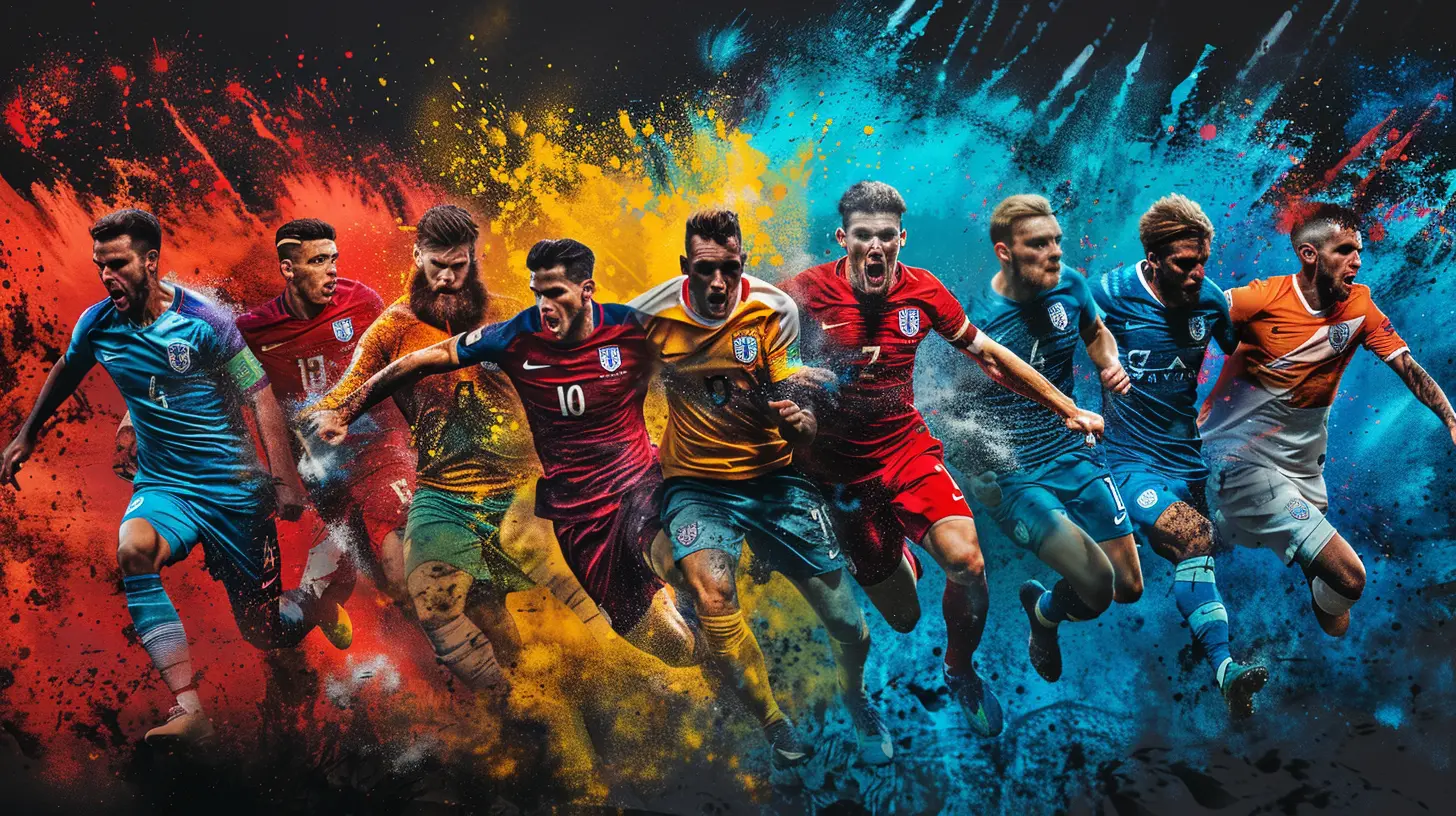
The Evolution of Club Power in the Transfer Market
Let’s rewind for a second. Back in the day, transfers weren’t the billion-dollar industry they are now. Players moved from club to club, often within the same country, and big-money deals were the exception, not the rule.But over the last two decades? Things changed—big time.
Rise of Global Football Brands
Today’s top football clubs aren’t just teams anymore. They’re global commercial giants, selling jerseys in Tokyo, securing sponsorships in New York, and making headlines in Nigeria. Think about Barcelona, Liverpool, Bayern Munich—they're everywhere.With global attention comes global revenue. And with that revenue? The power to command, attract, and control top-tier talent across continents.
Broadcast Rights & Billion-Dollar Deals
The value of TV rights has exploded. Leagues like the English Premier League cash in billions every year, much of which trickles down to clubs. Guess what they spend a good chunk of it on? Transfers.The richer the club, the more aggressive they can be in the international market. This isn’t just about buying though—more money also means developing academies, scouting overseas, and negotiating fees with surgical precision.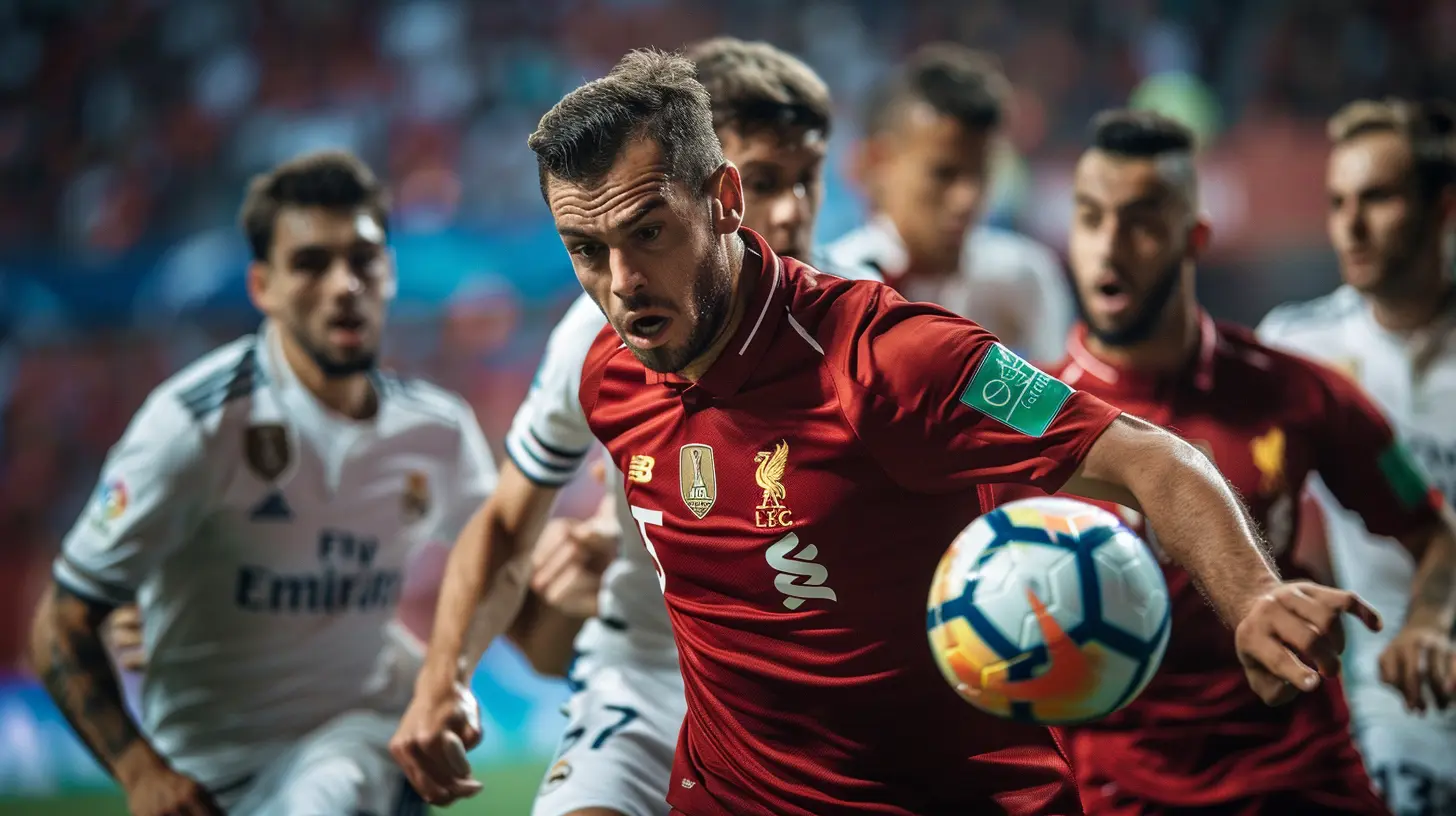
The Transfer Market: A Mad, Strategic Marketplace
Alright, let's get into the nitty-gritty. How exactly do clubs shape the transfer market?Trendsetters and Price Setters
When PSG shattered the world transfer record to sign Neymar for €222 million in 2017, everything changed. Transfers that used to seem outrageous suddenly became a baseline.This is what big clubs do. When a juggernaut like Real Madrid or Chelsea pays €100 million for a player, smaller clubs adjust their own expectations. Suddenly, an average player is worth €30 million. It's a domino effect.
Transfer Scouting and Global Networks
Top teams now scout talent globally—from Brazilian favelas to Norwegian youth teams. They have scouts placed across continents, crunching data and watching endless footage.When these clubs swoop in and sign a gem, they’re not just strengthening the squad—they’re also shifting focus onto that league or region. For example, after Erling Haaland burst onto the scene, Norwegian football suddenly became more visible to major clubs.
Power in Negotiation
When clubs approach smaller teams with deep pockets, they usually have the upper hand. Think of it like a poker game where one side has all the chips. They can offer big transfer fees, loan-back options, or even multi-club partnerships.Smaller clubs often rely on these sales to stay afloat financially. So the power balance is heavily skewed in favor of the mega-clubs.
Club Ownership Structures and Their Influence
Now, this is where it gets even more interesting. Ownership models can massively shape a club’s behavior in the transfer market.State-Owned Clubs
We’ve all seen the headlines. Clubs like Paris Saint-Germain (backed by Qatar) and Manchester City (owned by Abu Dhabi) operate with virtually unlimited financial backing. Their transfer strategies are incredibly ambitious—because they aren’t just playing to win titles. They’re building global empires.This often invites criticism, too—accusations of “sportswashing” and digging debates around Financial Fair Play (FFP).
Fan-Owned Clubs
Then you’ve got clubs with fan-based ownerships, like Bayern Munich. These clubs tend to be more conservative in their transfer dealings. They focus more on long-term sustainability than flashy signings.While they don’t usually dominate the transfer headlines, they bring balance to the market by staying grounded and showing that smart planning still counts.
Influence on Player Valuations
What’s a player worth? Honestly, it depends on who’s asking.Inflation Fueled by Big-Club Bids
When a club like Manchester United shows interest, the price automatically goes up. Sellers know these teams can afford to pay more, and so they hold out for better deals. Sometimes, this strategy works. Other times, it backfires and stalls negotiations.Either way, the mere involvement of a big club can inflate player valuations across the board—even for other clubs in the market.
Position-Based Trends
Club teams also shape which positions are valued most. There was a time when strikers stole all the spotlight—and the cash. But with clubs like Liverpool showing how crucial full-backs are (shout-out to Trent and Robertson), those once-underrated roles now command hefty fees.Youth Development and Talent Poaching
Remember when clubs used to focus on homegrown talent? Well, they still do—but with a twist.Global Youth Academies
Top clubs now set up academies and partnerships in countries far from their home base. FC Barcelona’s La Masia remains iconic, but newer setups like Manchester City’s City Football Group have added layers of complexity to player development.It’s not just about training kids—it's also a smart way to access future stars before their price tags explode.
The Poaching Problem
Let’s be honest here—big clubs often snatch young talent before they even break into their local senior teams. It's like cherry-picking fruit before it's ripe.While that benefits the buying club, it’s a big blow to smaller sides who’ve invested years into developing that player. FIFA has enforced rules around youth transfers, but with mega-clubs owning multiple feeder teams, there are always loopholes.
Club Influence on National Teams
Here’s a cool twist. Club teams also shape the dynamics of national squads. Ever notice how certain national teams start to resemble club lineups?Chemistry and Adaptation
When multiple players from the same club make it into a national team, their familiarity provides an edge—especially in short tournaments like the World Cup. Spain’s dominance from 2008-2012? Largely built around Barcelona’s midfield trio.Injury Management and Conflicts
With club teams investing millions in players, international duty has become a sore spot. Clubs often pressure players to skip call-ups if there’s a risk of injury. There's always that invisible tug-of-war between national pride and club investment.The Double-Edged Sword of Mega Transfers
While multi-million dollar transfers are dazzling, they come with baggage.Inflated Expectations
When a club breaks the bank for a player, expectations skyrocket. A few poor performances? Fans turn. Media criticizes. Pressure builds. Not every player can handle that spotlight.Squad Disruption
Too many incoming stars can upset the balance. Chemistry takes a hit, egos clash, and the manager suddenly becomes more of a babysitter than a tactician.Clubs have started to take this into account, trying to blend marquee signings with homegrown players to maintain harmony.
Multi-Club Ownership and Its Impact
This trend deserves its own spotlight. Some clubs form part of larger groups—like Red Bull's football empire or City Football Group's web of clubs across continents.Streamlining Transfers
Players can move easily within the group, bypassing external negotiations. It’s like having your own internal transfer ecosystem. Efficient? Yes. Fair? Debatable.Cross-Continental Scouting and Development
This allows for global scouting on steroids. They can develop a Brazilian kid in Austria, move him to Spain at 19, then promote him to Manchester City at 23. All in-house. It’s genius—and slightly unnerving.Conclusion: The Power Game Continues
So, where does all of this leave us?The influence of club teams on the international transfer market isn’t just about flashy fees or superstar unveilings. It’s a complex weave of global branding, ownership strategies, youth development, and negotiation power.
Like it or not, club teams now play kingmaker in the global football scene. They set the rules, move the chess pieces, and shift the entire market with a single bidding war. Whether you're a die-hard fan or a casual observer, one thing's clear—we're all just living in their world.
And guess what? The next transfer window? It’s just around the corner. Get the popcorn ready.
all images in this post were generated using AI tools
Category:
Club TeamsAuthor:

Umberto Flores
Discussion
rate this article
1 comments
Kate McClintock
Club teams play a crucial role in shaping the international transfer market dynamics and trends.
June 24, 2026 at 10:39 AM
Umberto Flores
Absolutely, club teams are key players in the transfer market, driving trends and setting prices that affect global player movement. Their strategies and needs directly impact how the market evolves.