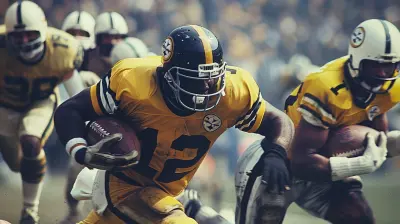
How to Protect Your Joints During High-Impact Sports
9 December 2025
Whether you're sprinting down a basketball court, hitting the pavement for a long-distance run, or diving for that crucial volleyball save, high-impact sports are thrilling. They push your limits, fuel your competitiveness, and drive those feel-good endorphins. But they also come with a hidden cost—your joints.
Joints are the unsung heroes of athletic performance. They’re where bones meet, where movement happens, and, unfortunately, where injuries strike most often. So, how do you keep these precious pivot points safe while still playing hard?
Let’s break down everything you need to know about protecting your joints, so you can stay in the game for the long haul.
Why Joint Protection Matters More Than You Think
Before we dive into the how-to's, let’s talk about the why.Your joints—knees, ankles, shoulders, hips, elbows, wrists—take a pounding during high-impact activities. The repeated stress can lead to inflammation, pain, and even long-term problems like arthritis. And once a joint is injured, it never quite goes back to factory settings.
Think of your joints like the suspension in your car. The rougher the terrain, the more punishment they take. And without proper care? Hello, breakdown.
High-Impact Sports: The Joint Wreckers
First, let’s look at what qualifies as a high-impact sport. These activities involve a lot of forceful contact with the ground or sudden jolts to the body:- Running (especially on hard surfaces)
- Basketball
- Football
- Soccer
- Tennis
- Rugby
- Martial arts
- CrossFit
- Gymnastics
Sound familiar? If you’re into any of these, joint protection should be your new best friend.
1. Warm-Up Like You Mean It
Warming up isn't just a checkbox before training; it's your first line of defense.Dynamic warm-ups > Static stretches
Instead of holding a stretch for 30 seconds, warm up dynamically. That means movements like:- Leg swings
- Arm circles
- High knees
- Butt kicks
- Jumping jacks
These get your blood flowing, increase joint lubrication, and prepare muscles and ligaments for the game ahead.
Skipping your warm-up is like jumping into a pool without checking the water first. Bad idea.
2. Strengthen the Muscles Around Your Joints
Here’s the deal: Strong muscles = stable joints.Focus on supporting muscles
Your joints rely on the surrounding muscle groups to keep them aligned and absorb impact. For example:- Knees: Strengthen quads, hamstrings, glutes, and calves.
- Shoulders: Work on deltoids, rotator cuffs, chest, and upper back.
- Ankles: Build up your calves, shins, and foot muscles.
Through resistance training, bodyweight exercises, and even resistance bands, you’re not just getting stronger—you’re creating a safety net for your joints.
Ever heard of prehab? It’s like rehab, but before the injury. Be smart. Build strength now.
3. Never Skip Recovery Days
You might think pushing every day makes you tougher. But it’s during rest—not while training—that your body repairs itself.Give your joints breathing room
High-impact sports don't just stress your cardio system—they hammer your joints. Recovery days allow inflammation to subside and tissue repair to kick in. If you're constantly sore, stiff, or clicking and popping, your joints are begging for a break.Hydration, foam rolling, sleep, and proper nutrition go hand-in-hand with recovery. Treat rest like another form of training.
4. Use Joint-Friendly Surfaces Whenever Possible
Hard surfaces like concrete or asphalt offer zero forgiveness. It’s like jumping on a steel floor—ouch.Be surface-smart
Try to train or play on:- Grass or turf for field sports
- Rubberized tracks for running
- Wooden or sprung floors for basketball or volleyball
- Mats for martial arts and gymnastics
Even moving a workout indoors when the ground is frozen or uneven can save your knees from unknown twists and trauma.
Your joints will thank you for every step you don’t take on concrete.
5. Proper Technique is Non-Negotiable
You could have the best gear, the strongest muscles, and a bulletproof warm-up, but if your form is trash, injuries are inevitable.Bad form = joint strain
Whether it’s your posture during a deadlift or your landing technique after a jump, small mistakes get magnified in high-impact environments.Take the time to:
- Hire a coach or trainer when learning new movements
- Use mirrors or video to analyze form
- Study biomechanics for your sport
- Practice, practice, practice
Think of it like driving a high-speed car. If your alignment’s off by just a bit, you’re looking at a crash.
6. Wear the Right Gear
No one bats an eye at helmets or shin guards, so why not support your joints too?Invest in joint-supportive gear
- Knee braces or sleeves for added compression and stability- Ankle supports for lateral sports like basketball or tennis
- Wrist wraps for weightlifting or gymnastics
- Proper footwear that offers cushioning, arch support, and shock absorption
Think of gear as insurance. You hope you never need it—but when things get rough, you’ll be glad you had it.
7. Cross-Train to Balance Out Stress
High-impact sports tend to hammer the same joints over and over again. Running, for example, hits your knees and ankles relentlessly.Enter cross-training
Switch it up with:- Swimming
- Cycling
- Rowing
- Yoga or Pilates
- Strength training
This doesn’t mean ditch your sport—just give overworked joints a break by moving differently.
It's like rotating tires on a car. If one area is taking all the heat, you're heading for a blowout.
8. Listen to Your Body (Seriously, Don’t Ignore Pain)
Pain isn’t weakness—it’s a warning.Know the difference between soreness and injury
- Soreness is muscle stiffness after effort, usually fades in a day or two.- Joint pain feels sharp, swollen, or comes with instability. That’s not normal.
If you hear clicking, grinding, or feel chronic discomfort, don’t tough it out. See a sports medicine specialist or physical therapist. Early intervention is key.
Think of it as pulling over when the check engine light comes on. Better than a full-blown breakdown on the highway.
9. Stretch and Stay Flexible
Tight muscles pull on joints and throw off alignment. That’s a recipe for tears, sprains, and all kinds of nastiness.Add mobility work
Stretch daily, especially after intense sessions. Focus on:- Hips
- Hamstrings
- Calves
- Shoulders
- Lower back
Even 10–15 minutes a day helps keep things loose and lubricated.
Flexibility isn’t just for gymnasts. It’s like oil for your engine—essential for smooth movement.
10. Fuel for Function
Your diet plays a bigger role in joint health than you think.Eat for anti-inflammation
Load up on:- Omega-3s (salmon, flaxseed, chia)
- Antioxidants (berries, green veggies)
- Collagen or bone broth
- Vitamin D & Calcium (fortified foods, leafy greens, dairy or alternatives)
And don’t forget to stay hydrated—joints have cartilage that needs water to stay cushioned and spongy.
If you eat like junk, your joints will feel it. Treat your body like a machine that needs premium fuel.
Final Thoughts
High-impact sports are demanding. But with the right care, you can keep crushing it without sacrificing your joints.It’s really a mix of smart training, solid recovery, good gear, and listening to your body. That combo builds longevity. And let’s be real—what’s the point of athletic greatness if you're constantly benched by injuries?
Take care of your joints now, and they’ll be there for you when you’re 40, 50, or even 60—still ballin’, sprintin’, or rollin’ jiu-jitsu with the young bucks.
Now go out there and play hard—but play smart.
all images in this post were generated using AI tools
Category:
Injury PreventionAuthor:

Umberto Flores
Discussion
rate this article
2 comments
Astra McDonough
Great insights! Essential tips for maintaining joint health in sports.
January 9, 2026 at 11:29 AM
Umberto Flores
Thank you! I'm glad you found the tips helpful for joint health in sports.
Asher McLaughlin
Prioritize proper warm-ups, choose supportive footwear, and incorporate strength training to safeguard your joints effectively.
December 9, 2025 at 12:17 PM
Umberto Flores
Absolutely! Proper warm-ups, supportive footwear, and strength training are key components to ensuring joint protection during high-impact sports. Thank you for highlighting their importance!