Foul Play: How Cheating Shook the Foundations of Major Sports
20 June 2026
Cheating in sports is like finding out Santa Claus isn’t real—utterly heartbreaking and ridiculously frustrating. We invest our emotions, time, and sometimes our hard-earned money into rooting for our favorite teams, only to discover that some sneaky individuals decided to play dirty. Whether it's doping scandals, match-fixing, or high-tech espionage, cheating has rocked the very core of the sports world.
But let’s be real—cheating isn’t new. It has been around since the ancient Olympics, where athletes bribed officials and used questionable techniques to secure victories. Fast forward to today, and we have multi-million-dollar scandals, high-tech cheating methods, and massive reputational damage to some of sports' biggest names. Let’s take a deep dive into how foul play has shaken the foundations of major sports.

1. Doping: The Not-So-Secret Shortcut to Glory
If sports had a villain's hall of fame, doping would be sitting comfortably in the front row. Athletes have long been tempted to use performance-enhancing drugs (PEDs) to gain a competitive edge, but when they get caught, it’s nothing short of a disaster.The Lance Armstrong Scandal
Lance Armstrong wasn’t just a cyclist—he was a superhero in spandex for a generation. Seven Tour de France titles, a cancer survivor, and an inspiration to millions. But then, reality hit harder than a crash at high speed. He was stripped of all his titles after it was revealed that he had been running one of the most sophisticated doping programs in sports history.Armstrong initially denied everything (cue the shocked face), but when the evidence piled up, he finally came clean in an interview with Oprah Winfrey in 2013. His confession sent the cycling world into a frenzy and left fans questioning whether they could ever trust an athlete again.
The Russian Doping Scandal
If there were an Olympic event for elaborate cheating, Russia would take the gold. The Russian doping scandal, uncovered in 2015, exposed a state-sponsored doping program that involved tampered drug tests and hidden samples. The scheme was so sophisticated that the World Anti-Doping Agency (WADA) banned Russia from major international competitions for four years.This scandal wasn't just about individual athletes doping—it was an entire nation bending the rules to win. It shook the Olympics and placed immense pressure on international sporting organizations to tighten anti-doping regulations.
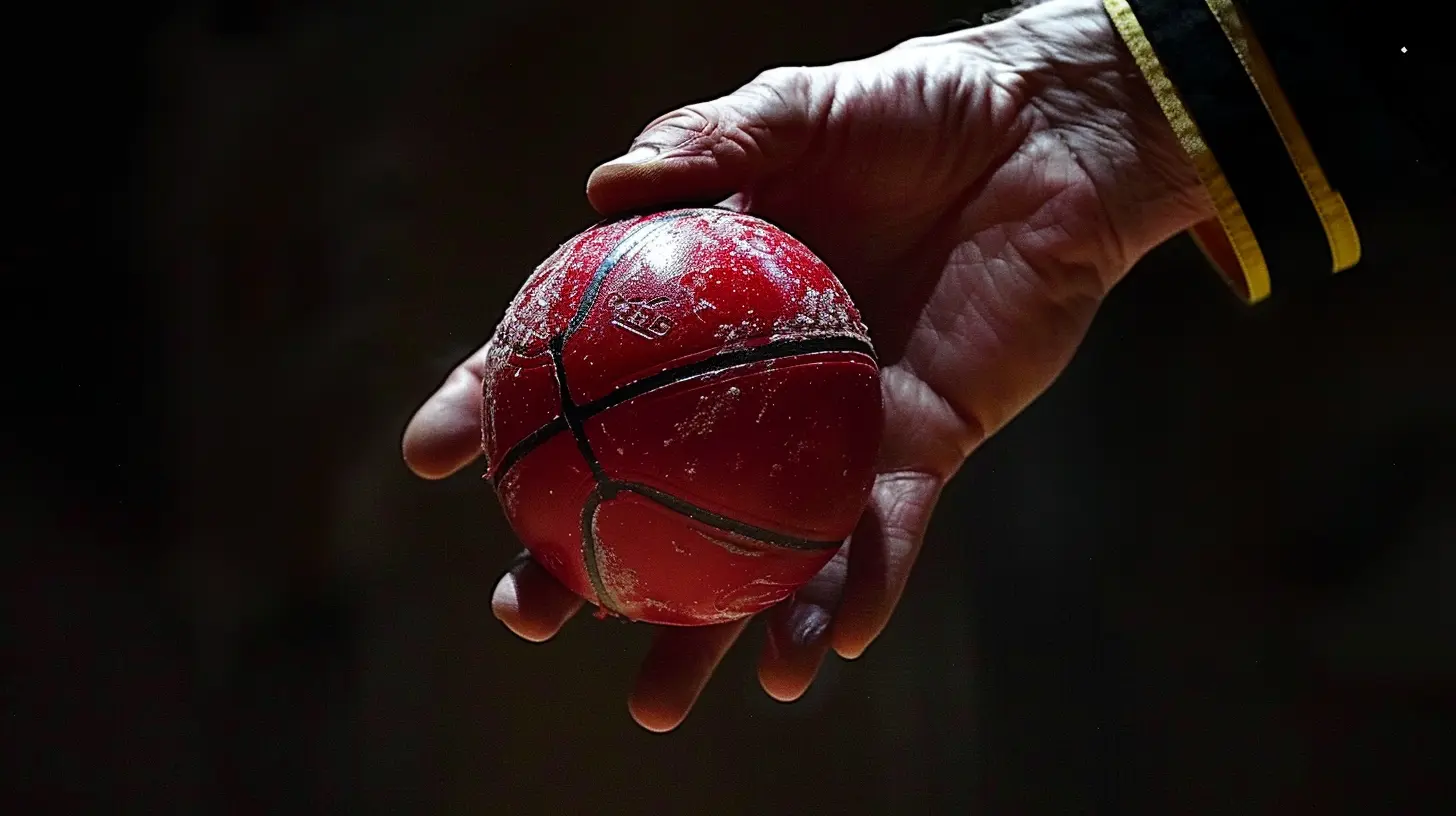
2. Match-Fixing: When The Game Is Rigged From The Start
Imagine watching a thriller of a game, only to find out later that the outcome was pre-determined. It’s like watching a movie where you already know the ending—what’s the point? Match-fixing has plagued sports for decades, and the ramifications are massive.The 1919 Black Sox Scandal
Baseball isn’t just hot dogs and home runs; it also has its fair share of dirty dealings. The 1919 World Series scandal, aka the Black Sox Scandal, saw eight Chicago White Sox players accused of taking bribes to intentionally throw the championship series against the Cincinnati Reds.Though they were acquitted in court, they were banned from professional baseball for life. To this day, the scandal remains one of the darkest moments in Major League Baseball history.
The Italian Calciopoli Scandal
If you thought match-fixing was only a thing of the past, think again. In 2006, Italian football (soccer) was rocked by the Calciopoli scandal, which implicated top clubs like Juventus, AC Milan, and Fiorentina in a scheme where referees were assigned to favor certain teams.Juventus, the biggest name involved, was stripped of two Serie A titles and relegated to the second division. It was a massive scandal that exposed the deep-rooted corruption in European football.

3. High-Tech Cheating: The New Age of Sports Scandals
Cheating has evolved since the days of simple bribes and doping. Technology has now become a tool for manipulating results, and some have taken it to the next level.The Houston Astros Sign-Stealing Scandal
Baseball purists will tell you that stealing signs (figuring out what pitch is coming) is an art. But the Houston Astros took it from street magic to full-blown Vegas-style deception.In 2017, the Astros used video cameras to decode opposing teams' signs in real time. They then relayed the information to their hitters by banging on a trash can (yes, seriously). The result? A World Series title that now carries a giant asterisk in fans’ minds.
When the cheating was exposed in 2019, it sparked outrage in the baseball community. While some players received immunity for cooperating with investigators, the fallout was immense—coaches were fired, fines were issued, and fans were furious.
Formula 1's "Crashgate" Scandal
In 2008, the Singapore Grand Prix became the backdrop for one of racing’s most controversial moments. Renault F1 driver Nelson Piquet Jr. was ordered to intentionally crash to manipulate the race’s outcome, giving his teammate Fernando Alonso a strategic advantage.Once the scandal broke in 2009, Renault’s team bosses were hit hard—suspensions, resignations, and a tarnished reputation. The incident proved that even in sports fueled by precision and skill, underhanded tactics could still make an impact.
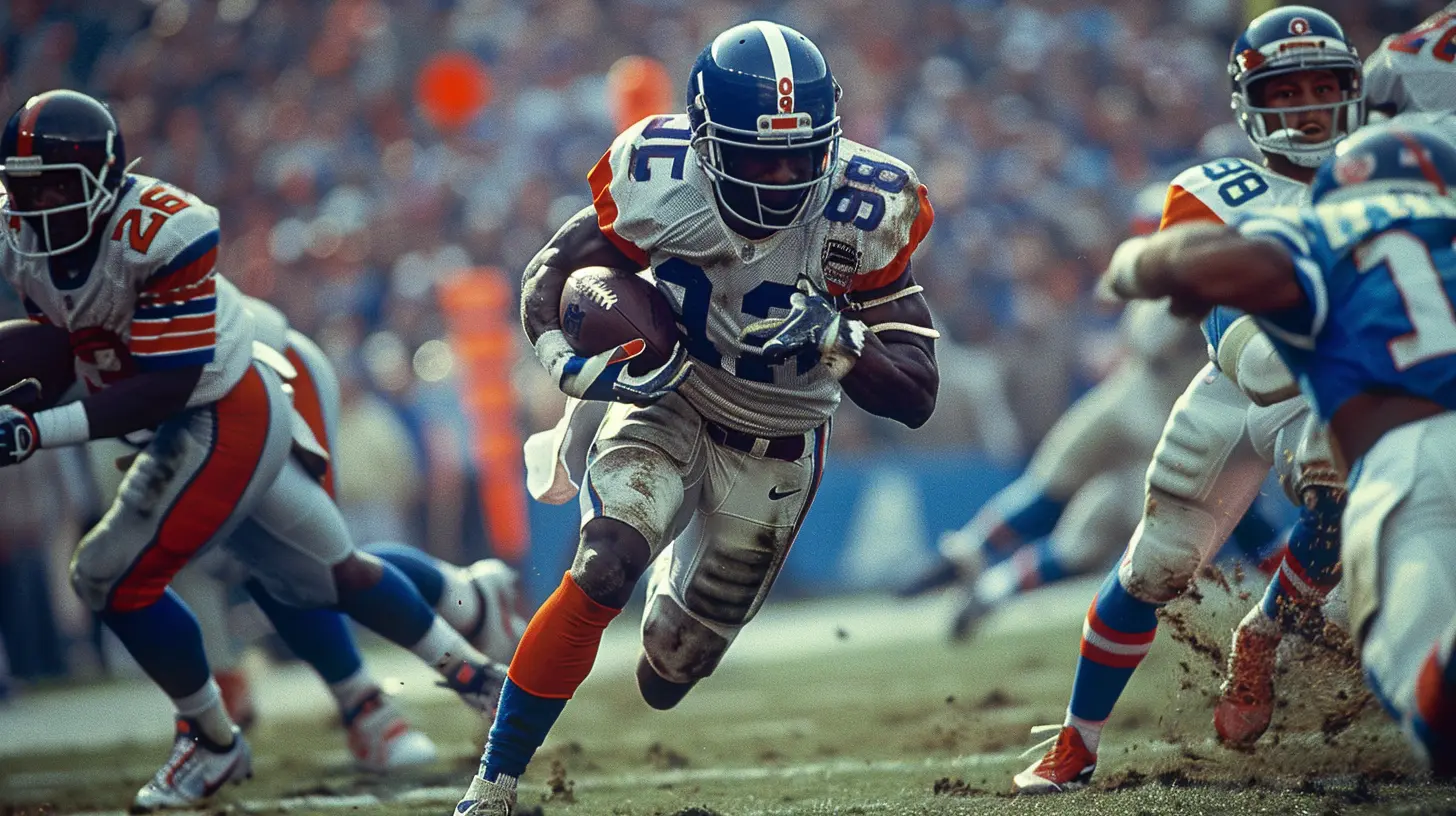
4. Age Fraud: When "Too Young to Compete" Isn't a Problem
Age fraud is another sneaky way athletes and organizations bend the rules. Typically, this involves younger athletes lying about their age to compete in categories where they're at an advantage.The Chinese Gymnastics Scandal
In 2008, the Chinese women’s gymnastics team faced scrutiny when reports suggested that some of their athletes were underage. Olympic gymnasts must be at least 16 years old to compete, but rumors swirled that China had fielded athletes as young as 14.Though the official investigation cleared them, the doubts never really disappeared. The scandal raised serious questions about how strict age regulations are enforced in elite competitions.
5. The Moral Dilemma: Can We Ever Trust Sports Again?
Every time a cheating scandal breaks, it chips away at the integrity of sports. Fans feel betrayed, athletes who play fair feel cheated, and governing bodies scramble to restore order. But despite decades of controversy, cheating never seems to go away.So, what can be done? Stronger enforcement, harsher penalties, and more advanced technology for detecting foul play are all steps in the right direction. But at the end of the day, it all comes down to one thing—ethics. The will to win should never come at the expense of fair play.
Sports are meant to be unpredictable, thrilling, and genuine. The moment we stop believing in their authenticity is the moment they lose their magic. Let’s hope future generations learn from these historical blunders and keep the spirit of competition pure.
all images in this post were generated using AI tools
Category:
Sports ScandalsAuthor:

Umberto Flores
Discussion
rate this article
1 comments
Kade Hensley
The article highlights a critical issue that undermines the integrity of sports. Cheating not only affects the outcome of games but also erodes trust among fans and players alike. A culture of accountability and transparency is essential to restore faith in our beloved sports.
June 21, 2026 at 12:55 PM
Umberto Flores
I appreciate your thoughts. Cheating truly undermines the essence of sports. Restoring trust will take commitment from everyone involved.