From the Sidelines: How Referees Build Relationships with Players and Coaches
1 September 2026
Let’s be honest—when we think about sports, our minds instantly go to the players making jaw-dropping plays or the coaches barking out strategies from the sidelines. But there’s a whole other unsung hero on the field: the referee. Yup, the person in stripes who usually gets all the boos and finger-pointing.
But here's the twist—referees are more than just rule enforcers. They're relationship builders. And believe it or not, those zebra-clad folks are working just as hard off the ball as they are calling penalties. So how do referees navigate the complex dynamics between egos, emotions, and elite-level competition?
Pull up a chair, my friend. Let’s talk about how referees build relationships with players and coaches—from the sidelines.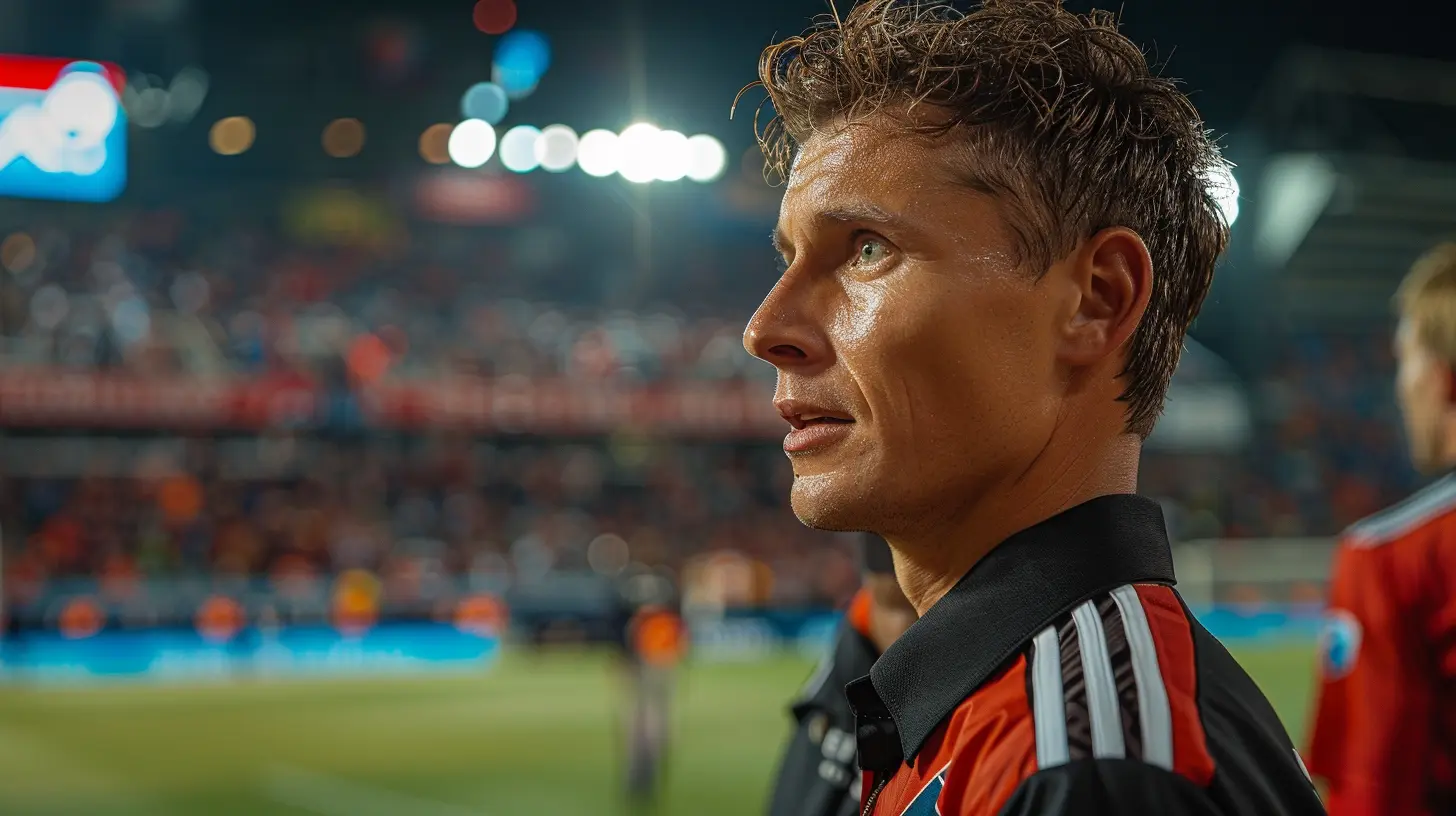
The Role of a Referee Goes Beyond the Whistle
So, what exactly does a referee do besides blowing the whistle and waving flags? Sure, rules are their game, but the best referees do more than just enforce—they manage. They de-escalate tension, earn trust, and maintain the rhythm of the game.Think of a referee like a conductor in an orchestra. They don’t make the music, but try having a symphony without one and see how chaotic it gets. Maintaining relationships is a core part of that harmony.
Why Relationships Matter in Sports Officiating
You might be wondering—why would a referee even need a relationship with a coach or player? Shouldn’t they just be neutral and call it down the middle? Absolutely! Neutrality is key. But neutrality doesn’t mean being a robot.Referees who build rapport with athletes and coaches get something priceless: respect. And respect leads to fewer arguments, better communication, and a smoother game overall. Sounds like a win-win, right?
Trust: The Currency of the Game
Let’s start with the big one—trust. Without it, a referee walks into a game already on the defensive. With it, they can influence the game in a positive way, keep tempers in check, and even prevent chaos before it unfolds.Earning Trust Isn’t About Being "Nice"
This isn’t about being everyone’s friend. It’s about consistency. When players know what to expect from an official—how they call the game, what their demeanor’s like—it creates a stable environment. And in sports, where emotions run hot, stability is gold.Communication is Everything
Good referees talk—A LOT. Not just to blow the whistle or signal a foul, but to explain calls, calm frustrations, and sometimes share a little humor to lighten the mood. Ever see a ref crack a joke with a player in the middle of an intense match? That’s rapport in action.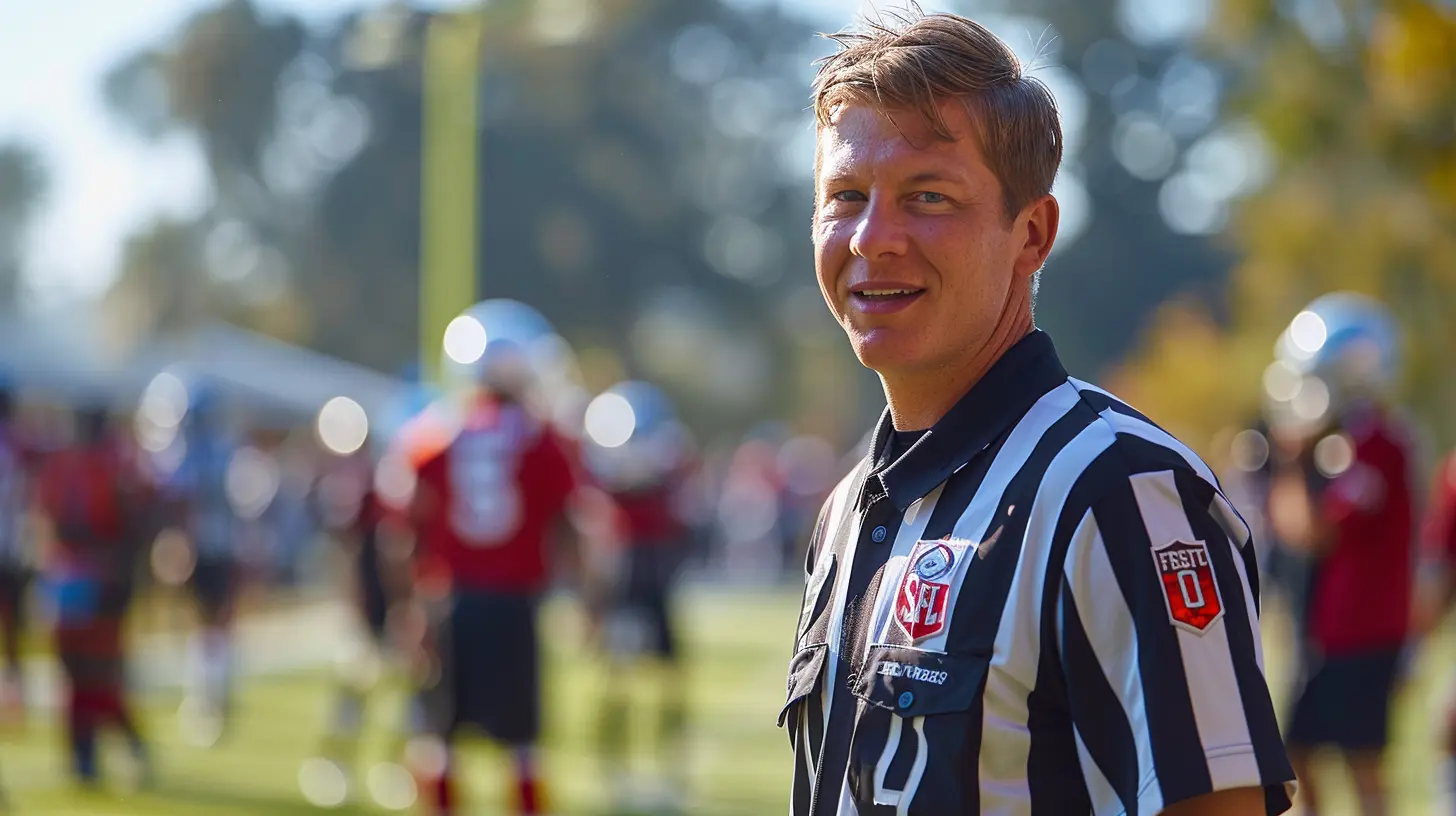
Pre-Game Warm-Ups: Not Just for Players
Most fans don’t see this part, but relationships often start before the opening whistle. During warm-ups, referees might engage in casual conversations with coaches or players."Hey coach, how’s the team holding up?"
"Stay safe tonight, guys."
"Let’s keep it clean and have fun."
These little moments aren’t small talk—they’re building blocks. It shows approachability and sets the tone early.
Reading the Room (Or the Field)
Every game has its own vibe. Some are high-stakes rivalries where tempers can flare. Others might be laid-back friendlies. Great referees know how to read the atmosphere and adjust their interactions accordingly.In a heated rivalry? Be firm, but open to quick communication.
Got a frustrated star player? A quiet word can cool things down.
Coach losing his mind on the sideline? Let him vent (within reason), then calmly re-establish boundaries.
It’s not unlike being a teacher in a rowdy classroom—you don’t yell every time someone talks; you choose your moments.
The Power of Body Language
Ever notice how a referee stands when addressing a player? Or how they make eye contact after a call? Body language says it all.- Open stance: “I’m listening.”
- Hands behind the back: “I’m not a threat, but I’m in control.”
- Walking away slowly: “Conversation over, move on.”
Players and coaches pick up on these cues. In high-pressure situations, body language can speak louder than a whistle.
Building Long-Term Respect
In professional leagues, referees often see the same teams multiple times a season. That’s where long-term relationships come into play.Coaches and players remember which refs are fair, which ones listen, and which ones can admit when they might’ve missed something.
And believe it or not, players do appreciate honesty. A simple “I may have missed that one, let me keep an eye on it” can go a long way in building credibility.
Managing Egos Without Fueling the Fire
Let’s face it—athletes and coaches have big personalities. (It’s part of what makes sports awesome.) But big egos can also lead to big conflicts.Referees walk a tightrope here. They have to assert authority without provoking. They need to listen without losing control. Think of it like being at the center of a storm—calm, steady, and unfazed.
Don’t Take It Personal
Seasoned refs will tell you: never take what a player shouts personally. Emotions run high. It’s not about you; it’s about the moment. Keeping that distance helps referees respond with professionalism instead of ego.Handling Controversial Calls
Ah yes, the dreaded controversial call. No matter how experienced a referee is, they’re bound to face moments where half the field disagrees with them.This is a major test of relationship-building skills.
What Works?
- Explain the decision when appropriate- Stay composed under pressure
- Let the coach or player feel heard (without reversing the call)
Even when you’re “the bad guy,” how you carry yourself can deepen respect. Players don’t expect perfection, but they do respect transparency and accountability.
The Role of Empathy in Officiating
One often overlooked trait in great referees? Empathy. That doesn’t mean going soft. It means understanding the context.A player just got subbed off after a bad foul? They're heated—give them space.
A coach is arguing but just lost a key player to injury? Maybe ease up on the stern tone and listen for a moment.
Empathy isn’t weakness—it’s awareness. And it’s a powerful tool for referees trying to control the emotional temperature of a game.
Off-Field Interactions Matter Too
Sometimes the best bridges are built outside of competition. Training camps, official meetings, charity events—even emails and phone calls post-game—can help establish long-term relationships built on mutual respect.When coaches and players see referees as professionals working hard at their craft (just like them), it humanizes the official. And that emotional connection? That’s what keeps tempers from boiling over during those heated playoff games.
Younger Referees: Learning Relationship Tricks Early
Let’s not forget the next generation of referees. For them, learning to build relationships is just as critical as knowing the rules. Mentorship, shadowing experienced refs, and receiving communication training are all key to developing those soft skills.And let’s be honest—young referees have a tougher time earning respect. So training them to communicate effectively helps level the playing field.
When Relationships Go South
It happens. Maybe a ref and a coach just don’t jive. Maybe a player feels wronged from a previous game. Relationships aren’t always sunshine and rainbows.The important part? Remaining impartial and professional. Even if a previous game got heated, a good ref starts each match with a clean slate. And sometimes, repairing a damaged relationship begins with a handshake and a quick, honest conversation.
In the End, It’s All About Respect
So where does all this lead? One word: respect.Respect doesn’t require friendship. It doesn’t mean players agree with every call. But it does mean they understand the referee is doing their job with integrity, empathy, and fairness.
And if that mutual respect exists? Games flow better. Players feel heard. Coaches stay engaged. And referees get the space to do their job—all while maintaining order on the field.
Final Thoughts
So the next time you see a referee chatting with a player or having a calm conversation with a fuming coach, remember—it’s not just small talk. It’s a strategy. A subtle, artful dance that helps keep the game beautiful.From the sidelines, referees aren’t just officials—they’re diplomats, therapists, coaches, and crisis managers. And every handshake, every conversation, and every confident nod is part of building a game that’s not just fair, but also respectful and human.
Because at the end of the day, those stripes aren’t just for show—they’re a symbol of control, yes, but also of connection.
all images in this post were generated using AI tools
Category:
RefereeingAuthor:

Umberto Flores
Discussion
rate this article
2 comments
George McGuffin
Referees: the unsung heroes of friendly whistles and handshakes!
September 11, 2026 at 4:11 AM
Umberto Flores
Absolutely! Referees play a crucial role in fostering respect and camaraderie in sports. Their impact goes beyond the game.
Luella Mahoney
This article sheds light on the often overlooked role referees play in sports. Building trust with players and coaches can enhance the game, fostering respect and improving the overall atmosphere on the field.
September 1, 2026 at 10:32 AM