How a Star Trade in 2026 Could Shift MVP Odds
21 September 2026
The NBA MVP race rarely turns on a single event. It is a season-long accumulation of production, availability, team success, and narrative. But every few years, one transaction lands in the middle of the calendar and rearranges the entire board. A star trade in 2026 has the potential to do exactly that, and not in the simple way most fans assume.
The common assumption is that a traded superstar either boosts his MVP case by joining a contender or damages it by landing in a worse situation. That framing is too narrow. A trade changes the odds of at least six or seven players: the star himself, the co-star he leaves behind, the co-star he joins, the young player who suddenly gets more touches, the role players whose efficiency rises or falls, and the rival stars whose competition for the award just got easier or harder.
Understanding how those ripple effects work is the difference between reacting to the news and positioning ahead of it.
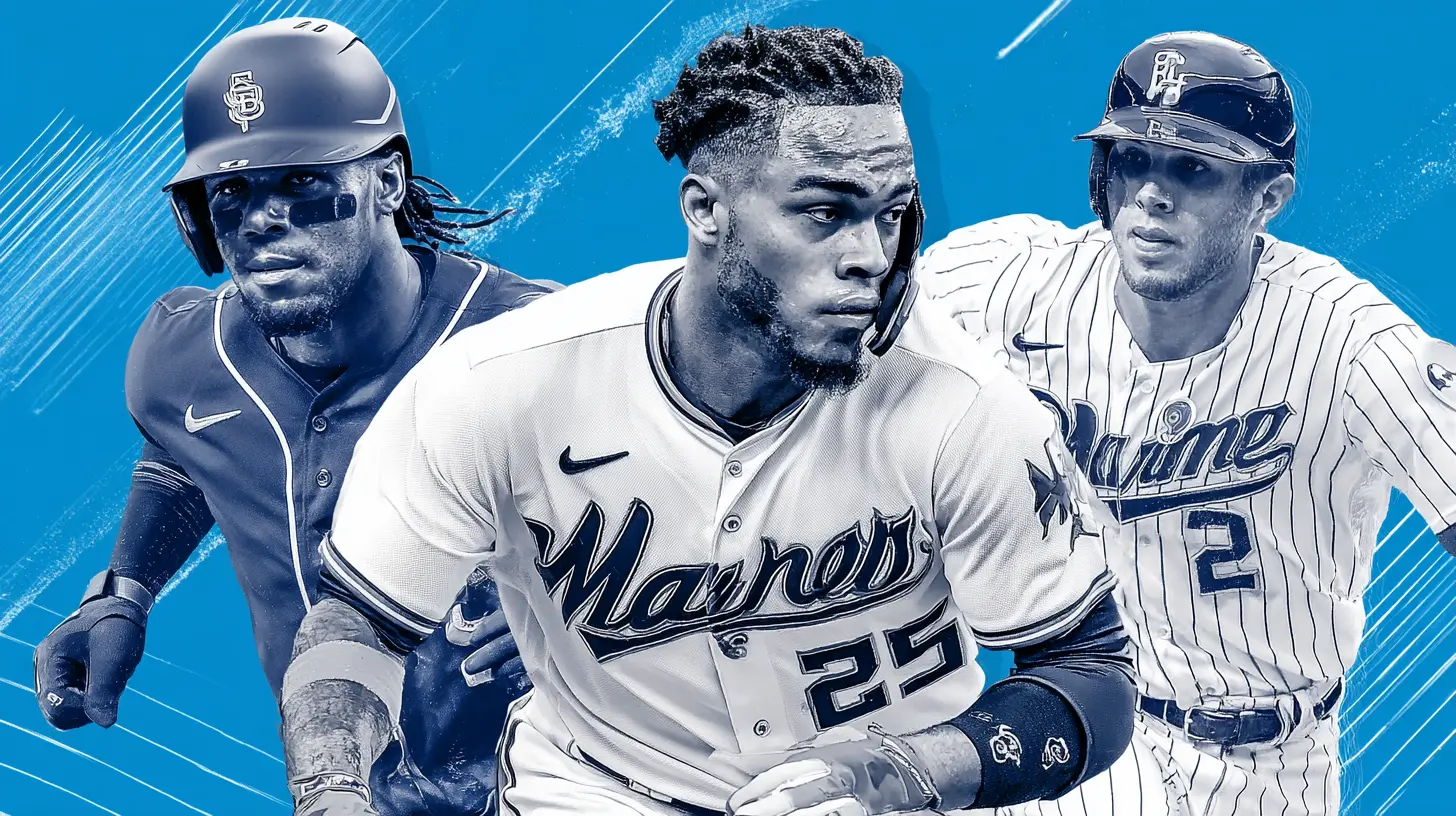
Why MVP Voting Responds to Trades So Violently
MVP voting is not a pure measurement of individual quality. It is a measurement of individual quality filtered through team context, and team context can change overnight.Voters weigh several inputs, usually in roughly this order of importance:
- Team record, especially seed in a deep conference
- Individual statistical production, particularly scoring and efficiency
- Availability, since missed games have become a stronger disqualifier in recent seasons
- Narrative, meaning the story of the season and whether a candidate has a clear case
- Two-way impact, which has grown more important as analytics have matured
A trade touches at least three of those five inputs immediately. It changes the team's win projection, it changes the player's usage and efficiency, and it rewrites the narrative. Only availability stays roughly constant, and even that can shift if a player moves from a cautious medical staff to an aggressive one, or from a team with nothing to play for to a team fighting for seeding.
This is why trade deadline odds movement is often larger than the actual talent change involved. Markets are not just repricing the player. They are repricing the context around him.

The Three Categories of Trade Impact
Not every star trade moves MVP odds the same way. It helps to sort them into three buckets.The Contender Consolidation
A team that is already good trades for a star to push itself over the top. Think of a 50-win team adding a top-15 player. In this scenario, the incoming star usually sees his MVP odds shorten, but not as much as fans expect, because he now shares the ball with another high-usage player. His raw counting stats may dip slightly while his efficiency and win total rise. Voters tend to reward the efficiency and wins, but only if his scoring volume does not fall too far.The outgoing team's remaining star is the more interesting case. If he stays, his usage spikes, his stats balloon, and his team gets worse. That combination historically produces a statistical monster on a mediocre team, which is usually an MVP losing profile. The exception is when the team outperforms expectations and the remaining star becomes the clear engine of a surprising playoff team.
The Reset Trade
A rebuilding team sends its veteran star to a contender for picks and young players. The star usually benefits in the short term because he lands on a better team. The young players who stay behind often see the biggest relative jump in opportunity, but they rarely enter the MVP conversation in the same season. Their odds move from long shot to slightly less long shot, which matters for bettors but not for the award itself.The Star Swap
Two stars change places. This is the most chaotic scenario for odds because it creates four moving parts at once. Each star inherits the other's supporting cast, each fanbase resets its expectations, and the two teams' win projections cross in ways that are hard to model before the season plays out.Star swaps are also where markets are most likely to be wrong in the first 48 hours, because the public overreacts to the headline and underreacts to fit.
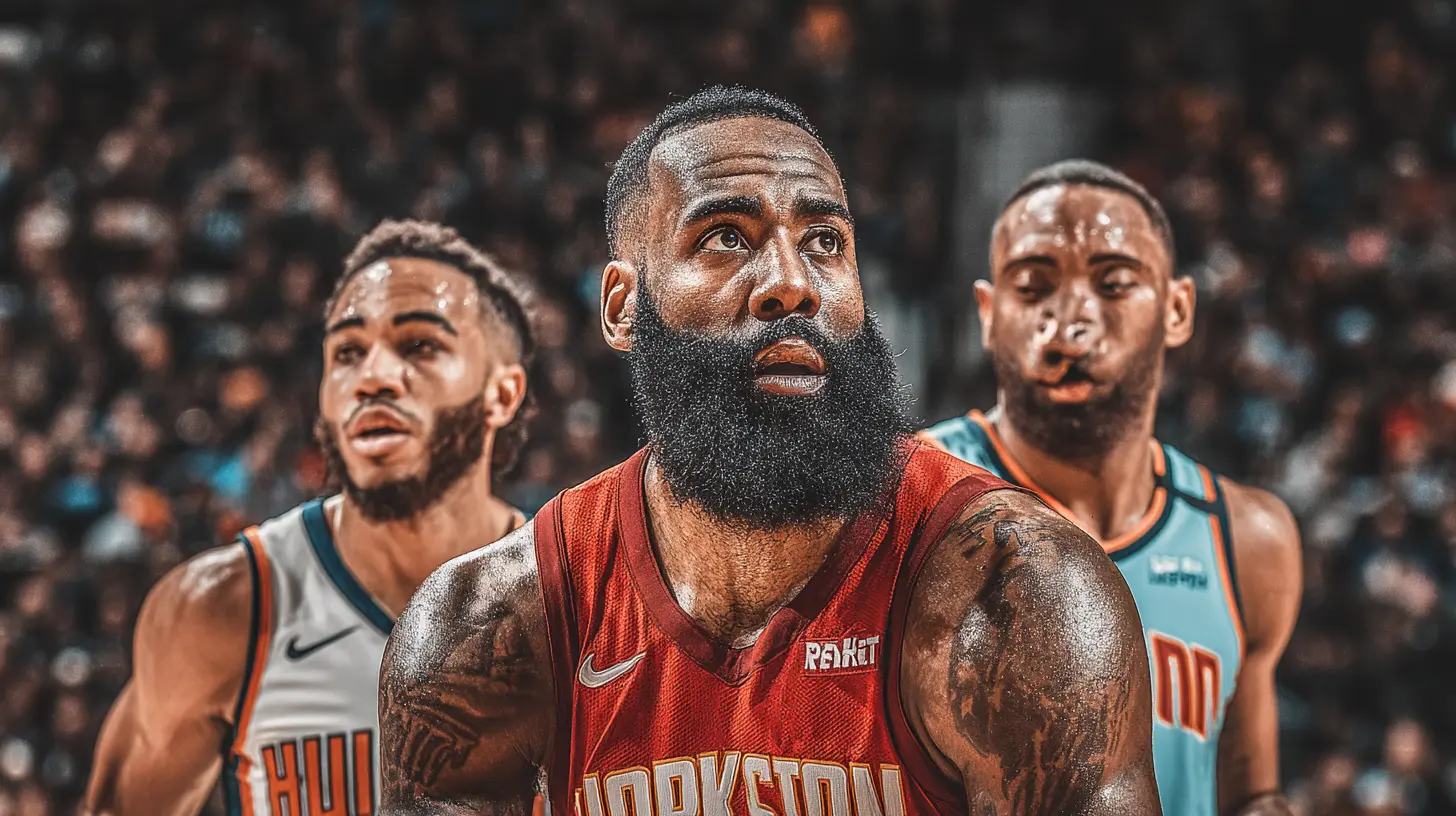
What Actually Determines Whether a Traded Star Wins MVP
Five factors do most of the work. Anyone trying to forecast odds should weigh them in this order.1. Usage and Efficiency Together
A traded star needs to keep his scoring volume while improving his efficiency. If he goes from 30 points per game on a bad team to 24 points per game on a good team, he usually loses the award to someone who kept 30. Voters have consistently favored high-volume scorers on winning teams over lower-volume scorers on great teams. The sweet spot is roughly 26 to 30 points per game with a true shooting percentage above the league average, on a team projected for 50 or more wins.2. Team Seeding, Not Just Team Quality
A 55-win team that finishes third in its conference produces a weaker MVP case than a 52-win team that finishes first. Seeding is a proxy for how much the candidate's team depends on him relative to the rest of the league. This is why a trade that moves a star from a weak conference to a strong one can hurt his odds even if his team improves.3. Availability
The single most underrated variable. A star who plays 70 games at 28 points per game usually beats a star who plays 58 games at 31 points per game. If a trade sends a player to a team with a more conservative load management approach, or to a team with a compressed schedule and a thin bench, his odds should be discounted accordingly.4. The Narrative Reset
Voters are humans who consume media. A player who has been in the same situation for five years has a stale story. A trade creates a new one: the veteran chasing a ring, the star embracing a new city, the former second option finally getting his own team. New narratives tend to help in year one and hurt in year two if the results do not follow.5. The Competition
MVP odds are relative. If a trade removes a contender from the race, everyone else's odds shorten. If it creates a new superteam with two candidates, it can split the vote between them, which helps a third player on a different team. This is the part casual observers miss most often.
How to Read Odds Movement After a Trade
When a star trade happens in 2026, the odds will move within minutes. Here is a practical way to interpret the movement rather than chase it.Step one: identify the usage vacuum. Find out who inherits the shots. If a 25-point-per-game scorer leaves a team and no one replaces him, someone on that roster is about to take 8 to 10 more shots per game. That player's odds are the most likely to be mispriced, because the market often waits for the first big game before adjusting.
Step two: check the win projection change. If the incoming team's projected win total rises by 6 or more, the star's odds should shorten. If it rises by 2 or 3, the market may be overreacting.
Step three: look at the conference. A move within the same conference is roughly neutral for seeding. A move from the West to the East, or the reverse, changes the difficulty of earning a top seed and should be priced in.
Step four: check the games played clause. If the traded star has a history of missing 15 or more games per season, his odds should be longer than the raw talent suggests, regardless of how good the new team is.
Step five: watch the co-star. If the incoming team already has an MVP-caliber player, both players' odds usually lengthen, not shorten. Two candidates on one team cannibalize each other's cases.
Common Mistakes When Evaluating Trade-Driven Odds
Most errors come from a handful of predictable habits.Overweighting the headline. The biggest name in the trade is not always the biggest odds mover. The player who inherits the vacated role often has more room to move.
Assuming better team equals better MVP case. A star can join a 60-win team and still lose the award because his numbers fall and the team's success gets attributed to the collective. Fit matters more than record.
Ignoring the second-order effects. When one star leaves a conference, the remaining contenders' paths to a top seed get easier. That subtle shift can move three or four players' odds by a few percentage points each.
Treating preseason odds as predictive. Preseason MVP odds are a marketing product. They reflect popularity and last season's results more than any real forecast. Post-trade odds are more informative because they incorporate actual roster construction.
Forgetting the award's unwritten rules. Voters have historically favored first-time winners, players on teams that exceed expectations, and players without a recent MVP. A trade that puts a two-time winner on a superteam may actually hurt his case, because voters look for reasons to choose someone new.
A Hypothetical Walkthrough
Suppose a 2026 trade sends a 28-year-old scoring wing from a 38-win team to a 52-win contender, and the contender sends back two rotation players and a first-round pick.The traded star's case: his team should win 55 to 58 games, his scoring may drop from 29 to 25, and his efficiency should rise. Historically, that profile finishes third to fifth in voting. His odds should shorten modestly, not dramatically.
The contender's existing star: his usage falls by 3 to 4 points per game, his assists may rise, and his team wins more. If he was a top-three candidate before, he likely stays in the top five. If he was outside the top five, the added wins may push him in, but the shared credit caps his ceiling.
The team that lost the star: a young guard or forward inherits 10 extra shots per game. If he averages 22 points on mediocre efficiency for a 32-win team, he will not win. But his odds may move from 200-to-1 to 40-to-1, which is a meaningful repricing even without a realistic path to the award.
A rival star in the same conference: his path to a top-two seed just got easier. His odds shorten by a small but real amount.
Four players move. Only one was in the trade.
When a Trade Should Change Your Evaluation, and When It Should Not
A trade should change your evaluation when it alters usage, team quality, or conference difficulty in a durable way. It should not change your evaluation when it only changes perception.The test is simple: ask whether the player's statistical and team context will be different in April than it was in October. If yes, reprice. If the change is mostly about hype, wait 20 games before adjusting. Markets overreact in the first week and correct by midseason, which creates opportunity for anyone patient enough to let the noise settle.
Best Practices for Tracking MVP Odds Through Trade Season
- Keep a running list of the top 10 candidates with their team's projected win total and their usage rate. Update both after every significant trade.- Separate players into tiers: favorites, contenders, and statistical long shots. Trades rarely move a player more than one tier.
- Track games played, not just points per game. Availability is the quiet tiebreaker.
- Watch the conference standings, not just the power rankings. Seeding is what voters see.
- Note which candidates have already won the award. Voter fatigue is real and predictable.
- Avoid reacting to a single game after a trade. Wait for a 10-game sample before drawing conclusions about fit.
The Bottom Line
A star trade in 2026 will not simply hand the MVP to the player who changed teams. It will redistribute opportunity, credit, and wins across the league, and the award will go to whoever converts that redistribution into the strongest combined case. The traded star gets the attention. The player who inherits his role, the co-star who sacrifices touches, and the rival who benefits from an easier path often get the better odds value.Read the trade for what it changes, not for who is in the headline. That is where the real edge lives.
all images in this post were generated using AI tools
Category:
Big TradesAuthor:

Umberto Flores
Discussion
rate this article
1 comments
Harley Montgomery
This trade could really shake up the MVP race in unexpected ways. It's fascinating to think how one player's move can change team dynamics and individual performances...
September 21, 2026 at 3:23 AM