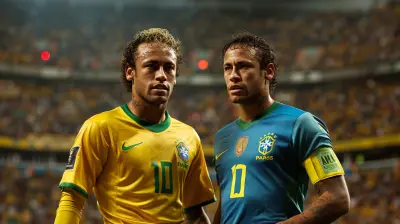
Handling Dissent: How Referees Manage Heated Moments
26 August 2026
Let’s be honest—being a referee isn’t exactly a walk in the park. From passionate fans hurling insults to furious players demanding explanations, referees are pretty much the unsung heroes of every sport. They stand at the center of the storm, trying to keep the game flowing while emotions swirl all around them. One of the biggest challenges they face? Handling dissent.
Now, dissent may sound like a fancy word, but in the world of sports, it simply means pushback, protest, or disagreement—oftentimes loud, sometimes aggressive, and always testy. How do referees keep their cool when things start to heat up? Let’s dig into the everyday reality of managing those fiery moments on the field, court, or pitch.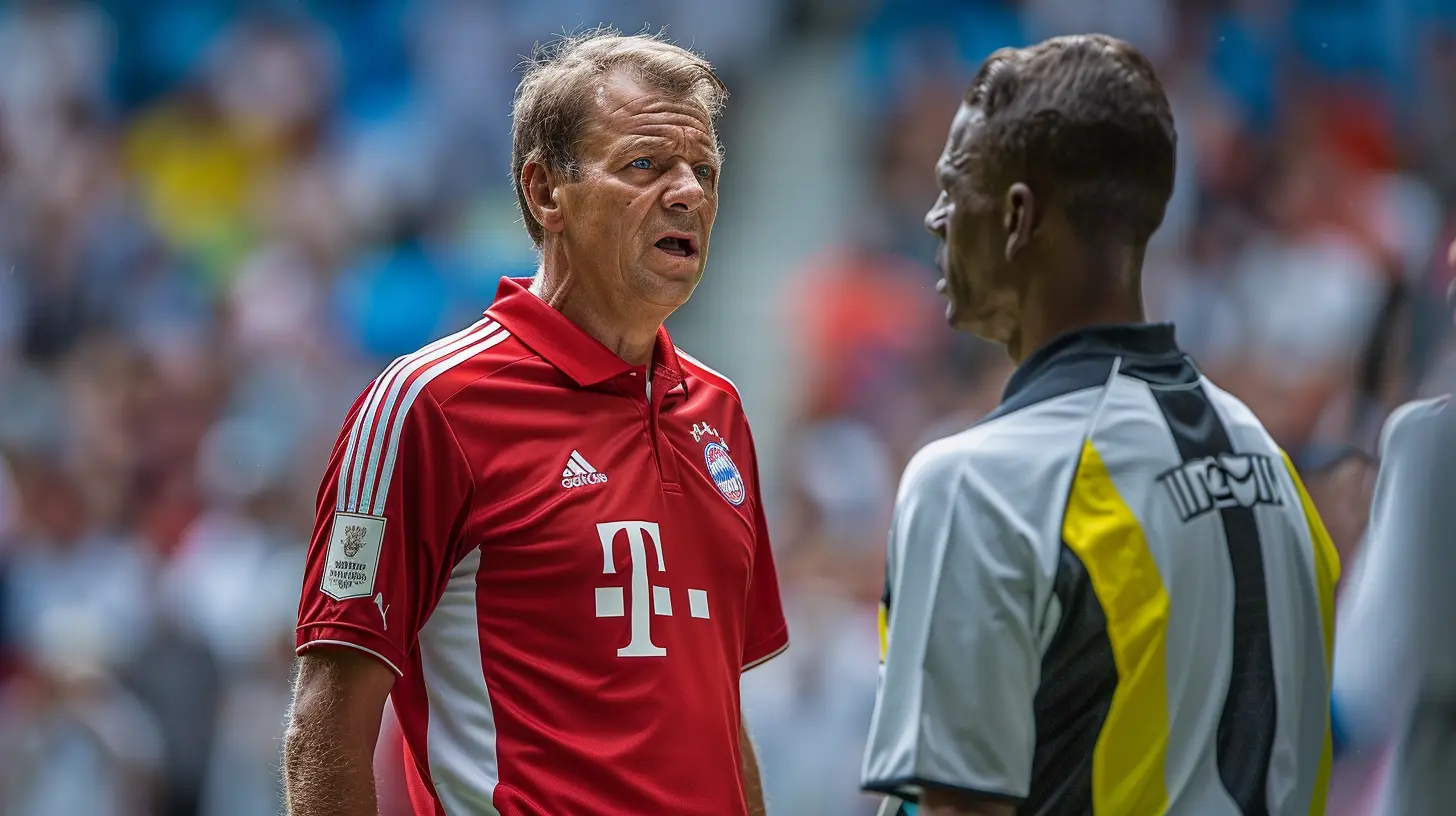
The Heat Beneath the Spotlight
Ever watched a soccer match where a questionable red card turned into an all-out shouting match? Or a basketball game where a coach stormed onto the court, veins practically popping out of his forehead? Yep, that’s dissent in action.In high-stakes sports, emotions run wild. Players train for months, even years, and one decision can flip their season upside down. Naturally, when a call feels unfair, players and coaches react. Some stomp, others shout, and a few even throw water bottles (yes, that still happens).
Referees? They’re human too. But unlike the players, they don’t have the luxury of reacting emotionally.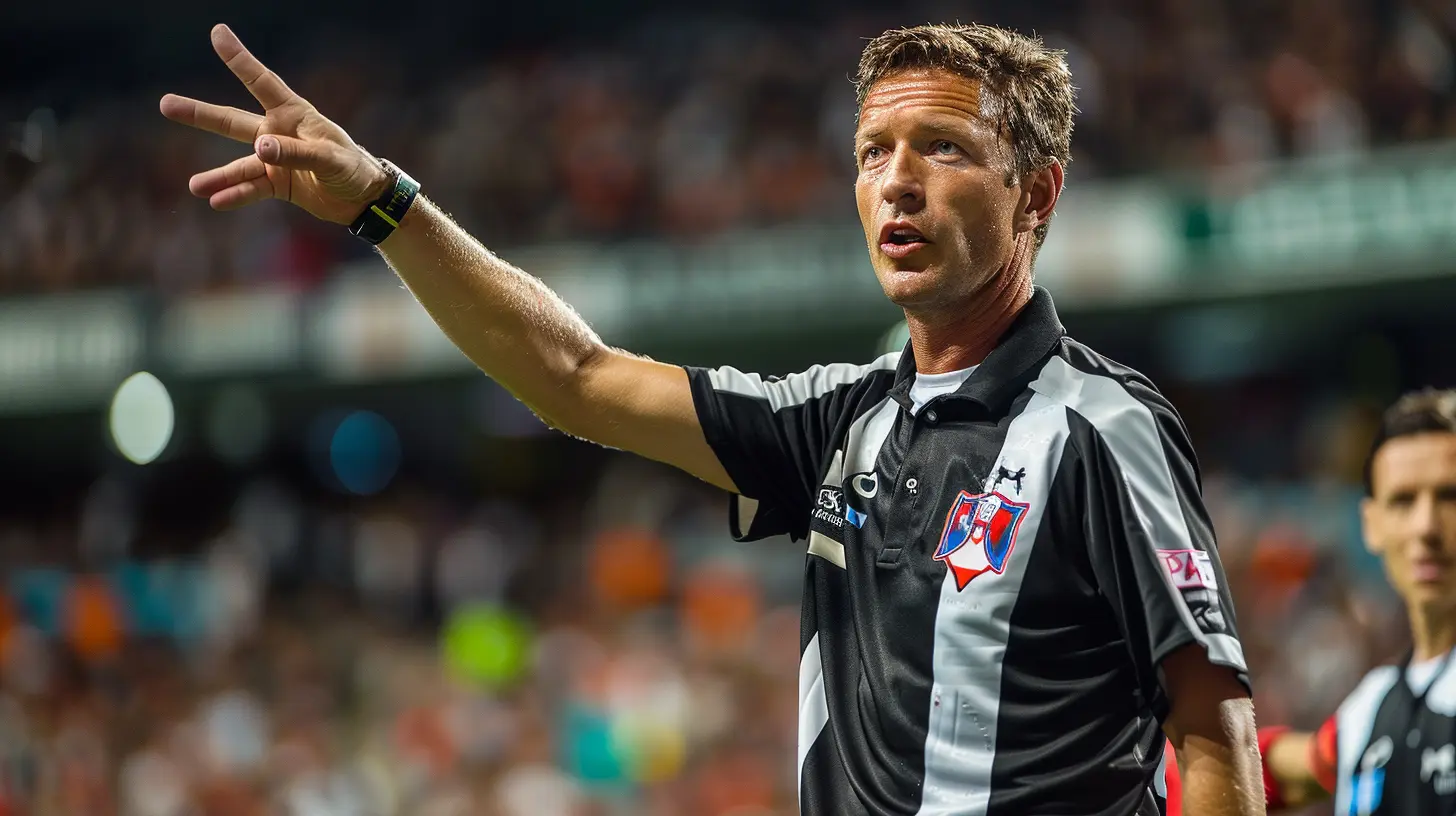
What Really Counts as Dissent?
Before we jump into how referees handle it, let’s talk about what dissent actually looks like.Here are some classic signs:
- Arguing calls with aggressive body language
- Shouting or swearing at the ref
- Sarcastic clapping or exaggerated gestures
- Surrounding the referee as a team
- Protesting every single whistle
Sometimes it’s subtle—a raised eyebrow, a mocking comment under one’s breath. Other times it’s in-your-face rage. Referees have to be tuned in to both the loud and the low-key forms of dissent.
The Mindset of a Referee
Referees don’t just show up, blow the whistle, and head home. There’s a mindset they cultivate—calm, composed, authoritative. They spend hours studying the rules, reviewing past games, and attending workshops. But just as important as knowing the rulebook is having the emotional intelligence to handle the messier side of sport.Things they constantly remind themselves:
- Don't take it personally.
- Stay neutral, not cold.
- Be consistent, not robotic.
- Breathe—yes, even in the middle of chaos.
Keeping a cool head helps them stay in control without escalating the situation.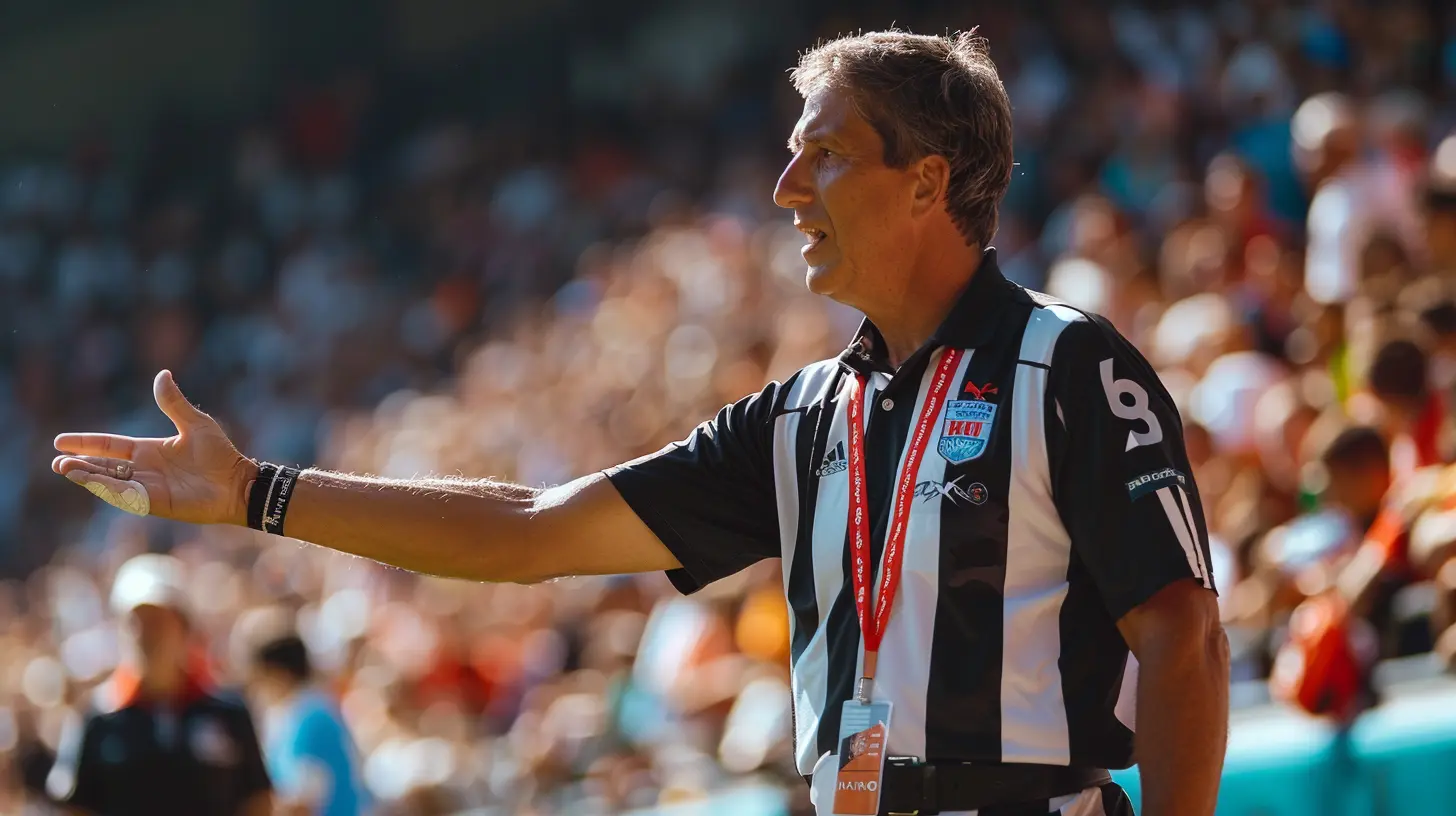
Communication: The Silent Superpower
You know how they say communication is key in relationships? Turns out, that’s true in sports too.Referees rely on two main types of communication: verbal and non-verbal.
Verbal Communication
Words can calm or ignite. A good referee knows when to step in and say:> “Hey, I understand. But let’s keep it respectful.”
Or...
> “That’s enough. Focus on the game.”
Tone and volume matter big time. No one responds well to yelling—except maybe in pro wrestling.
Non-Verbal Cues
Ever seen a referee hold a player’s gaze, raise an eyebrow, or signal with their hands to move along? That’s non-verbal magic at work. Body language can be just as powerful as words—and way less confrontational.Preventing Dissent Before It Boils Over
Think of dissent like a pressure cooker. A referee’s job is to let out steam before it explodes.Here’s how they do it:
Building Relationships
Before the game even begins, many referees talk to the coaches and captains, setting expectations and building rapport. A little respect goes a long way in preventing meltdowns.Being Clear and Consistent
No one likes inconsistency. If a player gets penalized for a minor foul, but someone else gets off the hook for a worse one? Boom—instant dissent.Consistency earns respect. When players trust the ref to be fair, they’re less likely to argue.
Staying Close, But Not Too Close
Positioning matters. A referee who stays near the action can explain decisions quickly and clearly—but too close, and it might feel confrontational. It’s a fine line, like dancing on a tightrope with cleats on.What Happens When Things Get Heated?
Even the best referees can’t stop every outburst. So what do they do when dissent gets out of hand?Step 1: Verbal Warning
Most referees start by talking. A quick word—calm and firm—can be enough to de-escalate.Step 2: Formal Warning or Card
In sports like soccer or rugby, referees issue a yellow card or similar formal warning. It’s the universal language of “you’ve gone too far.”Step 3: Disciplinary Action
When warnings don’t cut it, out come the ejections, red cards, or technical fouls. It’s not about punishment—it’s about protecting the integrity of the game.Think of it like parenting. You give warnings, set boundaries, and only ground your kid when you absolutely have to.
Mental Strength Behind the Whistle
Handling dissent isn't just about decisions—it's a mental marathon. Referees face heckling from fans, second-guessing from coaches, and disappointed players in their face. Still, they come back week after week.Why?
Because they love the game. Deep down, they believe in fairness and competition. They know they’ll never be the most popular person on the field, and they're okay with that. They’ve built mental armor—resilient, unbreakable—and they carry it into every game.
Learning and Growing With Every Game
No referee is perfect. They make mistakes. Sometimes they miss a foul or misread a situation. But what separates good referees from great ones is their willingness to learn.After each game, many review footage, talk to mentors, and even consult psychologists to better manage pressure and conflict. It’s all part of their journey.
And the more experienced they get, the better they handle those heated moments—like a seasoned firefighter walking into flames without flinching.
The Role of Technology in Easing Tensions
Let’s talk about tech. With tools like VAR in soccer or replay reviews in basketball, referees now have backup. These systems help ensure fairer decisions—and in turn, reduce dissent.Still, tech isn't perfect. But it does give referees a moment to breathe, second-guess, and correct—not just for themselves, but for the integrity of the game.
The Importance of Respect—for Everyone
Here’s the bottom line: Sports are built on respect.Players must respect referees.
Referees must respect players.
Fans must respect everyone.
Of course, tension is part of the game. It adds drama and thrill. But when dissent crosses the line, someone has to step in with calm, clarity, and authority. That someone? The referee.
They don’t do it for the fame. They don’t do it for the money. They do it for the love of the game.
Final Whistle Thoughts
So the next time you see a referee calmly face down an angry mob of players or defuse a shouting match between two fiery coaches, remember—their job isn’t just about rules. It’s about people. Emotions. Judgment. Balance.Handling dissent is an art form. It’s the ability to stay grounded when the very foundation seems to shake. And while they’ll rarely be the stars of the show, referees deserve applause for their poise under pressure.
Their job? Keeping the beautiful chaos of sports from spiraling out of control.
And if you ask me? That’s pretty heroic.
all images in this post were generated using AI tools
Category:
RefereeingAuthor:

Umberto Flores
Discussion
rate this article
2 comments
Alexander Ortiz
Referees face tough situations every game. It takes skill to keep control and ensure fairness while handling players' emotions. Their job is tougher than most realize.
September 4, 2026 at 4:42 AM
Umberto Flores
Absolutely, referees navigate complex dynamics and need strong communication skills to maintain control. Their role often goes underappreciated.
Dominic White
This article offers valuable insights into how referees navigate challenging situations during games. The balance between maintaining authority and understanding player emotions is crucial. It highlights the importance of communication and respect, which can significantly reduce heated moments on the field. Great read!
August 28, 2026 at 12:44 PM
Umberto Flores
Thanks for the kind words! I'm glad you found the insights valuable. Balancing authority and empathy really is key for referees.