The Art of the Faceoff: Techniques to Win Possession
10 February 2026
In the fast-paced, high-energy world of hockey and lacrosse, there's one moment that can shift momentum in the blink of an eye: the faceoff. It’s not the flashiest play, and it doesn’t always make the highlight reel, but man, is it important. Winning a faceoff can be the difference between scoring a game-winning goal or chasing the puck back in your own zone.
Whether you're just getting into the game or you’ve been breaking in your stick for years, understanding the art of the faceoff — and mastering it — is crucial. This isn’t just about getting lucky with a drop. It’s a mix of technique, timing, strategy, and a little bit of grit.
Let’s dig into the skills and secrets behind winning the battle at the dot.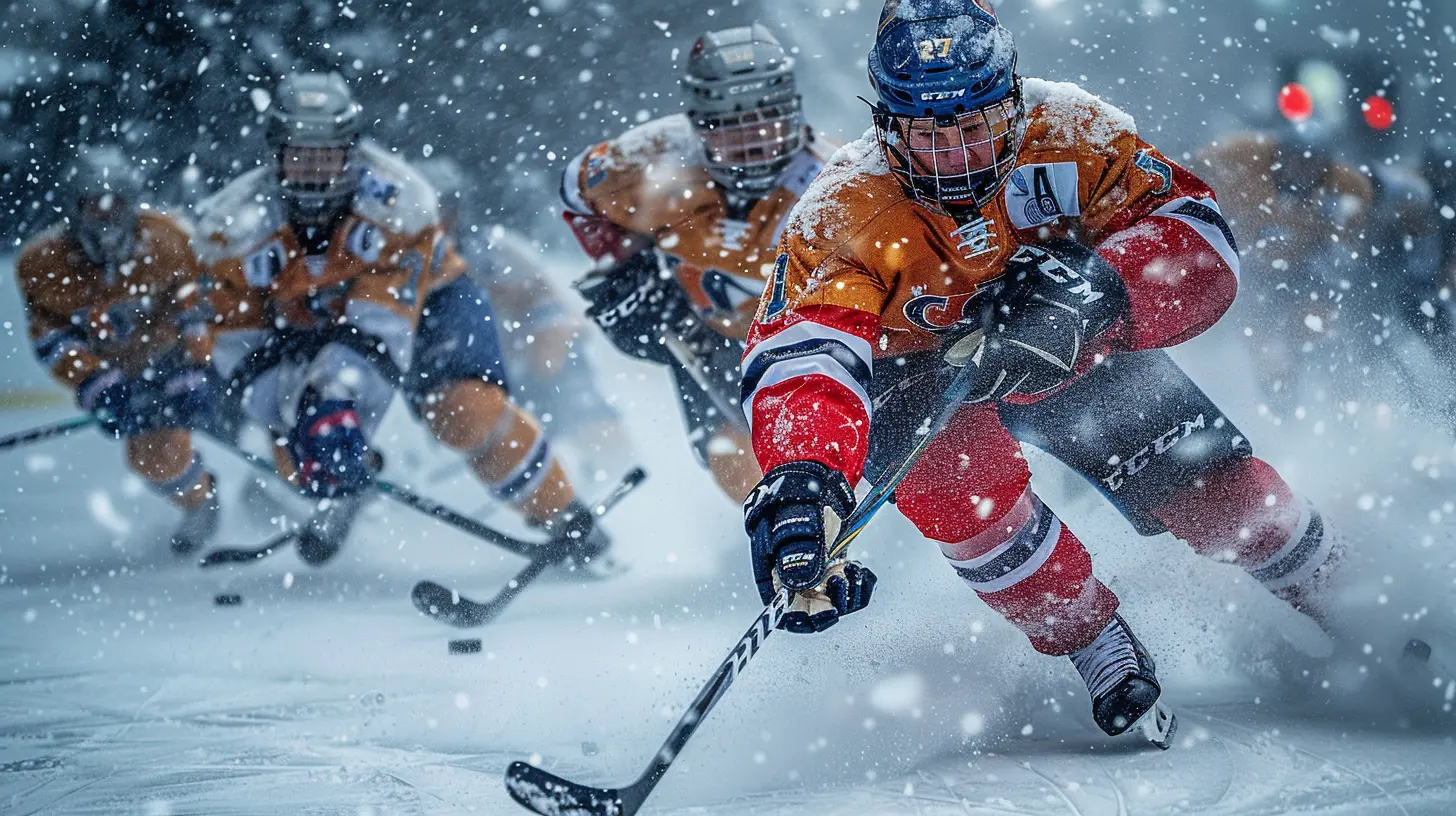
Why Faceoffs Matter (More Than You Think)
You might think, “It’s just a drop of the puck, right?” Not quite.A faceoff isn’t just a formality. It’s a battle for control. Every time the puck or ball hits the surface, both teams get a shot at possession. Winning that battle puts your team in the driver’s seat—whether you’re on the power play, defending a lead, or pushing for a goal.
A won faceoff might lead to a quick shot on net, a set play, or even just the ability to settle the play and control the tempo. If you're consistently losing faceoffs, you're constantly chasing the game.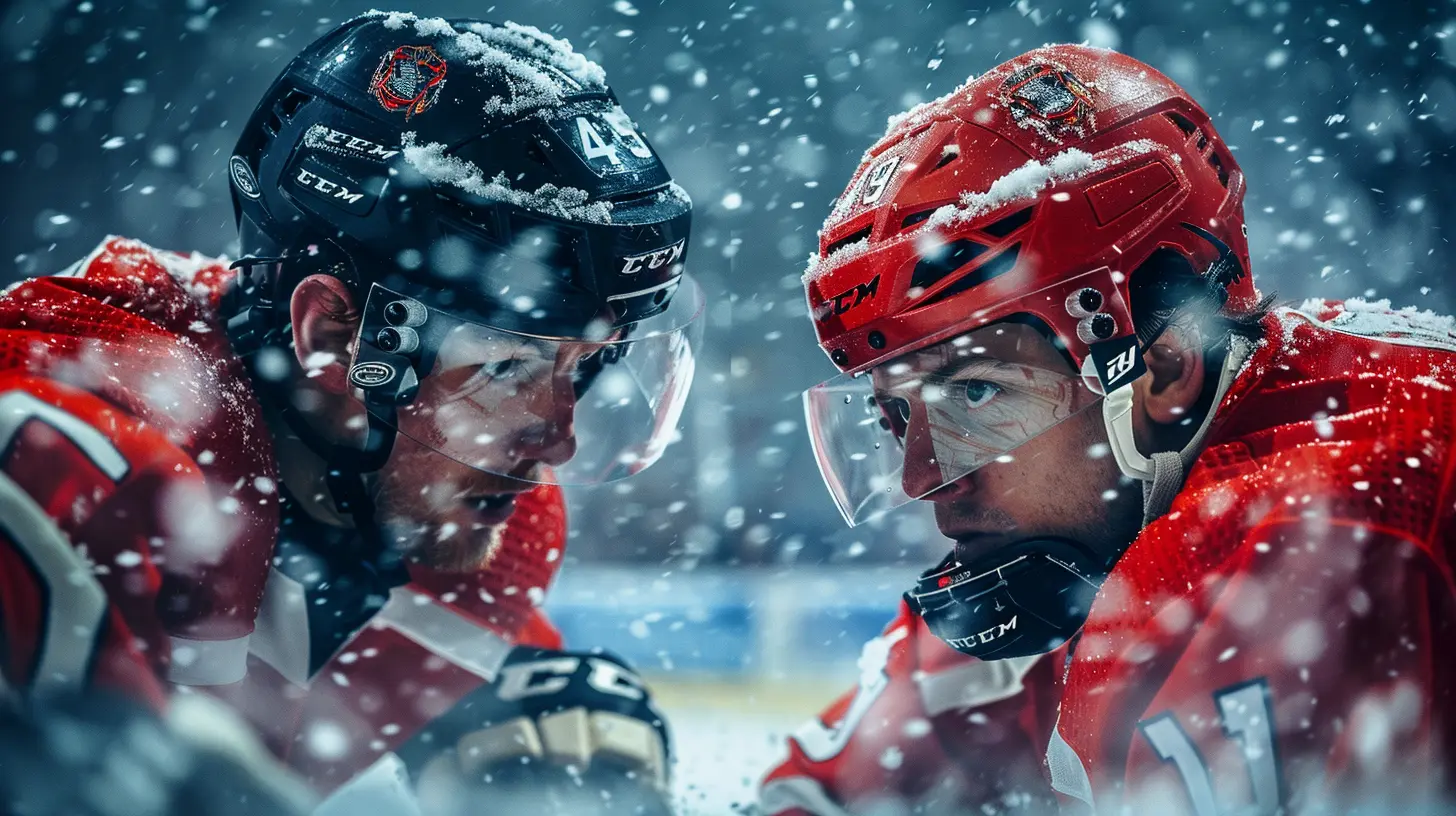
Types of Faceoffs
Before we dive into the techniques, let's break down the different faceoff types you’ll encounter:- Neutral Zone Faceoff: These happen in the center or along the sides. They're more about gaining territory and getting organized.
- Offensive Zone Faceoff: A chance to launch an attack. Teams often have set plays ready after winning the puck here.
- Defensive Zone Faceoff: High pressure. Lose it here, and it could mean a scoring opportunity for the other team.
- Center Ice Faceoff: After goals or to begin a period. It resets the play, but that first possession can dictate the pace.
Each zone demands different tactics, from body positioning to stick placement. Context is everything.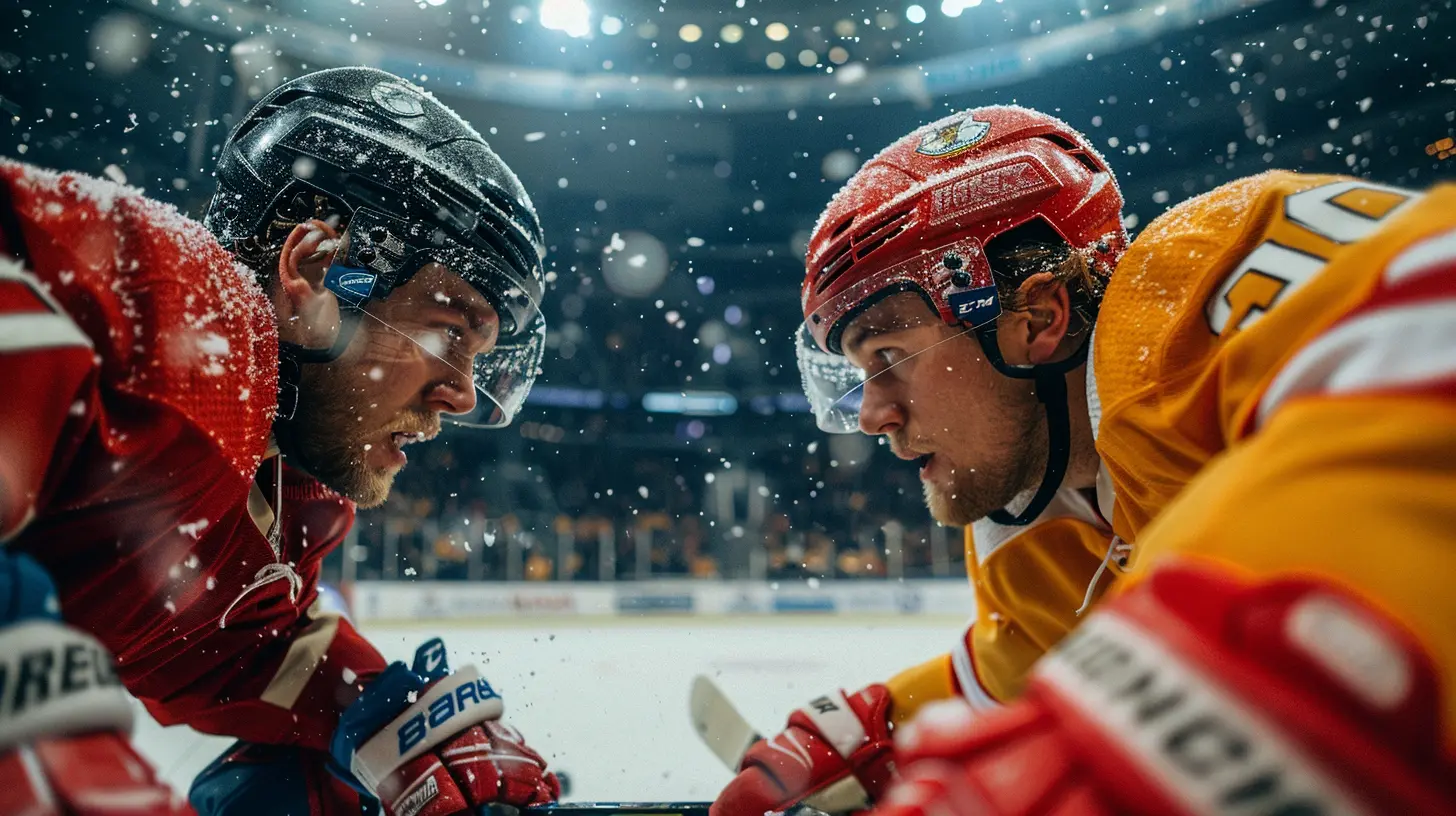
The Anatomy of a Faceoff
Let’s strip it down. A faceoff isn’t just two players chopping at the puck. There's so much going on before, during, and after that moment. Here's what it includes:1. Stance
Your stance is your foundation. Get low, knees bent, weight centered, and stay balanced. Your stick hand should be quick, but your feet should be ready to drive forward or hold your ground.2. Grip
Players often adjust their bottom hand lower down the shaft for better leverage and torque. It’s all about generating that quick snap.3. Timing
If you go too early, you’ll get tossed. Too late? The other guy has the edge. It takes a lot of reps to feel the rhythm of the official's puck drop. Microseconds matter.4. Stick Technique
There are several ways to try and win the puck:- Snap: A quick flick to the side or back.
- Tie-Up and Kick: Neutralize the opponent’s stick, then use your feet.
- Power Move: Use strength to push it straight through.
5. Body Positioning
Shield the puck after the drop. Use your body to protect it from the opponent and help your teammates scoop it up.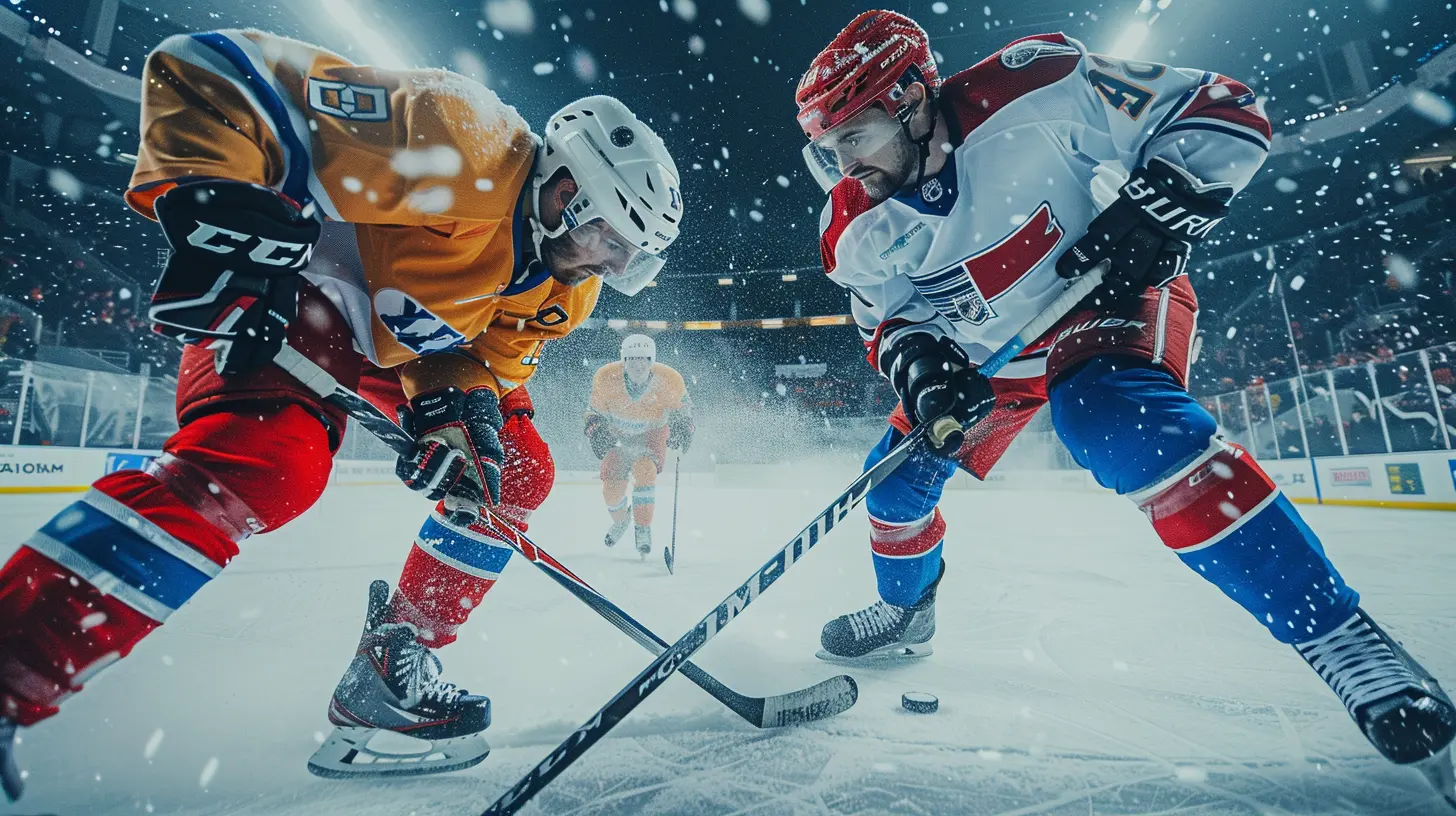
Techniques to Dominate the Dot
Now let’s get into the real goods. What separates elite faceoff specialists from the rest? Let’s lay out some tried-and-true faceoff techniques.1. The Tie-Up and Support Strategy
A savvy move when you're not confident you’ll win it clean. Tie up your opponent’s stick and let your winger or defenseman swoop in and grab the puck. This is all about teamwork and trust. If your teammates know the plan, it works like clockwork.2. The Quick Win (Clean Pullback)
This is the holy grail — winning the puck cleanly to a waiting teammate. It’s fast, efficient, and deadly on set plays. Mastering the quick wrist snap is key here.3. Footwork Counts
Many forget about the feet. But the faceoff isn't won with your stick alone. Smart players use their skates to block, shield, or even kick the puck to open space.4. Deceptive Stick Movement
You can fake a move to throw your opponent off. Give them a look like you’re going for the puck on one side, then snap it the other way. It’s a chess game.5. Reading the Opponent
Faceoffs aren’t just mechanical. They’re mental. Study your opponent — what hand are they? Are they aggressive? Do they favor one side? If you know their tendencies, you can predict their move and counter it.6. Switching Up Your Approach
Don’t be a one-trick pony. If you keep using the same move, it gets predictable. Mix up your strategy. Win one clean, then go tie-up next. Keep your opponent guessing.Secret Weapons: What the Pros Don’t Always Tell You
Let’s be real — some things you just learn from grinding it out in games and picking the brains of seasoned vets. Here are a few underrated tips that can give you the edge:- Mind Games Count: Little things like false starts, stick taps, or subtle movement can get in your opponent's head.
- Use the Rules: Knowing exactly when to place your stick, how far you can lean in, and when the ref will drop the puck gives you a serious edge.
- Practice Reactions: A lot of guys practice faceoffs in slow-mo. But you should also train reaction speed — try catching dropped tennis balls or reacting to beeps or lights.
Communication: Your Teammates Matter More Than You Think
Winning a faceoff isn’t always about the guy taking the draw. It’s about the full unit being on the same page. Let’s say you win the puck back, but your D isn’t ready. Or worse, they think it's going the other way. That win quickly turns into a turnover.Before the drop, communicate! Point with your stick, nod, yell — whatever it takes. Everyone should know the plan. It sounds simple, but it makes a huge difference.
Situational Awareness: Every Dot Is Different
You need to adjust based on the situation. Down a goal with a minute left? You’re probably trying a clean, aggressive win to set up a scoring chance. Killing a penalty? A tie-up and grind-it-out win might be the best call.Smart players always ask:
- What's the score?
- Who’s on the ice?
- What’s the risk of losing the draw?
- Can I take a risk here?
Being situationally aware helps you choose the right technique, time, and target.
Faceoff Training: How to Build the Skill
You can’t just show up and hope to be good at faceoffs. It takes reps, and more reps. Here's how to sharpen your edge:- Stick Work Drills: Practice quick snaps with a partner or even a weighted puck/ball to build speed and strength.
- Reaction Training: Use apps or tools that test your reflexes.
- Watch Film: Study guys who dominate the dot — Sidney Crosby in hockey, Trevor Baptiste in lacrosse. See what they do differently.
- Strength Training: Core and wrist strength are crucial. Focus on workouts that mimic the twisting motion of a faceoff.
- Challenge Teammates: Make it competitive. Set up mini-tournaments during practice. Put something on the line—a Gatorade, push-ups, bragging rights.
It’s Not Just for Centers
Sure, the center usually takes the draw, but understanding faceoff strategy helps everyone. Wingers, defensemen, and even goalies should know the plan. Everyone has a role.Imagine this: Center ties up the opponent, but your winger isn’t in proper position. Boom — puck gone. Team strategy matters.
Final Thoughts: Don’t Sleep on the Faceoff
Here’s the truth — the art of the faceoff is undervalued. It’s not flashy like a toe drag or a buzzer-beater, but it wins games. If you care about possession, control, and setting your team up to succeed, then faceoffs need to be on your radar.It’s about more than just quick hands. It’s timing. It’s having a plan. It’s grit, feel, and outsmarting your opponent. And most importantly? It’s something anyone can get good at if they put in the work.
So next time you find yourself at the dot — remember, it's not just a drop. It’s your chance to tilt the ice, swing momentum, and own the game.
all images in this post were generated using AI tools
Category:
HockeyAuthor:

Umberto Flores
Discussion
rate this article
2 comments
Kismet Adkins
Mastering faceoffs is crucial for controlling the game's tempo.
March 13, 2026 at 12:44 PM
Umberto Flores
Absolutely! Mastering faceoffs not only gives teams possession but also sets the tone and pace of the game.
Kennedy McKittrick
Faceoffs: where strategy meets the dance of destiny! Picture a duel between two wizards wielding sticks instead of wands. It's not just about winning possession; it's about channeling your inner ice gladiator. May the best wizard prevail in this frozen theater of dreams! 🥅✨
February 12, 2026 at 3:58 AM
Umberto Flores
Absolutely! Faceoffs are a thrilling blend of strategy and skill, much like a magical duel. It’s all about outsmarting your opponent and seizing control in the exhilarating game of hockey! 🏒✨