How 3D Printing is Redefining Sports Equipment Manufacturing
27 October 2026
Sports have always been a game of edges. Whether it's athletes training harder, coaches strategizing smarter, or manufacturers crafting more efficient gear, the smallest advantage can make a huge difference. In recent years, one technology has been quietly revolutionizing the world of sports equipment manufacturing: 3D printing.
At first glance, 3D printing might seem like something out of a sci-fi movie. But trust me, this isn't some futuristic fantasy. This is happening right now, and it's changing the way sports equipment is designed, produced, and used. If you're a sports enthusiast, an athlete, or just someone curious about cutting-edge tech, this is something you’ll want to keep an eye on.
Let’s dive deep into how 3D printing is reshaping the sports world and why you should care.
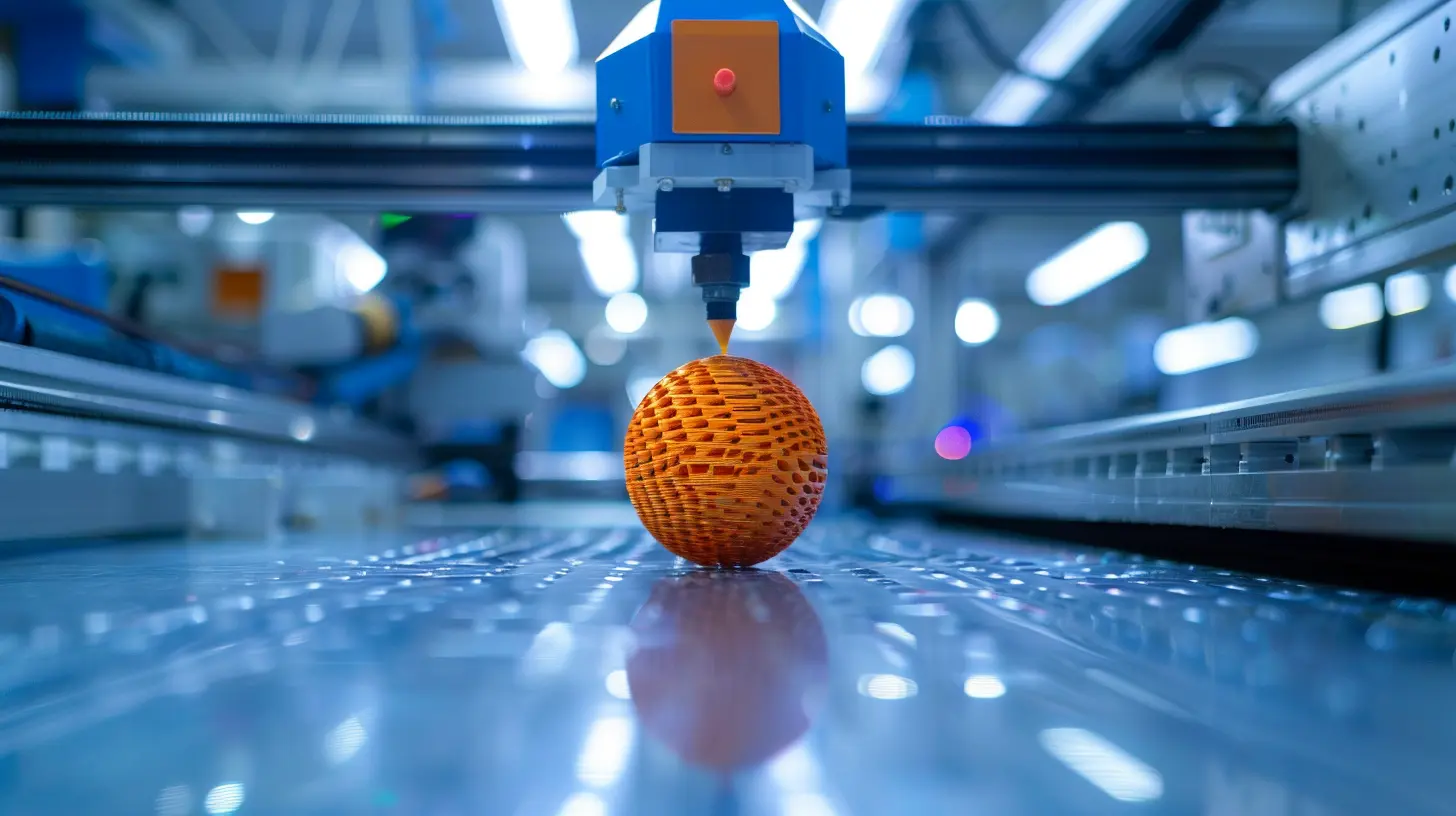
The Basics: What is 3D Printing?
Before we get into sports-specific examples, let’s quickly cover what 3D printing is. In its simplest form, 3D printing (also known as additive manufacturing) is the process of creating a three-dimensional object from a digital file. Instead of traditional manufacturing methods that involve cutting, drilling, or molding, 3D printing builds objects layer by layer, often using materials like plastic, metal, or resin.Think of it like a high-tech glue gun. But instead of just squirting out glue, it's depositing ultra-precise layers of material until a full product emerges. And because of the precision of 3D printing, manufacturers can create designs that were previously impossible to make with traditional methods.
Now, why does this matter for sports equipment? Let’s break it down.
The Customization Factor
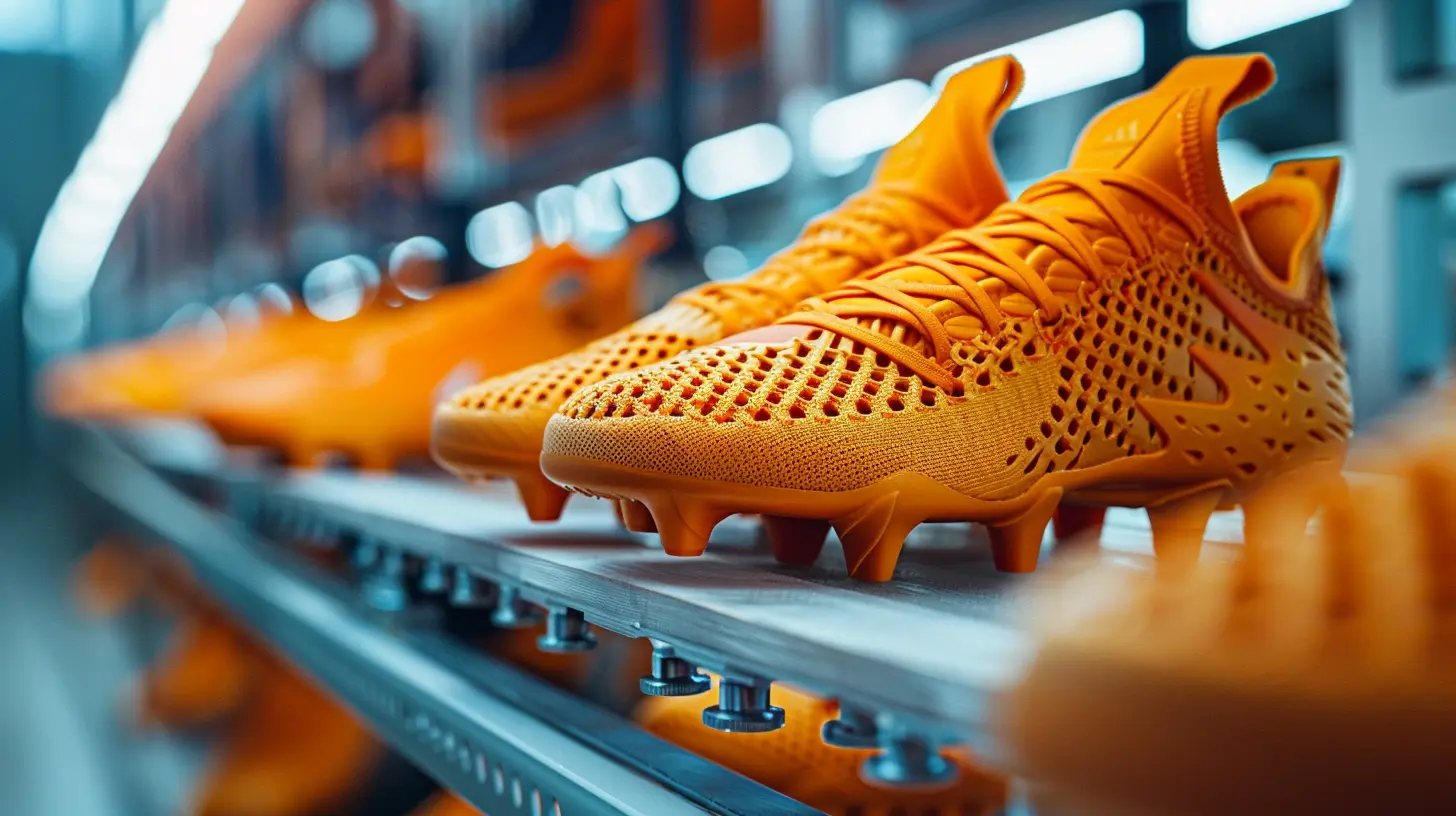
One of the biggest advantages of 3D printing is the ability to create fully customized designs. In sports, every athlete is unique. They have different body types, strengths, weaknesses, and preferences. So why should their equipment be one-size-fits-all?With 3D printing, manufacturers can tailor gear specifically to an individual athlete. Take a pair of running shoes, for example. Instead of buying a generic pair from a store, 3D printing allows companies to scan an athlete's feet and create shoes that fit them perfectly. This isn’t just about comfort — it's about performance. A better fit means better support, which translates to better results on the field or track.
And it's not just shoes. Helmets, gloves, shin guards, and even prosthetics for para-athletes can be designed to fit the exact contours of an athlete’s body. Imagine the confidence and comfort an athlete gains knowing their gear was made specifically for them. It’s a game-changer.
Speed and Efficiency in Manufacturing
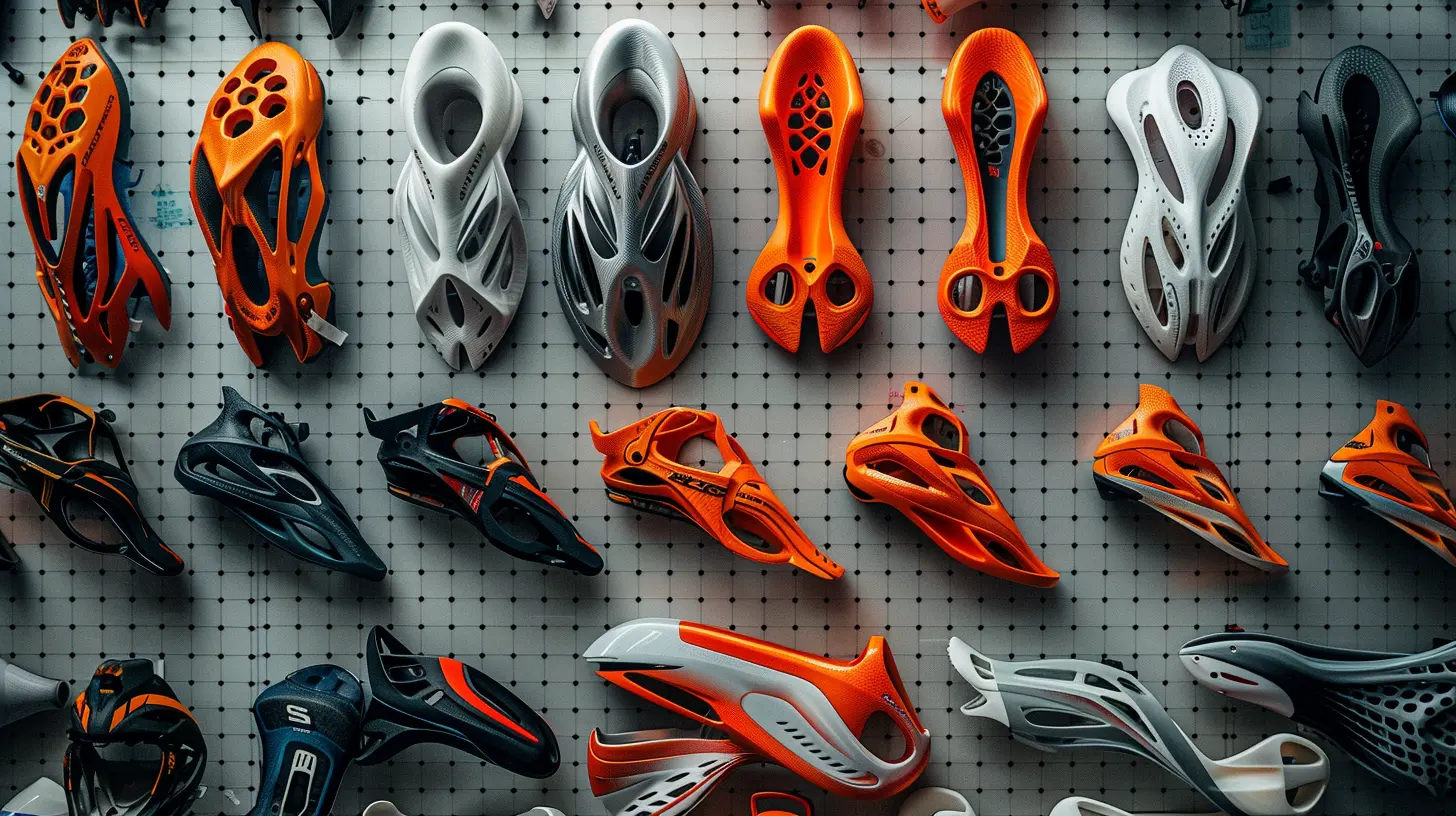
Traditional manufacturing can be a slow and expensive process. Molds need to be created. Materials need to be sourced. And then there’s the whole assembly line that needs to be carefully managed. This can take weeks, if not months, to get a product from concept to completion.But with 3D printing, that timeline shrinks drastically. Once a digital model is ready, the printer does its thing, and boom — you've got a finished product in a fraction of the time. This is especially useful for smaller companies or startups that don’t have the luxury of expensive manufacturing facilities.
In sports, where innovation and quick turnarounds can make the difference between winning and losing, the speed of 3D printing is a massive advantage. Imagine a cyclist needing a custom aerodynamic helmet just days before a big race. With traditional methods, that might be impossible. But with 3D printing? Done.
Sustainability in Sports Equipment Manufacturing
Let’s be real for a second. The sports industry, like many others, has a bit of a waste problem. Think about all the materials that go into making gear — and how much of it ends up in landfills when it’s no longer needed.3D printing offers a more sustainable solution. Because the process is additive (building up layers) rather than subtractive (cutting away excess), there’s far less waste involved. Companies can use only the exact amount of material needed for each product.
And it doesn’t stop there. Some companies are even experimenting with using recycled materials in their 3D printing processes. Imagine a world where old sports gear is recycled into new products. Not only does this help the environment, but it also reduces costs for manufacturers and consumers alike. That’s a win-win.
Innovation in Gear Design
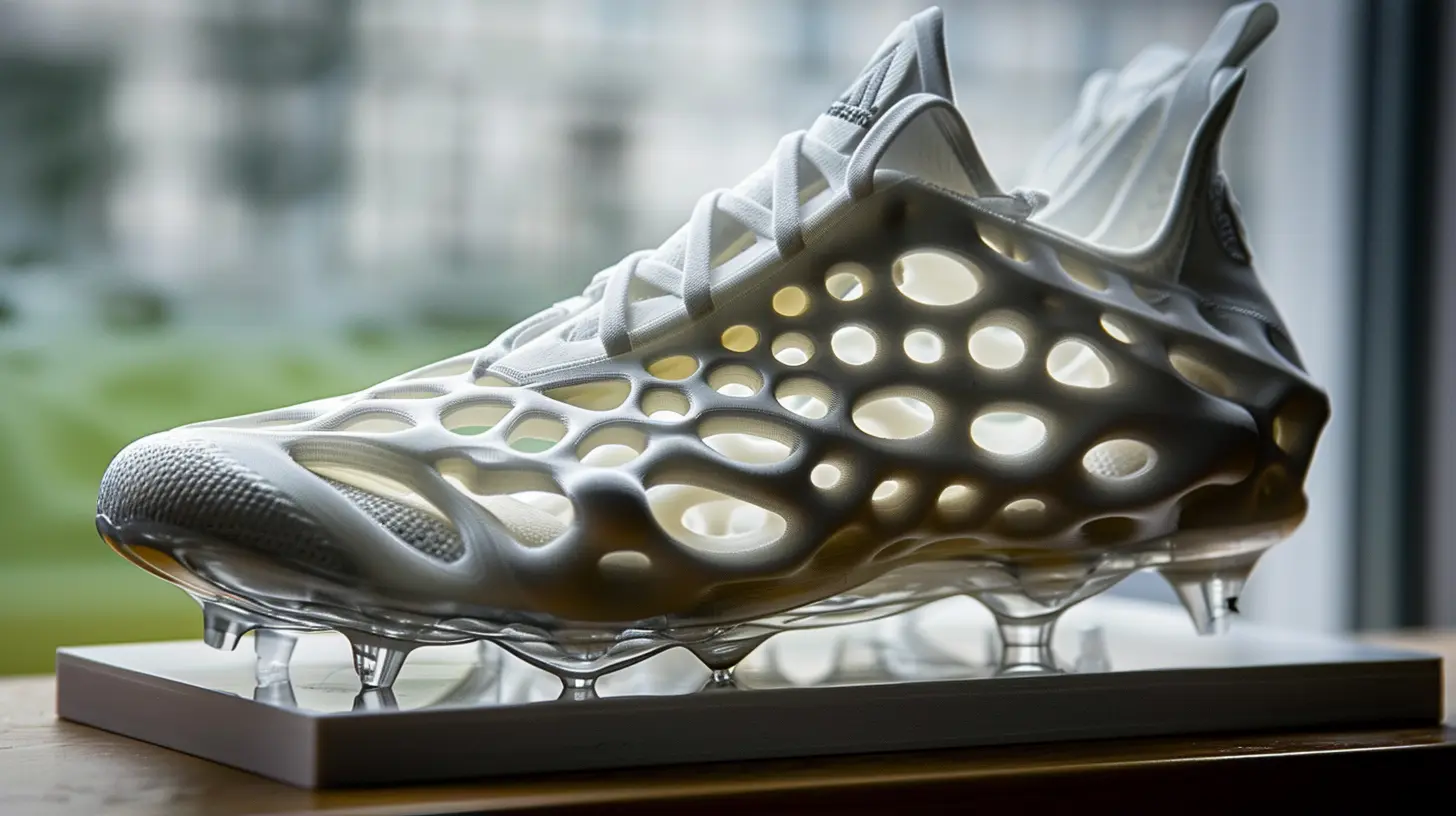
3D printing opens up a world of possibilities when it comes to design. Traditional manufacturing methods can be limiting in terms of what shapes and structures can be created. But with 3D printing, the sky’s the limit.Take, for example, lattice structures. These are complex, web-like designs that are incredibly strong yet lightweight. 3D printing allows manufacturers to experiment with these designs, resulting in gear that offers the perfect balance of strength and flexibility. This is particularly useful in sports like cycling, where the weight of the bike can make or break a race.
Even the aesthetics of sports gear can be enhanced. Athletes and teams can now incorporate intricate patterns, logos, or even personalized messages into their equipment. That’s right — we’re moving beyond standard logos and stripes into a world where customization is king.
Reducing Injuries with 3D-Printed Gear
Injuries are part of the game in sports, but what if we could reduce the risk with better equipment? 3D printing may hold the key. By creating gear that is not only customized but also designed with advanced materials and structures, we can offer athletes better protection.Take helmets, for instance. Traditional helmets are made of a hard outer shell with a padded interior. But 3D printing allows for more innovative designs that can better absorb impact. Companies are experimenting with materials that can change shape or stiffness upon impact, providing extra protection in critical moments.
And don’t forget about footwear. Poorly designed shoes can lead to stress injuries over time. With 3D printing, shoes can be crafted to offer the right balance of support and flexibility, reducing the risk of long-term issues like plantar fasciitis or shin splints.
The Role of 3D Printing in Paralympic Sports
We can’t talk about 3D printing in sports without mentioning its impact on para-athletes. For athletes with disabilities, finding the right equipment can be even more challenging. But 3D printing is leveling the playing field.Prosthetics, for example, can be incredibly expensive and difficult to customize. With 3D printing, para-athletes can get affordable, tailor-made prosthetics that are designed specifically for their needs. This is more than just a cool innovation — it’s life-changing for many athletes who have limited access to high-quality gear.
And it’s not just about prosthetics. Wheelchair athletes, for example, can benefit from 3D-printed components that make their chairs lighter and more aerodynamic. It’s all about giving everyone the tools they need to compete at their best, regardless of their physical challenges.
The Future of 3D Printing in Sports
So, where is all of this headed? While we’re already seeing the impact of 3D printing in sports equipment manufacturing, we’re really just scratching the surface. As the technology continues to evolve, we can expect even more exciting innovations.In the future, we might see equipment that’s not only customized but also able to adapt in real-time. Imagine shoes that adjust their stiffness based on the terrain or helmets that monitor impact and notify trainers of a potential concussion. These aren’t just dreams — they’re possibilities on the horizon, thanks to 3D printing.
We’re also likely to see a shift in how sports gear is purchased. Instead of mass-producing items and shipping them all over the world, companies could offer digital files that athletes can print themselves at local facilities. This would drastically reduce shipping costs, waste, and the lead time for new products.
Wrapping It Up
It’s clear that 3D printing is more than just a cool tech trend — it’s fundamentally changing how sports equipment is made, customized, and used. From offering personalized gear to speeding up production, reducing waste, and even preventing injuries, the benefits are undeniable.As athletes continue to push the limits of what’s possible, their gear needs to keep up. And with 3D printing, we’re entering an era where sports equipment can evolve just as quickly as the athletes who use it. So, whether you're an aspiring Olympian or a weekend warrior, keep an eye on this technology — it’s shaping the future of sports in ways we’re only just beginning to see.
all images in this post were generated using AI tools
Category:
Sports InnovationsAuthor:

Umberto Flores