How Boxing Referees Make the Tough Calls in the Ring
29 March 2026
Boxing is often seen as a brutal ballet — two fighters dancing with fists in a squared circle. But there's a third person in the ring who doesn’t wear gloves but carries just as much responsibility — the referee. While fans cheer knockouts and count punches, referees are the quiet conductors of the chaos. Ever wondered how they make those split-second, high-stakes decisions? Let’s step inside their shoes (well, not literally) and break it all down.
The Invisible Guardian of the Ring
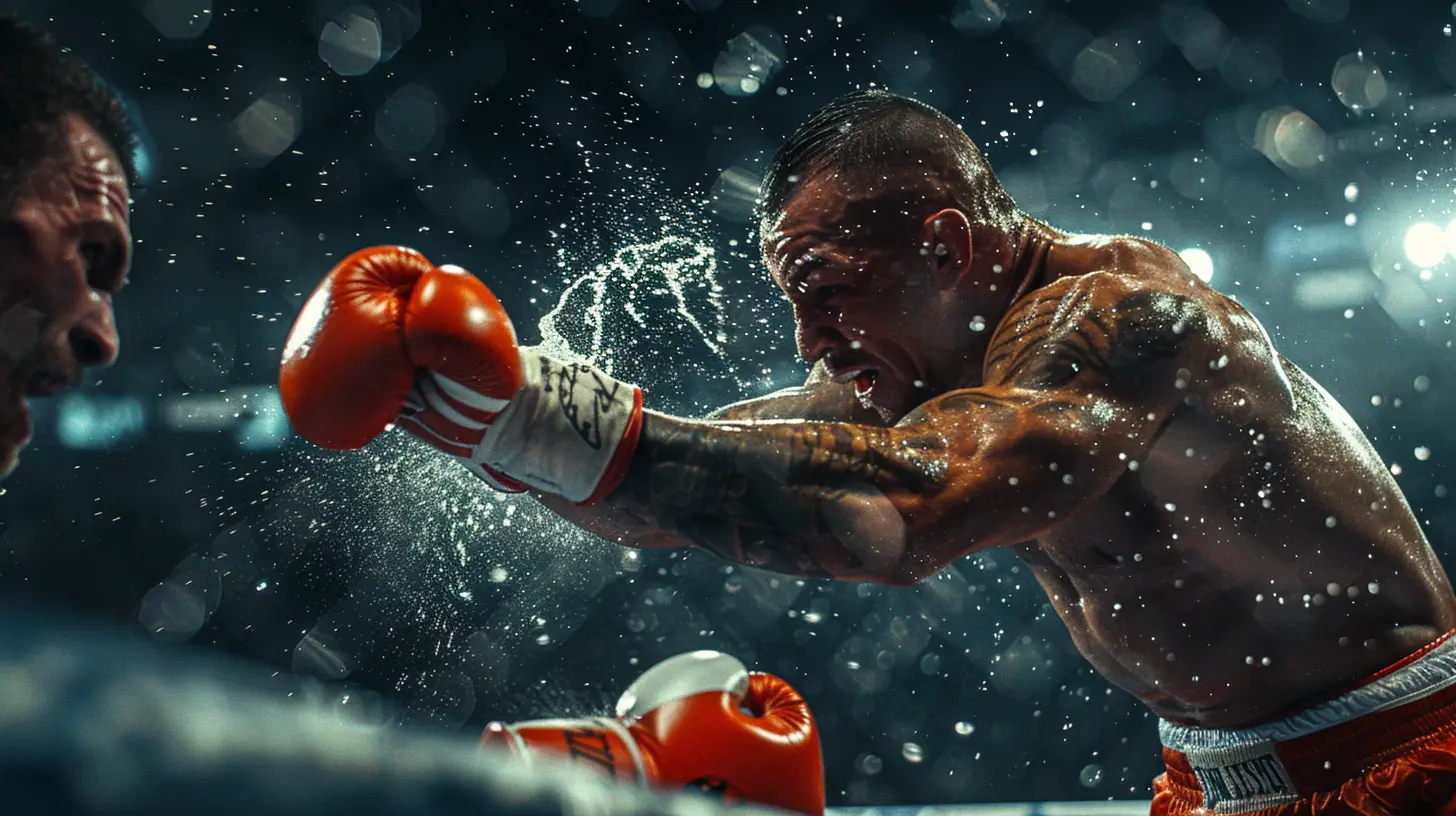
Referees don’t throw punches, but they sure take the heat when things go sideways. They’re like the unsung heroes of the sport — always there, always watching, rarely praised. Their job isn’t just to enforce rules. They’re safeguarding fighters, maintaining fairness, and, sometimes, taking verbal jabs from an angry corner.So, how do they do it? Let’s roll up our sleeves and dive in.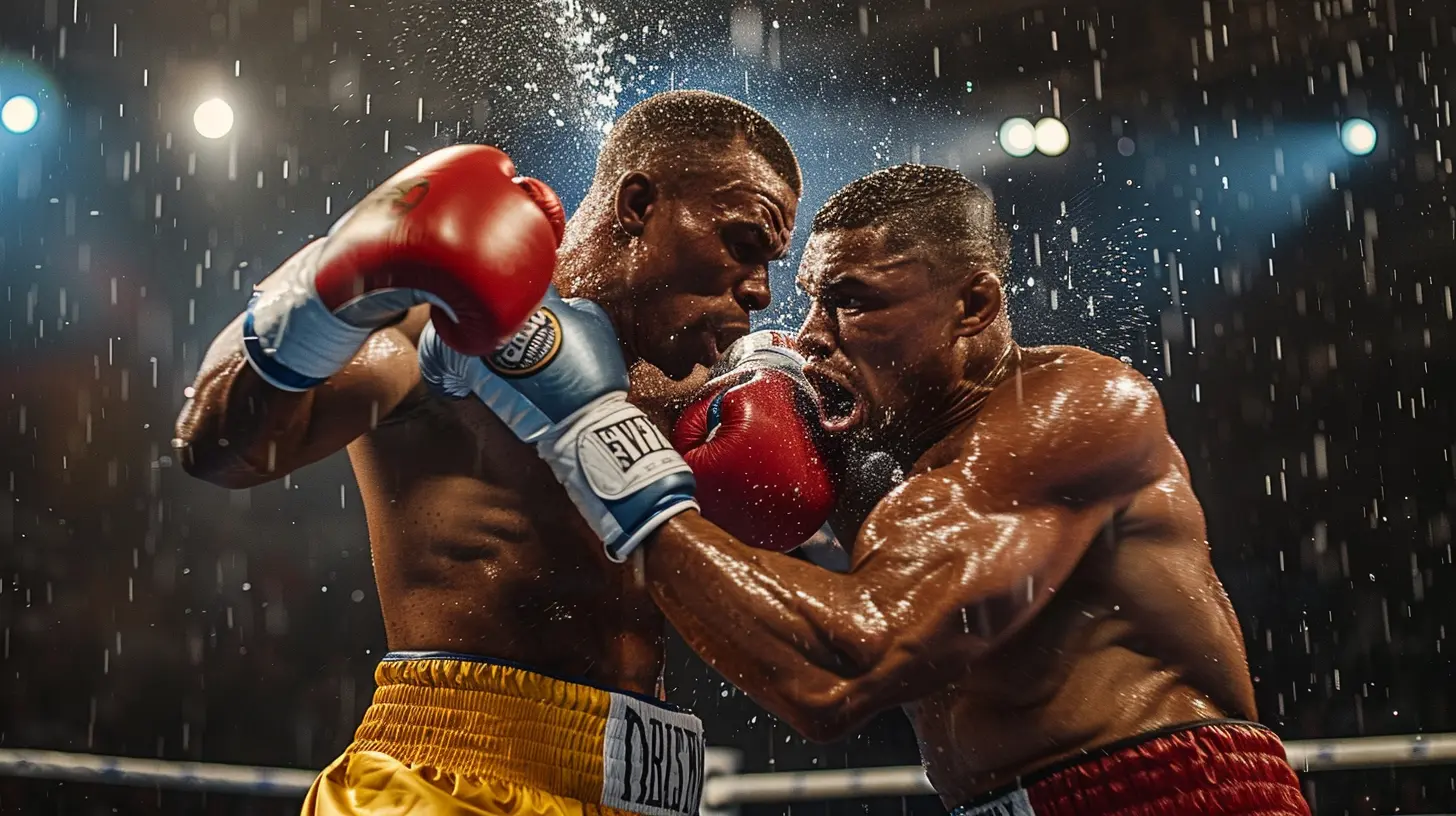
Referees Start With Rigorous Training
They’re not just handed a striped shirt and tossed into the ring. Nope. Boxing referees train like fighters — mentally, at least.1. Learning the Rulebook by Heart
Imagine having to recall dozens of rules, amendments, and technicalities — all while staring down two swinging warriors. Referees study and memorize the rulebook inside out. Every state or country might have slight variations, and they’re expected to know the differences.2. Classroom and In-Ring Practice
Before they work a professional fight, referees attend courses, seminars, and often start out with amateur bouts. It’s trial by fire, but that’s the only way to get good. Real fights, real stakes — minus the prime-time cameras (at first).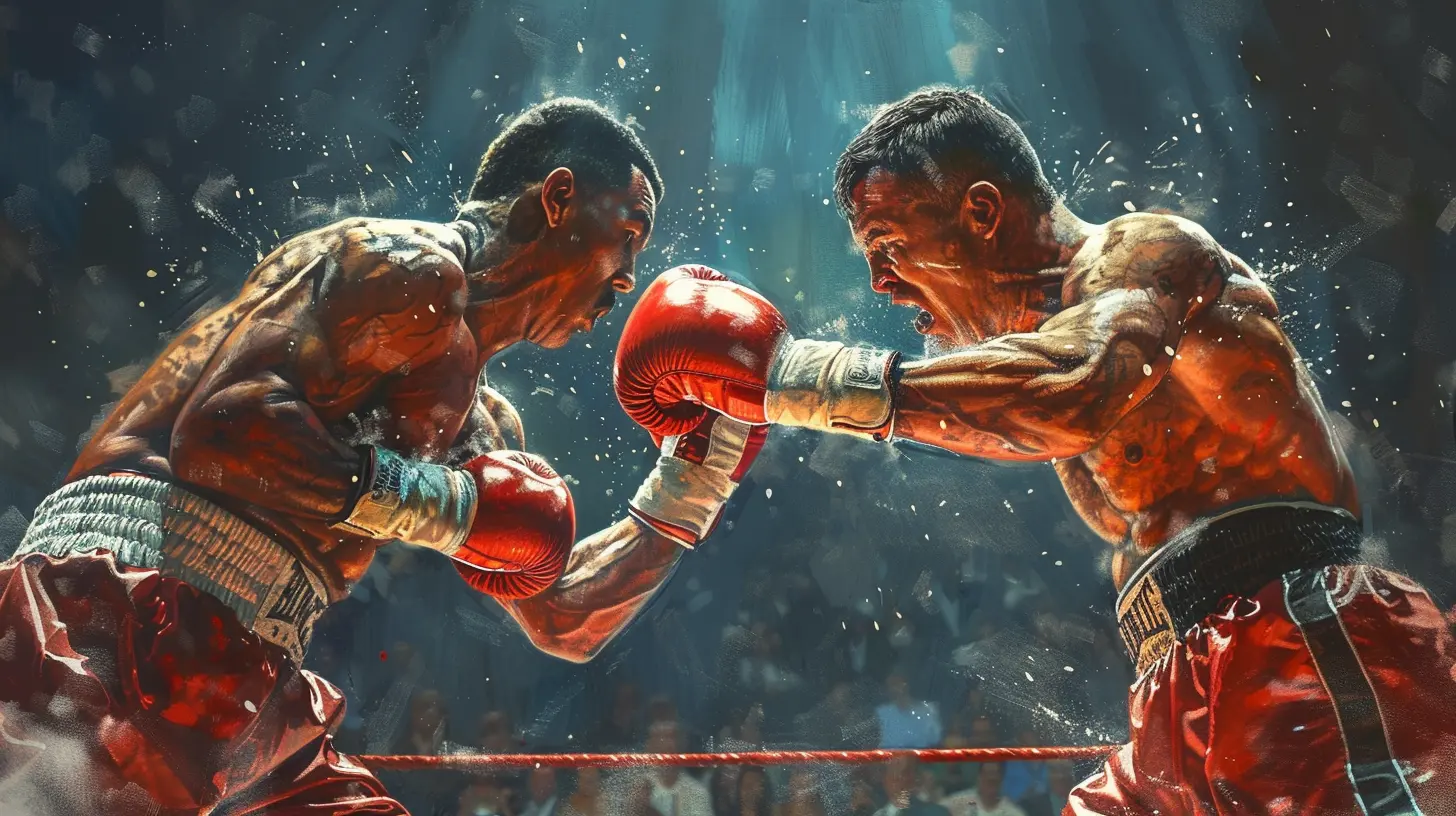
The Anatomy of a Tough Call
Here’s the real kicker: not all rules are black and white. Let’s talk about what makes a decision “tough” in the first place.1. Was That a Knockdown or a Slip?
Referees have to decide instantly — did the fighter go down from a punch or did they slip on sweat, feet, or their own two left legs? A wrong call could unfairly sway the outcome of a fight.They look for things like:
- Did a punch land just before the fall?
- Did the ropes hold the fighter up?
- Was the fall due to entanglement?
One moment of hesitation and Twitter erupts with #robbery.
2. When to Stop the Fight
This might be the hardest decision a ref has to make. Stopping a fight too early? Fans shout it was a fix. Too late? You risk someone’s life. They’ve got to gauge:- Is the fighter defending themselves intelligently?
- Are they out on their feet?
- Are repeated unanswered blows coming in?
It’s not just about looking dazed. Some fighters wear poker faces — others could look hurt but still be fully aware. The ref often has about two seconds to decide.
3. Warning or Deduction?
Low blow? Headbutt? Holding? The ref has to decide if it was intentional or accidental. Depending on that, they may issue:- A warning (just a reminder)
- A point deduction (impacts the scorecards)
- A disqualification (if it’s bad enough)
Imagine trying to read body language, intent, AND remember the rules — in the heat of a fight!
Staying Cool Under Pressure
Referees have one of the most high-pressure gigs in sports. Not only are thousands of fans watching, but fighters and trainers often scream and protest. Despite the noise, they’ve got to stay laser-focused.1. Ignore the Crowd, Trust the Judgment
You’ve probably seen it: the crowd boos a stoppage or a call. But the ref can’t be swayed by public opinion — they’re trained to trust their gut and what they see in real-time. No replay. No second take. Just instincts.2. Dealing with Controversy
Let’s face it. Not every call is popular. Some even end up on sports news for days. But seasoned refs take it on the chin and move forward. Most are evaluated after each match and given feedback. If they continuously make poor calls, they risk getting benched.Understanding the Key Moments
Let’s break down a few game-changing scenarios that referees deal with and how they handle them.1. The Count — Timing is Everything
When a fighter hits the canvas, the ref starts counting. But did you know the count doesn’t start immediately? First, the ref checks if the opponent has gone to a neutral corner. Once that’s done, the count begins, and it has to be consistent and fair.They’re watching the fighter’s eyes, balance, and body language. At “eight,” if the fighter looks ready, the fight continues. If not — it’s over.
2. Cuts and Injuries
A clash of heads causes a cut. A punch busts lips wide open. The ref must quickly decide:- Accidental or intentional?
- Can the fighter continue?
- Should the doctor check it?
The wrong judgment could mean a technical decision instead of a TKO — and changes the winner.
3. Fighter Fouls and Dirty Tricks
Sometimes, fighters bend the rules — holding behind the head, hitting after the bell, using elbows. The referee constantly monitors these antics. But they need to be sure it wasn’t a reaction or reflex. They don’t want to alter the fight unless it's necessary.Communication is Key
A ref who doesn’t talk is a ref who loses control. Communication is one of the tools that keeps the fight clean and fair.1. Talking to Fighters
Refs constantly give commands:- “Break!” — means stop punching, separate cleanly.
- “Stop!” — freeze immediately.
- “Protect yourself at all times” — the golden rule.
During clinches or lulls, you might see them giving subtle warnings. It’s better to correct behavior on the fly than punish outright.
2. Body Language Matters
A good ref is like a seasoned poker player — they use clear, strong body language. Hand signals, eye contact, and assertiveness help everyone in the arena understand what’s going on. The last thing they want is confusion in the middle of a round.The Human Side of the Job
At the end of the day, referees are human. They’re not robots — though sometimes fans wish they were. They bring their own style, instincts, and personalities to the ring.Some are strict, stopping clinches early. Others are more lenient, letting fighters work it out. That’s why you’ll sometimes hear trainers yell, “Let them fight, ref!”
Even with all the scrutiny, most referees genuinely want the same thing – a safe, fair, and entertaining fight.
The Unsung Heroes of Fight Night
Let’s be real — when was the last time a ref got cheered for a great stoppage? Unless you’re a hardcore fan (or a fellow official), probably never. But without them, boxing would be utter chaos. They’re the backbone of the ring.They train hard, stay sharp, and put fighter safety above all else. When a fight ends with a clean stoppage or runs drama-free — it usually means the referee did a perfect job.
Final Thoughts
So now you know — referees aren’t just guys in black shirts standing around. They’re decision-makers, protectors, and the glue that keeps a fight from turning into a street brawl. The next time you watch a bout, pay attention to the ref. Watch how they move, how they command the ring, and how calmly they make the tough calls that can decide a fighter’s future.Boxing may be a gladiator sport, but it’s not lawless. And that, my friend, is thanks to the person standing quietly between the ropes.
all images in this post were generated using AI tools
Category:
BoxingAuthor:

Umberto Flores
Discussion
rate this article
2 comments
Sloan Vasquez
Boxing referees are the backbone of the sport, ensuring fairness and safety with every tough call they make.
April 21, 2026 at 2:36 AM
Umberto Flores
Thank you! Absolutely, referees play a crucial role in maintaining the integrity of boxing and protecting the fighters. Their tough decisions are vital for a fair and safe competition.
Eden McTavish
Boxing referees are like that friend who insists on being the ‘neutral’ one during a heated game of rock-paper-scissors. They dodge punches, count to ten, and somehow keep their cool—clearly, they deserve a championship belt for the toughest job ringside!
April 5, 2026 at 10:31 AM
Umberto Flores
That's a perfect analogy! Referees really do have a challenging role, balancing authority and fairness under pressure. They truly deserve recognition for their work.