How Historical Stadiums Maintain Their Charm in the Modern Era
19 May 2026
There’s something about walking into a historical stadium that makes your heart skip a beat. Maybe it’s the smell of grass mixed with nostalgia. Maybe it’s the echoes of legendary plays still hanging in the air. Or maybe, just maybe, it’s the soul of sport whispering, “This is where history lives.”
Old stadiums aren’t just buildings; they’re living, breathing stories. And in a world sprinting toward the future—where shiny new arenas pop up like fast food joints—it’s a small miracle that these iconic grounds still stand proud. The question is: how do historical stadiums maintain their charm in the modern era?
Let’s pull back the velvet curtain and step into this poetic arena of past and present, where time doesn’t stand still—it takes a bow.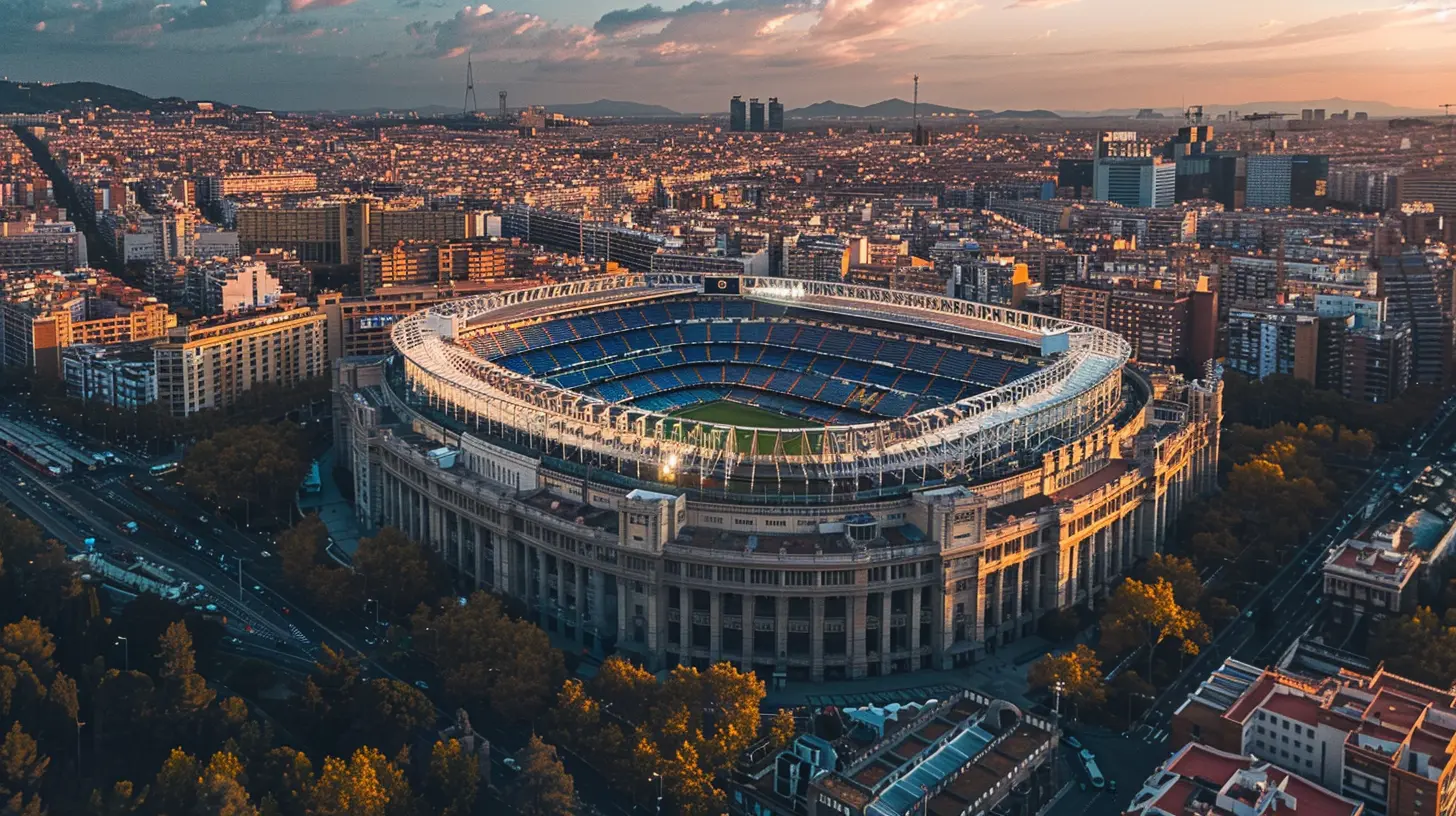
The Romance of History: Stadiums That Time Refused to Forget
Think about Fenway Park in Boston or Anfield in Liverpool. These aren't just venues; they’re cathedrals of competition. They’ve seen heartbreak, miracles, and roaring crowds that shake the very foundations beneath your feet.There's romance in rust, you know.
Old stadiums have personality. They creak, they moan, they welcome you like an old friend. They’re not perfect—and that’s the point. Like a favorite pair of sneakers, they’re worn-in and full of stories.
So how do these places thrive in a time of retractable roofs, mega screens, and luxury lounges? Let’s break it down.
1. Smart Renovations: Polishing Without Erasing
You wouldn’t slap neon paint on the Mona Lisa, right? Same logic applies to stadiums. Iconic venues smartly evolve. They get upgrades, sure, but they do it with respect.Take Wrigley Field, home of the Chicago Cubs. This place is over 100 years old, but you’d never call it outdated. Renovations have added modern perks—better seating, video boards, improved concessions—but the iconic ivy-clad outfield walls? Untouched. They’re sacred.
Stadiums that have stood the test of time understand this delicate dance. They add new features to enhance the experience, not to rewrite the script.
Key upgrades include:
- Improved accessibility
- Modern restrooms (finally!)
- Enhanced seating
- Subtle tech integrations (hello, Wi-Fi!)
- Sound system upgrades (because fans still wanna hear every cheer)
Even legends need a facelift sometimes, but they never forget who they are.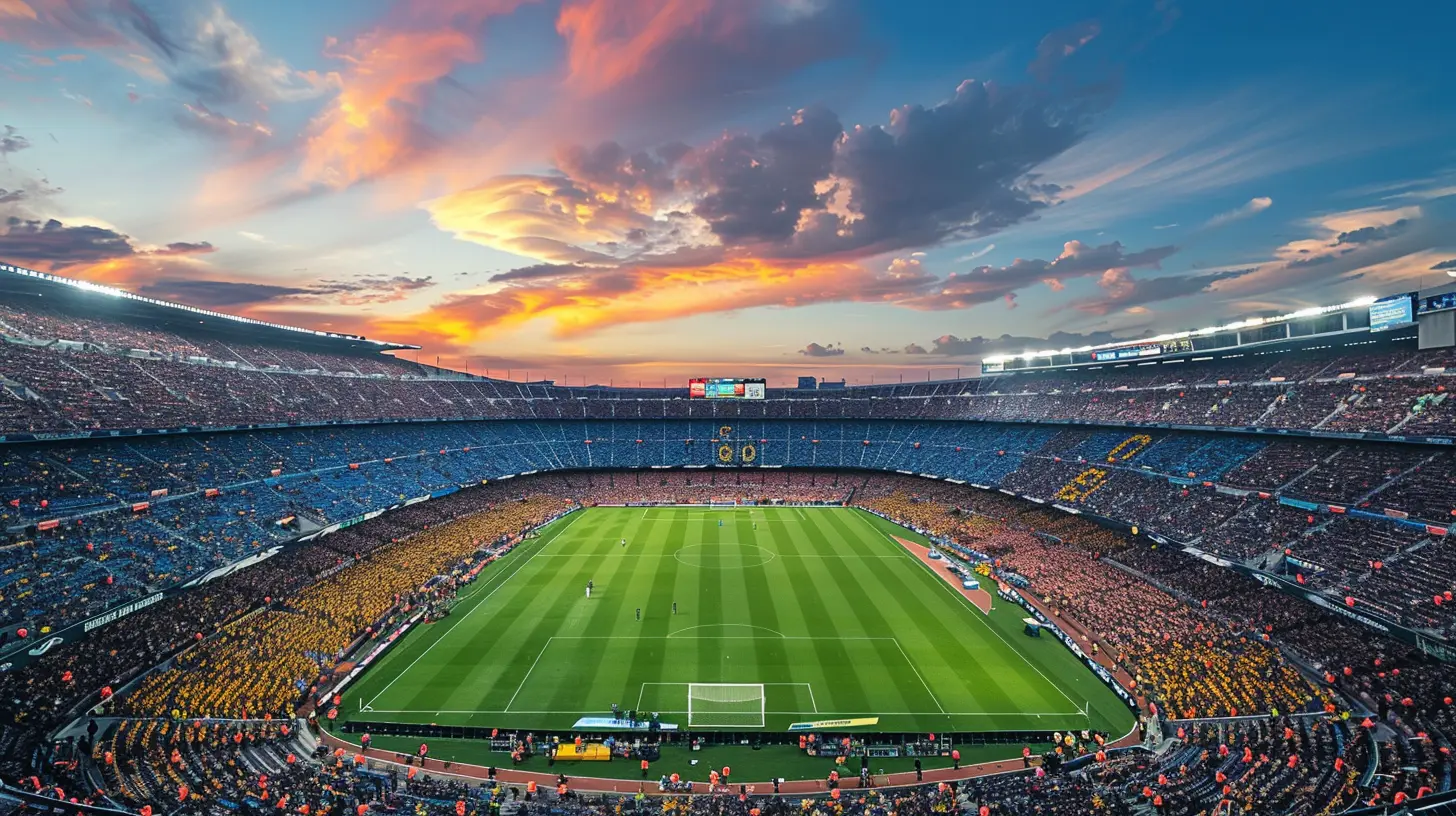
2. The Magic of Legacy: Stories Keep Spaces Alive
What gives an old stadium its heartbeat? Legacy.You can't download tradition. You can’t stream history. But you can feel it when you step into a place like the Maracanã in Rio or Camp Nou in Barcelona. These venues are soaked in legacy, and that’s not something a new arena can build overnight.
Fans don’t just attend for the sport. They come for the stories.
Each seat has a tale. Each gate, a memory. Keeping that alive is part of the magic. Stadiums now feature:
- Museums and heritage zones
- Guided historical tours
- Memorials to sports legends
- Fan-submitted memorabilia exhibits
They’re not just places to watch; they’re places to remember.
3. Embracing the Present Without Selling the Soul
It might seem like a contradiction, but it’s true—old stadiums survive by being both vintage and current. Like a classic car with a killer sound system, they blend timeless aesthetics with tech-forward elements.Think real-time replays, AR experiences, and cashless concessions. These add comfort without robbing soul.
For example:
- Old Trafford has adopted eco-friendly lighting and solar panels.
- Fenway installed LED scoreboards shaped like retro signage.
- San Siro launched interactive apps for fans to connect with club history.
They’re not trying to out-glitz the new kids on the block. Instead, they evolve on their terms. They stay classy while getting a little tech-savvy.
4. Community Ties: More Than Just Matchday
Here’s the thing—historical stadiums aren’t just homes to sports. They’re anchors of identity.They’ve been community gathering spots for generations. Weddings, protests, concerts, and public celebrations—all have unfolded beneath their beams. That deep-rooted connection gives them staying power.
Take Lambeau Field in Green Bay. Owned by the fans, literally. The stadium is the town’s pride and joy. It’s part of the local heartbeat.
Modern stadiums may have pizzazz, but many lack that pulse—the kind that comes from decades of shared emotion.
Old stadiums lean into this:
- Hosting local events and charity drives
- Offering community outreach programs
- Preserving architectural designs that reflect local culture
- Including neighborhood vendors and food stalls
When you belong to a community, you don’t become outdated—you become irreplaceable.
5. Iconic Architecture: Design That Stands the Test of Time
Let’s talk bones. Old stadiums have curves, quirks, and angles that weren’t designed by a focus group. Their uniqueness is their fingerprint.Yankee Stadium (the original) had an aura. The Rose Bowl’s architecture is instantly recognizable from aerial shots. Stade de Gerland in Lyon mixes geometry and grace.
That’s because earlier designs were about experience, not just capacity. Every nook had intent. Every entrance had character.
Modern updates don’t erase this—instead, they highlight it:
- Restoring original signage with updated lighting
- Preserving vintage seating styles in certain sections
- Using original materials for renovations where possible
- Celebrating asymmetry and flair over cookie-cutter designs
That one crooked aisle? That weird shadow at 3PM? Those aren't flaws—they're poetry.
6. Fan-Led Preservation Movements
Let’s give credit where it’s due: fans are the heartbeat behind these relics’ revival.When stadiums hit trouble, it’s not always the owners who save them—it’s the people.
Groups rally, launch petitions, even raise funds. They fight for preservation like they're defending a sibling.
Examples:
- “Save the Terrace” movements across UK football
- MLB fans fighting to preserve manual scoreboards
- Citizen-led campaigns to stop stadium demolitions
Why? Because fans know what these places mean. They’re not just structures—they’re part of the family photo album.
7. Storytelling Through Digital Platforms
Old meets new on screen.Historical stadiums have embraced storytelling using online platforms to stay relevant to newer generations. Viral content, mini-documentaries, historical highlight reels—these breathe life into brick and mortar.
Some clubs now:
- Launch podcast series about famous games
- Share “This Day in History” posts on social media
- Create immersive virtual tours for global fans
- Use QR codes around stadiums to tell snippets of backstory
History isn’t just in books anymore. It’s in your feed. And it’s working.
8. Balancing Capacity With Intimacy
One might think bigger is better. Modern stadiums boast epic capacities. But here’s the truth—bigger doesn’t always mean better.Historical venues often deliver something more valuable: intimacy. The seats are closer. The sound echoes deeper. The energy? Unmatched.
A 30,000-seat packed heritage field can feel more intense than a 100,000-seat modern monster with corporate suits and empty upper decks.
That intimacy is the spine of charm. And stadiums are doubling down on it:
- Creating standing supporter sections
- Hosting “throwback nights” with era-specific aesthetics
- Enhancing acoustics to amplify chants and cheers
It’s not about how many fans come. It’s about how connected they feel.
9. Honoring the Fans of Yesteryear
You can’t have a historic stadium without tipping your cap to the fans who filled it before you.Memorial plaques, “Wall of Fame” displays, even etched seat names—these little tokens create an emotional bridge between generations.
Some stadiums even:
- Offer tribute seats for long-time season ticket holders
- Name gates or entrances after iconic fans
- Display old ticket stubs and programs in glass cases
It reminds us that while players come and go, the fans—the soul—are forever.
10. The Emotional Edge: You Just Can’t Fake Charm
Ever walk into a new stadium and think, “Wow, it’s cool…but it doesn’t feel like home?”That’s the emotional edge historical stadiums have. You can’t buy it. You can’t architect it. You can’t force it.
It’s earned.
It’s the goosebumps before kickoff in a place where legends have walked. It’s the replay of your granddad’s voice describing that magical game from ’74. It’s the smell, the vibe, the belonging.
That’s what charm is. That’s what these cathedrals have. And that’s why they endure.
Final Whistle: Where Time Takes a Knee
So, how do historical stadiums maintain their charm in the modern era?They don't fight the future. They invite it in. But they do so on their own terms—proud, poetic, and never ashamed of their wrinkles.
They’re not just surviving. They’re thriving—because they’re rooted in something deeper than concrete and steel: memories, meaning, and magic.
Next time you step into one, take a deep breath. You’re not just watching a game.
You’re walking through time.
all images in this post were generated using AI tools
Category:
StadiumsAuthor:

Umberto Flores
Discussion
rate this article
1 comments
Tracie Fletcher
Old stadiums: where the ghosts of championships cheer in modern seats!
May 21, 2026 at 4:57 AM
Umberto Flores
That's a great way to put it! The blend of history and modernity truly creates a unique atmosphere.