How International Talent Is Reshaping Team Chemistry in 2026
13 September 2026
The modern locker room is a multilingual, multi-time-zone operation. A Premier League squad in 2026 might have players from twenty different countries. An NBA roster can feature a starting five born on four continents. A cricket franchise league assembles talent from eight cricket-playing nations in a single auction window. The question is no longer whether international talent changes team chemistry. It is how, and what smart organizations do about it.
The easy narrative says diversity automatically makes teams stronger. The cynical narrative says too many foreign players destroy cohesion. Both are wrong. Chemistry is not a function of nationality counts. It is a function of how well a group builds shared meaning, trust, and accountability under pressure. International talent reshapes the conditions for that work. It does not determine the outcome.
This article breaks down what is actually happening in 2026, why it matters, and how coaches, general managers, and players can manage the shift instead of being managed by it.
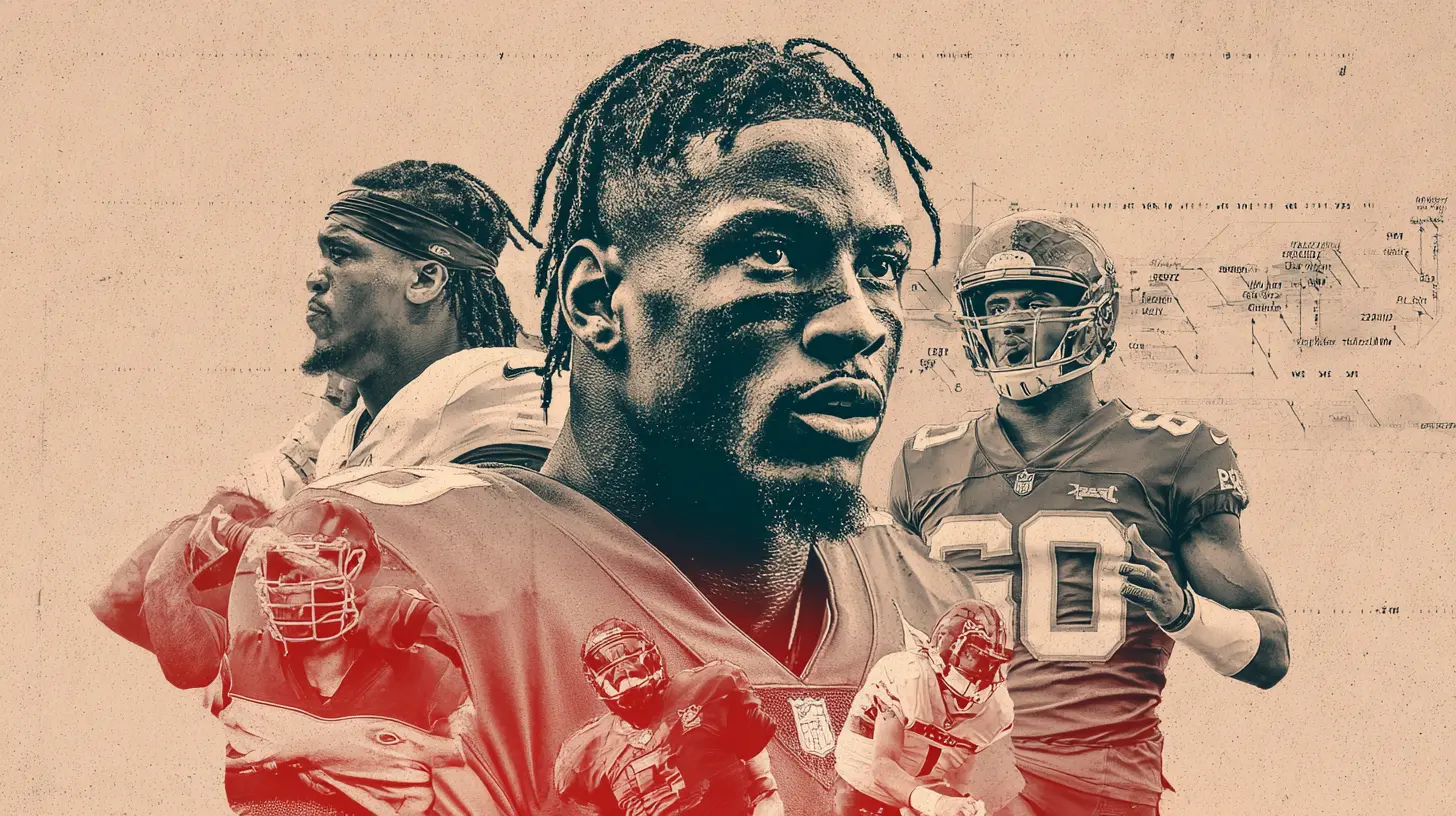
What Team Chemistry Actually Means in a Global Roster
Most people talk about chemistry as if it were a vibe. In practice, sports psychologists and performance staff usually separate it into three layers.The first is task cohesion: do players understand their roles and execute them in sync? A basketball pick-and-roll or a football press requires split-second coordination that has nothing to do with friendship.
The second is social cohesion: do players like and trust each other enough to communicate honestly? This is where language and cultural friction show up first.
The third is identity cohesion: does the group share a story about who they are and what they are trying to do? This is the hardest layer to build and the easiest to lose.
International talent affects all three, but not equally. Task cohesion can survive huge cultural gaps if the system is clear and the coaching is precise. Social cohesion is where most problems appear. Identity cohesion is where the real competitive advantage lives.
The Difference Between Diversity and Integration
Diversity is a headcount. Integration is a process. A team with twelve nationalities that eats every meal in national cliques is diverse but not integrated. A team with four nationalities that shares film sessions, social time, and honest feedback is integrated and probably more resilient.The mistake many clubs make is treating international recruitment as a talent problem only. It is a systems problem. You can sign the best player in the world and still lose the locker room if you have not built the infrastructure to integrate him.

Why 2026 Is Different From 2016
Ten years ago, international recruitment was mostly about scouting. Clubs looked for undervalued talent in smaller markets and brought it in. The cultural side was handled informally, often by a single bilingual player or a sympathetic assistant coach.In 2026, three things have changed.
First, the volume is higher. More leagues are globally competitive, more players move earlier in their careers, and more clubs recruit from a wider pool. A teenage academy prospect from Brazil or Nigeria may now spend his entire development in Europe or North America.
Second, the money is more concentrated. Salary caps, transfer rules, and franchise economics mean clubs cannot simply buy chemistry. They have to manufacture it.
Third, the data is better. Clubs now track communication patterns, language acquisition, and social network density inside the squad. What used to be gut feel is now measurable, at least partially.
The result is that international talent is no longer a novelty to be managed. It is the default condition of elite sport, and the clubs that treat integration as a core competency are the ones that win consistently.
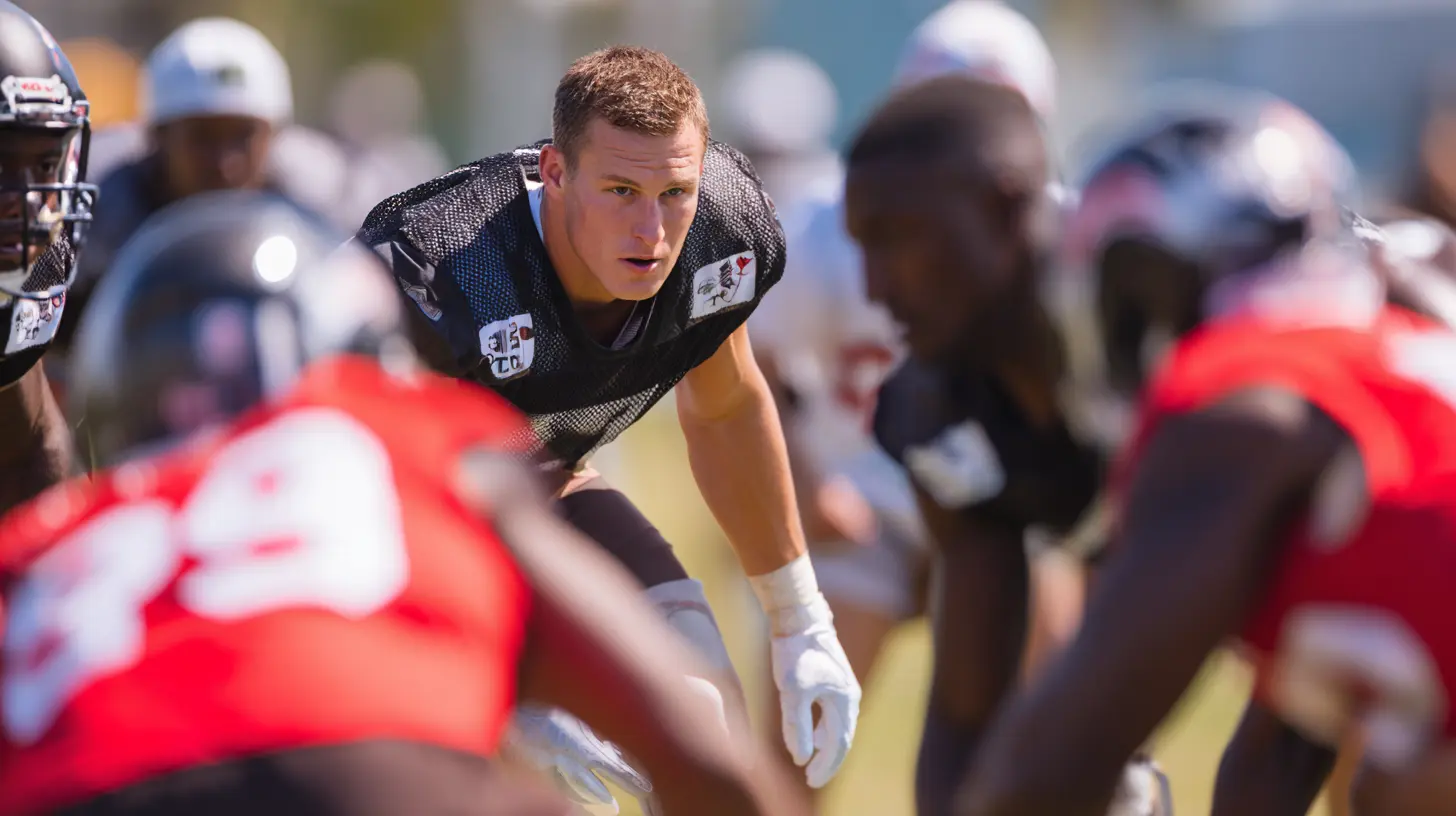
The Real Friction Points
It helps to be specific. International rosters create friction in predictable places.Language Is Not One Problem, It Is Three
Language friction comes in three layers. The first is vocabulary: understanding tactical terms like "switch," "drop," or "counter-press." The second is fluency under stress: speaking clearly when tired, angry, or confused. The third is humor and nuance: reading sarcasm, teasing, and indirect feedback.Most clubs handle the first layer with translation apps and bilingual coaches. The second layer is harder and requires deliberate rehearsal in high-pressure situations. The third layer is almost never addressed, and it is the one that determines whether a player feels truly part of the group.
A player who understands every word in a team meeting can still feel isolated if he cannot tell when a teammate is joking. That isolation erodes social cohesion over months, not days.
Direct and Indirect Communication Styles
Cultures differ in how directly they give feedback. A coach who uses blunt, public criticism may motivate players from some backgrounds and humiliate players from others. Neither response is wrong. They are learned.The practical implication is that a single communication style cannot serve a twenty-nationality squad. Coaches in 2026 need a repertoire, not a default. Some players need the message in private first. Some need it in front of the group. Some need it written. Some need it demonstrated.
This is not about being soft. It is about being effective. A message that does not land is not a message.
Time, Hierarchy, and Authority
Attitudes toward punctuality, hierarchy, and questioning authority vary widely. In some sporting cultures, a young player never challenges a veteran. In others, the loudest voice in the room wins regardless of age.When these expectations collide, the result is often misread as attitude problems. A player who seems distant may be respecting a hierarchy the coach does not recognize. A player who seems disrespectful may be following a norm where direct disagreement is normal.
The fix is not to erase cultural differences. It is to make the team's operating rules explicit. What is non-negotiable (lateness, effort, honesty) and what is flexible (how you express frustration) should be stated clearly and repeated often.
Family, Religion, and Calendar
International players often have family obligations, religious practices, and national team commitments that do not fit a standard club calendar. A squad that ignores these realities builds resentment. A squad that accommodates them thoughtfully builds loyalty.This does not mean every request can be granted. It means the process should be transparent and consistent. Players accept hard rules. They resist arbitrary ones.

What Good Integration Looks Like
The clubs that handle international rosters well tend to share a set of practices. None of them are exotic. All of them require discipline.Onboarding Is a Season-Long Process
The first two weeks matter, but they are not enough. Effective clubs run integration as a twelve-month arc: arrival support, language support, cultural orientation, social inclusion, and periodic check-ins. The check-ins are the part most clubs skip. They are also the part that catches problems early.Language Learning Is Structured, Not Optional
The best programs treat language like conditioning. It is scheduled, tracked, and expected. Group classes reduce embarrassment because everyone is a beginner together. Immersion is encouraged. Progress is celebrated publicly.Crucially, the burden is shared. Local players are expected to learn a few phrases in their teammates' languages too. This signals respect and flips the dynamic from "adapt to us" to "we are building something together."
Bilingual Bridge Players Are Identified and Supported
Every successful international squad has a few players who naturally bridge groups. They translate, they invite, they defuse. These players are often undervalued in contracts and squad planning. They should not be. Their contribution to chemistry is real and measurable in results.Social Time Is Designed, Not Left to Chance
Free time does not automatically produce bonding. Players often default to familiar groups. Coaches and captains who design shared experiences, from meals to travel rituals to off-day activities, create the conditions for cross-group friendships to form.This should not feel forced. The goal is repeated, low-stakes contact, not mandatory fun.
The Trade-Offs Nobody Wants to Discuss
Integration is not free. It costs time, money, and sometimes short-term performance.Short-Term Pain, Long-Term Gain
A newly assembled international squad will usually underperform its talent level for the first few months. Patterns are not automatic. Trust is not built. Coaches who panic and revert to a familiar core may win a few extra games now and lose the season later.The discipline is to hold the line on the process while managing expectations honestly with ownership and fans.
Homogeneity Is Not the Answer
Some clubs respond to integration problems by recruiting from a narrower pool. This can work in the short term. It also caps the talent ceiling and creates its own blind spots. A team that only recruits from one pipeline will eventually be outcompeted by a team that recruits globally and integrates well.Star Power Can Distort the Room
When a club signs a global star, the chemistry dynamics change. Other players may defer too much or resent the attention. The star's own adjustment to a new culture is often overlooked because everyone assumes he is fine. He may not be.Managing this requires direct conversation, clear role definition, and a captain or coach who can hold the star accountable without creating a crisis.
Practical Playbook for Coaches and Executives
If you are responsible for a roster with significant international representation, these are the moves that matter most.1. Define your team's operating principles in writing. What is non-negotiable? What is flexible? Share it in multiple languages.
2. Invest in language support as a performance tool, not a courtesy. Budget it, schedule it, and track it.
3. Train your staff in cross-cultural communication. Assistants and analysts interact with players constantly. They need the same skills as the head coach.
4. Identify and reward bridge players. Pay attention to who connects the room, not just who scores.
5. Build feedback loops. Anonymous surveys, one-on-one check-ins, and exit interviews reveal problems before they become crises.
6. Be consistent. Players from any culture can tolerate hard rules. They cannot tolerate rules that change based on who is asking.
7. Protect the process during losing streaks. Chemistry is built in adversity, not in comfort.
Common Mistakes and Misconceptions
A few myths deserve direct correction.The myth that "good players figure it out." Talent does not automatically integrate. Systems do.
The myth that "one bad apple ruins the room." Usually the room fails the player before the player fails the room. Isolation, unclear expectations, and unmet needs are more common causes than attitude.
The myth that "English is enough." English may be the working language, but it is rarely the emotional language. Players need a way to express frustration and humor in a language they feel, not just one they speak.
The myth that chemistry is intangible. It is hard to measure, but it is not mystical. Communication frequency, social network density, and language acquisition are all observable.
What This Means for Players
If you are a player moving to a new country, the burden is not entirely on the club. The players who adapt fastest tend to do a few things deliberately.They learn the working language early, even badly. They ask questions instead of guessing. They accept that some social cues will take months to read. They build one or two close relationships before trying to win over the whole room. They communicate their needs, whether about family, faith, or food, before those needs become problems.
Humility accelerates integration. So does curiosity.
What This Means for the Future
The trend is not reversing. Rosters will keep globalizing. Leagues will keep expanding. The clubs that treat integration as a competitive discipline, not a compliance box, will have a structural advantage.The interesting question for 2026 and beyond is whether integration becomes a measurable part of player evaluation and coaching assessment. Some organizations are already moving that way. Others are still relying on instinct.
The ones that get it right will not just have better locker rooms. They will have better teams.
all images in this post were generated using AI tools
Category:
Preseason AnalysisAuthor:

Umberto Flores
Discussion
rate this article
2 comments
Ashira Gilbert
International talent is revolutionizing team dynamics in 2026. Fresh perspectives and diverse skills create a stronger, more adaptable team environment. Embracing this global approach is key to fostering innovation and maximizing performance on and off the field.
September 25, 2026 at 10:24 AM
Umberto Flores
Absolutely! The infusion of international talent is crucial for evolving team chemistry. Diverse perspectives not only enhance adaptability but also drive innovation, making teams more competitive than ever.
Ashley Griffin
International players bring fresh dynamics, boosting teamwork and on-field chemistry.
September 22, 2026 at 10:29 AM
Umberto Flores
Absolutely, the diverse experiences and perspectives of international players can really enhance collaboration and understanding on the field.