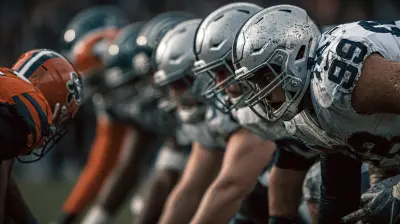
How Motion Capture Is Taking Over Athlete Development Programs
11 November 2026
In the world of sports, where every fraction of a second counts and every movement can make a difference, the integration of technology into athlete development programs has become paramount. Motion capture technology stands at the forefront of this revolution, offering insights that were once unimaginable. This article delves into how motion capture is reshaping athlete development, its benefits, best practices, and considerations for implementation.
Understanding Motion Capture Technology
What is Motion Capture?
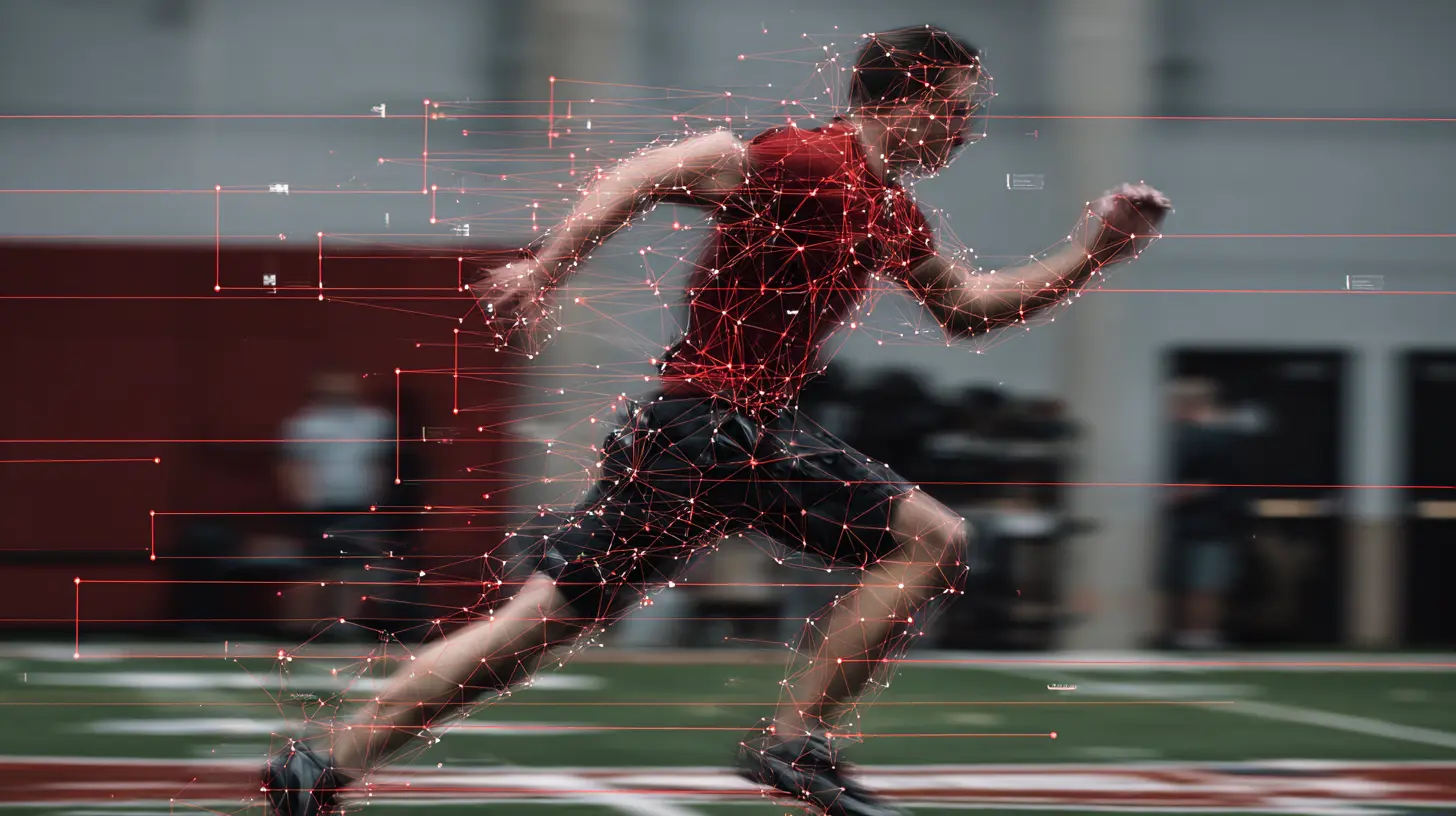
Motion capture, often abbreviated as MoCap, is a technology that records the movement of objects or people. In sports, this typically involves tracking an athlete's movements through sensors placed on their body or using cameras to capture their motion in real-time. The data collected can then be analyzed to assess performance, identify strengths and weaknesses, and inform training regimens.How Does It Work?
Motion capture systems generally use either optical or inertial technology. Optical systems involve cameras that track reflective markers placed on the athlete's body. Inertial systems use sensors that capture the motion data without the need for external cameras. Each method has its advantages and disadvantages, but both provide valuable insights into athletic performance.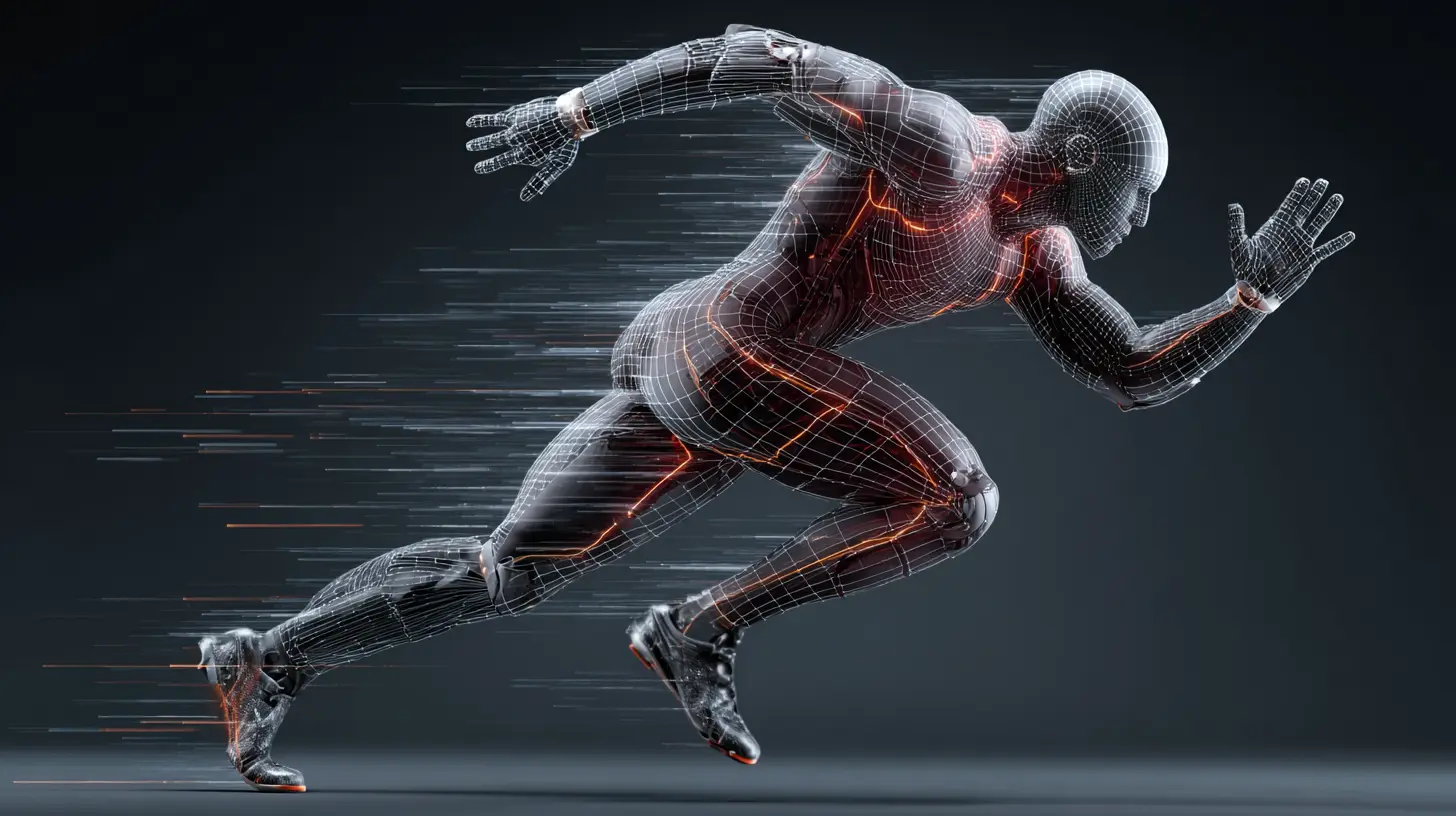
The Benefits of Motion Capture in Athlete Development
Enhanced Performance Analysis
One of the primary advantages of motion capture is its ability to provide precise and objective performance analysis. Coaches and trainers can analyze an athlete's biomechanics in detail, identifying areas for improvement that might not be visible to the naked eye. For instance, a sprinter's stride length and frequency can be measured accurately, allowing for tailored training adjustments.Injury Prevention
Motion capture is instrumental in injury prevention. By analyzing an athlete's movement patterns, coaches can identify potentially harmful biomechanics that could lead to injuries. For example, excessive pronation in a runner's stride can be detected early, allowing for corrective measures before an injury occurs. This proactive approach not only keeps athletes on the field but also saves teams significant medical costs.Personalized Training Programs
Every athlete is unique, and motion capture technology allows for the creation of highly personalized training programs. By understanding an athlete's specific movement patterns, trainers can develop tailored exercises that address individual strengths and weaknesses. This personalization leads to more effective training and improved performance over time.Real-Time Feedback
With advancements in motion capture technology, athletes can receive real-time feedback during training sessions. Instantaneous data allows athletes to make immediate adjustments to their technique, fostering a deeper understanding of their movements. This immediate feedback loop enhances learning and accelerates skill acquisition.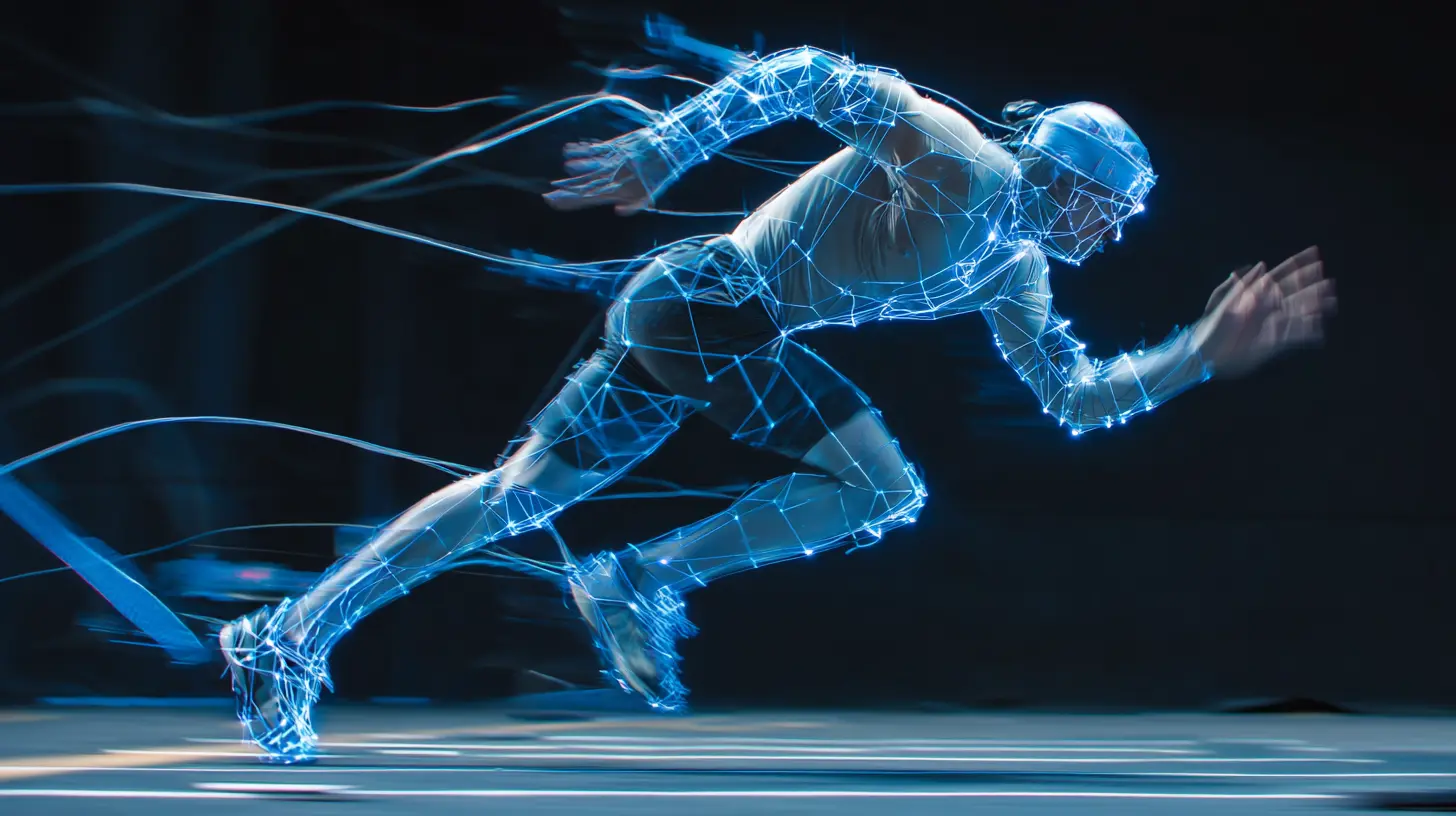
Implementing Motion Capture in Athlete Development Programs
Choosing the Right System
When considering motion capture technology, it's essential to choose the right system based on the specific needs of the athlete or team. Optical systems, while highly accurate, can be expensive and require a controlled environment. Inertial systems, on the other hand, are more portable and versatile, making them suitable for various training settings. Teams must weigh the pros and cons of each system and consider factors such as budget, space, and intended use.Integrating Motion Capture into Training
Once a system is chosen, the next step is integration into training programs. This involves training coaches and athletes on how to use the technology effectively. It's crucial that coaches understand how to interpret the data and translate it into actionable insights. athletes should be educated on the importance of the technology and how it can benefit their performance.Creating a Feedback Loop
To maximize the benefits of motion capture, it's vital to establish a feedback loop between the data collected and the training adjustments made. This means regularly reviewing motion capture data, discussing findings with athletes, and adjusting training programs accordingly. Consistent evaluation ensures that athletes are always progressing and that their training remains relevant.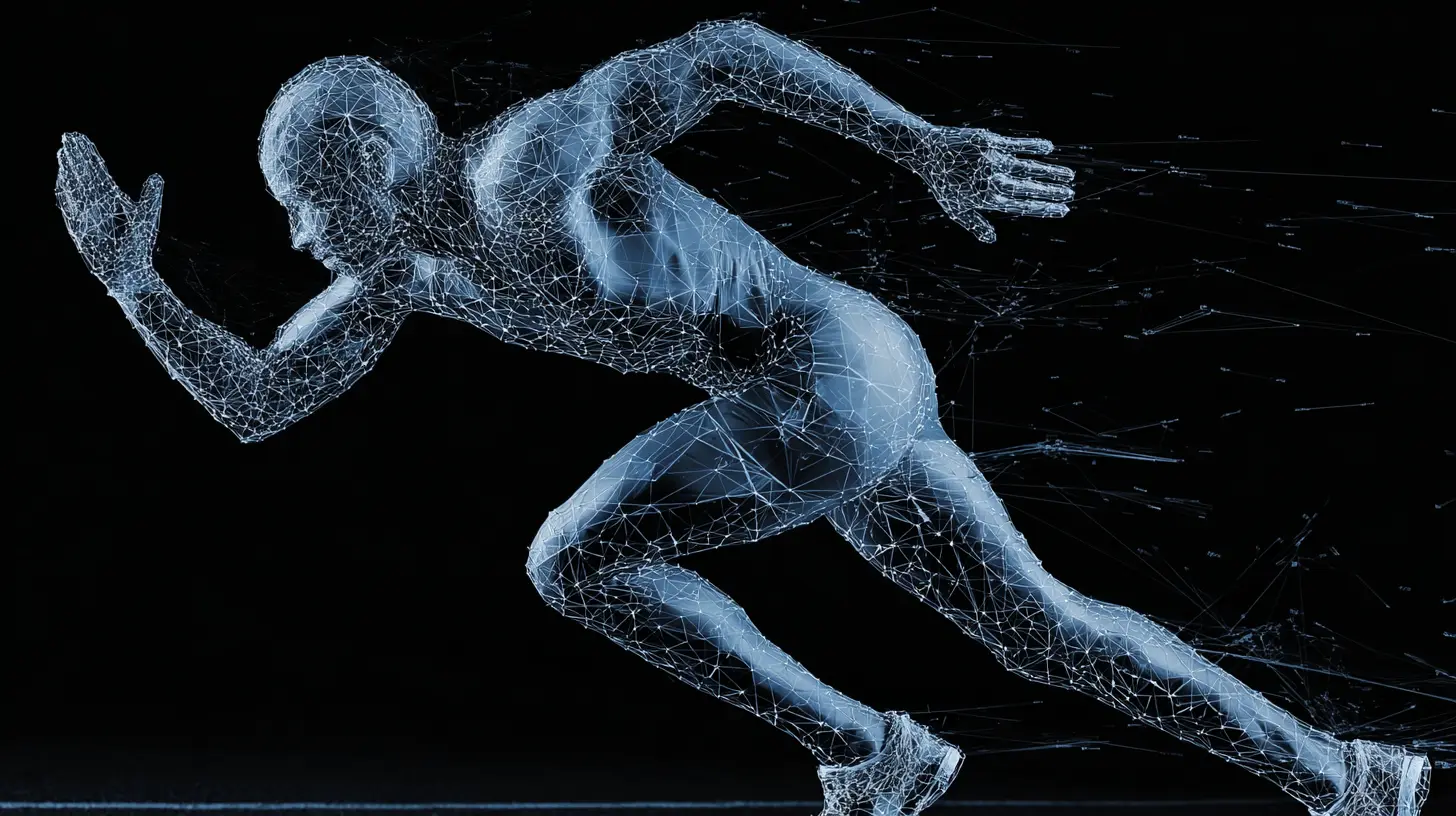
Common Misconceptions About Motion Capture
It's Only for Elite Athletes
One common misconception is that motion capture technology is only beneficial for elite athletes. In reality, athletes at all levels can benefit from this technology. Whether a youth athlete or a seasoned professional, understanding biomechanics can enhance performance and reduce injury risk.Motion Capture Replaces Coaches
Another misconception is that motion capture technology replaces the need for coaches. While the data provided by motion capture is invaluable, it does not replace the human element of coaching. Coaches play a crucial role in interpreting data, providing motivation, and fostering a supportive environment for athletes.The Data is Always Accurate
While motion capture technology is advanced, it is not infallible. Factors such as marker placement, environmental conditions, and athlete fatigue can affect data accuracy. Coaches and athletes should be aware of these limitations and consider motion capture data as one piece of a larger puzzle in athlete development.Best Practices for Using Motion Capture
Start Small
For teams or organizations new to motion capture, it can be beneficial to start small. Begin by focusing on one aspect of performance, such as running mechanics or swing analysis. Once the team becomes comfortable with the technology, it can be expanded to cover additional areas.Regularly Review and Update Training Programs
As athletes progress, their training programs should evolve. Regularly reviewing motion capture data and updating training regimens ensures that athletes continue to develop and improve. This adaptability is key to long-term success.Foster Open Communication
Encouraging open communication between coaches and athletes about motion capture findings is essential. Athletes should feel comfortable discussing their experiences and any concerns they may have regarding the technology. This dialogue fosters trust and enhances the overall effectiveness of training.
Real-World Examples
Case Study: A College Track Team
A college track team implemented motion capture technology to analyze their sprinters. By focusing on stride mechanics, the coaching staff identified that a few athletes were overstriding, which could lead to injuries. With targeted training interventions based on motion capture data, the team saw a significant reduction in injury rates and improved race times.Case Study: A Professional Baseball Team
A professional baseball team used motion capture to analyze their pitchers' mechanics. The data revealed that one pitcher had a slight imbalance in their delivery, which could lead to shoulder injuries. By adjusting their training to address this imbalance, the team not only extended the pitcher's career but also enhanced their performance on the mound.Trade-Offs and Considerations
Cost vs. Benefit
Implementing motion capture technology can be costly. Teams must consider whether the potential benefits outweigh the financial investment. Smaller organizations may find it challenging to allocate funds for such technology, while larger programs may view it as an essential tool for competitive advantage.Time Investment
Using motion capture effectively requires a time investment for both coaches and athletes. Coaches must spend time analyzing data and adjusting training programs, while athletes need to dedicate time to training sessions that incorporate motion capture feedback. Balancing this time commitment with other training demands is crucial for success.Potential for Over-Reliance
There is a risk of over-relying on technology at the expense of fundamental coaching principles. While motion capture provides valuable insights, it should complement, not replace, traditional coaching methods. Coaches should maintain a holistic approach to athlete development, integrating technology with personal interaction and mentorship.
Conclusion
Motion capture technology is undeniably transforming athlete development programs. By providing detailed insights into biomechanics, it enhances performance analysis, aids in injury prevention, and supports personalized training. While there are challenges and considerations in its implementation, the potential benefits are significant. As technology continues to evolve, its role in sports will only grow, making it an essential tool for coaches and athletes alike.
all images in this post were generated using AI tools
Category:
Sports TechnologyAuthor:

Umberto Flores
Discussion
rate this article
1 comments
Orionis Vasquez
Motion capture is revolutionizing athlete development. It offers precise data that enhances training, identifies weaknesses, and optimizes performance. Coaches who embrace this technology will gain a competitive edge, ensuring their athletes reach their full potential. The future of training starts now.
November 11, 2026 at 6:02 AM