New Rule Implementations and Their Preseason Impact in 2026
24 September 2026
Every rule change arrives with a promise and a problem. The promise is usually safety, pace, or fairness. The problem is that nobody knows how the change will actually behave until players, coaches, and officials stress-test it against live competition. Preseason is where that stress test happens, and in 2026, several rule implementations are reshaping how teams prepare in ways that go well beyond the rulebook itself.
This article breaks down what is changing, why it matters, and how smart organizations are adapting before the games start counting.
Why Preseason Is the Real Laboratory for Rule Changes
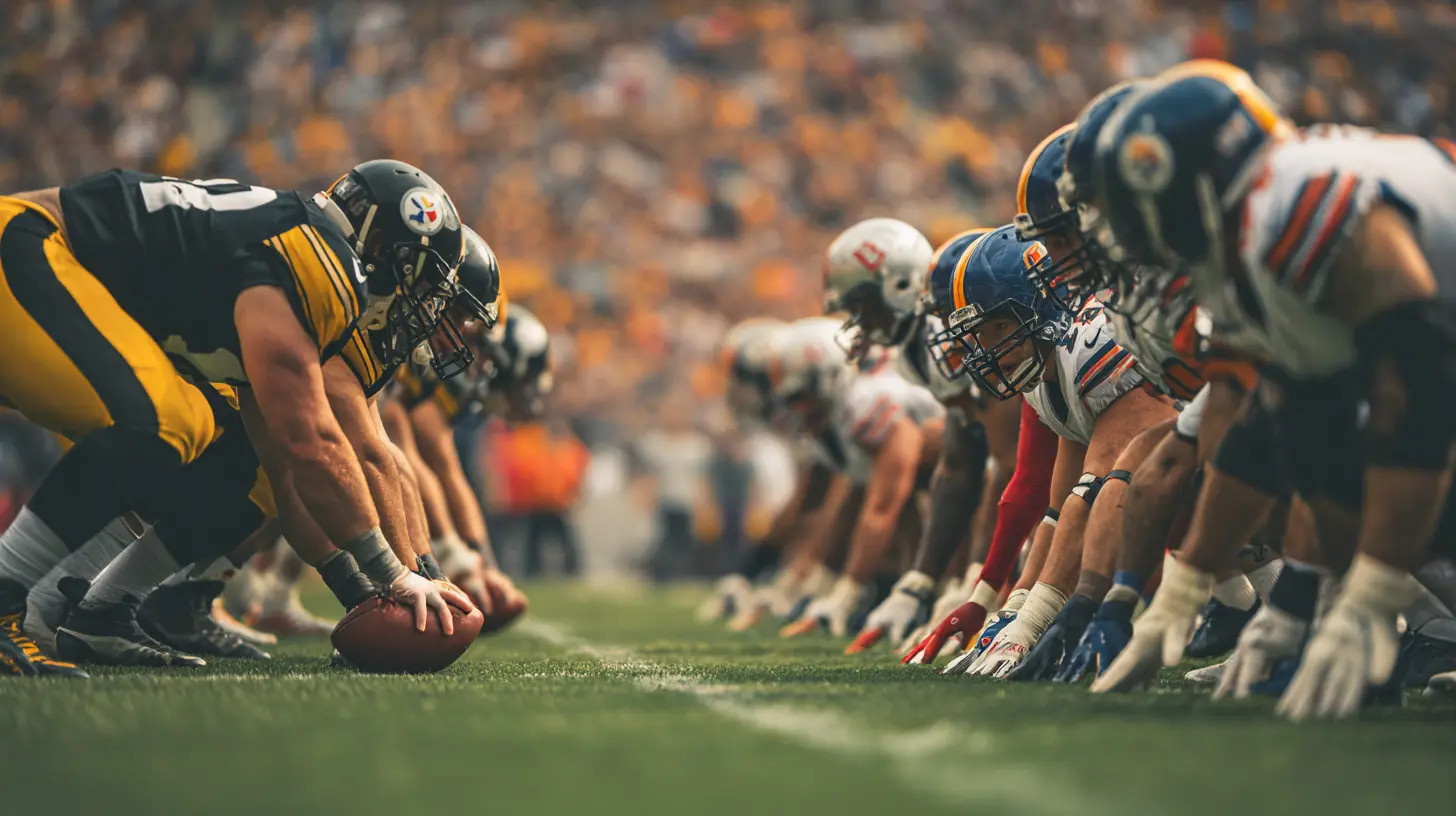
Rule changes are written in committee rooms but validated on practice fields. The gap between intent and execution is where preseason value lives. A rule designed to reduce collisions can accidentally create hesitation. A rule designed to speed up play can create confusion at the margins. Coaches who treat preseason as a compliance exercise rather than a strategic opportunity tend to lose the first month of the season.The teams that gain an edge are the ones that ask three questions early:
1. What behavior does this rule actually incentivize, not what was intended?
2. Which player archetypes gain or lose value because of it?
3. How will officials enforce it in real time, and how consistent will that enforcement be?
Those questions drive roster decisions, practice design, and in-game strategy. They also expose a hard truth: rule changes rarely affect all teams equally. A rule that helps a deep, disciplined roster can hurt a thin, aggressive one.

The 2026 Rule Landscape: What Is Actually Changing
Without pretending every league follows the same script, the 2026 cycle reflects a broader pattern across major sports: tighter control over contact, faster restarts, expanded technology assistance, and stricter sideline and bench conduct. The specifics vary by league, but the categories are consistent.Contact and Safety Rules
Contact rules continue to migrate toward protecting the head, neck, and lower extremities. The practical effect in preseason is a spike in flags during early practices and scrimmages, followed by a gradual correction as players recalibrate their targeting zones. The most common mistake is assuming the rule only affects defenders. It also affects ball carriers, receivers running routes over the middle, and linemen engaged at the second level.Pace of Play and Restart Rules
Faster restarts, tighter play clocks, and reduced stoppages are designed to compress game time. In preseason, this shows up as conditioning problems. Teams that script long, slow drives in practice often look gassed in the fourth quarter of exhibition games because the actual tempo is higher than what they rehearsed.Technology and Officiating Support
Expanded replay assistance and automated officiating tools change how coaches manage challenges and timeouts. The preseason impact is subtle but real: coaching staffs must decide in advance which plays are worth challenging and which are not, because the margin for error has shrunk.Bench and Sideline Conduct
Stricter enforcement of bench decorum and sideline positioning affects substitution patterns and communication. Coaches who historically relied on sideline proximity to relay instructions are now training alternate signal systems.
How Rule Changes Reshape Roster Construction
Rule changes are roster changes in disguise. When a rule penalizes a specific technique, the players who depend on that technique lose value. When a rule rewards a skill, that skill becomes a priority in evaluation.Consider a safety rule that limits how and where a defender can initiate contact. A veteran known for punishing hits may suddenly be a liability if he cannot adjust his target zone. Meanwhile, a younger, more disciplined defender with better spatial awareness becomes more valuable even if he lacks highlight-reel power.
This is why preseason evaluation should never be purely about performance. It should be about performance under the new rules. A player who dominates in drills but collects penalties in scrimmages is not dominating. He is costing the team field position.
Positions That Gain Value
- Players with strong technique and body control- Specialists who thrive in compressed, fast-decision environments
- Communicators who can relay instructions without sideline access
Positions That Lose Value
- Players whose game depends on techniques now penalized- Veterans slow to unlearn habits built over a decade
- Depth players who cannot adapt to multiple roles
The takeaway is blunt: roster decisions made before the rules are tested in live conditions are guesses. Decisions made after are informed bets.
Practice Design: Building Drills That Match the New Reality
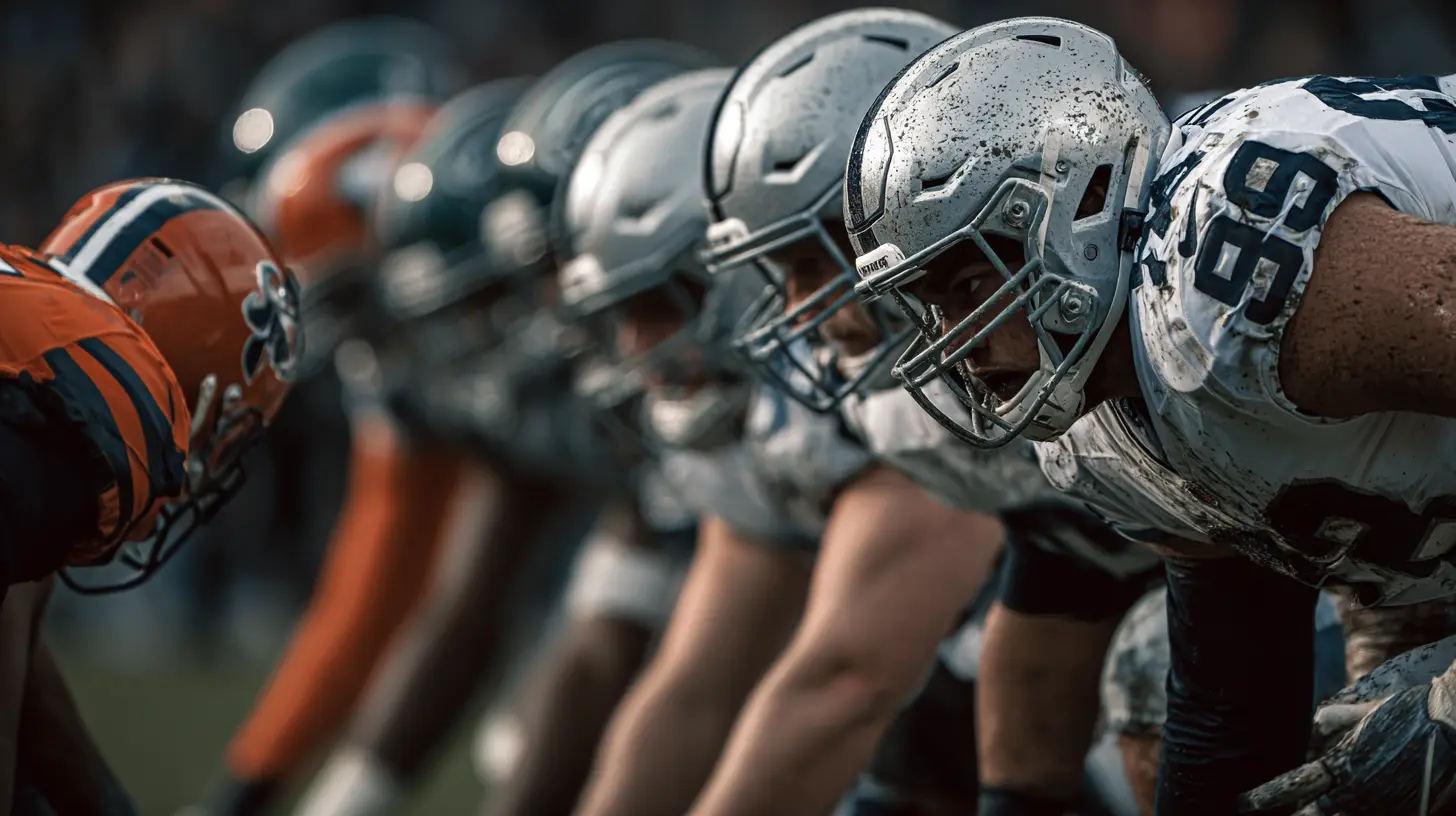
The worst preseason mistake is running the same practice plan as last year and hoping the rules sort themselves out. They will not. Practice must simulate the new constraints, or players will learn the wrong habits at exactly the wrong time.Drill Design Principles
First, isolate the rule. If the change involves contact targeting, run drills where defenders must initiate contact within a defined zone. Use slow motion, then full speed. The goal is not punishment. It is pattern recognition.Second, add consequence. Players learn faster when a penalty costs something in practice, whether that is a sprint, a lost rep, or a reset of the drill. Consequence turns a rule into a habit.
Third, vary the official. If possible, use multiple officials during preseason scrimmages. Different officials interpret rules differently, and players need exposure to that variance before it costs them in a real game.
Common Mistakes in Preseason Practice
- Overcorrecting. Teams that panic and drastically change everything often lose their identity.- Undercoaching. Assuming veterans will adjust on their own is a recipe for early-season penalties.
- Ignoring special teams. Rule changes frequently hit kicking, returns, and coverage harder than offense or defense.
- Neglecting conditioning. Faster play demands better conditioning, and conditioning is built in preseason, not Week 1.
Officiating Consistency: The Variable Nobody Controls
Here is the uncomfortable truth about rule implementations: enforcement is not uniform. Officials are human, and even with technology assistance, interpretation varies by crew, by game situation, and by the point in the season.Preseason is the only window where coaches can gather data on how crews are calling the new rules. Smart staffs track penalties by crew, by situation, and by player. They build a probability model, even informally, of when a flag is likely.
This matters for strategy. If a crew is calling contact rules tightly, a coach might lean toward a more conservative game plan. If a crew is letting players play, the same coach might dial up aggression. Neither approach is universally right. The right approach depends on the crew.
What to Track in Preseason
- Penalty frequency by rule category- Which players are flagged most often
- Whether flags cluster in specific game situations
- How replay assistance affects overturned calls
This data is gold in September. Teams that ignore it are flying blind.
Strategic Trade-Offs: Aggression Versus Discipline
Every rule change forces a trade-off between aggression and discipline. Aggressive play wins games, but undisciplined aggression loses them. The new rules push that balance in a specific direction, and coaches must decide how far to lean.Take a rule that penalizes late contact. A defense that plays with edge and physicality may generate more turnovers but also more penalties. A defense that plays clean may avoid flags but surrender yards after contact. There is no free lunch.
The best approach is situational. On early downs, discipline matters more because penalties create manageable second and third downs for the opponent. On obvious passing downs, aggression may be worth the risk because a penalty costs less than a completed pass.
This is not a new idea. What is new is that the 2026 rules make the calculus sharper. The margin between a clean hit and a flag is thinner than it used to be.
Player Development: Teaching New Habits Without Breaking Old Ones
Habits are hard to change, especially for players who have succeeded with techniques that are now penalized. The preseason challenge is to retrain those habits without stripping away the instincts that made the player effective in the first place.The best method is incremental. Start with awareness. Show players film of the new rule and how it is being called. Then move to controlled drills. Then to live reps. Rushing this process creates hesitation, and hesitation is worse than aggression because it leads to half-committed plays and injuries.
A Practical Progression
1. Classroom: rule explanation and film study2. Walkthrough: slow-speed positioning and decision-making
3. Controlled drill: full speed with defined constraints
4. Live scrimmage: full speed with officials
5. Game simulation: full speed with consequences
Each step builds on the last. Skipping steps creates gaps that show up in games.
Special Teams: The Hidden Pressure Point
Rule changes often hit special teams hardest because special teams involve high-speed collisions, tight spaces, and players who are already on the roster bubble. A rule that limits blocking techniques or return lanes can eliminate entire schemes overnight.In preseason, special teams coordinators must test new schemes against live coverage. The failure rate is high early, and that is fine. What is not fine is sticking with a scheme that clearly does not work under the new rules because it worked last year.
The best special teams units in 2026 will be the ones that treat preseason as a design sprint, not a rehearsal.
Technology and the Coaching Adjustments It Demands
Expanded technology assistance changes how coaches manage games. Replay support that was once limited to certain plays may now cover more situations. Automated officiating may reduce certain errors but introduce new ones.The preseason adjustment is about communication. Who decides to challenge? How quickly? What information is available on the sideline? These questions must be answered before the season, not during it.
Teams that practice challenge decisions in preseason scrimmages gain a real advantage. Teams that wing it lose timeouts and momentum.
Common Misconceptions About Rule Changes
Misconception 1: Rule changes affect all teams equally. They do not. They affect teams based on scheme, roster construction, and coaching philosophy.Misconception 2: Veterans adjust automatically. Some do. Many do not. Experience can be a disadvantage when it is built on habits that are now penalized.
Misconception 3: Preseason results do not matter. Preseason wins and losses do not matter. Preseason data matters enormously.
Misconception 4: Officials will call it the same way all season. Enforcement evolves. What is a flag in September may be a warning in December.
Best Practices for Coaches and Analysts
- Start early. Rule implementation begins the day the rule is announced, not the first day of camp.- Use data. Track penalties, enforcement patterns, and player performance under the new rules.
- Communicate clearly. Players need to know what is expected and why.
- Stay flexible. Rules are interpreted differently over time. Adjust accordingly.
- Prioritize discipline without killing aggression. The goal is controlled intensity, not passivity.
What to Watch as the Season Begins
The first four weeks of the season will reveal which teams actually prepared and which teams just talked about preparing. Watch for penalty rates, tempo, substitution patterns, and how coaches manage challenges. These are the visible signals of preseason work.The teams that treated preseason as a laboratory will look composed. The teams that treated it as a formality will look confused. The difference will show up in the standings.
Final Thoughts
Rule implementations are not just rule changes. They are strategic disruptions. They shift value between player types, force coaching adjustments, and create opportunities for teams willing to adapt faster than their competitors.The 2026 preseason is not about learning the rules. It is about mastering them. The teams that do will have an edge that lasts long after the opening whistle.
all images in this post were generated using AI tools
Category:
Preseason AnalysisAuthor:

Umberto Flores