What Fans Should Watch for During the 2026 Preseason
18 October 2026
Preseason football is easy to dismiss. The scores do not count, the stars often play a series or two, and the games can feel like controlled scrimmages with television cameras. That attitude misses the point. For fans who watch closely, the 2026 preseason offers a rare window into how a team actually works: how coaches make decisions under uncertainty, how young players respond to pressure, and how rosters take shape before the real games begin.
This guide is written for the fan who wants more than highlights. It breaks down what matters, what is noise, and how to read the signals that show up in August and early September. The 2026 preseason carries some specific storylines worth tracking, from the continued development of second and third year quarterbacks to roster rules that shape how teams manage depth. But the core skill is timeless: knowing where to look.
Why the Preseason Still Matters
The first thing to understand is that preseason games are a job interview, not a performance. Coaches are evaluating players in situations they can control. That changes how you should watch. A quarterback who throws for 200 yards in the first half may be facing backups who will be on practice squads by September. A rookie who struggles early may be getting a deliberately difficult assignment to test his response to adversity.Preseason also matters because it is the last chance for teams to make decisions that echo through the season. Final roster cuts, practice squad construction, and the identification of emergency depth all happen in this window. When a team keeps four running backs instead of three, or carries an extra offensive lineman, that decision often traces back to what coaches saw in August.
There is also a fan experience argument. Preseason is cheap, accessible, and relaxed. It is a good time to take a family to a game, to see a stadium without the intensity of a playoff race, and to watch players who are genuinely fighting for their careers. That human element is worth appreciating.
The 2026 Context: What Is Different This Year
Every preseason has its own backdrop. For 2026, several themes stand out, and fans should keep them in mind as they watch.Quarterback Development Across the League
The 2026 season features a wave of young quarterbacks entering their second or third year, a stage that often determines whether a player becomes a franchise cornerstone or a transitional option. Preseason is where you can see mechanical changes, improved footwork, and faster decision making, or the lack of them. Watch how quickly a young quarterback gets through his progressions and whether he is willing to throw into tight windows rather than checking down immediately.Offensive Line Continuity
Offensive line play is the hardest thing to evaluate in preseason because communication matters more than individual talent. Teams use the preseason to test combinations, especially at center and guard, where calls and protections must be synchronized. If a team shuffles its line in the first two games and settles on a group in the third, that is usually a sign the coaching staff is still searching for answers. That is a real concern, not a formality.New Coaching Staffs and Scheme Installations
Several teams enter 2026 with new coordinators or revised systems. Preseason is the first public look at how those systems function against live opponents. Be cautious about drawing conclusions from a single game, but pay attention to tendencies: does the new offense use motion at the snap, how often does it play with tempo, and does the defense disguise coverage or line up plainly? These patterns reveal the coordinator's philosophy more reliably than results do.Rule and Roster Mechanics
Roster rules and practice squad sizes shape how teams approach the preseason. Fans do not need to memorize every bylaw, but understanding that teams must balance developmental players against immediate needs helps explain why a promising rookie might be cut or why a veteran gets limited snaps. When you see a surprising roster decision, ask what constraint the team was working under.
How to Watch a Preseason Game Like an Evaluator
Most fans watch the ball. Evaluators watch everything else. Here is a practical framework you can apply to any preseason game.Watch the Trenches First
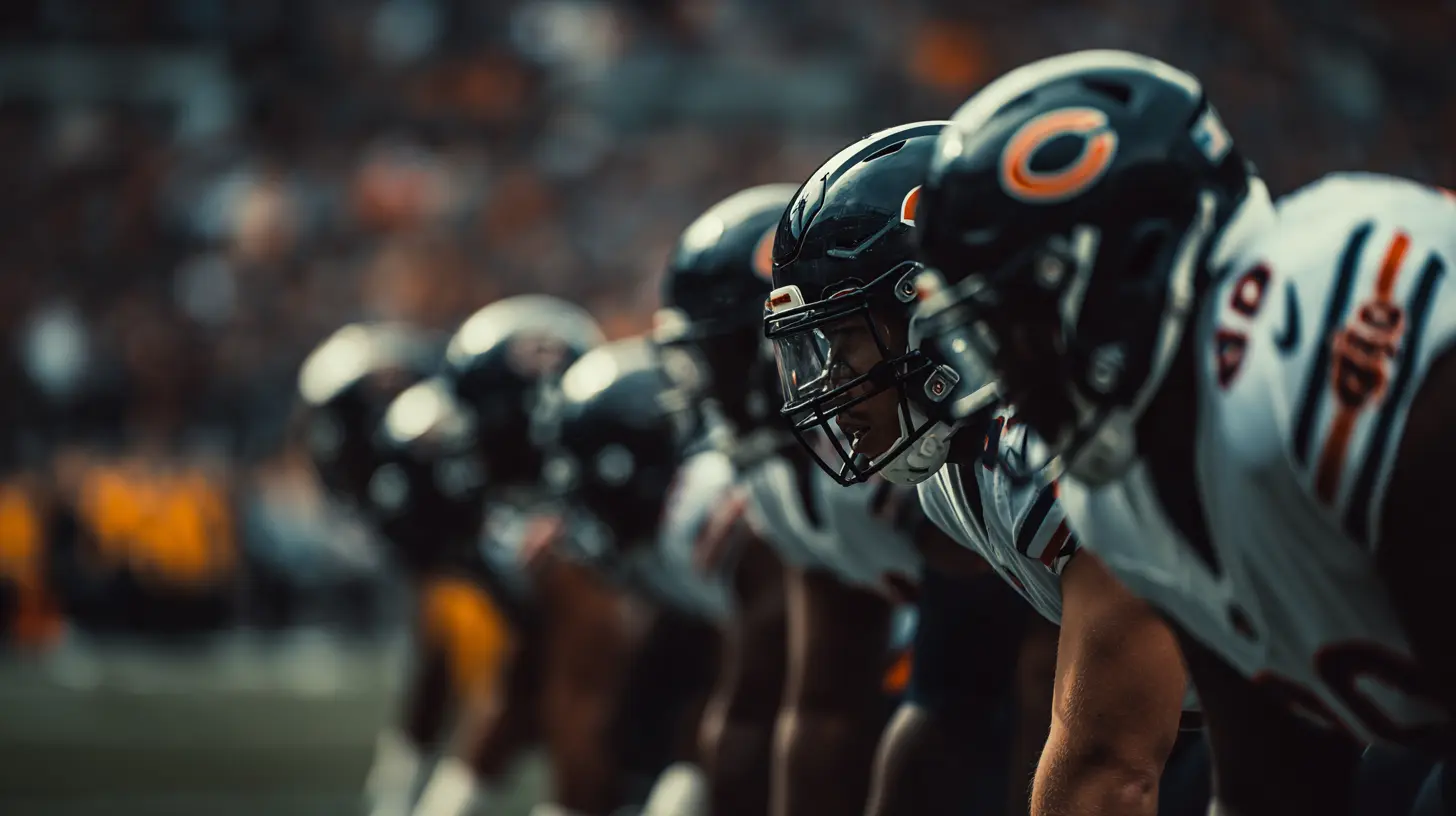
The offensive and defensive lines decide most plays before the ball is thrown. On offense, watch whether the quarterback has a clean pocket and whether the run game creates movement at the point of attack. On defense, watch whether linemen hold their gaps and whether edge defenders set the edge against the run. These details are visible even on television, and they tell you more about a team's readiness than a spectacular catch.Track Snap Counts and Substitution Patterns
Who plays, and when, is information. A veteran who plays one series in Week 1 and sits in Week 2 is being protected. A rookie who plays deep into the fourth quarter is fighting for a job. Coaches often follow a plan: starters play a series or two in the first game, a quarter in the second, and roughly a half in the third before sitting out the finale. Deviations from that pattern are worth noting, because they usually signal an injury concern or a competition that is not settled.Focus on Situational Football
Preseason games include third downs, red zone possessions, and two minute drills, and these situations reveal coaching priorities. Does the team run its full playbook on third and short, or does it keep things simple? Does the defense blitz in the red zone or play safe? Coaches often use the preseason to rehearse specific situations they consider critical for the season opener. If a team spends an entire drive working on red zone offense, that is a deliberate choice.Evaluate Fundamentals, Not Highlights
A receiver who makes a one handed catch after running the wrong route is less impressive than a receiver who runs precise routes and blocks on the perimeter. Preseason rewards discipline. Watch for missed assignments, penalties, and poor tackling, because these are the errors that cost games in September. A clean, boring preseason performance is often a better sign than a chaotic, exciting one.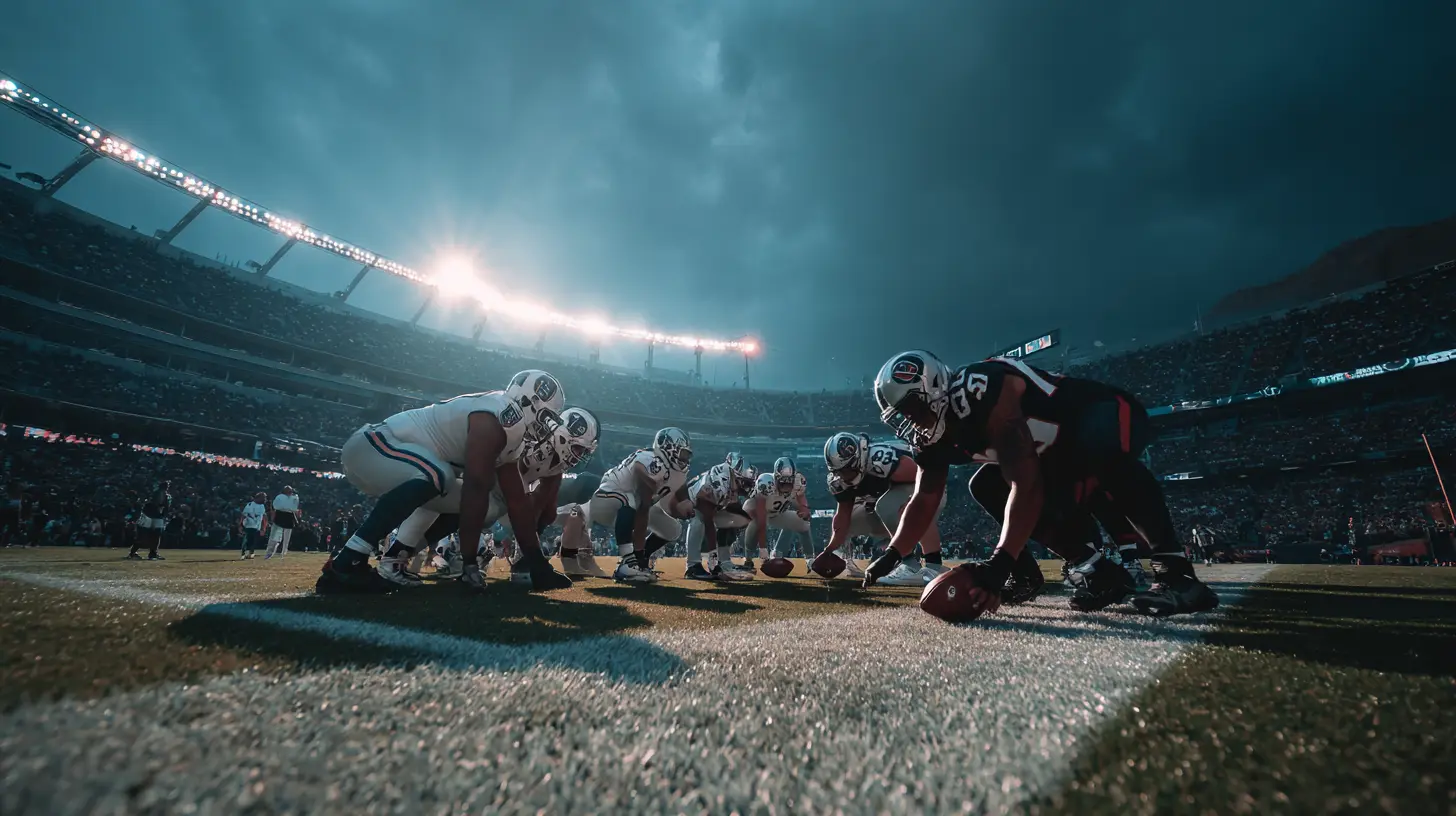
Position by Position: What Actually Matters
Different positions offer different signals in the preseason. Here is what to watch at each spot.Quarterbacks
For established starters, the preseason is about rhythm and health. You want to see clean footwork, accurate throws on time, and no hesitation. For backups and rookies, the preseason is an audition. Watch how they handle pressure, whether they progress through reads, and how they respond after a mistake. A young quarterback who bounces back from an interception with a composed drive is showing something coaches value.Running Backs
Preseason is where you see pass protection, which is often the difference between a rookie who plays and one who sits. Watch whether running backs pick up blitzes and whether they run with patience behind their blocks. Also note who gets goal line carries, because that role is often decided in August.Wide Receivers and Tight Ends
Route running and blocking matter more than catches. A receiver who consistently creates separation but does not get targeted is doing his job. Tight ends are worth watching closely because their roles vary widely: some are inline blockers, some are move pieces, and some are receivers. Preseason reveals how a coordinator plans to use them.Offensive and Defensive Lines
As noted, communication and technique are the keys. Watch for false starts, holding penalties, and missed assignments, which indicate a line that is not yet synchronized. On defense, watch for gap discipline and pursuit angles. A defensive line that plays the run well in preseason is usually ahead of one that only rushes the passer.Linebackers and Secondary
Preseason is the best time to evaluate tackling and coverage discipline. Watch whether linebackers read run and pass correctly and whether defensive backs communicate in zone coverage. A blown coverage in preseason is often a teaching moment, but repeated blown coverages suggest a scheme that has not been absorbed.Special Teams
Special teams are frequently overlooked, yet they decide close games. Watch the punt and kick coverage units for lane discipline, and watch returners for decision making. A returner who fair catches when appropriate is more valuable than one who tries to make something happen every time. Kicker and punter competitions are also worth tracking, since these jobs are often won or lost in August.Reading the Depth Chart and Roster Decisions
The depth chart is a living document during the preseason. Fans should treat it as a signal rather than a fact.The Difference Between Listed and Actual Depth
Teams often list veterans as starters even when they plan to limit their snaps. The more reliable indicator is who runs with the first team in practice and who plays with the first team in the second and third preseason games. Pay attention to which players get repetitions with the starting offensive line or the starting secondary, because that is the clearest sign of the coaching staff's intentions.Final Cuts and Practice Squad Strategy
Roster cuts are where preseason evaluation meets hard constraints. Teams must balance immediate needs against developmental value. A young player with high upside may be exposed to waivers in hopes of signing him to the practice squad, while a veteran with a lower ceiling makes the roster because he can contribute on special teams. Understanding this trade off helps fans interpret surprising decisions without assuming incompetence.Injuries and Load Management
Soft tissue injuries are common in preseason, and teams manage workloads carefully. When a key player sits out, it is not always a red flag. Coaches often hold veterans out of games as a precaution. The signal to watch is whether a player returns to practice and how the team describes the issue. Vague timelines are common, so avoid overreacting to limited information.
Common Mistakes Fans Make in the Preseason
Preseason analysis is full of traps. Here are the most common ones and how to avoid them.Overreacting to Results
A blowout win or loss in August says little about September. The score reflects which team played its starters longer and which team's backups executed better. Judge process, not outcome.Ignoring Context
A rookie cornerback who gives up a touchdown may have been covering a veteran receiver with no safety help in a scheme designed to test him. Without context, the play looks worse than it was. Ask what the coaching staff was trying to evaluate.Assuming Preseason Play Predicts Regular Season Success
Some players dominate preseason and disappear in the regular season, and vice versa. Preseason performance is one data point among many. It is most useful for identifying traits, such as speed, technique, and decision making, rather than projecting statistics.Forgetting About Health
The best preseason outcome is a healthy team. Fans who fixate on performance can miss the bigger picture. A team that escapes August without major injuries is in a good position regardless of results.Practical Advice for Fans Attending or Watching
If you are going to a game, arrive early for warmups. You can see footwork drills, route running, and position specific work that reveals a lot about player readiness. Bring binoculars if you can, and focus on one position group per quarter rather than trying to watch everything.If you are watching on television, use the replay and alternate angles. Broadcasts often focus on the ball, but the all 22 style views available after games are invaluable. Take notes on a few players you want to track, and follow them across multiple games rather than judging from a single series.
Finally, temper your expectations. Preseason is designed to be imperfect. The value is in the details, and the fans who enjoy it most are the ones who treat it as a puzzle rather than a prediction.
Final Thoughts
The 2026 preseason is a chance to see the NFL at its most human: players fighting for jobs, coaches solving problems in real time, and teams building the foundation for the season ahead. Watch the trenches, track snap counts, and judge fundamentals over highlights. Pay attention to how young quarterbacks handle pressure and how new schemes take shape. Most of all, remember that the preseason is a process, not a verdict. The fans who understand that will get more out of August than anyone else.
all images in this post were generated using AI tools
Category:
Preseason AnalysisAuthor:

Umberto Flores