How New Stadium Tech Is Influencing Preseason Prep in 2026
4 September 2026
The lazy days of preseason are gone. What used to be a month of conditioning runs, basic drills, and hoping nobody pulls a hamstring has turned into a data-rich, tech-driven laboratory session. Stadiums, once just the venue for the main event, are now active participants in the preparation process. In 2026, the line between training ground and matchday facility has blurred, and the smartest clubs are using that blur to their advantage.
Preseason is no longer about just getting fit. It is about getting familiar. Familiar with the pitch, the atmosphere, the lighting, the noise, and the data streams that will define success in the autumn. The new generation of stadiums, built or retrofitted with embedded sensor networks and adaptive infrastructure, allows teams to simulate match conditions weeks before a competitive ball is kicked.
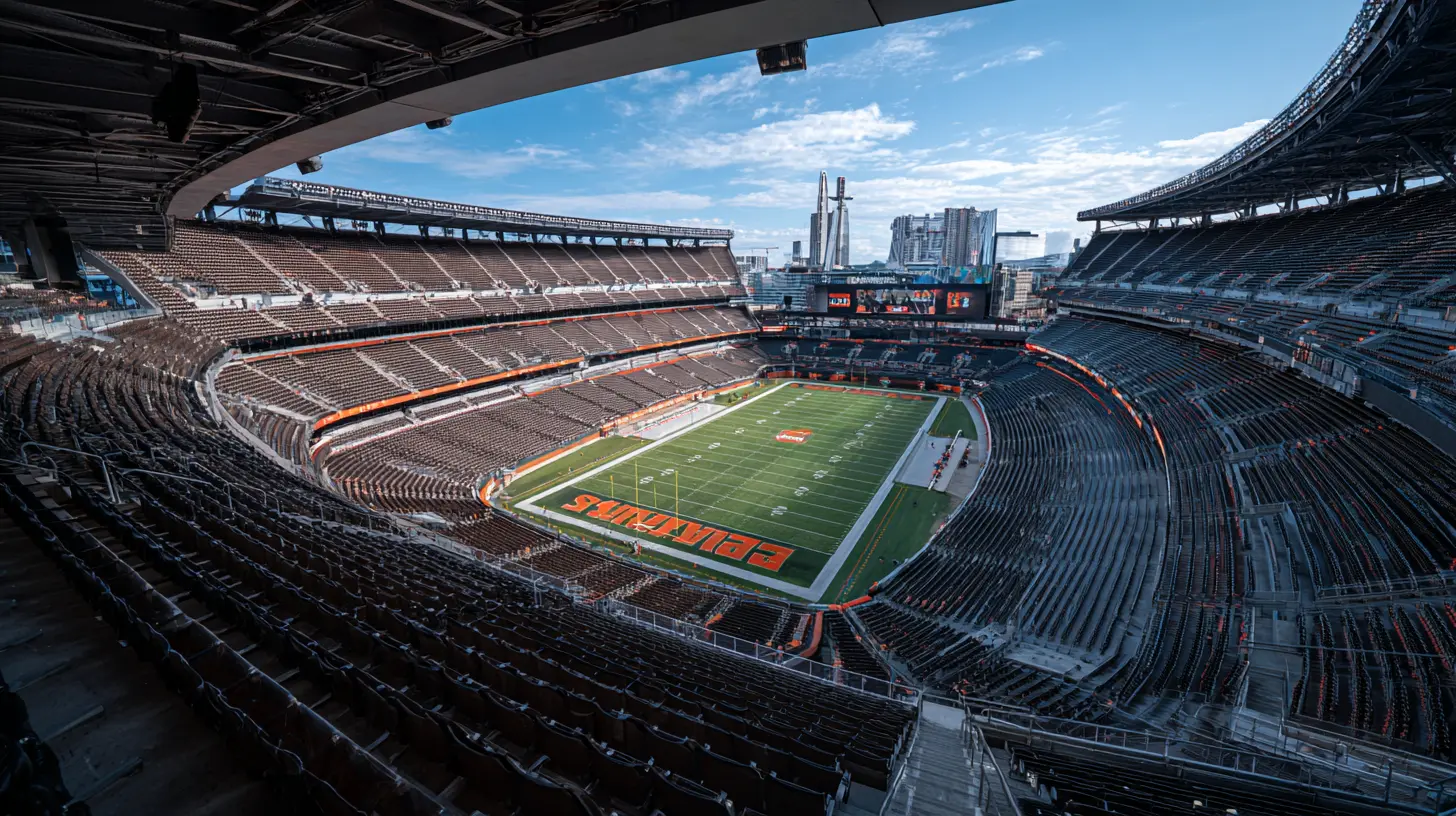
The Stadium as a Training Data Hub
For decades, training data came from wearable vests and GPS trackers. That information was useful, but it was also disconnected from the actual match environment. A player running on a training pitch might cover the same distance, but the surface, the air movement, and the spatial constraints were different. In 2026, the stadium itself is collecting data.Modern venues are fitted with ultra-wideband (UWB) tracking systems that go beyond simple GPS. These systems offer centimeter-level accuracy, tracking not just where a player runs, but how they accelerate, decelerate, and change direction in relation to the exact dimensions of the pitch they will play on. This matters more than most fans realize.
A standard training ground pitch might be slightly narrower or have different turf density. A player's muscle memory for a cut or a sprint is calibrated to those subtle differences. When the stadium tracking system is used during preseason sessions, the coaching staff gets a true baseline. They see how a player performs on the exact surface, with the exact stadium microclimate, and against the exact backdrop of the stands.
The practical application is in load management. If a player's sprint mechanics on the stadium pitch show a 15 percent higher eccentric load on the hamstring compared to the training ground, the staff knows to reduce high-speed work in the days leading up to a stadium session. It is a level of precision that was impossible when data was collected in one place and applied to another.

Smart Turf and Adaptive Groundskeeping
The pitch itself has become a piece of technology. In 2026, several top-tier venues use hybrid grass systems embedded with fiber-optic sensors and moisture control grids. These systems do not just keep the grass healthy; they actively communicate with the training staff.During preseason, the grounds crew can adjust the firmness of the turf. This is not science fiction. Stadiums like the Tottenham Hotspur Stadium and the Allianz Arena have experimented with retractable and ventilated pitches, but the new wave goes further. Some venues now have under-soil heating and cooling systems that can alter the surface temperature by several degrees within hours.
Why does this matter for preseason? Because heat and surface hardness are major injury risk factors. A pitch that is too hard increases impact forces on joints. A pitch that is too soft increases the risk of ankle rolls and muscle fatigue.
Smart turf allows a team to gradually acclimate to matchday conditions. In August, if the opening fixture is in a hot climate, the stadium staff can raise the soil temperature during training sessions to mimic that environment. This is not about making players uncomfortable. It is about triggering physiological adaptations to heat stress before the real game, reducing the risk of cramping and heat exhaustion in the first twenty minutes of a competitive match.
There is a trade-off, however. Overusing these systems can create a false sense of security. A pitch that is artificially cooled to a perfect 18 degrees Celsius does not prepare a team for a rainy Tuesday night in a drafty older stadium. The best practice is to use smart turf for targeted sessions, not for every single training day. Mixing stadium training with more traditional, less controlled environments builds resilience.
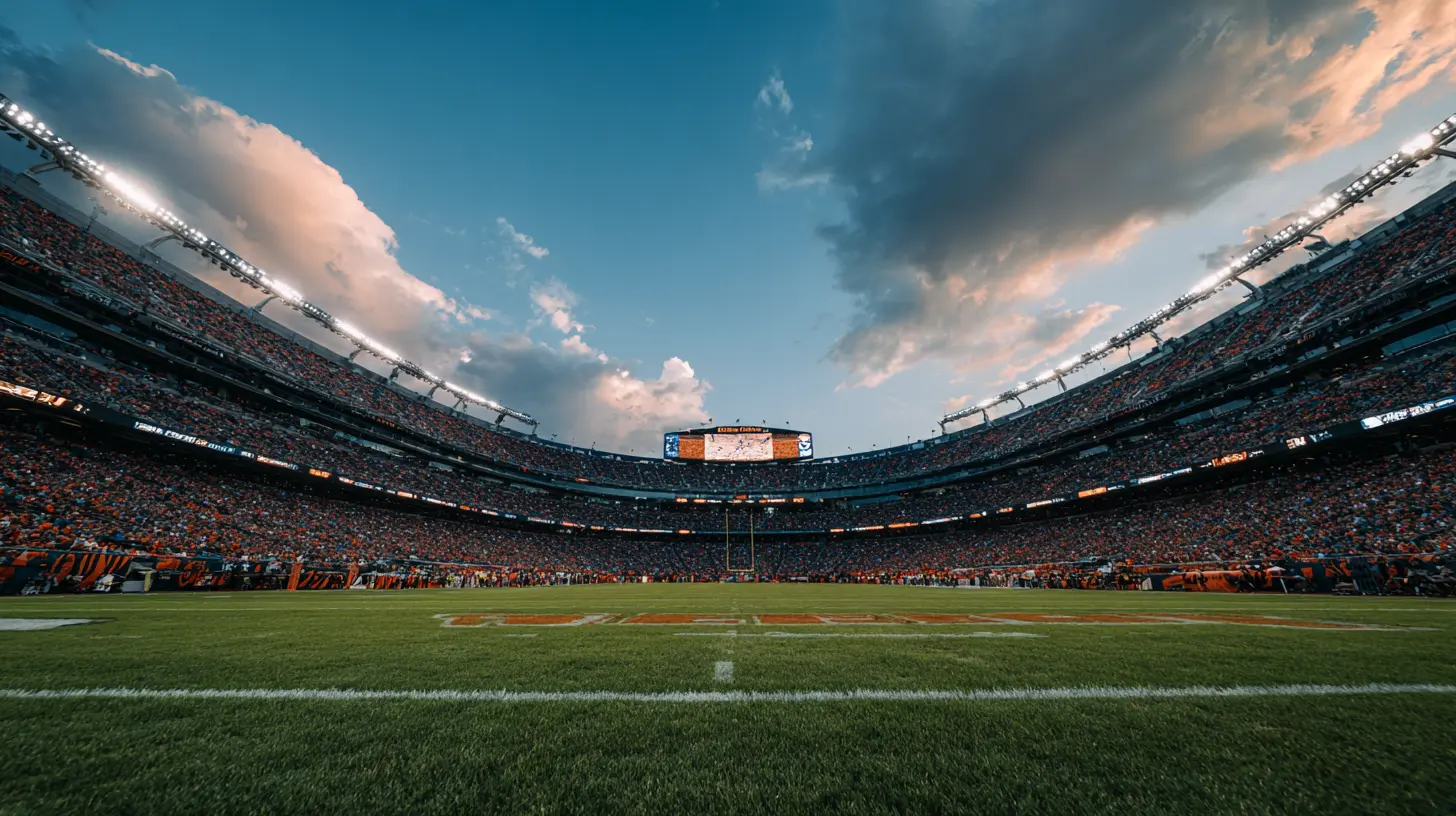
Acoustic Simulation and Home Advantage
One of the most underrated aspects of stadium tech in preseason is acoustic engineering. Newer stadiums are designed with speaker arrays and sound-dampening materials that can replicate crowd noise. This was originally intended for concerts and entertainment events. But coaching staffs have realized its value for communication training.Preseason is the time when new signings learn the signaling system. In a quiet training ground, a coach can shout instructions and be heard. In a full stadium, that is impossible. Players need to rely on visual cues, hand signals, and pre-arranged patterns.
By holding sessions in a stadium with simulated crowd noise at 80 decibels or higher, teams can test whether their new tactical system works when communication is compromised. This is particularly useful for defensive units. A back line that cannot hear each other must rely on a shared understanding of triggers. The preseason is the only time to practice this without the stakes of a competitive match.
There is a psychological component as well. Playing in an empty stadium during preseason can feel flat. But when the sound system pumps in artificial chants and whistles, players get a taste of the pressure. For younger players making the step up from academy football, this exposure is invaluable. It reduces the shock of their first senior home game.
The downside is cost and scheduling. Running the full acoustic system for a training session might require additional staff and electricity, and it can be disruptive to any other events happening at the stadium. Smaller clubs without this infrastructure should not panic. Simple drills with a speaker system and a few staff members shouting can achieve a similar effect, though with less fidelity.
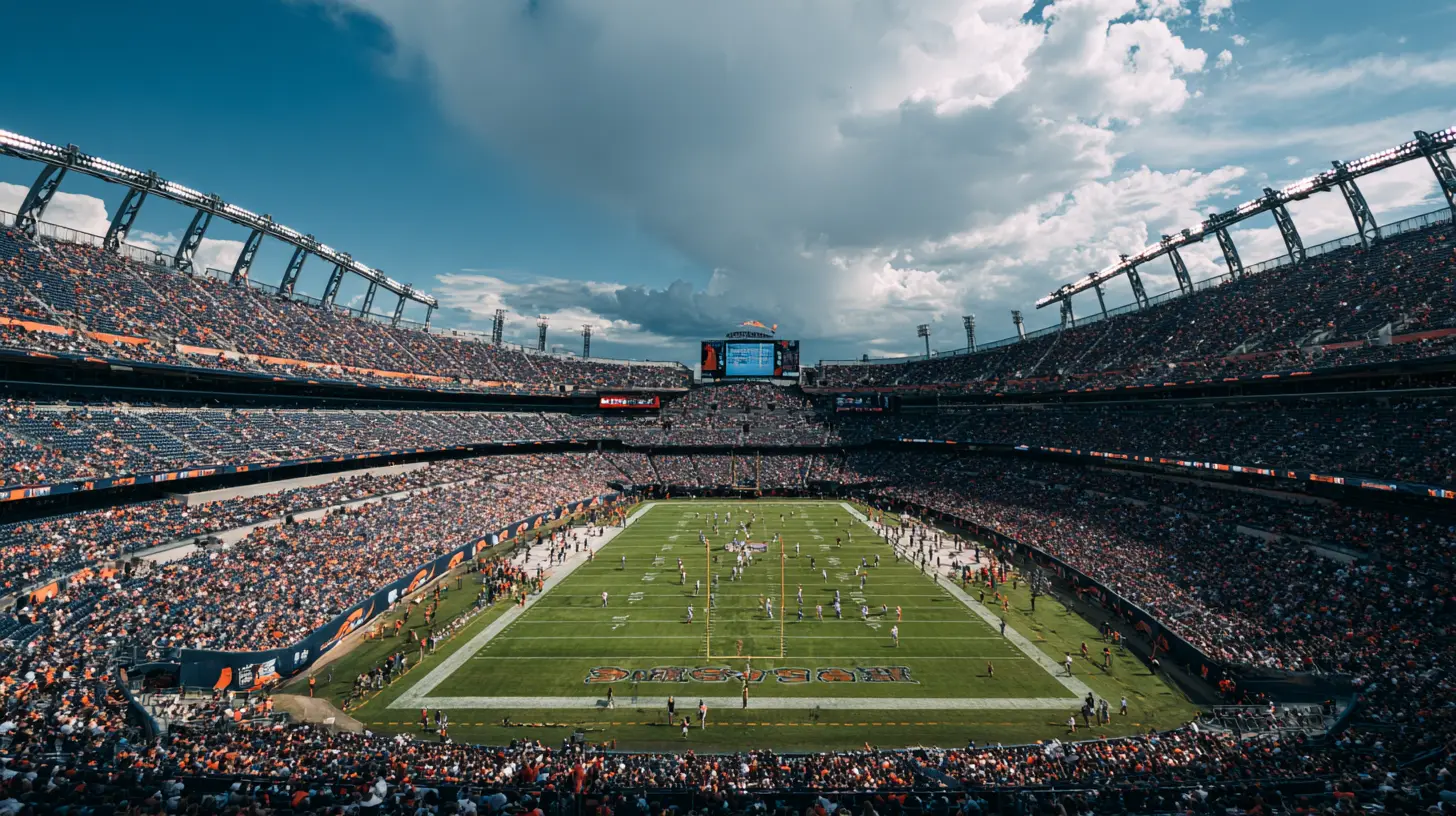
LED Lighting for Circadian and Visual Training
Lighting has moved beyond the binary of floodlights on or off. The latest stadiums use LED systems with tunable color temperature and intensity. This is a significant tool for preseason, particularly for teams that travel across time zones or play early season matches under different lighting conditions.Consider a team that has an early round cup tie scheduled for a 12:30 PM kickoff in bright sunlight. The stadium lighting can be set to a high color temperature, simulating midday sun, even if the actual training session happens in the evening. This helps players adjust their visual tracking. The brain processes the flight of a ball differently under bright, high-contrast light compared to overcast or floodlit conditions.
Conversely, for a team preparing for a night game, the stadium lights can be dimmed gradually during training to mimic the transition from dusk to full artificial light. This is crucial for set-piece takers. A corner kick that looks easy under natural light can be disorienting under the glare of modern floodlights, especially with the dark background of the stands behind the goal.
Sleep and recovery are also tied to light exposure. If a team trains in a stadium late in the evening, the exposure to bright, blue-enriched light can disrupt melatonin production and affect sleep quality. Smart stadiums now have lighting protocols that shift to warmer tones in the final fifteen minutes of a session to help players wind down. This is a subtle but effective way to improve recovery without any additional pharmaceutical or nutritional intervention.
Real-Time Video and Haptic Feedback Zones
The physical infrastructure of the stadium now includes high-resolution cameras placed at angles that capture tactical patterns from a bird's eye view. During preseason, these cameras are used not just for post-match analysis but for immediate in-session feedback.Some stadiums have installed giant LED screens inside the tunnel or in the corner of the pitch. After a drill, the coach can instantly pull up a replay and show a player their positioning mistake. This is faster than waiting for the video analyst to compile a report an hour later. The immediacy makes the correction stick.
There is also experimental work with haptic feedback systems. These are pads embedded in the turf or in the soles of training shoes that vibrate to signal a correct or incorrect movement. In 2026, this is still in its infancy, but several preseason camps have trialed it for offside trap drills. A defender who steps too early feels a vibration on the inside of their foot. This allows for subconscious correction without stopping the flow of play.
The risk here is information overload. Players are already bombarded with data from wearables, video, and coaching instructions. Adding haptic feedback can be too much, especially for younger players. The best approach is to use haptics for one specific aspect of play during a single session, then remove it. Overusing it creates dependence on the feedback rather than developing internal awareness.
Environmental Control for High-Altitude and Humidity Prep
Some of the newest stadiums, particularly those built for major international tournaments, feature enclosed roofs with environmental control systems. This allows for the simulation of high altitude or high humidity.For a team based at sea level that has a preseason fixture in a high-altitude city like Mexico City or La Paz, altitude acclimatization normally takes a week or more. With a controlled environment stadium, the team can spend two hours a day training in a hypoxic environment created by nitrogen displacement. This triggers the body to produce more red blood cells, which improves oxygen delivery.
The practical benefit is that players arrive at the high-altitude venue already partially acclimatized, reducing the risk of severe fatigue or altitude sickness in the first match. However, this is not a shortcut. The body still needs time to adapt fully. Using the environmental control for a full 90-minute simulation is dangerous. Sessions should be broken into shorter intervals with rest periods in normal air.
Humidity is another factor. A stadium that can inject steam or moisture into the air can simulate a tropical climate. This is useful for teams preparing for pre-season tours in Southeast Asia or Africa. Training in high humidity for short bursts helps players learn to pace their breathing and manage sweat loss. It also helps the medical staff identify which players are heavy sweaters and need extra electrolyte replacement.
Data Integration with Wearables and Medical Staff
The stadium tech only becomes useful when its data is integrated with the medical and performance departments. In 2026, the best clubs have a single dashboard that pulls data from the stadium sensors, the players' wearable vests, and the GPS tracking from outdoor training pitches.This integration allows for a holistic view of a player's readiness. For instance, the stadium's pressure sensors can measure the force a player exerts on the turf during a sprint. Combined with heart rate variability data from a morning check, the staff can predict with reasonable accuracy whether a player is at risk of a soft tissue injury.
A common mistake is treating stadium data as a separate silo. Some clubs install expensive systems but fail to connect them to the existing sports science software. The result is that the data is collected but never analyzed in context. The advice here is to involve the IT and sports science departments in the stadium design or retrofit process from the very beginning. The physical infrastructure is only as good as the software that interprets it.
The Cost and Scale Problem for Lower-Tier Clubs
It would be dishonest to suggest that every club can afford this technology. A full retrofit of a stadium with UWB tracking, smart turf sensors, and acoustic systems can cost millions. For clubs in the lower divisions or in less wealthy leagues, this is a significant barrier.However, there are workarounds. Portable versions of the tracking systems exist. Instead of embedding sensors in the turf, temporary tripods can be set up around the pitch perimeter. These offer similar accuracy for training sessions, though they are not as durable or aesthetically pleasing.
Acoustic simulation can be achieved with a decent PA system and a playlist of crowd noise. It does not need to be a permanent installation. The key is understanding which pieces of technology provide the highest return on investment. For most clubs, the tracking system and the video feedback loops are the most valuable. Environmental controls and tunable lighting are luxury items that can be deferred until the budget allows.
Another consideration is the maintenance burden. A stadium with complex tech requires specialized staff to keep it running. If the club does not have an in-house technician who understands the systems, they will have to rely on external contractors. This creates a delay when something breaks. A simpler system that is always operational is better than a cutting-edge system that is down half the time.
Common Misconceptions About Stadium Tech in Preseason
There is a belief that simply training in a high-tech stadium will make players better. It will not. The technology is a tool for measurement and simulation, not a substitute for coaching quality or player effort. A poorly coached session in a million-dollar facility still produces poor results.Another misconception is that more data is always better. Players can become paralyzed by analysis. If a coach shows a player ten different metrics after every drill, the player starts thinking about their gait and their step frequency instead of just playing. The best practice is to limit the feedback to one or two key performance indicators per session.
Some also assume that stadium tech is only for the first team. In reality, the most progressive clubs use these facilities for youth development and for the women's team as well. Giving younger players early exposure to the stadium environment speeds up their transition to the senior squad. It normalizes the surroundings so that when they make their debut, the scale of the venue is not overwhelming.
The Future of Preseason Planning
Looking ahead, the trend is toward fully integrated stadium ecosystems where the venue, the training ground, and the medical center are all part of one digital network. We are likely to see more clubs building their training complexes adjacent to the stadium, rather than in remote locations. This reduces travel time and allows for seamless movement between different training environments.Artificial intelligence will play a larger role in interpreting the vast amounts of data collected. Instead of a coach manually reviewing a video, an AI system might flag a subtle change in a player's running rhythm that indicates fatigue. The preseason schedule will become more dynamic, adjusted on a daily basis based on the data from the previous session.
There is also the question of player acceptance. Some veterans are skeptical of wearing extra sensors or training in a simulated environment. They prefer the old-school methods. The successful coaching staffs in 2026 are the ones who explain the why behind the tech, rather than forcing it on players. When a player understands that a particular lighting setup will help them see the ball better in a night game, they are more likely to buy in.
Practical Recommendations for Coaches and Administrators
If you are planning a preseason schedule that involves a new or upgraded stadium, start with a simple audit. Walk the facility with your sports science team and your operations manager. Identify which existing systems can be used for training purposes without major modifications. Often, the stadium already has video cameras and a PA system. Use those first.Do not try to implement every piece of technology in the first week. Acclimatize the players to the stadium environment gradually. Start with a light session focused on spatial awareness and passing patterns. Then introduce the tracking data. Then, later in the preseason, use the acoustic and lighting systems for a full match simulation.
Always have a backup plan. Technology fails. If the stadium's power goes out or the sensor network goes down, you still need to run a session. Have a traditional training session planned as a fallback. Do not become so dependent on the tech that you cannot function without it.
Finally, measure the results. Compare injury rates, sprint speeds, and even psychological readiness scores from the preseason with the stadium tech to previous seasons. If the data does not show a clear improvement, reconsider the approach. The technology should earn its keep through demonstrable outcomes, not just because it looks impressive in a brochure.
Preseason in 2026 is a chess game played with data, light, sound, and turf. The teams that use these tools intelligently will enter the season with a slight but meaningful edge. The teams that ignore them will not necessarily fail, but they will be giving up an advantage that is increasingly hard to ignore.
all images in this post were generated using AI tools
Category:
Preseason AnalysisAuthor:

Umberto Flores
Discussion
rate this article
2 comments
Chantal McKinney
Tech advancements can transform preseason, but at what cost?
September 26, 2026 at 4:08 AM
Umberto Flores
That's a great point. While tech can enhance efficiency and safety, we must balance innovation with player well-being and the integrity of the game.
Tamara McAndrews
As teams embrace cutting-edge tech, what secrets lie in the data? Preseason prep is evolving-will it redefine the game?
September 20, 2026 at 3:14 AM