How Preseason Momentum Could Mean Everything in 2026
6 September 2026
Every year, coaches and players will tell you the same thing: preseason results do not matter. They say it with a straight face, usually after a sloppy loss or a listless performance in August. And they are half right. The scoreboard in July and August does not count toward the standings. But the idea that preseason momentum carries zero weight is one of the most stubborn myths in sports. In 2026, with a compressed calendar, expanded playoffs across multiple leagues, and a generation of athletes who train year-round, the way a team enters the season could be the single biggest predictor of who hoists a trophy in the fall and winter.
This is not about overreacting to a 3-0 preseason record or a few nice goals in a friendly. It is about understanding what momentum actually is, how it builds, and why the teams that treat the preseason as a strategic weapon rather than a chore tend to separate themselves by Week 6. The 2026 schedule across the NFL, college football, European soccer, and the NBA will reward teams that hit the ground running, and punish those that use the early months to "figure things out" on the fly.
The Difference Between Hype and Momentum
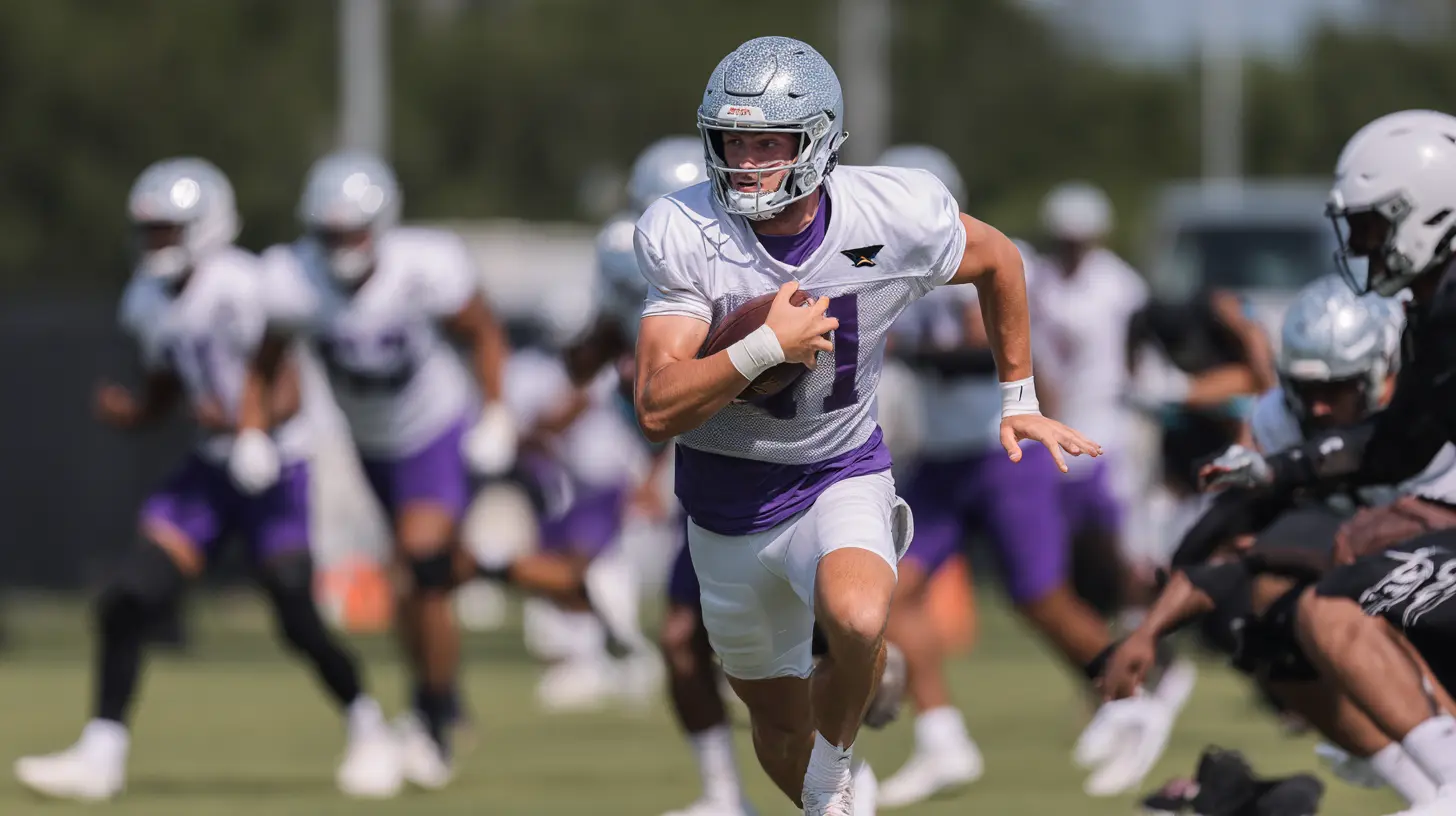
Before going further, it is worth drawing a clear line between hype and momentum. Hype is external. It comes from media predictions, fan optimism, and draft grades. Momentum is internal. It is the accumulated confidence, timing, and muscle memory that a team builds through shared reps and competitive success. Hype can be manufactured in a press release. Momentum cannot.A team can be hyped and still flat. Look at any recent college football team that returned a Heisman candidate, dominated the transfer portal, and then lost to a mid-tier opponent in Week 2 because they had never faced real resistance in practice. The opposite happens too. A team with low external expectations can build genuine momentum in training camp because the competition for roster spots is fierce, the starters are pushed daily, and the chemistry grows from actual adversity.
In 2026, the gap between hype and momentum will be wider than ever because of how much information is available. Every fan knows the roster. Every podcast has a prediction. But no one outside the building knows how the offensive line is gelling or whether the new quarterback is reading defenses at full speed. That is where preseason momentum lives.
Why 2026 Is Different From Other Years
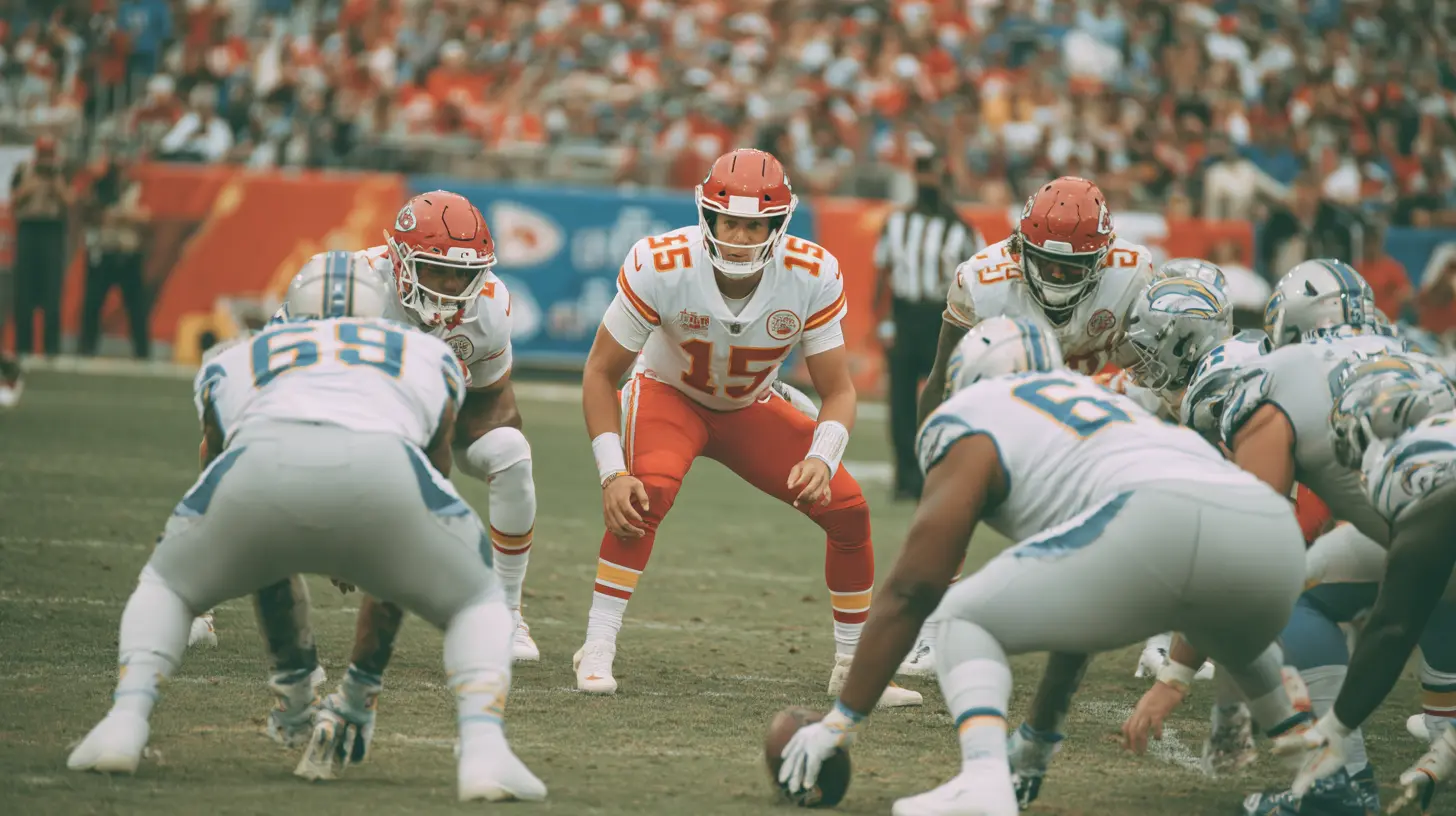
The sports calendar in 2026 has a few structural quirks that make early-season form more important than usual. The FIFA World Cup is scheduled for the summer of 2026, hosted across the United States, Canada, and Mexico. That means the European club season will start later and finish differently. Domestic leagues will compress their schedules to accommodate the international tournament. Teams that qualify for the World Cup will lose key players for the entire preseason. Teams that do not qualify will have a full, uninterrupted training block. That discrepancy alone will create massive competitive imbalances in the first two months of the club season.In American football, the NFL has been toying with an 18-game regular season schedule for years. If that change lands in 2026, it will likely come with a shorter preseason. Fewer exhibition games means fewer opportunities to build rhythm. The teams that use joint practices and controlled scrimmages effectively will have an enormous edge over teams that treat those sessions as walkthroughs.
The NBA has already moved toward a play-in tournament and load management has become standard practice. By 2026, the league will have fully embraced the idea that regular season games in October and November matter less for veteran stars but matter enormously for young teams trying to establish an identity. A team that builds good habits in the first ten games will be far less likely to collapse in the play-in round in April.
College football is in the middle of a massive realignment period. By 2026, the expanded 12-team playoff will be in its third year. That means the margin for error is slightly larger than it was in the four-team era, but the competition for conference championships is fiercer because the conferences themselves are bigger and more geographically scattered. A team that loses a conference game in September because it was still installing its new system will have a much harder time making the playoff than a team that used August to perfect its base package.
The common thread is that none of these leagues will offer a grace period. The schedule is tight, the travel is heavy, and the margin for early mistakes is shrinking.
How Momentum Actually Builds in a Preseason
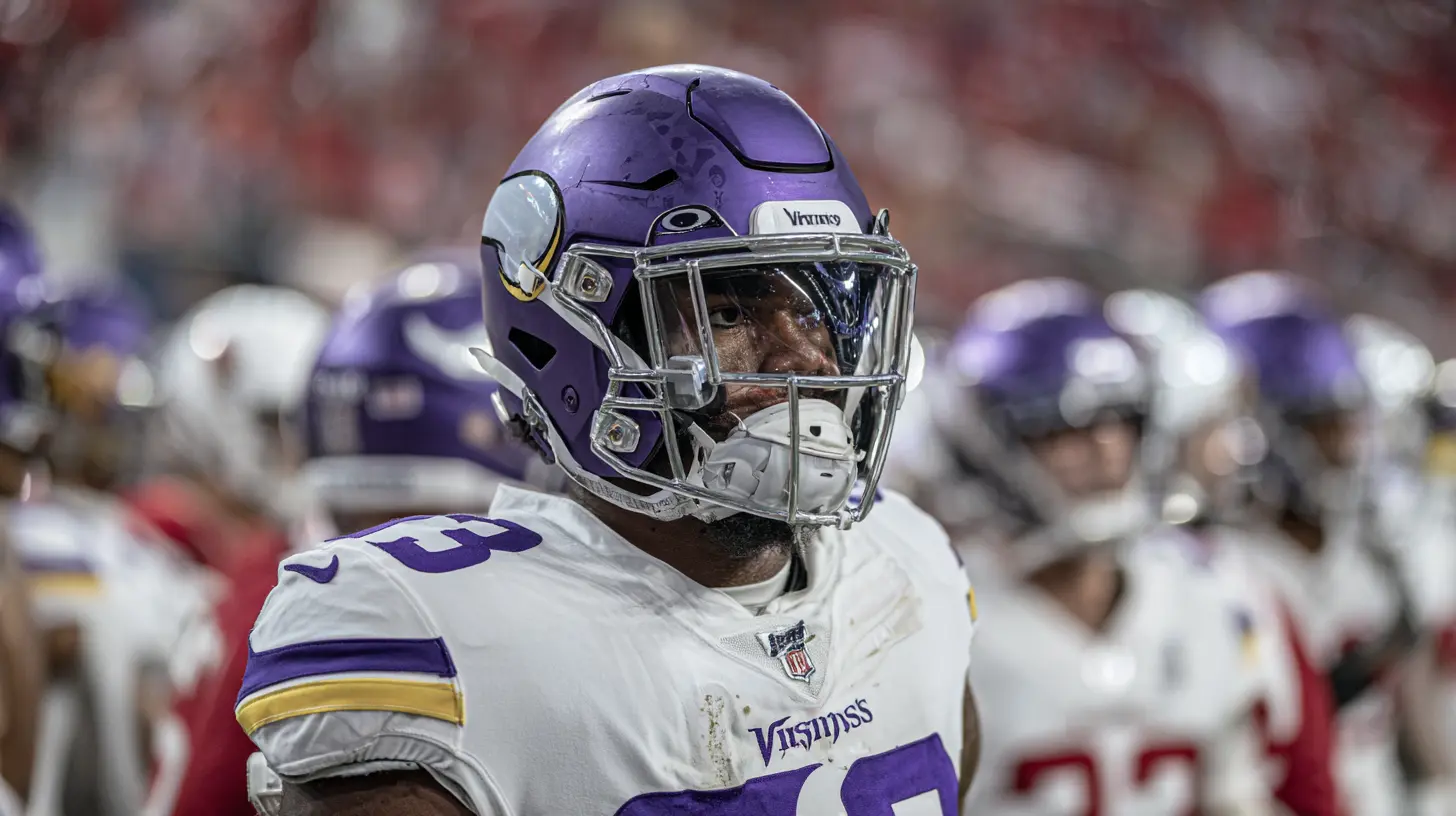
Momentum is not a mystical force. It is a series of small, repeatable successes that create neural pathways and emotional stability. In practical terms, it works through three mechanisms: timing, trust, and tempo.Timing is the physical component. Receivers and quarterbacks need to see the same coverage and make the same read without thinking. Offensive linemen need to know how their teammate will react to a twist stunt. Defensive backs need to trust that the safety is going to be in the right spot over the top. None of that can be developed in a classroom. It requires live reps against real opponents, preferably in game-like situations.
Trust is the emotional component. When a player makes a mistake in a preseason game, the reaction of the coach and teammates matters more than the mistake itself. A team that allows for aggressive mistakes and encourages risk-taking in August will play freer in September. A team that punishes every imperfection will become hesitant. The best coaches in any sport understand that preseason is not about perfection. It is about building the confidence that allows for perfection later.
Tempo is the strategic component. Every team has a desired pace of play, whether that is the fast break in basketball, the no-huddle in football, or the high press in soccer. Tempo is not just a style. It is a conditioning tool. A team that practices at full speed for four weeks will have a cardiovascular base that a team practicing at three-quarter speed will lack. By the fourth quarter of a season opener, that difference becomes visible. The team with better preseason conditioning is still executing while the opponent is just surviving.
Real-World Examples of Preseason Momentum Paying Off
It is tempting to dismiss preseason momentum as a narrative created by commentators who need something to talk about in August. But there are concrete examples across sports that show how early-season form translates to late-season success.Consider the 2017 Philadelphia Eagles. They were not the most talented roster in the NFL that year, but they were one of the most cohesive. Their preseason was marked by sharp execution and a clear sense of purpose on both sides of the ball. When starting quarterback Carson Wentz went down in December, the backup, Nick Foles, stepped in and played the best football of his career. That does not happen without a locker room that already believed in itself. The belief was built in the summer, not in the playoffs.
In soccer, think about Leicester City's title run in 2015-2016. They were not the best team on paper, but they started the season with a clear tactical identity and a fitness level that allowed them to press for 90 minutes every week. Their preseason was not flashy, but it was purposeful. They did not change their approach based on the opponent. They built momentum early and rode it through the entire season.
In college basketball, the 2018 Villanova team is a good example. They won the national championship with a roster that had been together for years. Their early-season games against tough non-conference opponents were not just wins. They were statements of intent. The team knew exactly who they were before January. By March, they were playing with a level of confidence that made them nearly unbeatable.
The common factor in all of these examples is that the teams did not stumble into success. They created it through deliberate, focused preseason work. They used the early weeks to install their identity, test their depth, and build the habits that would carry them through adversity.
The Risk of Overvaluing Preseason Results
None of this means that a perfect preseason record guarantees a championship. There are plenty of teams that dominate August and then collapse in October. The reason is usually that they confuse exhibition success with real success. They think that because they won a meaningless game, they do not need to improve. They stop pushing themselves in practice. They start believing their own press clippings.The most dangerous thing a team can do is treat preseason games as if they matter in the standings. That leads to playing starters too long, showing too much of the playbook, and risking injuries for no reason. The preseason is for evaluation and preparation, not for winning a trophy.
The other risk is that momentum built against inferior competition is meaningless. A team that goes 4-0 in the preseason against teams that are clearly rebuilding has not proven anything. They have simply beaten worse teams. The real test comes when they face a team with equal or greater talent. If they have not been challenged in August, they will not know how to respond to adversity in September.
The best approach is to use the preseason to create a baseline of performance. A team should know, by the end of August, what their minimum acceptable level of execution looks like. They should know their starting lineup, their rotation, and their identity. That does not mean they will win every game. It means they will not lose games because of confusion or lack of effort.
Common Mistakes Teams Make in the Preseason
Several recurring mistakes undermine preseason momentum. The first is over-scheduling. Some teams load their preseason with too many games against tough opponents, thinking that iron sharpens iron. But if the schedule is too demanding, players get worn down before the real season starts. The result is a team that is fit but exhausted, or confident but injured.The second mistake is under-scheduling. Some teams play only weak opponents or hold most of their starters out of exhibition games. They protect their players but fail to build any competitive rhythm. When the season starts, they are physically fresh but mentally slow. They have not faced a live pass rush or a real press in weeks.
The third mistake is changing the system too late. A coach who installs a new offense in the middle of August is setting the team up for failure. By the time the season starts, the players will still be thinking instead of reacting. The system should be installed early in training camp, refined through the preseason games, and then locked in before the opener.
The fourth mistake is ignoring the mental side. Preseason is not just about physical preparation. It is about building resilience. Teams that do not practice situational football, like two-minute drills, red zone offense, or penalty kill scenarios, will struggle when those situations arise in real games. The best teams use the preseason to simulate pressure, not just to run plays.
How Coaches Should Approach Preseason Momentum in 2026
The coaches who will succeed in 2026 are the ones who treat the preseason as a laboratory, not a vacation. They will have a clear plan for every practice and every exhibition game. They will know exactly what they want to see from each player and each unit. They will not be afraid to make bold decisions, like benching a veteran who is not performing or starting a rookie who has earned the job.They will also be flexible. The 2026 calendar will present unique challenges, especially for teams that have players participating in the World Cup. Those coaches will need to integrate returning players slowly, without disrupting the chemistry that the rest of the team has built. That requires communication and patience.
Another key is using data wisely. In 2026, every team will have access to advanced analytics, GPS tracking, and biometric monitoring. The teams that use this data to manage workload and prevent injuries will have an edge. But the teams that over-rely on data will lose the human element. Preseason momentum is as much about emotion as it is about statistics. A coach who can read the mood of the locker room will have an advantage over one who only looks at a spreadsheet.
The Role of Leadership in Building Momentum
Momentum does not build itself. It requires strong leadership from the coaching staff and the veteran players on the roster. In 2026, with so much roster turnover across sports due to free agency, transfers, and the draft, leadership will be more important than ever.A team with a strong core of veterans who have been through the battles together will be able to integrate new players more easily. The veterans set the standard for effort and accountability. They show the younger players how to practice, how to prepare, and how to handle the ups and downs of a long season.
On the other hand, a team that has lost its veteran leadership will struggle to find its identity. The preseason is when that leadership needs to emerge. It is not enough for the coach to be the only voice in the room. The players need to hold each other accountable. That is what turns a collection of talented individuals into a team.
What Fans and Analysts Should Look For
For fans and analysts, the key is to watch the right things in the preseason. Do not just look at the score. Look at the effort level, the communication, and the execution in situational drills. Watch how the second-string players perform against the opponent's first-string players. That will tell you more about the team's depth than any final score.Pay attention to the body language on the sidelines. Are the players engaged? Are they celebrating each other's successes? Are they picking each other up after mistakes? A team that is connected emotionally will show it in the preseason, even when the game does not count.
Also, watch how the team handles adversity within a preseason game. If they fall behind early, do they fight back or do they fold? If the starting quarterback throws an interception, does he come back on the next drive with confidence or does he start playing scared? Those are the moments that reveal whether a team has real momentum or just a good record in meaningless games.
The Trade-Off Between Rest and Repetition
One of the hardest decisions coaches face in the preseason is balancing rest and repetition. Rest prevents injuries and keeps players fresh. Repetition builds timing and confidence. The right balance depends on the team's situation.A veteran team with a stable roster can afford to rest its stars more. They have played together for years and do not need as many reps to be on the same page. A young team with many new players needs more repetition. They cannot afford to take days off because they still have not learned how to play together.
In 2026, this balance will be even trickier because of the compressed schedule. Teams will have fewer days between games in the regular season. That means they cannot use early-season games as extended practices. They need to be ready from the first whistle. The teams that find the right balance in the preseason will have a significant advantage.
The Danger of Peaking Too Early
There is also a risk of building too much momentum in the preseason. A team that looks unstoppable in August might peak too early. They might become complacent, or they might burn out physically and emotionally. The goal is not to be at your best in the preseason. The goal is to be trending upward when the postseason arrives.This is where the best coaches earn their money. They know how to manage the emotional arc of the season. They keep the team hungry even when things are going well. They find new challenges and new goals to keep the players motivated. They do not let the team get too high after a big preseason win or too low after a bad practice.
How to Use Preseason Momentum When the Real Games Start
When the regular season begins, a team with strong preseason momentum should not change anything. They should keep the same routine, the same practice schedule, and the same mindset. The only difference is that the games now count. If they have built good habits, those habits will carry them through the early part of the season.The team should also set short-term goals for the first few weeks. Instead of looking at the entire season, focus on winning the first game, then the next one. This keeps the pressure manageable and allows the team to build confidence through actual results.
If the team stumbles early, they should not panic. Preseason momentum does not guarantee a perfect start. It simply provides a foundation. The team that has practiced well and built trust will be able to correct course faster than a team that is still trying to figure itself out. That is the real value of momentum. It is not about avoiding failure. It is about recovering from failure quickly.
Final Thoughts on 2026
The 2026 sports calendar will be one of the most demanding in recent memory. Between the World Cup, potential NFL schedule changes, the expanded college football playoff, and the NBA's evolving regular season, teams will have less margin for error than ever before. The teams that treat the preseason with the same seriousness as the regular season will be the ones that are still playing when the trophies are handed out.Preseason momentum is not a guarantee. It is not a magic formula. It is simply the result of doing the right things at the right time. Teams that practice with purpose, build trust among players, and find the right balance between rest and repetition will enter the 2026 season with a clear advantage. Those that treat the preseason as an inconvenience will be left behind before the leaves start to change.
The message for coaches, players, and fans is simple: do not dismiss the preseason. It is not just a warm-up. It is the foundation for everything that comes after. And in 2026, that foundation will matter more than it ever has before.
all images in this post were generated using AI tools
Category:
Preseason AnalysisAuthor:

Umberto Flores
Discussion
rate this article
2 comments
Devin McLean
Preseason momentum can set the tone for a successful journey ahead. With the right mindset, dedication, and teamwork, teams can build a strong foundation that carries them through challenges. Embrace the hard work now, and the rewards will follow in 2026. Keep pushing forward!
September 23, 2026 at 3:18 AM
Umberto Flores
Absolutely! Preseason effort truly shapes the journey. A strong start can lead to great things ahead. Let's see how it unfolds in 2026!
Elizabeth Jackson
Preseason momentum can set the tone for a team's entire year. As we look ahead to 2026, those early wins and strong performances may build confidence and chemistry. It's crucial for teams to harness that energy, as it could be the difference between a successful season and a disappointing one.
September 6, 2026 at 4:23 AM
Umberto Flores
Absolutely! Preseason sets the stage, and those early wins can really shape a team's confidence and cohesion for the entire year. It's all about building that positive energy from the start.