How Pro Athletes Will Recover Differently by 2027
21 October 2026
Recovery used to be the part of elite sport nobody sold tickets for. It happened in ice baths, on massage tables, and in dark hotel rooms, largely invisible and mostly improvised. That is changing fast. By 2027, recovery will look less like a collection of folk remedies and more like a managed biological process, with its own data streams, its own specialists, and its own budget lines. The shift will not be driven by one miracle device. It will come from the convergence of better measurement, cheaper sensors, more precise biological understanding, and a generation of athletes who grew up treating their bodies as systems to be optimized rather than mysteries to be endured.
This article examines where recovery is actually heading, what will separate the genuinely useful advances from expensive noise, and what athletes, coaches, and support staff should think about before they buy into any of it.
The Core Shift: From Recovery as Ritual to Recovery as Management
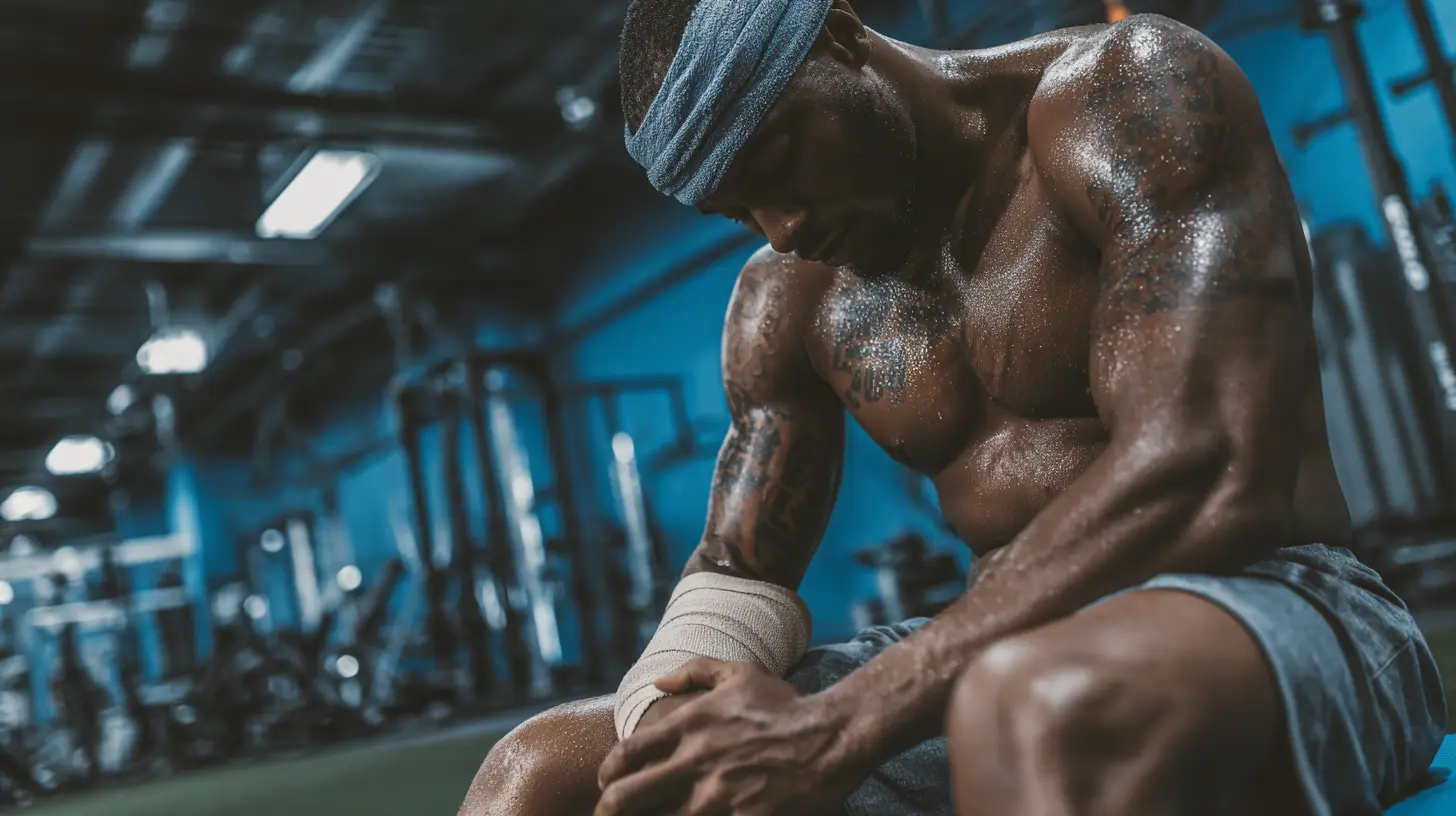
Most recovery today is reactive. An athlete feels sore, so they get a massage. They sleep badly before a big game, so they nap harder the next day. The tools are fine. The timing is guesswork.The defining change by 2027 will be the move from reactive rituals to continuous management. That means recovery decisions get made against measured baselines rather than felt sensations, and interventions get scheduled before breakdown rather than after it.
Why does this matter? Because subjective soreness is a poor proxy for actual tissue readiness. Athletes routinely report feeling fine while markers of neuromuscular fatigue remain elevated, and they routinely report feeling terrible on days when their physiology is primed to perform. When recovery is managed with data, the guesswork shrinks. When it is managed purely by feel, the athlete is essentially self-medicating with ice and compression.
The practical consequence is that recovery will increasingly be owned by someone. Not a masseuse who shows up twice a week, but a recovery coordinator or performance scientist whose job is to interpret readiness data, adjust training loads, and decide which interventions are worth the athlete's time on any given day. That role barely exists at scale today. By 2027 it will be standard in professional team sports and increasingly common in individual sports with real budgets.

Wearables Will Get Quieter and More Useful
The first wave of athlete wearables was loud. Rings, straps, and patches that beeped and scored and told athletes they slept poorly. Many of them measured one thing well and inferred everything else poorly. The result was data fatigue and, in some locker rooms, outright distrust.The next phase is different in three ways.
First, validation is catching up. The devices that survive will be the ones that can show agreement with lab-grade measures, not just correlate with them loosely. Teams are already asking harder questions about what a readiness score actually represents. Expect procurement to get more skeptical, not less.
Second, the form factor is disappearing. Sensors embedded in compression garments, mouthguards, and even skin patches will reduce the compliance problem that has always plagued wearables. An athlete who forgets to charge a ring is a data gap. An athlete who puts on a shirt is not.
Third, and most important, the output will change. Instead of a single daily score, athletes will get targeted signals: this muscle group is under-recovered, your sleep architecture shifted, your hydration status is drifting. The value is not in the number. It is in the specificity of the action it triggers.
The trade-off is real. More sensors mean more data, and more data means more opportunities to overreact to noise. A team that panics every time a readiness score dips will produce anxious athletes and conservative training. The best organizations will use wearables to confirm and refine judgment, not to replace it.
Sleep Will Become the First Line of Treatment, Not an Afterthought
Sleep is the most powerful recovery tool available, and it is also the one athletes most reliably sabotage. Late games, travel across time zones, early flights, and the simple fact that young people stay up late all conspire against it.By 2027, sleep will be treated less like lifestyle advice and more like a clinical variable. That means a few concrete changes.
Sleep will be measured continuously, not just the night before a game. Chronic sleep debt is the real problem, and it accumulates invisibly. Athletes who sleep six hours a night for a week are functionally impaired even if they feel adapted.
Travel protocols will get more sophisticated. Instead of "get some rest on the plane," teams will use light exposure schedules, carefully timed meals, and strategic napping to shift circadian rhythm before arrival. The science here is not new. The execution discipline is.
Sleep extension will be prescribed. Some athletes will be told to spend more time in bed than they think they need, because time in bed is the precondition for sleep, and most athletes underestimate how much they need.
What will not work is the gadget-first approach. A device that tells you your sleep was poor is not a treatment. The treatment is behavioral: consistent bedtimes, dark rooms, controlled caffeine timing, and a coaching staff that stops scheduling 6 a.m. meetings for no reason. Teams that ignore the behavioral basics while buying sleep-tracking hardware will get exactly what they paid for, which is data about a problem they are not fixing.

Cold Water and Heat Will Be Prescribed With Precision, Not Habit
Ice baths became a status symbol. If a team had a plunge pool, it looked serious. The problem is that cold water immersion is not universally good. It can blunt some of the adaptive signaling that training is supposed to produce, particularly in strength and hypertrophy work. Used indiscriminately after every session, it can quietly reduce the very adaptations athletes are training for.The 2027 version of temperature therapy will be timing-aware and purpose-aware.
Cold will be used strategically: to manage acute inflammation after competition, to reduce soreness before a critical performance, and to support sleep and nervous system downregulation. It will be avoided, or used sparingly, in phases where adaptation matters more than comfort.
Heat will get more attention than it currently does. Heat exposure has legitimate uses for cardiovascular conditioning, heat acclimation before competition in hot environments, and possibly for recovery of certain tissues. Saunas and hot baths are cheap and accessible, which makes them attractive, but they carry real cardiovascular strain and are not appropriate for every athlete at every time.
The key insight for readers is this: temperature interventions are tools with specific indications and specific contraindications. The mistake is treating them as universal recovery rituals. The best programs will have a written rationale for when each is used, and they will revisit that rationale as the evidence evolves.
Compression and Blood Flow Devices: Useful, Oversold, and Due for a Reckoning
Compression garments, pneumatic compression boots, and similar devices occupy a strange space. They are pleasant, they are popular, and the evidence for meaningful performance recovery is modest and inconsistent. They may help with perceived soreness and swelling. They are unlikely to transform recovery outcomes on their own.That does not make them useless. It makes them convenience tools. An athlete who puts on compression boots for twenty minutes is lying still, off their feet, and relaxing. That has value. The device is partly a behavior-change delivery system.
By 2027, expect two things. First, more honest marketing, driven by teams that demand evidence before purchase. Second, better integration, where these devices are used as part of a scheduled recovery block rather than as a random add-on.
The common mistake is substitution. An athlete who uses compression boots instead of sleeping, eating well, and managing load has not recovered. They have purchased the feeling of recovery. That distinction will matter more as budgets tighten and organizations demand return on investment for every recovery dollar.
Nutrition Will Get Personal, and Then Get Practical
Personalized nutrition has been promised for a decade. The gap between promise and practice is finally narrowing, but not in the way most people expected.The big change is not genetic testing. It is the recognition that nutrient timing and total intake matter far more than individual genetic quirks for most athletes. By 2027, recovery nutrition will be built around a few unglamorous principles executed with precision.
Protein distribution across the day will be treated as a scheduling problem, not just a total. Athletes will be encouraged to hit meaningful protein doses at multiple points rather than cramming it all into one post-game meal.
Carbohydrate availability will be managed relative to training load, with more attention to fueling around sessions and less to blanket restriction. The old habit of athletes under-eating to stay lean while training hard is slowly being recognized as a recovery killer.
Hydration will be individualized using simple, practical markers rather than expensive sweat sensors for everyone. Some athletes will benefit from sweat testing. Most will benefit more from a consistent routine and access to fluids during training.
The misconception to kill is that supplements drive recovery. A small number of supplements have reasonable evidence behind them, but they are marginal next to food, sleep, and load management. Athletes who spend heavily on powders while eating inconsistently are optimizing the wrong variable.
Load Management Will Become the Real Recovery Intervention
Here is the uncomfortable truth that will define 2027: the most powerful recovery intervention is not something you do to an athlete. It is the decision not to break them down in the first place.Recovery and training load are the same conversation. An athlete who is perpetually under-recovered is usually being over-trained, under-fed, under-slept, or some combination. No amount of cold water and compression will fix a schedule that is fundamentally too demanding.
By 2027, more teams will treat load management as a recovery strategy rather than a separate department. That means training sessions get adjusted based on readiness data, travel schedules get built with recovery in mind, and coaches get held accountable for how athletes feel on game day, not just how hard they trained.
This is where organizational politics get difficult. Coaches want to train. Athletes want to compete. Recovery staff want to protect. The teams that get this right will have clear decision rights: who can pull an athlete out of a session, who can override a readiness flag, and how disagreements get resolved. Without that clarity, recovery data becomes a source of conflict rather than a tool.
The Mental Side Will Stop Being an Afterthought
Recovery is not just tissue. It is also the nervous system, and the nervous system does not recover well when an athlete is anxious, sleep-deprived, and constantly scrutinized.By 2027, psychological recovery will be treated with more seriousness, but not in the vague "mindfulness" way that often gets sold. The practical changes will look like this:
Downregulation routines after competition, when the nervous system is still revved and sleep is hard to come by. Simple breathing protocols, controlled light exposure, and deliberate wind-down habits will become standard parts of the post-game schedule.
Better management of media and travel demands, which are real recovery costs that rarely get counted. An athlete who does three interviews and a sponsor appearance after a late game has lost recovery time, and smart organizations will budget for that.
Screening for sleep and mood issues as part of routine monitoring, not as a crisis response. The goal is to catch problems early, when they are cheap to fix.
The trade-off is privacy. Athletes are already monitored heavily, and adding psychological screening raises legitimate questions about who sees the data and how it is used. The best programs will be transparent about this and will give athletes control over their own information.
What Will Separate Winners From Buyers
The organizations that recover better by 2027 will not be the ones with the most devices. They will be the ones with the clearest thinking about a few fundamentals.They will measure what matters and ignore what does not. A small number of validated signals, tracked consistently, beats a dashboard full of noise.
They will prioritize the unglamorous basics. Sleep, food, load, and travel management will get more attention than any gadget.
They will have clear decision rights. Someone will own recovery, and that person will have the authority to act on what the data shows.
They will be honest about evidence. Interventions will be adopted because they work, not because a competitor bought them or a salesperson was persuasive.
They will protect the athlete's time. Recovery is partly about doing less, and organizations that respect that will get better outcomes than organizations that fill every hour with another protocol.
Common Mistakes to Avoid Before 2027 Arrives
If you are an athlete, coach, or administrator planning for the next few years, here are the traps worth naming.Buying technology before defining the problem. Start with the question you need answered, then find the tool. Not the reverse.
Treating every readiness dip as a crisis. Data has noise. Overreacting to it creates anxious athletes and erratic training.
Stacking interventions without a rationale. More protocols is not better recovery. It is often just more time spent on recovery theater.
Ignoring the behavioral basics while chasing biology. No device compensates for chronic sleep debt and poor fueling.
Letting recovery become a status competition. The team with the most expensive recovery suite is not necessarily the best-recovered team. The team with the most disciplined habits usually is.
A Realistic Picture of 2027
By 2027, recovery will be more measured, more individualized, and more integrated into daily decision-making. It will also be more commercial, with more products claiming more than they can deliver. The athletes and organizations that benefit most will be the ones who stay skeptical, prioritize fundamentals, and treat recovery as a discipline rather than a purchase.The direction of travel is clear. The details will be sorted out by people who do the work, ask hard questions, and refuse to confuse activity with progress. That is how recovery actually improves, one honest decision at a time.
all images in this post were generated using AI tools
Category:
Recovery And RehabAuthor:

Umberto Flores
Discussion
rate this article
1 comments
Felix Dorsey
It's exciting to think about how recovery methods will evolve in sports. By 2027, we might see athletes achieving peak performance through innovative techniques and technologies. Embracing change and pushing boundaries will not only enhance their game but inspire future generations to elevate their performance.
October 21, 2026 at 3:28 AM