How Referees Collaborate with Coaches to Ensure Fair Play
21 June 2026
In the fast-paced, high-stakes world of sports, it's easy to get caught up in the action. The thrilling last-minute goals, game-winning shots, and electric crowd atmosphere can make anyone forget one crucial element—fair play. But behind the scenes and in the heat of the moment, there's a quiet alliance that keeps the spirit of the game alive: the partnership between referees and coaches.
This relationship often flies under the radar, but it's an essential pillar of sportsmanship. So, how do referees and coaches work together to keep the game clean, respectful, and balanced? Let’s take a closer look.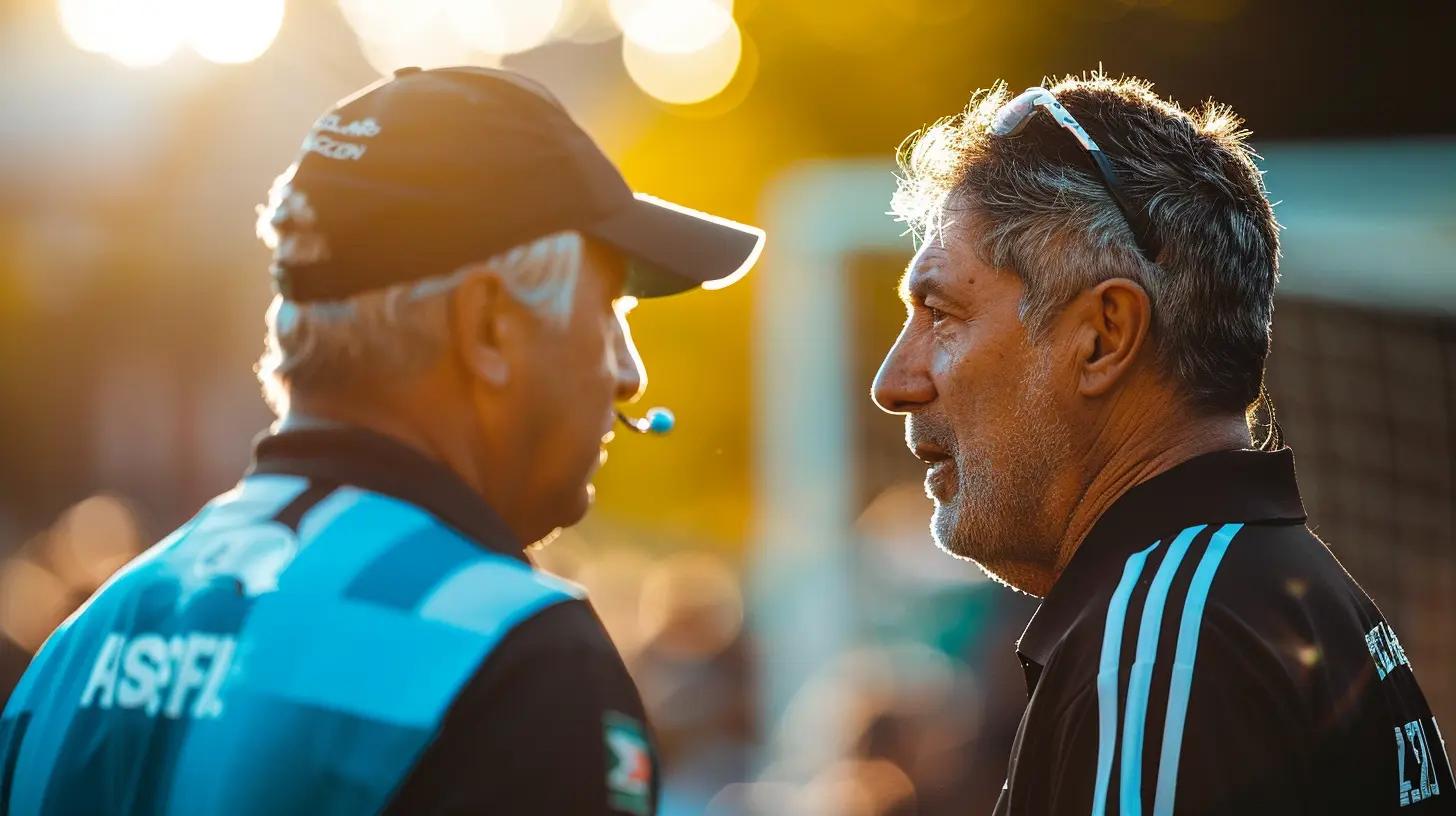
Why Fair Play Matters in Sports
Before diving into how referees and coaches collaborate, let’s set the stage. Why is fair play so important?Fair play isn’t just a fancy term for “following the rules.” It’s the heartbeat of sports. It’s about respect, integrity, and creating an environment where talent, training, and teamwork shine through—not bad behavior or shady tactics.
Imagine watching your favorite team win thanks to an unfair advantage—would it really feel like a win? Probably not.
That’s why upholding fairness is a shared responsibility, and it’s way more than blowing a whistle or shouting from the sidelines.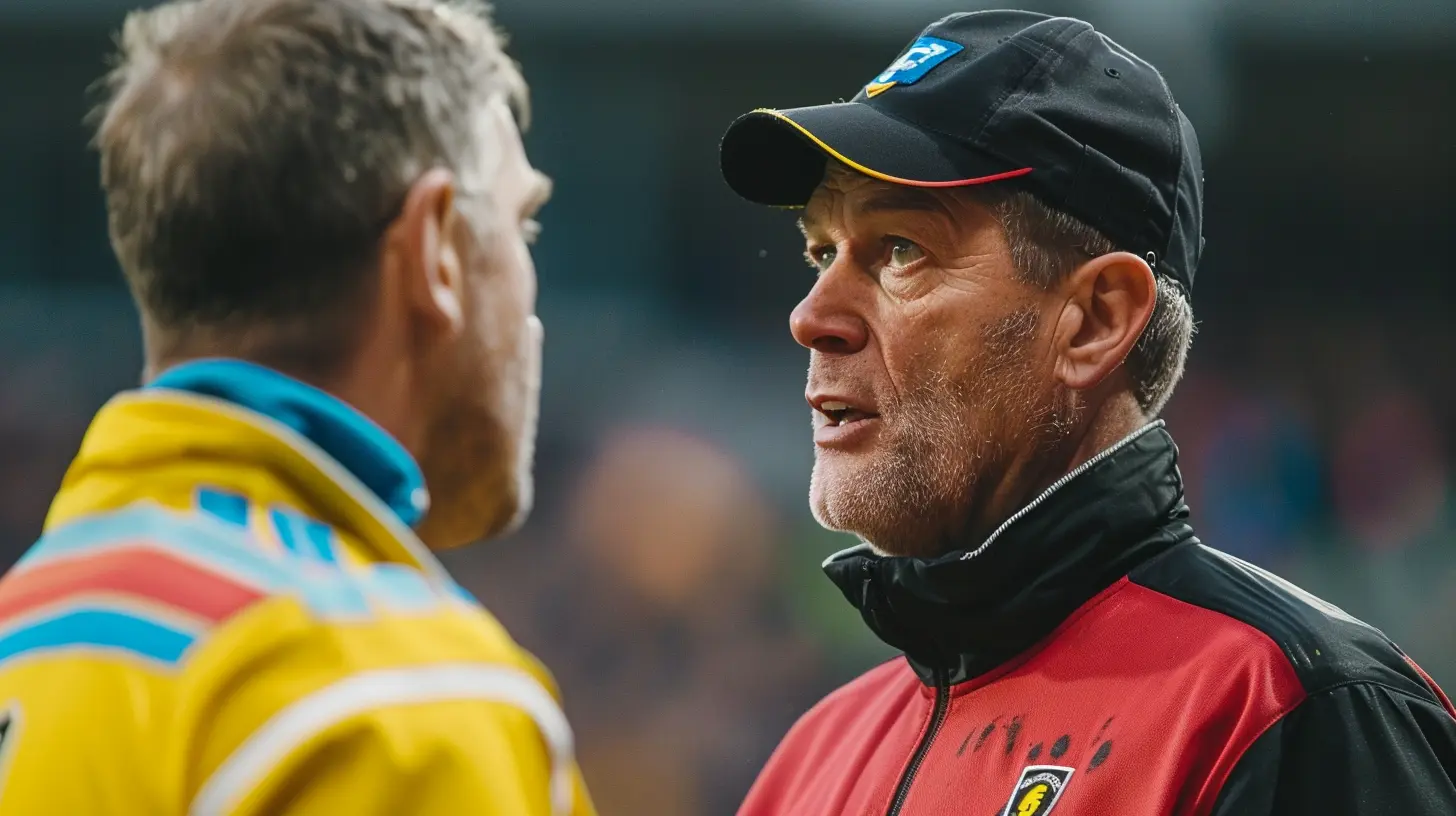
The Silent Duo: Referees and Coaches
Referees and coaches might seem like they’re on opposite sides of the field. One enforces the rules; the other bends them to win. But that's just surface-level stuff. In reality, both share a mutual goal: to ensure the game is played with honor and respect.Different Roles, Same Mission
- Referees are like the guardians of the game. They interpret and enforce the rules, keeping chaos in check and making judgment calls under pressure.- Coaches are the strategists, shaping players’ decisions, pushing them to their limits, and building a team culture.
But when these two roles sync? It’s magic. The game flows better, emotions stay measured, and players get to showcase their true potential.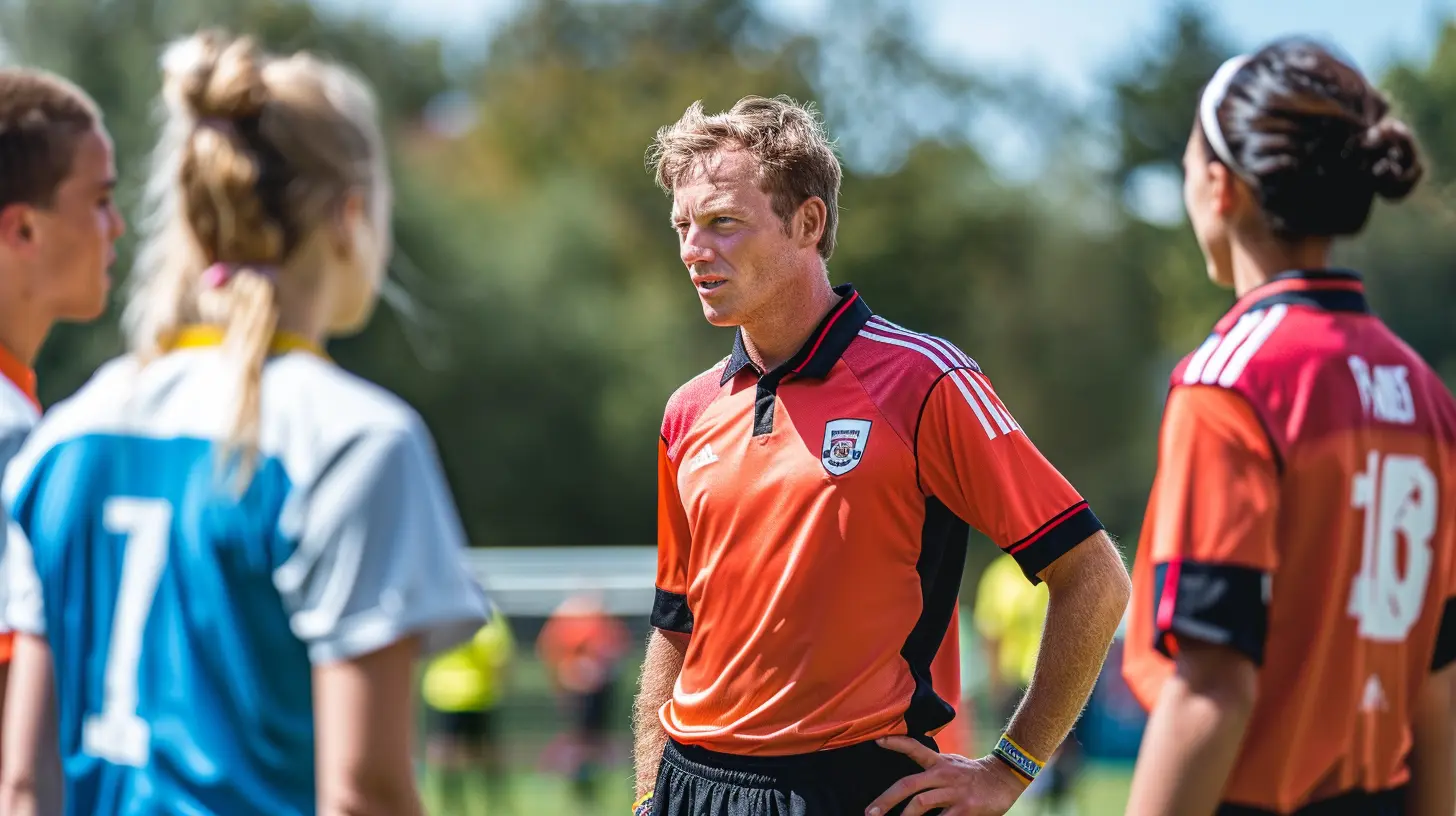
Communication: The Game-Changer
Ever played a game of telephone? One misheard word and the entire message collapses. The same goes for sports. Without effective communication between referees and coaches, things can spiral quickly.Pre-Game Talks: Setting Expectations
Before the first whistle, many referees and coaches huddle up. This quick chat helps both parties:- Clarify rule interpretations
- Discuss any areas of concern (like previous incidents or player behavior)
- Set expectations for sideline conduct
Think of it as a preseason pep talk. It doesn’t take long, but it sets the tone for mutual respect.
In-Game Conversations
Let’s be real—emotions run high during games. A questionable call? A missed foul? Tempers flare. But when there's an open line of communication, coaches can approach referees calmly to seek clarity. No shouting matches. No finger-pointing. Just two professionals hashing things out.Referees who show a willingness to explain calls (briefly and respectfully) build massive trust. And coaches who keep their cool, even in tense moments, model behavior for their teams.
Post-Game Debriefs
After the final whistle, the collaboration doesn’t stop. Some referees and coaches take a few minutes to discuss the game's flow, what worked, and what didn’t. These conversations can improve future interactions and help both sides grow.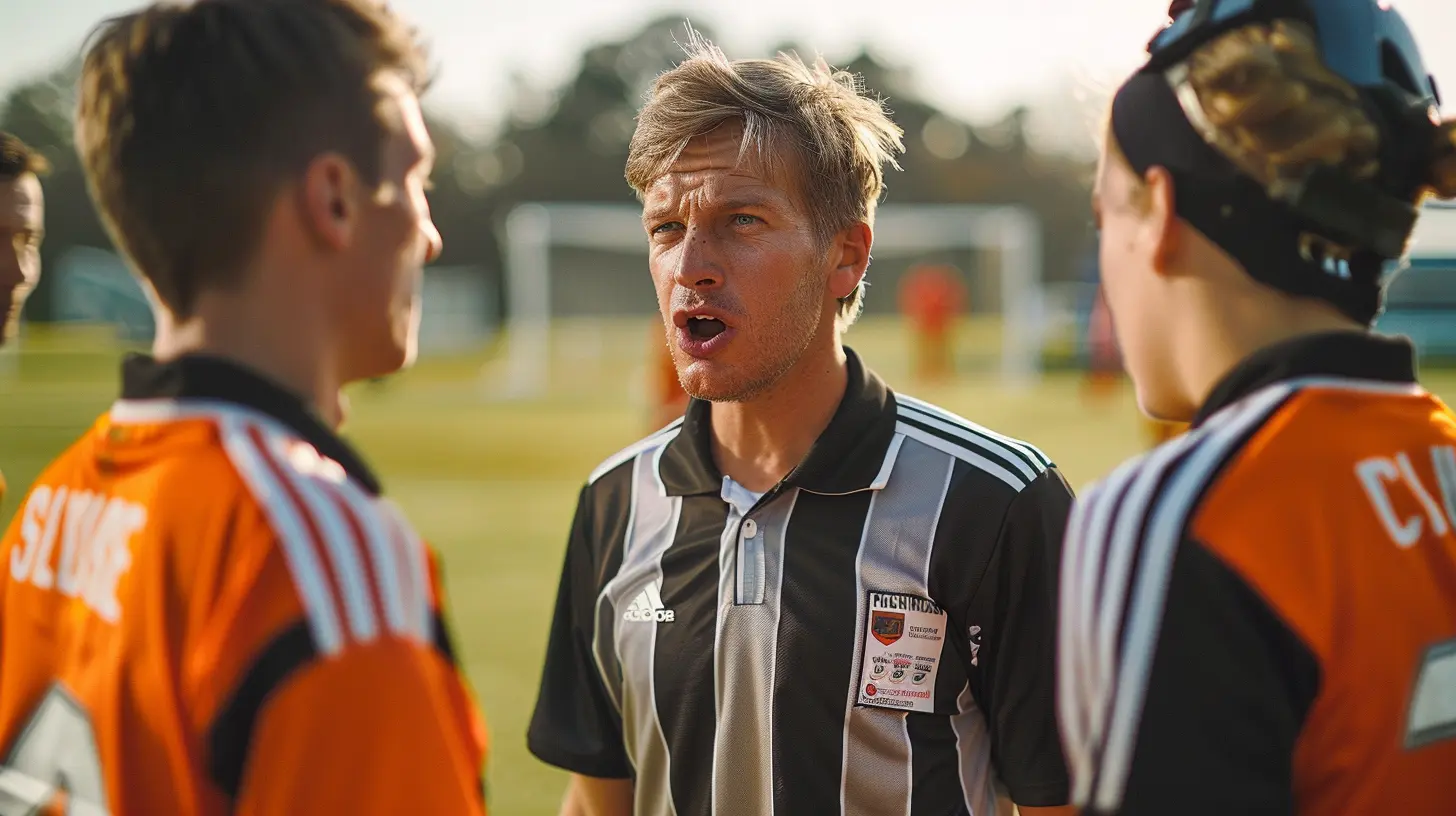
Respect: The Glue In The Relationship
Respect isn’t earned overnight. It builds over time—through fair calls, honest effort, and shared experiences.Coaches Leading by Example
Players mirror their coaches. If a coach constantly berates the referees, guess what the players will do? You got it—they'll follow suit. But when coaches show respect, listen patiently, and hold themselves accountable, it filters down through the team.Referees Modeling Composure
Referees are under a microscope. Every call is dissected by fans, players, and coaches. But when they stay cool, explain decisions thoughtfully, and treat coaches like allies instead of adversaries, it elevates everyone.Handling Disputes the Right Way
Let’s not kid ourselves—disagreements happen. A bad call. An overreaction. Tensions boil. But the real mark of professionalism isn't avoiding conflict—it's how it’s handled.Building Trust to Buffer Tension
If a referee and coach have a history of mutual respect, they can overcome heated moments. That trust often comes from repeated positive interactions, honesty, and consistency.Imagine this: A referee makes a controversial call. The coach vents frustration but doesn’t cross the line. The referee recognizes the emotion and listens. Just like that, a potential explosion turns into a manageable moment.
The Role of Emotional Intelligence
Emotional intelligence is the MVP here. Coaches and referees who understand their own triggers—and those of others—can de-escalate situations before they become chaos. This self-awareness isn’t just valuable—it’s essential.When Coaches and Refs Team Up, Everyone Wins
You might be wondering, “Isn’t it enough for referees to just do their job?” Sure, they could. But when they go the extra mile to create harmony with coaches, the benefits multiply.A Better Experience for Players
When the adults in the room are united, things run smoother. Players focus on the game, not drama. They feel protected and respected—and that leads to better performance.More Enjoyable Games for Fans
Nobody wants to see arguments or ejections overshadow the actual sport. Peaceful, respectful games are better for everyone watching.Strengthening the Sport's Integrity
Every time a referee and coach shake hands after a hard-fought match, they’re doing more than just being polite. They’re strengthening the integrity of the sport. Their actions say, “This is how we play—with class, with fairness, and with heart.”Real-Life Examples of Collaboration
Still not convinced this dynamic makes a difference? Let’s look at a few real-life moments where referee-coach collaboration turned potential disasters into class acts.Example 1: The Coach Who Defended a Ref
In a heated college basketball game, a referee made a controversial call against the home team in the final minutes. The crowd went wild. Booing, shouting, chaos. But instead of joining the uproar, the home coach stepped in and waved to calm the crowd. He later said, “The ref did his job. We just didn’t execute.”That moment of leadership turned what could’ve been an ugly ending into a masterclass in sportsmanship.
Example 2: The Ref Who Took Time to Explain
During a youth soccer tournament, a coach grew frustrated over an offside call. Instead of brushing it off, the referee paused during halftime to explain the interpretation. The coach nodded, thanked him, and told his players to focus on the next half. Problem solved—and mutual respect earned.Tips for Coaches and Referees to Foster Better Collaboration
Want to build stronger bridges between refs and coaches? Here are some bite-sized tips:For Coaches:
- Don’t assume the worst—ask for clarity before reacting.- Respect the boundaries—refs aren’t there for debates.
- Lead your team by example—keep your cool.
For Referees:
- Be consistent and explain when possible.- Acknowledge when emotions are high—it can defuse tension.
- Treat coaches like partners, not opponents.
Conclusion: It’s a Team Effort
At the end of the day, the outcome of the game matters—but how the game is played matters even more. Referees and coaches, by working together, have the power to shape the experience for everyone involved. From setting a positive tone to managing high-pressure situations, their collaboration is a cornerstone of fair play.So next time you're watching a game, pay attention to those subtle exchanges between the sideline and the whistle. That handshake? That nod of respect? That’s where true sportsmanship lives.
Let’s celebrate the silent heroes who keep the game honest—and each other accountable.
all images in this post were generated using AI tools
Category:
RefereeingAuthor:

Umberto Flores
Discussion
rate this article
1 comments
Luella Pratt
It's interesting to see how referees and coaches work together to maintain fairness in the game. Their collaboration is crucial, and it reminds us that respect on the field benefits everyone involved.
June 24, 2026 at 10:39 AM