How Smart Stadiums Will Revolutionize the Fan Experience by 2027
17 April 2026
Let’s be honest for a second. For all the magic of live sports, the actual logistics of being a fan can sometimes feel like a relic from a bygone era. Remember the last time you spent a small fortune on a lukewarm beer and a soggy hot dog, missed a crucial replay because you were in a concession line, and then fought a 45-minute traffic jam just to exit the parking lot? We’ve accepted these frustrations as part of the "authentic" game-day experience. But what if I told you that by 2027, that script is being completely rewritten? The stadium of the future isn't just a place to watch a game; it's a living, breathing, hyper-connected ecosystem designed around you. Welcome to the era of the smart stadium, and it’s coming faster than a breakaway goal.

What Exactly Is a "Smart Stadium"? Beyond Buzzwords
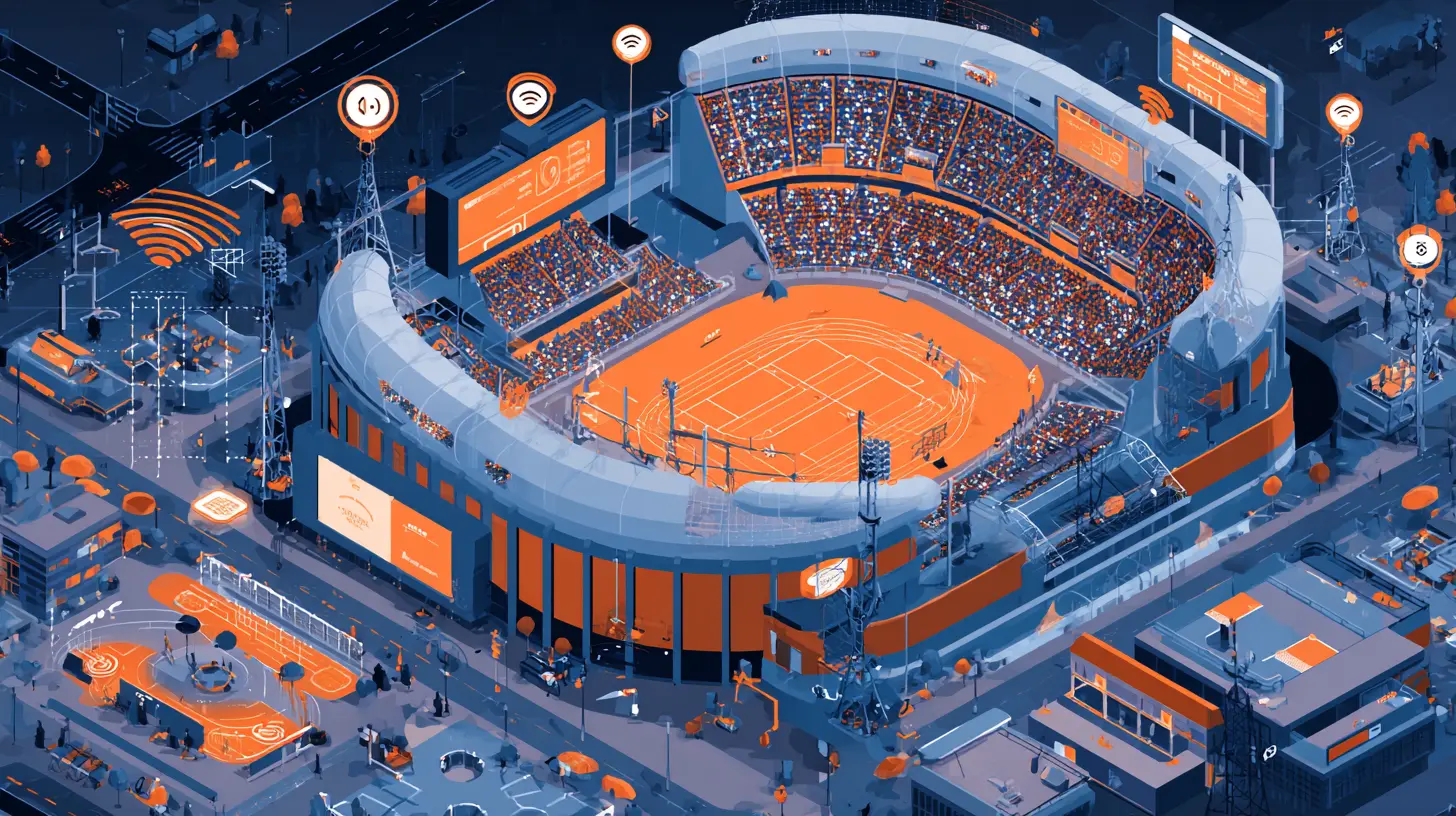
Before we dive into the revolution, let's strip away the tech jargon. A smart stadium isn't just a venue with a fancy Wi-Fi network. Think of it as the difference between a basic flip phone and the latest smartphone. One makes calls; the other is a personalized command center for your digital life. A smart stadium is a physical structure deeply integrated with a digital nervous system—a network of sensors, Internet of Things (IoT) devices, powerful data analytics, and mobile platforms that work in concert.This system collects data in real-time: how people move, where lines are forming, which restrooms need servicing, even environmental conditions. It then uses that data to dynamically manage everything from traffic flow and security to concessions and in-seat experiences. The goal is simple yet profound: to remove every friction point between the fan and the pure joy of the sport. It’s about anticipating your needs before you even have them. By 2027, this won't be a luxury for a few flagship arenas; it will be the expected standard for any major sports venue.

The Seamless Journey: From Your Couch to Your Seat
The revolution begins long before you scan your ticket. Imagine your gameday app, powered by the stadium's AI, sending you a personalized itinerary. "Hey, based on current traffic, leave at 2:15 PM for a 4:05 PM kickoff. Your usual parking lot, Section D, will have 120 spots available. We've pre-paid your parking pass. Your friend, Sarah, is arriving from the north side—suggest meeting at Gate B."This isn't science fiction; it's predictive logistics. License plate recognition and sensor-guided parking will direct you to the nearest open spot, eliminating the endless, anxiety-inducing loops. Upon arrival, biometric ticketing (like facial recognition linked to your secure fan profile) will allow for seamless, contactless entry. No more fumbling for paper or phones at the gate—you just walk in. The dreaded security line? Cameras and sensors with AI-powered analytics can screen for prohibited items at a walking pace, making the process faster and safer for everyone.
The Hyper-Personalized, In-Venue Experience
Once inside, the real magic happens. Your phone (or perhaps by 2027, your smart glasses or wearable) becomes your personal concierge.Concessions That Come to You: Tired of missing action? With location-based services, you’ll be able to order from your seat via the app, pay digitally, and have a vendor deliver your order directly to you. Or, for the DIY crowd, interactive maps will show you the shortest real-time line for a craft beer or which stand has your favorite burger ready right now. Smart shelves and inventory tracking mean they’ll almost never run out of what you want.
Immersive Viewing, On Your Terms: Look up at the giant Jumbotron. Now imagine if you could control what it shows. Smart stadium apps will offer multiple camera angles, real-time stats overlays, and instant replays on your personal device, all synced with the live action. Want the quarterback's view on that last touchdown? A sky-cam replay of the goal-line stand? It’s yours. Augmented Reality (AR) will let you point your device at the field to see player stats floating above them or visualize complex play formations.
Comfort as a Standard: The stadium itself will be responsive. A network of environmental sensors will adjust heating, cooling, and even airflow in specific sections based on crowd density and weather. Restroom cleanliness will be monitored in real-time, with alerts sent to cleaning crews the moment supplies run low or queues get too long. It’s the kind of behind-the-scenes efficiency that makes the entire experience feel effortless.

Data, Community, and The New Fan Economy
Here’s where it gets really interesting. Smart stadiums create a two-way street of value. The data you generate (anonymously and ethically, one hopes) helps the venue serve you better. But it also unlocks new layers of community and engagement.The Social Pulse: Imagine app features that let you connect with fans in your section, share reactions, or even light up your seat’s LED strip as part of a coordinated fan display. Loyalty programs will evolve from simple point collectors to dynamic systems rewarding not just spending, but engagement—predicting outcomes, participating in in-app polls, or arriving early.
Monetization and Micro-Moments: For teams and sponsors, the opportunities are vast. Hyper-targeted, location-based offers will pop up: "20% off at the team store as you walk by," or "Buy the jersey of the player who just scored, delivered to your seat before the final whistle." This creates new revenue streams while offering fans relevant value. It’s advertising that feels like a service, not an intrusion.
The Inevitable Challenges: Privacy, Equity, and The Human Touch
Of course, this brave new world isn’t without its hurdles. The biggest question looming over smart stadiums is data privacy. How much are we willing to be tracked for convenience? Transparent opt-in policies and ironclad data security will be non-negotiable for fan trust. There’s also a risk of a digital divide—creating a two-tiered experience where tech-savvy fans enjoy premium perks while others feel left behind. Stadiums must ensure core experiences remain accessible to all.And let’s not forget the human element. The roar of the crowd, the high-five with a stranger, the raw, unmediated emotion—these cannot be digitized. The technology must enhance these moments, not replace them. The best smart stadium will be the one you barely notice, because it simply makes everything work, leaving you free to lose yourself in the game.
The 2027 Stadium: A Glimpse at the Kickoff
So, what does the fan experience look like on opening day, 2027? You’ll experience a day that feels curiously fluid. Friction is a memory. Your journey is effortless, your choices are informed, and your engagement with the game is deeper and more personalized than ever before. The stadium is no longer a passive concrete bowl; it’s a responsive partner in your fandom.The revolution isn't about flashy gadgets for their own sake. It’s about reclaiming time, reducing stress, and deepening connection. It’s about ensuring that the only thing that leaves you breathless is the action on the field, not the hassle off it. The smart stadium, by 2027, will have finally understood a fundamental truth: the fan is the most important player in the sport. And it’s building the entire game around them.
all images in this post were generated using AI tools
Category:
Sports TechnologyAuthor:

Umberto Flores
Discussion
rate this article
2 comments
Nina Curry
Smart stadiums will redefine game day excitement... can't wait!
June 12, 2026 at 4:27 AM
Umberto Flores
Thanks for your enthusiasm! Smart stadiums will definitely elevate the experience and make game days even more thrilling.
Anabella Henderson
The article effectively highlights the transformative potential of smart stadiums by 2027, emphasizing enhanced connectivity, personalized experiences, and data-driven fan engagement. By integrating technology such as AI and IoT, stadiums can not only streamline operations but also create immersive environments, fundamentally redefining how fans interact with sports events.
April 19, 2026 at 12:00 PM
Umberto Flores
Thanks for your thoughts! I agree that the integration of AI and IoT will truly reshape the fan experience, making it more engaging and interconnected. Exciting times ahead!