How Stadiums Are Influencing the Design of Future Cities
15 October 2026
Ever noticed how cities are getting flashier, more vibrant, and somehow... cooler? You can thank stadiums for that. No, seriously. The colossal arenas we flock to for games, concerts, and epic events are no longer just for sports. They're making some serious waves in urban planning—shaping skylines, boosting economies, driving eco-conscious designs, and basically setting the tone for the cities of tomorrow.
So, pull up a seat, because we're diving into a bold, eye-opening look at how stadiums are influencing the design of future cities—and why that’s a bigger deal than you might realize.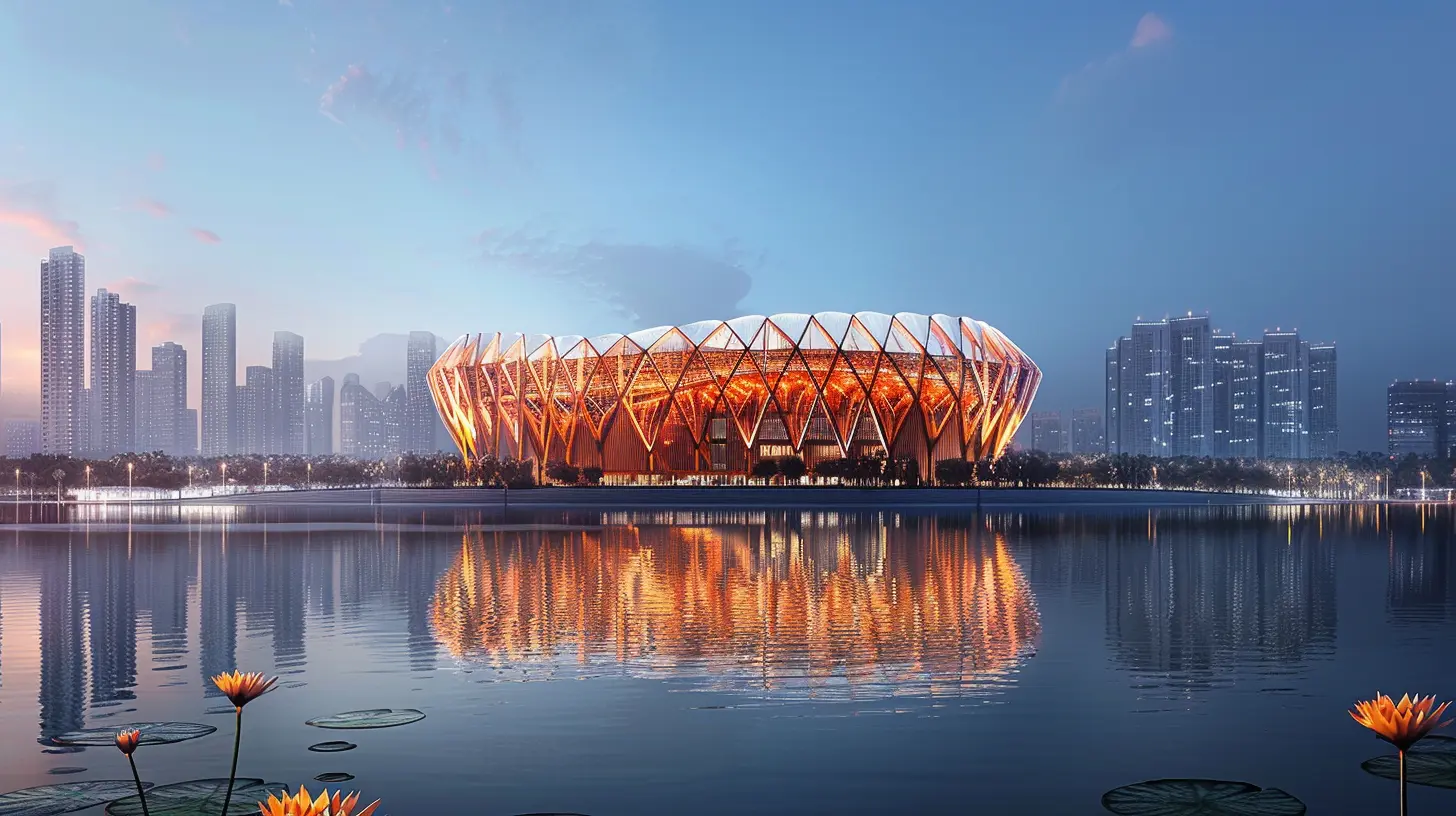
The Evolution of Stadiums: More Than Just Sports Venues
Let’s rewind a bit. Once upon a time, stadiums were built on the outskirts, standing tall but often isolated. They were used for a few hours, a few times a year, then left alone like that one gym membership we always forget we bought.Fast forward to today, and stadiums are becoming the heart and soul of cities—integrated into the daily life of urbanites.
They’re multifunctional, smarter, greener, and way more accessible.
Think of them as the Swiss Army knives of urban development. From hosting sports events and concerts to becoming entertainment hubs, retail centers, and even green parks—modern stadiums are now multi-use, all-in-one mega-structures.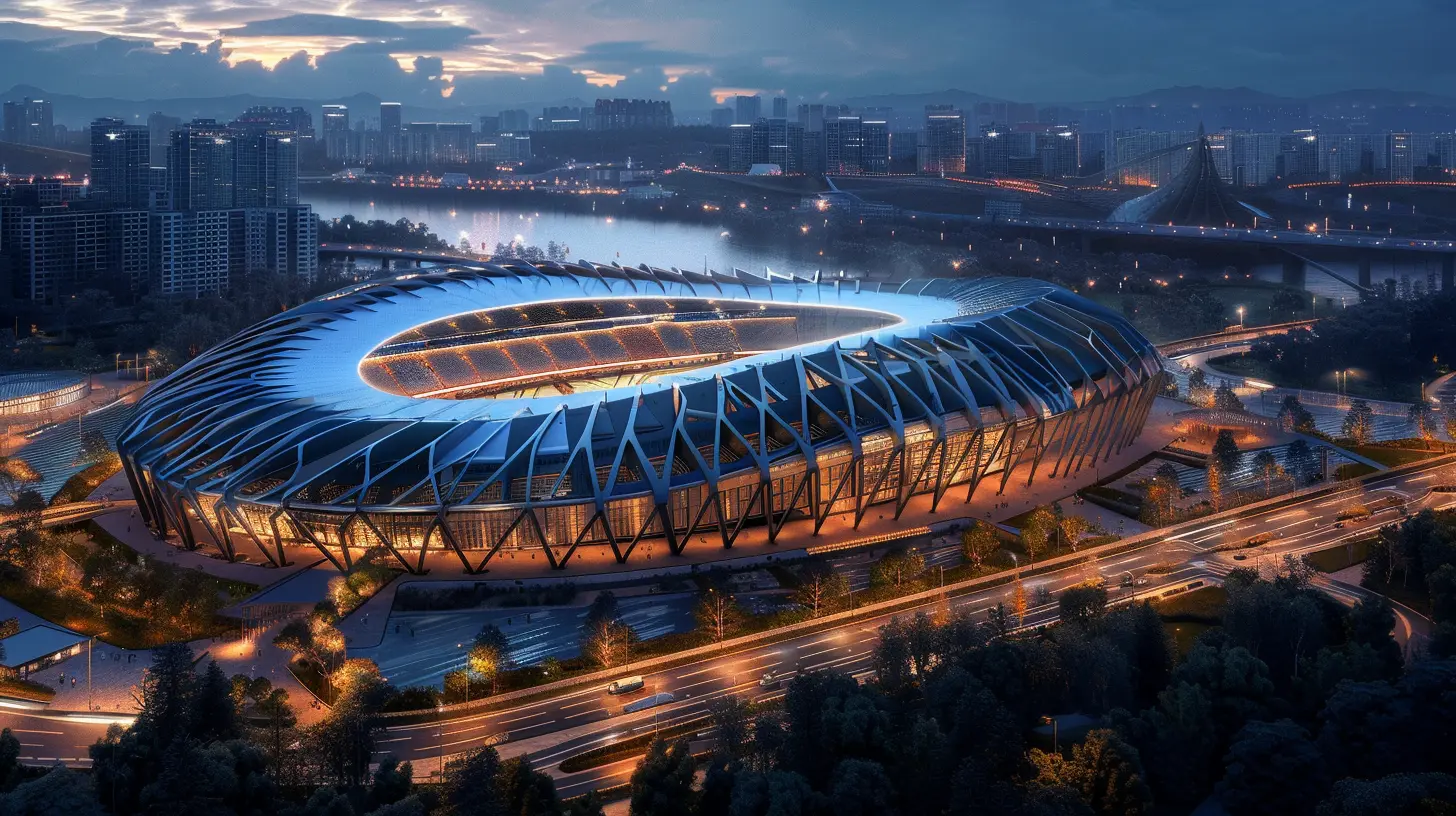
Urban Catalysts: Turning Grey Space Into Green Gold
Here’s a crazy thought: What if a stadium wasn’t just a structure but a spark that lit up an entire district?Cities like Atlanta, London, and Melbourne are already doing this. Take Truist Park in Atlanta—it didn’t just bring baseball fans; it brought restaurants, shopping, apartments, and nightlife. The stadium became a lifestyle nucleus, reviving areas that were once just... blah.
This domino effect is what planners are after. Build a great stadium, and you’re essentially creating an economic ripple that spreads through the city—boosting jobs, tourism, transportation, and community pride.
It’s not just about watching a game anymore. It’s about living the whole experience.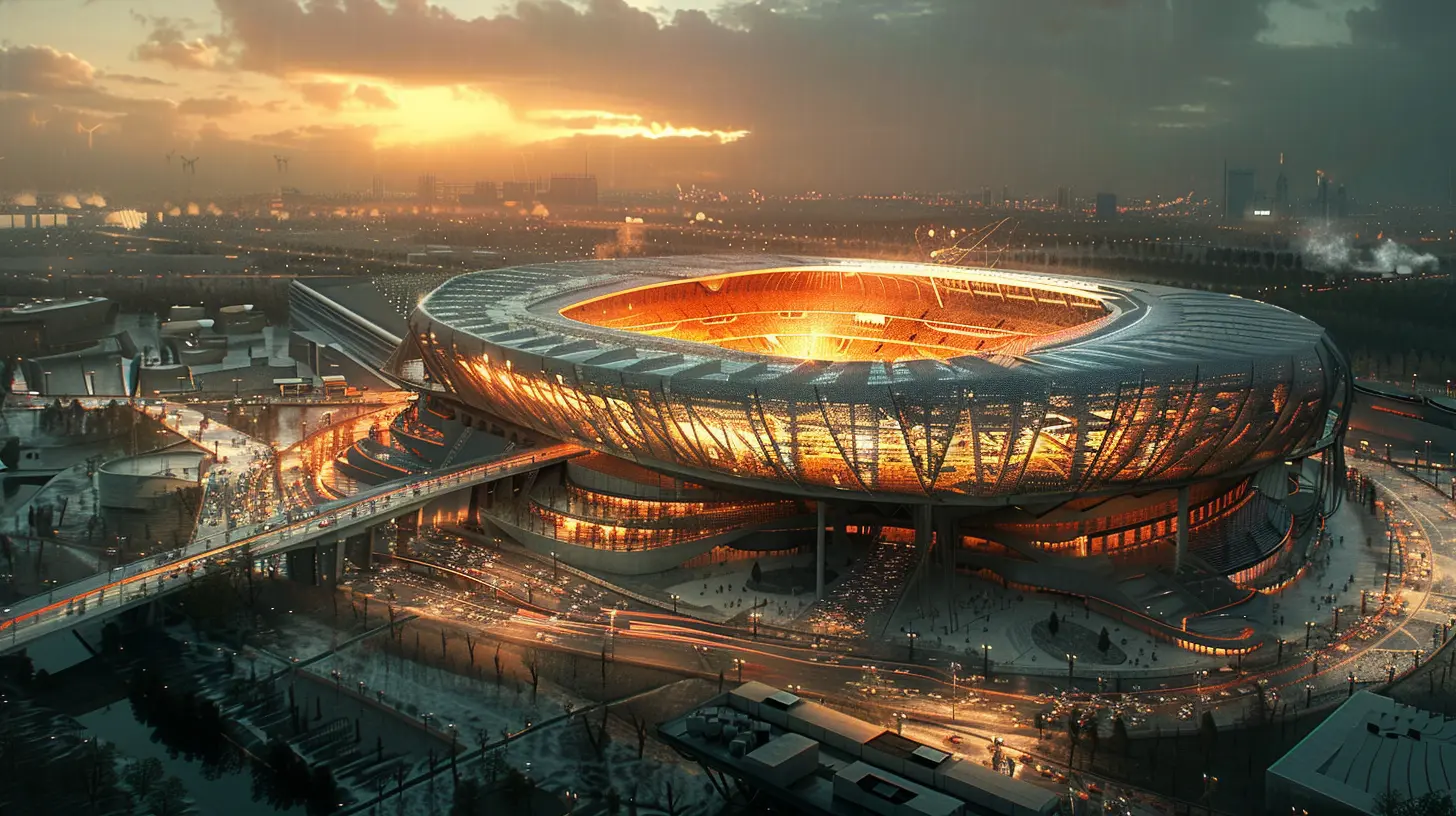
Smart Stadiums for Smart Cities
Alright, let’s talk tech.Modern stadiums are like the Iron Man suit—sophisticated, connected, always evolving. They’re part of the smart city narrative.
With 5G, real-time data tracking, facial recognition, app-based seating, energy efficiency systems, and hyper-localized connectivity, stadiums are becoming test labs for what cities could be.
Think about it: Where else can you test crowd management, high-speed internet for 60,000 people, and sustainable energy use—all in one place?
Cities are watching. Closely. Because if it works in a stadium under peak stress, it’ll work anywhere.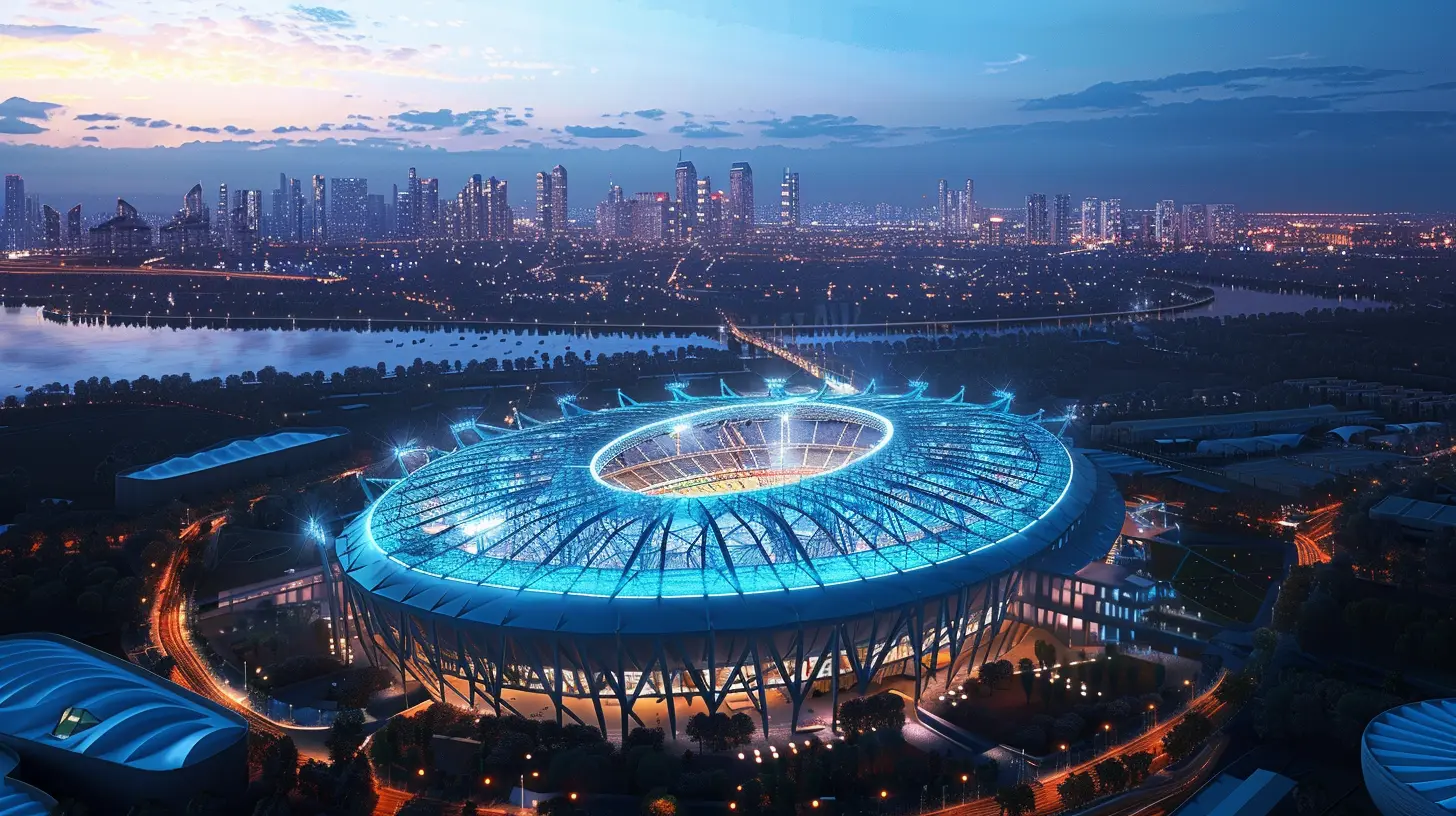
Green and Gorgeous: Stadiums Leading the Sustainability Charge
Let’s be honest, sustainability isn’t just a buzzword anymore—it’s the backbone of future living. And believe it or not, stadiums are out there leading the eco-revolution.Take Mercedes-Benz Stadium in Atlanta again—it’s the first professional stadium to receive LEED Platinum Certification. That’s like getting an A+ in green building.
Solar panels, rainwater collection, energy-efficient lighting, green roofs—these features aren’t just feel-good fluff; they’re practical tools shaping how cities manage resources.
Here's the kicker: When fans (millions of them) walk into these eco-friendly spaces, it sends a powerful message. It normalizes sustainability. It educates by experience.
And that? That changes city culture from the ground up.
Mixed-Use Design: The Stadium That Never Sleeps
Why let a giant building go dark 300 days a year?That's the question architects are answering with mixed-use stadiums.
These aren’t just places for gameday. They’ve got hotels, office spaces, breweries, fitness centers, retail shops—you name it.
What’s the impact?
Well, now you're talking about 24/7 engagement. You're boosting urban density. You're reducing the need for long commutes. You’re making every square foot count.
That’s city design goals right there—sustainability, convenience, and community. All packed into one giant masterpiece.
Transportation Revamp: Sports Crowd Meets Smart Mobility
Let’s not gloss over this biggie—moving people.Stadiums bring in crowds. Cars, buses, subways, rideshares, scooters—you name it, it’s coming in hot. So cities can’t just wing it. They need solid planning.
Enter the transportation evolution.
Modern stadiums are demanding better transit solutions. That means expanded rail lines, pedestrian-first paths, secure bike parking, and integrated public apps.
Why does this matter?
Because these innovations spill over. Once a city adapts for a stadium, everyone else benefits. Daily commuters, cyclists, tourists—all enjoy smoother, smarter transportation systems.
Public Spaces that Bring People Together
Let’s face it—cities can feel isolating. But stadiums? They have this magical effect of drawing people in. It’s the unity, the roar of the crowd, the shared highs and lows.That magic isn’t lost on city planners.
Modern stadiums are being built with inviting public spaces—think wide promenades, green plazas, interactive art, playgrounds, open-air markets.
They’re building communities, not just structures.
It’s about creating a place where you’d want to hang out even if there’s no game. That’s city design with a soul. And that’s what the future is hungry for.
Economic Engines with a Long-Term Vision
Money talks.And stadiums? They're shouting.
A well-integrated stadium doesn’t just spike the local economy—it sustains long-term growth. Local businesses flourish. Property values rise. Job opportunities spike (both during and after construction).
And here’s the cool part—stadiums now offer year-round programming—which means consistent revenue.
Festivals, esports, conventions, movie nights, food expos—you name it, these stadiums are hosting it.
That keeps the city buzzing and the economy humming.
Architecture With Identity: Crafting the City’s Personality
You know what makes a city unforgettable?Its icons.
The Eiffel Tower. Big Ben. Tokyo Skytree.
Now think SoFi Stadium. Or the Bird’s Nest in Beijing. These aren’t just buildings—they’re statement pieces. Architectural mic drops.
Stadiums today are being designed with boldness and beauty, giving cities a fresh, modern identity. They define skylines. They attract tourists. They reflect cultural pride.
It’s like wrapping your city in a custom-designed jersey—and the world is watching.
The People’s Arena: Inclusivity and Accessibility
Old stadiums? Not always the most welcoming.New stadiums? Totally different game.
We're talking ADA-compliant everything, inclusive restrooms, affordable ticket sections, community spaces, and designs that cater to every kind of fan.
Inclusivity is now a cornerstone of urban design, and stadiums are setting that standard. They're proving that public spaces can, and should, welcome everyone.
And when you build a space with every citizen in mind? You've just laid the foundation for a future-ready city.
Designing for Resilience: Built to Withstand the Unexpected
If recent years have taught us anything, it’s this: Cities need to be resilient.Natural disasters, pandemics, unexpected surges—the future is unpredictable.
Stadiums are rising to that challenge. With flexible layouts, modular sections, and tech-forward systems—they’re becoming blueprints for resilient architecture.
Some can turn into hospitals, shelters, or voting stations almost overnight.
That kind of readiness? It’s priceless. And it’s pushing urban design into a whole new era of flexibility.
Final Thoughts: Stadiums Are the Blueprints of Tomorrow
So, next time you walk into a stadium, take a second to look around.You're not just seeing an arena. You're seeing the future of cities—alive with energy, innovation, design, and purpose.
Stadiums have gone from being the sidelines of urban life to playing centerfield in how we build, connect, and live.
They’re leading the way, redefining what’s possible, and proving that great design doesn’t just respond to city life—it creates it.
So yeah, the stadium of tomorrow might just be the city of tomorrow.
And that’s a game worth watching.
all images in this post were generated using AI tools
Category:
StadiumsAuthor:

Umberto Flores