The Unsung Role of Referees in Maintaining Player Safety
11 June 2026
Let’s be honest. When you think about a nail-biting football match, a high-speed basketball game, or a corner-kick in the dying minutes of a soccer game, who do you visualize? Probably the star striker, the key playmaker, or the last-minute goal-scorer—we get it. But there’s one person who is smack-dab in the middle of the action and often overlooked: the referee.
Yeah, that guy or gal in black (or neon yellow, depending on the sport) running up and down the field, getting yelled at by players, coaches, and fans alike. But there’s more to referees than just blowing whistles and flashing cards. They’re the quiet guardians of the game, the unsung heroes, especially when it comes to player safety.
So let’s pull back the curtain and give referees the credit they truly deserve. Because their role? It's way more than making calls—they are literally the first line of defense when it comes to preventing injuries and ensuring fair play.
Why Referees Matter More Than You Think
Picture this: a tense rugby match, adrenaline pumping, tempers flaring, bodies crashing into each other, sometimes with reckless abandon. Now imagine there wasn’t a trained official to enforce the rules. It would be chaos, right? More like a gladiator fight than a sport.Referees are the glue holding the integrity of the game together. Without them, games would spiral into foul-heavy, injury-prone messes. And the role they play in maintaining player safety often goes unnoticed.
The Safety Net in Stripes: What Referees Actually Do
You might wonder—how exactly do referees impact player safety? Aren’t they just there to enforce the rules?Well, yes and no.
Yes, they enforce rules, but those very rules are often designed with player safety in mind. Think about regulations against dangerous tackles in soccer, helmet-to-helmet contact in football, or flagrant fouls in basketball. These are not just penalties for bad behavior—they’re shields against serious injury.
Here’s a breakdown of how referees keep players safe:
1. Immediate Response to Dangerous Play
When a player dives in with studs up in soccer or throws an elbow in basketball, who jumps in first? The referee. They’re right there, watching everything unfold in real-time. One quick whistle, and they can stop a dangerous situation before it escalates.And here’s the kicker—it’s not just about punishing the offender. It’s about protecting everyone else on the field from potential harm. That decision to hand out a yellow or red card? It’s preventative, not just corrective.
2. Monitoring Player Conduct and Emotional Temperature
Let’s face it—sports can get heated. And when emotions boil over, things can go sideways fast.Referees have to be part psychologist, detecting when tensions are rising and stepping in before it turns into a brawl. That subtle conversation with a player? That quiet warning before a throw-in? It’s all part of keeping the game safe and sane.
3. Ensuring Equipment and Field Standards
Before every game, referees conduct checks to make sure everything’s in proper shape. Whether it’s making sure the goalposts are anchored, the nets are intact, or players are wearing the right protective gear—these checks are crucial.It's kind of like a pilot doing a pre-flight inspection. You hope everything’s fine, but you still need to check every time.
4. Spotting Concussions and Injuries Early
In recent years, sports leagues have put a spotlight on concussion protocols and injury awareness. Referees now play a greater role in identifying signs of concussions or other serious health risks mid-game.If a player is wobbling or slow to get up after a hit, it’s the referee who can halt the game and call for medical attention. That’s not just officiating—that’s life-saving.
It's Not Just Physical Safety—Mental Well-being Matters Too
Here’s something people often overlook: player safety isn’t just about avoiding sprains or concussions. It’s also about mental well-being.Referees are responsible for making sure the game stays respectful and inclusive. That includes cracking down on verbal abuse, discriminatory behavior, and taunting. Every athlete deserves a safe space to perform, and referees help set that tone from start to finish.
Think of them as the bouncers of the sports world—not just guarding the door, but making sure everyone inside has a good (and safe) time.
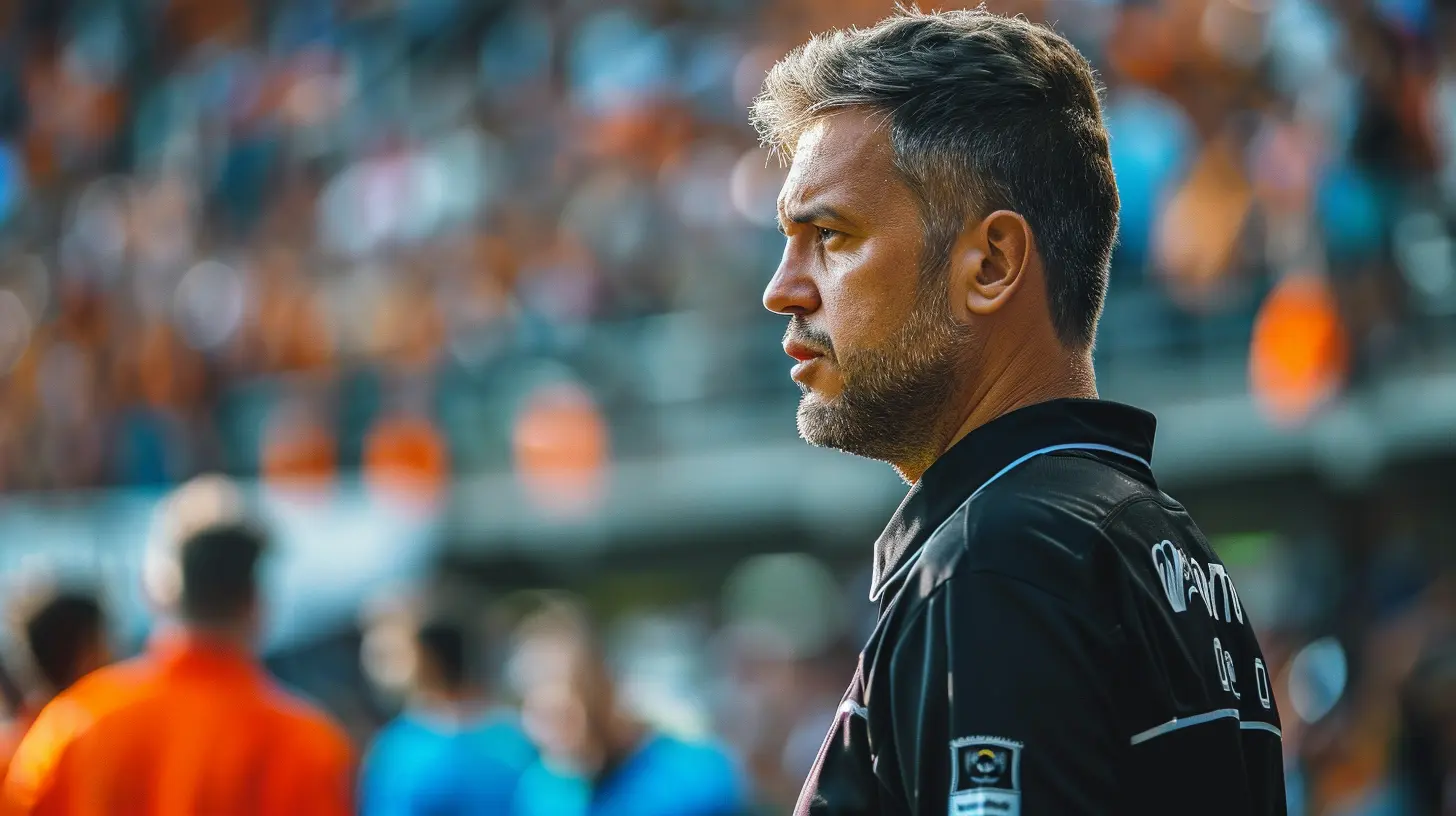
Training and Sharp Eyes: It’s Not as Easy as It Looks
It’s easy to sit on your couch and scream, “That’s a foul!” But being a referee is insanely tough.They need to make split-second decisions, often from less-than-ideal angles. And they train hard to get it right. Top referees spend hours studying rulebooks, watching game footage, doing fitness drills, and attending workshops. All this preparation helps them stay mentally sharp and physically ready to protect players on the field.
Refereeing is like juggling chainsaws while reciting algebra—it requires concentration, knowledge, agility, and thick skin.
Technology: The Referee’s New Best Friend
With advancements like VAR (Video Assistant Referee) in soccer, instant replay in football, and Hawk-Eye in tennis, referees now have high-tech support to help them make accurate and fair calls.And guess what? These tools also boost player safety. By catching missed fouls or off-the-ball incidents, technology helps officials identify dangerous behavior that could lead to injury. It’s a win-win.
Different Sports, Same Responsibility
Every sport has its unique challenges. But across the board, referees carry the same core responsibility: keep the players safe.- Soccer: From head collisions to knee-high tackles, referees are constantly on the lookout for potentially injurious play.
- Basketball: With flying elbows, ankle rolls, and mid-air collisions, officials ensure that contact remains within safe bounds.
- Football: Perhaps the most physical of them all. Referees here are vital in spotting helmet violations, late hits, and illegal tackles.
- Hockey: Fast-paced and full contact. Refs track cross-checks and body slams, all while skating backwards—talk about multitasking.
Regardless of the sport, their whistle can mean the difference between play-on and a trip to the emergency room.
When Referees Fail—The Consequences Are Huge
Let’s not sugarcoat it. When referees miss a call, especially one involving dangerous play, the fallout can be serious. A late tackle left unchecked can lead to a season-ending injury. A missed concussion sign can have long-term health effects.That’s why their role in player safety isn’t optional—it’s essential. While every ref can make mistakes (they’re human after all), ongoing training and accountability are key to minimizing those risks.
A Culture of Respect Starts with the Whistle
Referees often don’t get the respect they deserve. They're booed, blamed, and bashed—sometimes even threatened. But here’s a wild idea: what if we shifted our perspective?What if we appreciated them not as the "fun police" but as the guardians of the game?
When we respect referees, we reinforce the importance of fair play and safety. Young athletes mimic what they see. Creating a culture of respect for officials fosters a safer, more positive environment for everyone—on and off the field.
So, What Can We Do As Fans?
You might be wondering—what can I do as a fan or viewer?Well, it starts with understanding their role. Appreciate the balance they try to maintain between fairness and safety under pressure. Cut them some slack when they make a tough call. And if you're an athlete or coach—treat them as partners, not enemies.
Because at the end of the day, referees are there to make sure the game we love doesn’t come at the cost of someone’s health.
Final Whistle
Referees don’t score goals, make passes, or dunk basketballs. But they do something arguably even more important—they protect the players. They’re the silent guardians, the ones standing between order and chaos, risking backlash to enforce the rules.Next time you're watching a game, take a moment to notice the referees. They may not be celebrated like MVPs, but without them, the game wouldn’t be safe, fair, or even possible.
So here’s to the refs—blowing the whistle not just for fouls, but for safety, fairness, and the spirit of the game.
all images in this post were generated using AI tools
Category:
RefereeingAuthor:

Umberto Flores
Discussion
rate this article
1 comments
Remington McQuillan
Referees are the unsung heroes of the game, keeping players safe while dodging blame like pros. They deserve more love, but let's be real: without them, chaos reigns. So next time you see a ref, remember they're the reason the game doesn't turn into a wrestling match.
June 15, 2026 at 2:26 AM
Umberto Flores
Absolutely! Referees play a crucial role in maintaining order and safety on the field. Their efforts often go unnoticed, but they are essential for a fair game.